Leasing Hunting Ground in Wyoming
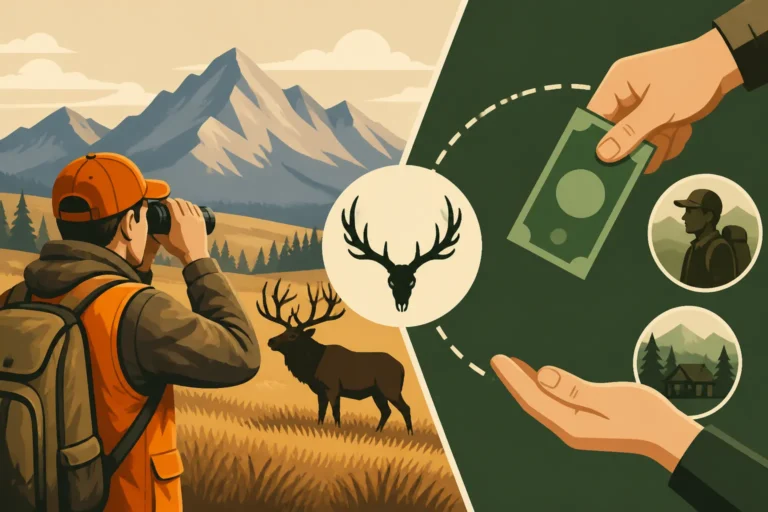
We've all been there: poring over maps, trying to find that perfect piece of ground, only to see a sea of private checkerboard limiting access, or to realize the public land is already crawling with hunters. The dream of a quality hunt, perhaps for a trophy animal or simply a less pressured experience, often leads hunters down the path of exploring private land. It's a reality in Wyoming, where vast public tracts exist but so does significant private ownership, especially in prime game areas. This guide is here to walk you through the ins and outs of leasing hunting ground in the Cowboy State, helping you understand how these arrangements work and what you need to consider before signing on the dotted line.
Understanding the Landscape of Private Land Hunting in Wyoming
Wyoming is famous for its wide-open spaces and incredible big game opportunities, but that doesn't mean every hunt is a walk in the park. For many, the idea of leasing private hunting ground isn't about exclusivity as much as it is about practicality and improving the odds of a fulfilling experience.
Why Private Land Becomes an Option for Many Hunters
Let's be honest, public lands, especially in sought-after units, can feel like a crowded mall on Black Friday. The increasing popularity of hunting, coupled with limited access in certain areas, means that finding solitude and unpressured animals can be a real challenge. You might spend days Glassing Wyoming Basins Before You Take a Step, only to see another hunter's truck parked exactly where you planned to start your stalk. This can lead to frustration and a feeling of always being a step behind.
For hunters who consistently face high competition or who are struggling with Point Creep in Wyoming's Region G for desirable tags, private land presents an attractive alternative. It's not uncommon for hunters to spend years accumulating preference points, only to draw into a unit where the public access points are hammered and the game has gone nocturnal or moved onto private property. A lease offers a way to bypass some of these traditional public land hurdles, providing a more consistent and often higher-quality hunting experience without the constant worry of bumping into other groups.
Furthermore, certain game species or trophy-quality animals might consistently gravitate towards private agricultural lands or ranches where food and cover are abundant and human disturbance is managed. Think about those big mule deer bucks that seem to disappear during rifle season, often retreating to dense cover on a private ranch. Or the antelope herds that graze peacefully on sprawling cattle operations. Pursuing these animals on their home turf, with permission, is a compelling reason many hunters explore leasing options.
The Different Faces of "Leasing" in Wyoming
When we talk about "leasing hunting ground" in Wyoming, it's not a single, monolithic concept. It actually encompasses a spectrum of arrangements, from informal agreements to structured contracts, and it’s important to understand the nuances before you dive in. It's rarely like leasing an apartment for a year; instead, it's often tailored to hunting seasons and specific animals.
On one end of the spectrum, you have the simple "trespass fee" arrangement. This is where a landowner grants you permission to hunt a specific animal for a set number of days on their property, typically for a fixed fee. You're essentially paying for access, and all the hunting, logistics, and field dressing are still on you. These are common for antelope and deer hunts, providing a straightforward way to get onto game-rich private ground without the commitment of a full lease or guide. What Ranch Access Typically Costs can range widely depending on the species and the landowner.
Then there are more comprehensive, often season-long, or even multi-year leases. These can involve an individual hunter, a small group, or even a hunting club securing exclusive rights to hunt a particular parcel of land for a defined period. These agreements usually come with more stipulations, such as limits on guest hunters, rules about camping, use of roads, and sometimes even game management considerations. These types of arrangements often require more formal written contracts. Landowners might also offer Wyoming Landowner Tags Through Outfitters, which bundle access with a tag, but that’s a different beast entirely. It's crucial to understand what kind of "lease" you're entering into and what rights and responsibilities come with it.
Navigating the Mechanics of a Wyoming Hunting Lease
So, you're convinced that private land might be the right path for your next Wyoming adventure. But how do you actually go about finding these opportunities, striking a deal, and understanding what you're getting into? It's not always as simple as seeing a "Hunting Lease Available" sign on the highway.
Finding Lease Opportunities and Connecting with Landowners
The traditional way to find private hunting opportunities often starts with good old-fashioned networking. If you know people who hunt in Wyoming or have contacts in rural communities, word-of-mouth can be incredibly powerful. Local coffee shops, feed stores, or even small-town diners can sometimes be unexpected hubs of information, though you'll need to approach conversations with respect and genuine interest, not just a grab for hunting spots.
Beyond local connections, the internet has opened up new avenues. There are platforms designed specifically to connect hunters with landowners. Services like BookYourHunt can be invaluable for finding specific, often package-deal, private land hunts, where you’re essentially booking an access agreement directly with a rancher or through an outfitter who has leased the land. Similarly, resources like GoHunt provide detailed information on hunt units, which can indirectly help you identify areas where private land opportunities might be prevalent, especially when you're E-Scouting a Unit Before the Season Opens and noticing large blocks of private ground near public access points.
Another method involves direct outreach. If you've identified a promising area through map research or previous public land hunts, you might consider reaching out to landowners directly. This takes courage and a polite, professional approach. A well-written letter introducing yourself, explaining your interest, and asking if they ever allow hunting can sometimes open doors. Be prepared for many no's, but a single yes can make all the difference. Remember that many landowners are wary of unknown hunters, so building a relationship built on trust and respect is paramount.
Key Terms and Considerations in a Lease Agreement
Before you shake hands or sign on any dotted line, it's absolutely critical to understand the specific terms of your lease agreement. A verbal agreement is simply not enough, as misunderstandings can quickly lead to ruined hunts and soured relationships. Get everything in writing, no matter how small the detail seems.
First and foremost, the duration of the lease needs to be crystal clear. Is it for a single weekend? A specific week? The entire archery season? Or perhaps the full rifle season for deer? Understanding the start and end dates is fundamental. Next, clarify the species and bag limits permitted. Just because you're leasing a ranch doesn't automatically mean you can hunt everything that walks on it. The agreement should specify if you're allowed to hunt elk, deer (mule or whitetail), antelope, or other game, and what the antler point restrictions or cow/doe limitations might be. This aligns with Wyoming General Licenses Against Limited Quota: Two Different Games as your lease might specify Type 1 (any elk) versus a Type 6 (cow or calf).
Access rules are another huge consideration. This includes designated entry points, specific roads you can use (or not use), and vehicle restrictions. Can you drive off-road to retrieve game? What about ATV use? Are there gates that must remain closed and locked? Your agreement should also detail guest policies – can you bring friends or family members? If so, are there limits on how many, and do they also need to pay a fee or sign a waiver? Consider camping restrictions: can you set up a wall tent, or is it strictly day hunting? Also, rules on blinds, tree stands, and trail cameras should be clearly outlined to avoid any surprises.
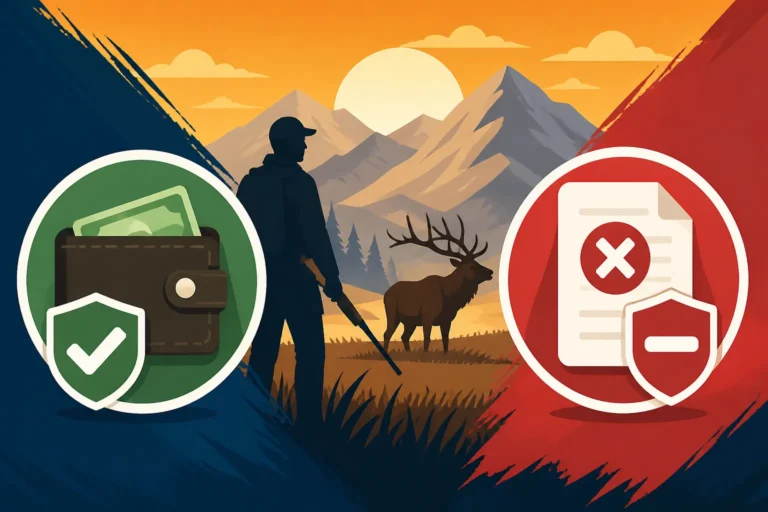
Finally, and perhaps most importantly, address liability and insurance. Most landowners will require you to sign a liability waiver, protecting them in case of injury. Some might even require you to carry your own hunting insurance. This is a serious point, and it’s critical that you understand the landowner's expectations and your own responsibilities regarding safety and legal protection. Remember, What a Wyoming Landowner Tag Actually Is is also often tied to specific liability arrangements.
Costs and Financial Realities of Leasing Private Ground
Let's not beat around the bush: leasing private hunting ground in Wyoming typically comes with a significant price tag. While the specifics can vary wildly, it's important to understand the shape of these costs and what factors influence them. This isn't a budget option for most hunters, but rather an investment in a potentially higher-quality experience.
The price tag for a lease can swing wildly based on several key factors. Location is paramount; a ranch bordering a top-tier elk unit or known for producing Boone and Crockett mule deer will command a much higher premium than land in less productive areas. The quality and abundance of game on the property also play a huge role. If the landowner has a reputation for managing for trophy animals, expect to pay more. Amenities can also drive up the price – does the lease include lodging, access to a cabin, or even an outfitter’s services? These add-ons significantly increase the cost.
Costs can be structured in different ways:
- Per Hunter: A flat fee per hunter for a specific season or hunt.
- Per Animal: Sometimes, especially for trespass fees, you might pay for the opportunity to harvest a specific animal (e.g., $X for an antelope buck).
- Per Acre: Less common for individual hunters, but larger leases might be priced this way for hunting clubs.
When you're crunching the numbers, it's helpful to compare the costs to other options. A multi-day trespass fee might be comparable to what you'd spend on gas, lodging, and supplies for a DIY public land hunt, but with potentially better odds. A full season lease, however, will likely be a much larger investment, perhaps rivaling The Average Cost of a Guided Wyoming Elk Hunt if it's for premium ground and includes extensive access. It's crucial to factor in not just the lease fee, but also your hunting license, travel, gear, and any potential game processing or taxidermy. Be realistic about what you're willing and able to spend.
Advantages and Disadvantages of Hunting on Leased Land
Deciding whether to pursue a private land lease is a big decision with significant implications for your hunting experience. It’s important to weigh the pros and cons carefully to ensure it aligns with your hunting goals and budget.
The Perks: Quality, Control, and Predictability
One of the most compelling advantages of hunting on leased land is the sheer reduction in pressure. No more parking lot dilemmas at trailheads or seeing other hunters' headlamps bobbing in the predawn darkness on "your" mountain. With exclusive access (or limited access for a small group), you can enjoy a sense of solitude and wilderness that is becoming increasingly rare on public land. This reduced pressure often translates directly into higher success odds and more relaxed animals, which are less likely to be spooked by constant human presence.
This exclusivity also offers far greater control over your hunt. You can scout the property extensively, learning the lay of the land, identifying game trails, bedding areas, and feeding patterns without worrying about other hunters disrupting your efforts. This allows for more effective strategies, whether you're Reading Fresh Elk Sign in Dark Timber or Stalking Pronghorn Across Wyoming's Open Sagebrush. It's a game-changer when you know the animals haven't been pushed out of the area by constant intrusion.
Finally, there's the element of predictability and quality. Landowners who lease their hunting ground often have an interest in maintaining the quality of the game and the habitat. They might implement their own management strategies, such as setting harvest limits, planting food plots, or improving water sources, all of which can contribute to a healthier and more robust animal population. For the hunter, this means a more consistent opportunity to pursue mature animals and a generally higher-quality hunting experience year after year, assuming you renew your lease.
The Drawbacks: Cost, Commitment, and Potential Issues
While the benefits are alluring, it's vital to address the downsides of leasing private land. The most obvious, as we've discussed, is the significant financial investment. This is not a cheap endeavor, and for many hunters, the cost simply outweighs the benefits. You need to be prepared for substantial upfront fees, which may or may not guarantee a harvest.
Beyond the monetary aspect, there's a certain commitment involved. Unlike a Planning a DIY Public Land Hunt in Wyoming where you can change units or areas on a whim, a lease ties you to a specific piece of ground. If the hunting isn't as good as expected, or if unforeseen circumstances (like a massive snowstorm or an early migration) negatively impact the game on your leased land, you're generally out of luck and out your money. The flexibility to move around is greatly diminished.
Then there are the potential issues with landowners. While most relationships are positive, disputes can arise. Misunderstandings about the terms of the lease, damage to property, or differing expectations can create friction. It's why having a clear, written contract is so important. Also, landowners' situations can change; they might decide not to renew your lease, or they might sell the property, leaving you without your hunting spot. Even with a lease, you still need to obtain the necessary hunting tags through the Wyoming Game and Fish Department, whether they are general licenses or limited quota tags, as outlined in How to Read a Wyoming Hunt Area Number. A lease provides access, not a guaranteed tag, unless you're involved in specific landowner tag programs, which themselves have unique rules.
It's a balance, really. The allure of quality, unpressured hunting is strong, but it demands a substantial commitment of both time and money, along with the understanding that even private land hunting comes with its own set of challenges.
Comparison of Hunting Access Methods
To help put things in perspective, here's a quick look at the main ways hunters typically access hunting grounds in Wyoming:
| Feature | Public Land (DIY) | Leased Private Land | Fully Guided Hunt |
|---|---|---|---|
| Cost | Lowest (tags, travel, gear) | Moderate to High (lease fee + tags, travel, gear) | Highest (all-inclusive package) |
| Access | Open to all, often crowded in popular areas | Exclusive or limited access, less pressure | Exclusive access, often with a dedicated guide |
| Competition | High, especially during peak seasons | Low to none, depending on lease terms | None with other clients on your specific hunt |
| Flexibility | High (can move locations, change plans) | Moderate (tied to specific property) | Low (set itinerary, specific location) |
| Success Odds | Varies greatly, often requires more effort | Generally higher due to less pressure and management | Often highest due to expert guides and prime land |
| Effort Required | High (scouting, planning, game retrieval) | Moderate (scouting, planning, game retrieval) | Low (guides handle logistics, field dressing) |
| Responsibility | All your own | Shared with landowner (abide by terms) | Mostly handled by outfitter/guide |
| Tag Required? | Yes (general or limited quota draw) | Yes (general or limited quota draw, unless landowner tag program) | Yes (general or limited quota draw) |
| Guide Required? | No (unless in Wyoming's Wilderness Guide Law for Nonresidents) | No (unless specific wilderness areas or personal preference) | Yes, it's the core of the service |
Disclaimer
This article is for general informational purposes only and does not constitute professional advice. Laws, prices and regulations vary by location and change over time. Consult a qualified professional for guidance on your specific situation.