Wilderness Pack Trips Built for Hunters
For many hunters, the ultimate dream is to disappear into the vast, untamed wilderness of Wyoming, far from roads and crowds, to pursue big game on its own terms. But getting deep into that backcountry with all the necessary gear, food, and provisions is a monumental challenge for most. That's where a wilderness pack trip comes in, serving as your logistical backbone to access those remote, unpressured areas you've always dreamed of.
What Exactly Are Wilderness Pack Trips Built for Hunters?
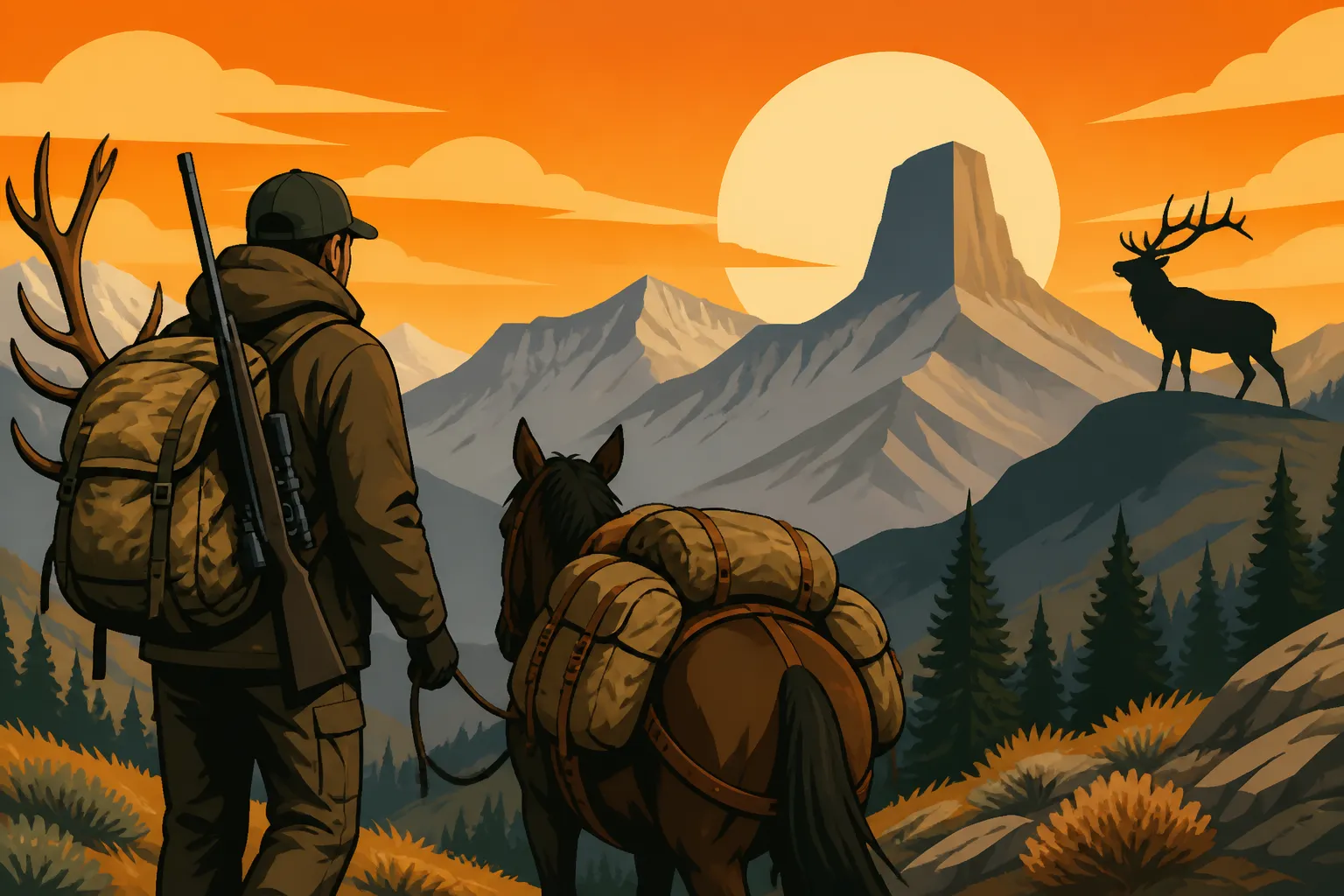
When you hear "wilderness pack trip," it's easy to picture a full-service, guided hunt where someone does everything for you. While some outfits offer variations that include elements of guiding, a true wilderness pack trip built for hunters is primarily a transportation and logistical service. Imagine a convoy of seasoned pack horses or mules, led by an experienced wrangler, carrying your hunting gear, food, tents, and supplies deep into designated wilderness areas or remote national forests. This isn't just a horseback ride; it's a strategic deployment of resources to give you the ultimate backcountry hunting experience.
These trips are distinct from fully guided hunts where an outfitter's guide is with you every step of the way, actively calling, tracking, and leading the hunt. They're also different from a simple drop camp, which might just involve packing you into a pre-established camp and then leaving you for the duration. A pack trip is often tailored more directly to your specific needs for a self-sufficient hunt, often requiring a bit more involvement in planning the exact gear and provisions you'll need.
Typically, a wilderness pack trip outfitter provides the horses, the pack saddles, the skilled personnel to manage the animals, and the expertise to navigate tough terrain. They'll pack your gear to a designated campsite, often one you've identified through extensive e-scouting, and then they'll either leave you to hunt independently (if it's a drop-off style service) or set up a schedule for resupply or pick-up. Some outfitters even offer a "spot pack" service, moving your camp from one location to another within a unit as your hunt progresses, allowing you to cover more ground and adapt to game movement.
Why Choose a Pack Trip for Your Wyoming Backcountry Hunt?
The allure of a wilderness pack trip lies in its ability to open up vast tracts of country that are otherwise inaccessible to the average hunter. These aren't just for those seeking solitude, though that's certainly a huge benefit. They're for hunters who understand that the farther you get from a road, the higher your chances are of encountering unpressured game, particularly mature animals.
Access to Unpressured and Remote Game
Wyoming boasts immense stretches of public land, including vast national forests and designated wilderness areas. While many hunters stick to areas they can access by truck or ATV, the biggest, oldest animals often retreat to places where human pressure is minimal. A pack trip allows you to bypass miles of easier-access terrain and penetrate directly into these remote sanctuaries. Imagine elk herds that haven't heard a bugle in weeks or mule deer bucks that have never seen a human from less than a mile away. This is the promise of the backcountry.
For example, consider an elk hunt in the Shoshone National Forest. Miles of rugged canyons, high alpine basins, and dense timber separate the main roads from prime elk habitat. Trying to backpack enough food, water filtration, shelter, and hunting gear for a seven-to-ten-day hunt into such country would be an immense physical undertaking for most. With a pack string, you can carry a much more comfortable camp, better food, and heavier optics, allowing you to sustain your effort deeper and longer. This kind of access also ties into understanding Wyoming's National Forests: Bridger-Teton, Shoshone, Bighorn, Medicine Bow, as many of these outfits operate within those permitted areas.
The True Wilderness Experience and Physical Demands
Let's be real, a pack trip isn't a luxury vacation. It's a rugged, immersive experience that demands a certain level of physical fitness and mental fortitude. You'll be riding horses, navigating uneven trails, and living in a tent for days or weeks. However, it's often a more comfortable alternative to pure backpacking, especially for extended hunts. You can bring more substantial food, a larger tent, and even a small wood stove if conditions warrant, all hauled in by the pack animals. This allows you to focus your physical energy on the actual hunting, rather than on the Herculean task of carrying everything on your back.
The experience of waking up to the crisp mountain air, the smell of pine and horse sweat, with only the sounds of the wilderness around you, is unparalleled. It's a chance to truly disconnect and reconnect with the primal act of hunting. While a pack trip eases the burden of hauling gear, you still need to be in good shape for hunting itself. The mountains are unforgiving, and covering ground at altitude while climbing, descending, and glassing will test you. Reading up on topics like Physical Conditioning for a Mountain Hunt and Preparing for Altitude on a Wyoming Hunt is crucial before embarking on such an adventure.
Navigating Wyoming's Wilderness Guide Requirements
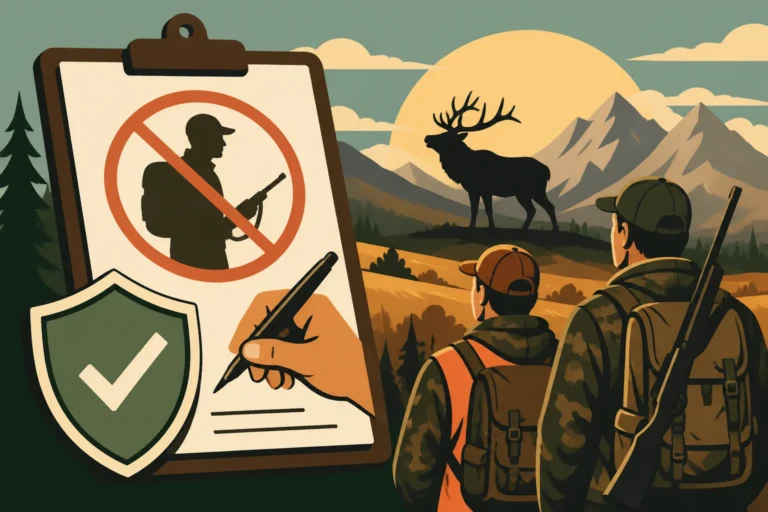
One significant reason non-resident hunters opt for pack trips into designated wilderness areas in Wyoming is directly related to the state's specific regulations. For most big game species, non-residents are legally required to be accompanied by a licensed professional guide or a Wyoming resident who has filed an affidavit stating they are serving as a guide without compensation. If you plan to hunt entirely within a designated wilderness area as a non-resident for species like elk, deer, moose, or bighorn sheep, you will need a licensed guide.
This is where understanding the difference between a pack trip and a fully guided hunt becomes paramount. Some outfitters who offer pack trips also provide guided hunting services, fulfilling this requirement. However, a pack trip alone (where the outfitter simply packs you in and leaves you) does not exempt you from the guide rule if you're a non-resident hunting big game in wilderness. Make sure you clarify this with any outfitter you consider. You can find more details on this often confusing topic in guides like Do You Need a Guide to Hunt Wyoming? or The Wilderness Guide Rule for Elk Hunters.
Planning Your Wyoming Wilderness Pack Trip Adventure
A successful wilderness pack trip requires meticulous planning, often months in advance. It’s not just about showing up with your rifle and a backpack; it’s about preparing yourself, your gear, and understanding the logistics involved.
Gear and Provisions: What to Pack and What the Outfitter Provides
One of the first conversations you'll have with any pack outfitter will revolve around gear. While they provide the horses, saddles, and sometimes basic camp infrastructure (like a cook tent or wall tents), your personal hunting gear, sleeping system, clothing, and often all your food will be on you. This is where the beauty of a pack trip truly shines: you can bring more comfort items than you'd ever backpack. Think Dutch ovens, a cot, a real pillow, and enough changes of clothes to stay somewhat fresh.
You'll need a detailed gear list, and the outfitter should provide specific weight and size limitations for your duffel bags. Pack carefully, prioritizing durability and functionality. Layered clothing is critical for Wyoming's unpredictable mountain weather. Consider high-quality optics, reliable navigation tools (GPS, satellite communicator), and a robust first-aid kit. Remember, once the packer leaves, you're on your own until the scheduled pickup. What the Gear List Your Outfitter Will Send is a great resource to get started.
When it comes to food, some outfitters offer food provisions as part of the package, while others require you to supply all your own meals. If you're providing your own, plan for calorie-dense, easy-to-prepare meals that can withstand being packed on horseback. Freeze-dried meals are common, but with pack animals, you can bring fresh items for the first few days. Don't forget essentials like coffee, snacks, and electrolyte mixes.
Physical and Mental Preparation for the Backcountry
Don't underestimate the physical demands of a wilderness hunt, even with a pack string doing the heavy lifting to camp. You'll be riding horses, often for hours over rough terrain. If you're not used to riding, spending some time on horseback before your trip can make a huge difference in your comfort and endurance. It's not just about staying on; it's about being able to absorb the constant movement for extended periods. Understanding How Much Riding Ability a Horseback Hunt Needs can help set realistic expectations.
Beyond the saddle time, you'll be hunting in elevation, navigating steep ascents and descents, and potentially field dressing and packing out an animal for miles to a rendezvous point with the outfitter. Regular exercise, particularly cardio and leg strength training, is non-negotiable. Simulate hunting conditions by hiking with a weighted pack. Mental toughness is equally important; bad weather, missed opportunities, and unforeseen challenges are all part of the backcountry experience. A positive, adaptable mindset will be your greatest asset.
Finding and Vetting the Right Pack Outfitter
Choosing the right outfitter for your wilderness pack trip is one of the most critical steps. Their expertise, reliability, and communication can make or break your hunt.
Researching Reputable Outfitters
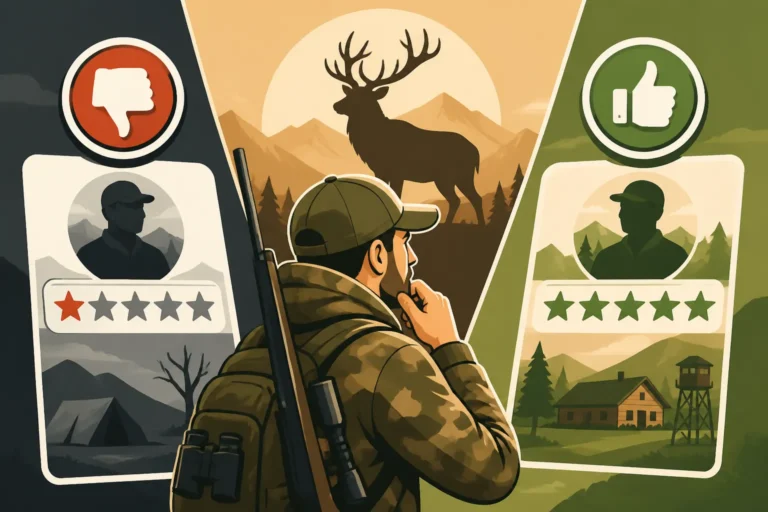
Start your search early, ideally a year or more in advance, especially for popular areas or seasons. Many experienced outfitters are booked solid. Online resources are a great starting point. Websites like BookYourHunt or GoHunt offer listings and reviews of outfitters across various regions, including Wyoming. These platforms can help you discover outfitters operating in the specific national forests or wilderness areas you're targeting.
Look for outfitters that specialize in pack trips or have a long history of operating in the remote backcountry. Check their permits and licensing with the Wyoming Board of Outfitters and Professional Guides. This board regulates all professional guiding services in the state and can provide valuable information about an outfitter's standing. Don't hesitate to ask for their license numbers and verify them. You can also explore options through general categories like Pack String Outfitters Working in Wyoming within larger directories.
Key Questions to Ask Before Booking
Once you have a shortlist, it's time to start making calls. Don't be afraid to ask detailed questions. Here's a table of important considerations:
| Question Category | Specific Questions to Ask |
|---|---|
| Outfitter Experience | How long have you been operating pack trips in this specific unit/area? |
| What is your experience with the target game species (e.g., elk, mule deer) in this terrain? | |
| Can you provide references from past pack trip clients? | |
| Logistics & Services | What exactly is included in the pack trip (e.g., horses, wranglers, camp setup, food, water)? |
| What are the weight/size limits for my gear? How many duffel bags can I bring? | |
| What is the typical daily riding distance to camp? | |
| What is your policy for packing out game? Is there an extra charge for a second trip? | |
| How is communication handled once I'm in camp (e.g., satellite phone, InReach)? | |
| Safety & Emergencies | What is your emergency communication plan? |
| What certifications (e.g., WFR, WEMT) do your wranglers/guides hold? | |
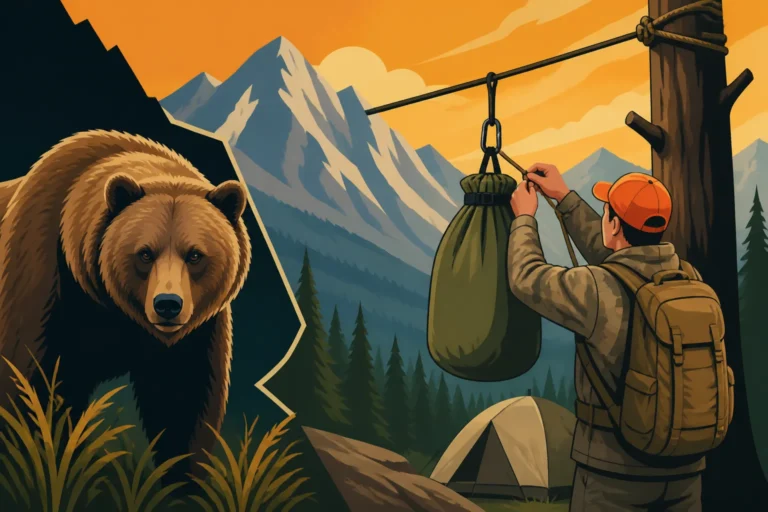
| What is your protocol for bear encounters, especially if operating in grizzly country? | |
| Booking & Payment | What are your deposit and cancellation policies, particularly if I fail to draw a tag? |
| What is the total cost, and are there any hidden fees (e.g., conservation stamps, trophy fees for guided portions)? | |
| What insurance do you carry, and what liability waivers are required? |
Beyond these, discuss your specific hunting goals. Do you want to hunt elk during the rut with bugles, or later in the season for colder weather animals? Are you looking for a specific type of terrain, like open basins for glassing or dark timber for still hunting? Being clear about your expectations helps the outfitter gauge if their services are a good fit. Remember to also inquire about their success rates, but always take those with a grain of salt, as they can be influenced by many factors.
A wilderness pack trip into Wyoming's vast backcountry offers an unparalleled hunting adventure, providing access to remote areas and a truly immersive experience. While demanding, the rewards of solitude, unpressured game, and an unforgettable journey into the wild make it a dream for many. With careful planning and the right outfitter, that dream can absolutely become a reality.
Disclaimer
This article is for general informational purposes only and does not constitute professional advice. Laws, prices and regulations vary by location and change over time. Consult a qualified professional for guidance on your specific situation.