When the Elk Rut Actually Peaks Out West
If you've ever tried to nail down the precise moment the elk rut "peaks" out West, you've probably felt like you're chasing a phantom. It's one of those questions that seems simple on the surface but quickly becomes incredibly complex, leading to a lot of frustration for hunters trying to plan their precious time in the field. This guide is here to break down the reality of elk rut timing in Wyoming, offering you a clearer picture of what to expect and how to adapt your hunting strategy for success.
The Dynamic Factors Influencing Elk Rut Timing
Hunting elk during the rut is the dream for many of us, filled with the promise of roaring bugles and active bulls. But pinning down the "peak" isn't as simple as circling a date on the calendar. The timing of the rut, that magical period of intense breeding activity, is actually a complex dance influenced by a variety of environmental and biological factors. Understanding these nuances is crucial for any hunter, especially when trying to decipher the intricacies of Wyoming's vast and varied elk country. Forget what you read in a generic magazine; the West, and especially Wyoming, has its own rhythm.
Geographic and Elevation Differences Across Wyoming
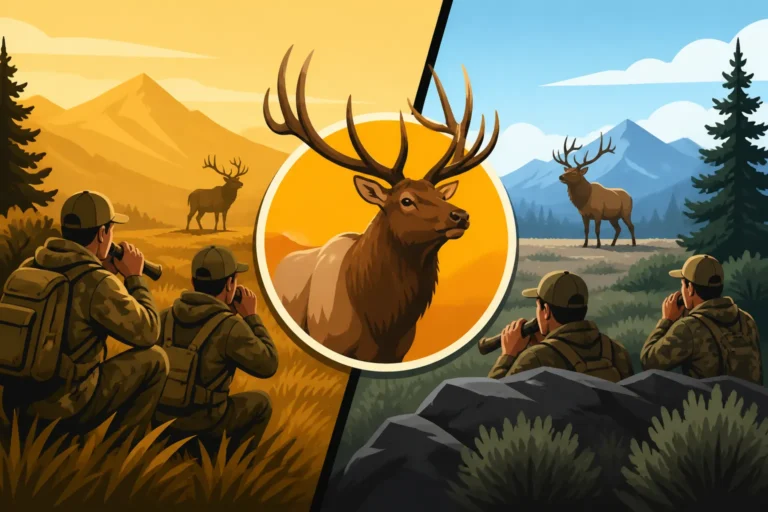
One of the biggest misconceptions is that the rut occurs at the same time everywhere. In reality, geography plays a huge role. Elk herds at higher elevations or in more northern latitudes often experience their peak rut a bit later than those in lower, more southerly areas. Think about the massive difference between chasing elk in the high country of the Bridger-Teton National Forest compared to lower, more accessible river bottom areas. The crisp, cold air of the mountains in late September can trigger rutting behavior while lower elevations might still be in a "pre-rut" phase.
For example, a bull elk in the higher reaches of the Bighorn Mountains might not hit his vocal peak until well into the last week of September or even early October, simply because the seasonal changes arrive later there. Conversely, a herd in a unit with less extreme elevation, closer to the prairie, might start bugling hard in mid-September. This variation means that hunters truly need to study the specific hunt area they've drawn a tag for. It's not a one-size-fits-all situation, and trying to apply a general "rut peak" date to all of Wyoming will often leave you disappointed.
The latitude and elevation directly affect forage quality and the onset of colder temperatures, which are key biological triggers for the rut. While testosterone levels in bulls are building internally, external cues like a significant drop in temperature or a shift in daylight hours really kick things into high gear. If you're looking at an area that's slow to cool down, expect the rut to be a bit slower to ignite, too. This is where detailed E-Scouting a Unit Before the Season Opens becomes invaluable, allowing you to understand the terrain and elevation shifts that might impact rut timing.
Weather's Role in Rut Activation
We've all heard the stories: "The rut just turned on with that cold snap!" And there's a lot of truth to it. While declining daylight hours are the primary biological trigger for testosterone production in bulls, actual rut activity – the bugling, chasing, and herding – is heavily influenced by immediate weather conditions. A sudden cold front, especially one that brings a dusting of snow, can electrify an elk herd that might have been relatively quiet just days before.
Warm, stagnant weather, on the other hand, can put a damper on things, even if the calendar says it should be prime rut. Bulls might still be with cows, but they'll be less vocal and move less during daylight hours, saving their energy for the cooler parts of the day or night. It's a matter of conservation; a bull expends immense energy during the rut, and pushing hard in unseasonably warm temperatures could lead to overheating and exhaustion. This often leads hunters to believe the rut is "late" or "over," when in reality, it's just temporarily subdued.
Conversely, a prolonged period of cool, damp weather can extend the perceived peak activity, making it feel like the rut lasts longer than it might during a season of extreme temperature fluctuations. Hunters often focus on the spectacle of bugling, but the actual breeding can occur with less fanfare. The ideal conditions for consistent, visible rut activity are usually cool mornings, mild days, and cold nights, perhaps with a touch of moisture. This kind of weather encourages movement and vocalization, making it feel like the rut is "on."
Herd Health and Dynamics
The overall health and composition of an elk herd also play a significant, though often overlooked, role in how and when the rut expresses itself. In areas with a healthy bull-to-cow ratio and a good age structure among the bulls, the rut tends to be more intense and drawn out. There's more competition among bulls, leading to more vocalization, more challenging, and more visible displays of dominance.
Conversely, in areas with a low bull-to-cow ratio, or where trophy hunting pressure has skewed the age structure towards younger bulls, the rut can sometimes seem less dramatic. Mature herd bulls might be fewer, meaning less intense competition for cows. Or, if there are many satellite bulls, they might be more opportunistic, trying to breed cows on the fringes without engaging in the loud, challenging bugle battles we all dream of hearing.
Population density can also affect things. In very dense herds, competition is naturally high, and bulls are constantly interacting. In sparser populations, interactions might be less frequent, and thus, less audible to hunters covering large tracts of country. Understanding The Wyoming Elk Population Estimate Explained for your chosen unit can give you valuable insight into what kind of rutting activity you might reasonably expect.
Understanding the Phases of the Elk Rut
Instead of a single "peak" date, it's more accurate to think of the elk rut as a series of phases, each with its own characteristics and opportunities for hunters. This isn't just semantics; it fundamentally changes how you approach your hunt. Knowing which phase the elk are in allows you to adapt your calling and stalking strategies, increasing your chances of success. No two seasons are exactly alike, and no two hunt areas will progress through these phases at precisely the same rate, but the general pattern holds true across most of the West.
The Pre-Rut: Warm-up for the Action
The pre-rut typically kicks off in late August and runs through the first couple of weeks of September in many Wyoming units. This is when bulls start to shed their velvet and become more aggressive. They're establishing dominance hierarchies, sparring with rivals, and starting to gather cows. Vocalization is present, but it's usually not the full-throttle bugling of the peak rut. You'll hear locator bugles, challenges, and some grunting, but often spaced out, particularly during the middle of the day.
During this phase, bulls are actively looking for cows, but the cows aren't typically receptive to breeding yet. This can lead to some interesting hunting scenarios where a bull might respond strongly to a bugle or cow call, only to investigate briefly and then move on if he doesn't immediately find a receptive cow. Hunters often find success with aggressive calling during the pre-rut, as bulls are still trying to figure out where all the "ladies" are and assert their presence. However, they might be more wary than during the peak, making a closer approach challenging. It's a time for patience and observation, as the herds slowly coalesce.
You might also notice less wallowing during the early pre-rut compared to later phases. Bulls are still building up their reserves and often don't have the intense drive to mark their territory with mud and urine quite yet. This is a great time to be scouting, as you can often locate herds by glassing and identify travel patterns before the chaos of the peak rut descends. For bowhunters, this can be a fantastic time to get in on a bull before he's completely herd-bound.
The Peak Rut: When the Magic Happens
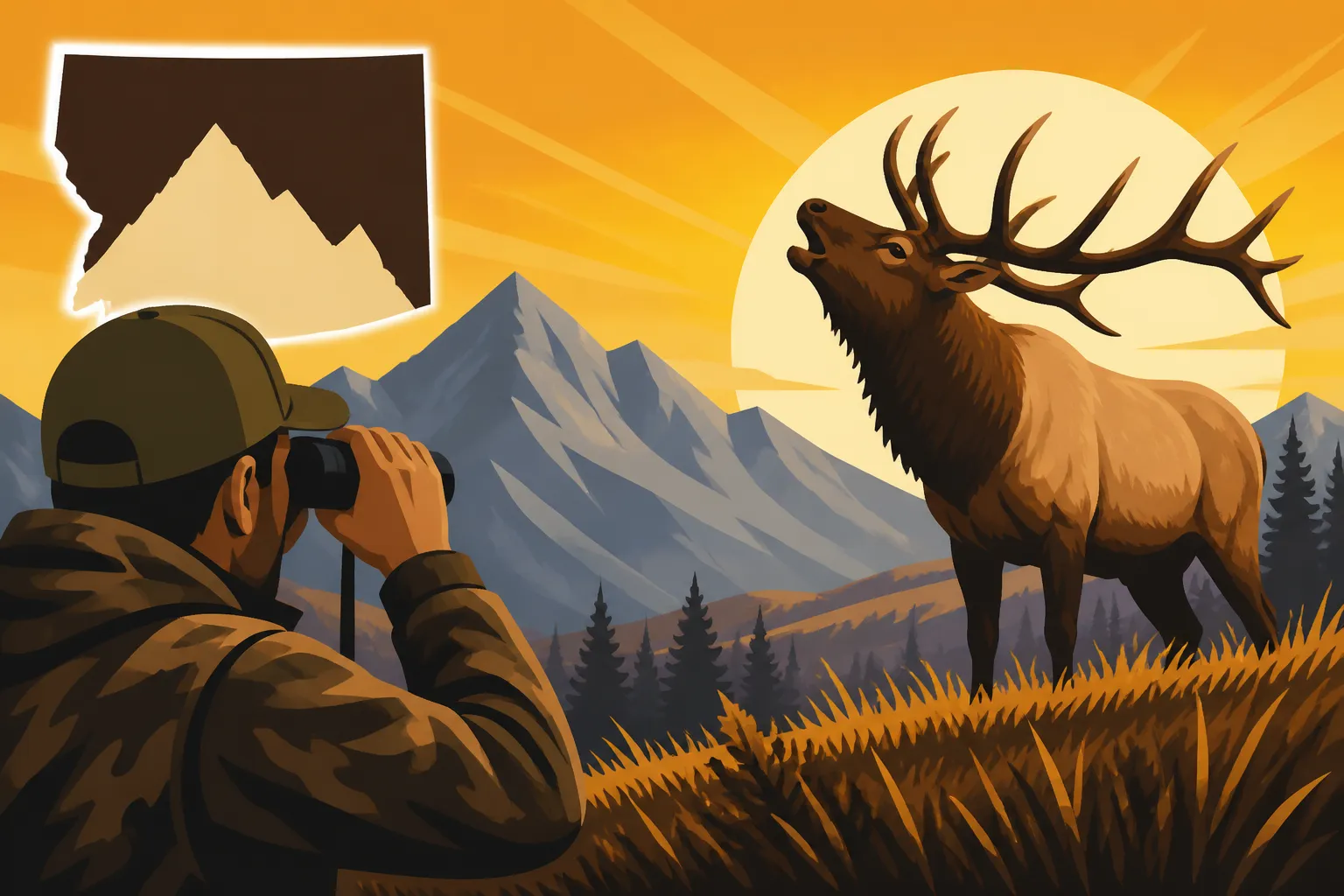
The peak rut is what most hunters envision when they think of elk hunting. In Wyoming, this generally falls between September 15th and September 30th, with the most intense activity often occurring in the last week of September. This is when the majority of cows come into estrus, and herd bulls are working overtime to breed them while fending off rival bulls. The woods come alive with constant bugling, chuckling, grunting, and the sounds of antlers clashing.
During the peak, herd bulls are extremely busy and often highly vulnerable. They are exhausted, hormone-driven, and often make mistakes they wouldn't otherwise. They'll typically respond aggressively to bugles, especially those that sound like a challenger encroaching on their harem. Cow calls also become incredibly effective as bulls are desperately trying to keep their cows together and attract any stragglers. This is the period when you have the best chance of hearing How to Bugle a Wyoming Bull Into Bow Range from across a canyon.
However, even within this peak window, there can be fluctuations. A really hot, dry spell can cause activity to dampen temporarily, pushing the most intense action into the cooler hours of dawn and dusk. Conversely, a good cold front can ignite a frenzy of bugling throughout the day. This phase is intense and physically demanding for both elk and hunters. Bulls will often be so focused on their cows that they become less cautious, allowing for aggressive setups and stalks. This is where your knowledge of Bugle and Cow Call Timing Through the Rut can make or break your hunt.
Here’s a general overview of Wyoming Elk Rut Timing:
| Rut Phase | Typical Dates (Wyoming) | Elk Behavior | Hunting Strategy Considerations | Vocalization Intensity |
|---|---|---|---|---|
| Pre-Rut | Late Aug – Mid-Sep | Bulls shed velvet, spar, gather cows, some bugling | Aggressive calling can draw curious bulls, focus on scouting | Moderate |
| Peak Rut | Mid-Sep – Late Sep | Intense breeding, constant bugling, herd-bound bulls | Aggressive calling, cow calls, ambush herd bulls, capitalize on bull vulnerability | High |
| Post-Rut | Early Oct – Mid-Oct | Breeding winds down, bulls recover, satellite bulls active | Focus on satellite bulls, quiet stalks, look for smaller groups | Low to Moderate |
The Post-Rut: Winding Down and Recovery
As October rolls in, the peak rut begins to wind down. Most of the cows have been bred, and the intense, frantic energy starts to dissipate. Herd bulls are utterly exhausted; they've lost significant body weight and are more interested in feeding and recovering than fighting. Bugling becomes less frequent and less aggressive, especially from the dominant herd bulls.
However, the post-rut can still offer good hunting opportunities, particularly for those willing to adapt their tactics. Many satellite bulls, who were kept at bay by the dominant herd bulls during the peak, now have a chance to find any remaining unbred cows. These younger or less dominant bulls can sometimes be quite responsive to cow calls or even a lone bugle, as they are still looking for action. This is also a time when you might find smaller, quieter groups of elk, as the large herds begin to break up.
Hunting during the post-rut often requires a shift from aggressive calling to more subtle tactics. You might focus more on glassing and still-hunting, trying to locate quieter bulls feeding and recovering. This is when patience pays off, and understanding how to effectively locate animals by Reading Fresh Elk Sign in Dark Timber becomes paramount. The focus shifts from the spectacle of the rut to more traditional spot-and-stalk or still-hunting techniques. Don't write off early October just because the roaring has quieted; there are often still opportunities for the persistent hunter.
Practical Implications for Wyoming Hunters
Understanding the nuances of the elk rut is more than just academic knowledge; it has direct, practical applications for planning and executing a successful hunt in Wyoming. From when you apply for your tag to the tactics you employ in the field, knowing the potential rut timing and its variables can significantly impact your experience. This is where the rubber meets the road, translating all that biological insight into boots-on-the-ground strategy.
Planning Your Wyoming Hunt Strategy
The first step in leveraging rut timing is when you actually apply for your tag. Most archers in Wyoming are trying to hit that sweet spot of the peak rut, which means planning for a hunt during the last two weeks of September. Rifle seasons often open shortly after or overlap, giving those hunters a crack at post-rut activity. Remember, Wyoming Elk Season Dates Are Set Hunt Area by Hunt Area, so carefully research the specific unit you're interested in for its opening and closing dates.
If you're a nonresident, you'll be well aware that Wyoming Nonresident Elk Applications Close in Early February. This means you're making your application decision months before you can predict the exact weather conditions that will influence the rut. This is precisely why it's so important to have a deep understanding of historical rut timing for your chosen unit, and to be flexible with your expectations. Don't assume September 25th will be the magical day everywhere, every year.
Using tools like GoHunt's research platform can be incredibly helpful here. They often provide historical harvest data, draw odds, and unit breakdowns that can give you a better sense of when other hunters have found success in specific areas, aligning with expected rut peaks. Planning for the rut also means considering the physical demands. Hunting hard-bugling elk during their most active period means covering a lot of ground and being ready to move quickly. Ensure you're physically prepared for Preparing for Altitude on a Wyoming Hunt if you're chasing high-country bulls.
Reading the Signs in the Field
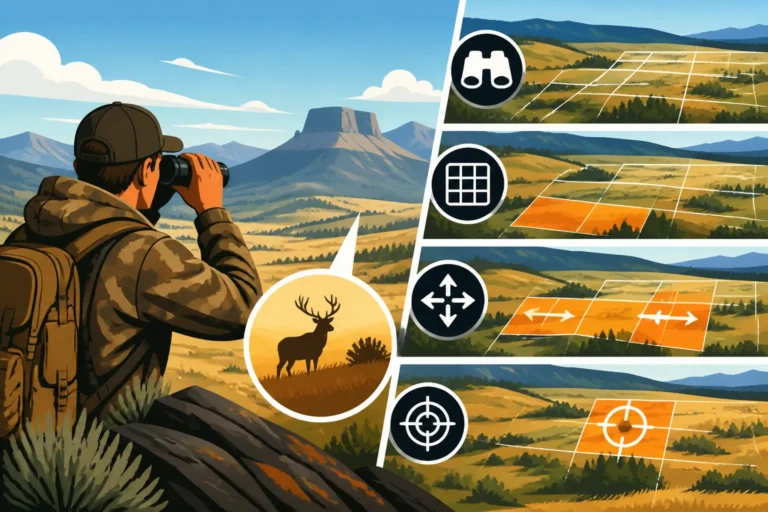
Once you're actually in your Wyoming hunting unit, your job is to become a detective, constantly reading the subtle and not-so-subtle signs the elk are leaving. This means paying close attention to vocalizations, fresh sign, and elk behavior. Are you hearing sporadic bugles, mostly at dawn and dusk, with bulls still in bachelor groups? You're likely in the pre-rut. This might call for more aggressive locator bugles and patient glassing to pinpoint where the cows are starting to gather.
When you start hearing constant bugling throughout the day, especially from multiple bulls, and you see fresh rubs, wallows, and herds of cows being aggressively managed by a herd bull, you know you're smack in the middle of the peak rut. This is the time for bold moves, using both bugles and cow calls to draw bulls into How Close a Bowhunter Really Needs to Get. Don't be afraid to get aggressive, but always be mindful of wind direction and terrain, as elk at this stage are still incredibly wary, despite their hormone-driven state.
If the bugling has died down, but you still see satellite bulls trying to peel off cows, or lone, exhausted herd bulls feeding intensely, you've likely moved into the post-rut. Your tactics should shift to quiet stalking, looking for smaller groups, and using subtle cow calls to entice any remaining unbred cows or opportunistic younger bulls. This adaptability is key. A hunter who tries to hunt the post-rut with peak-rut aggression will often be frustrated. Utilizing resources like The Wyoming Hunt Planner can help you scout and understand terrain features that might concentrate elk during different rut phases.
Disclaimer
The information provided in this article is for general guidance and informational purposes only. Hunting regulations, seasons, and animal behaviors can change. Always consult the most current Wyoming Game and Fish Department regulations and official sources before planning and embarking on any hunting trip. Compliance with all applicable laws and safety guidelines is the sole responsibility of the hunter.