How the Seven-Eighths Inch Ring Test Works
One of the most frustrating things for any bowhunter, especially when you're preparing for a big hunt out in Wyoming, is getting tripped up by gear regulations. You've spent countless hours practicing, scouting, and dreaming of that perfect shot, only to wonder if your broadheads even pass muster with the game warden. Navigating the rules around broadhead legality, particularly for mechanical heads, can feel like walking a tightrope, but understanding Wyoming's 7/8-inch cutting width requirement, often colloquially called the "ring test," is absolutely essential for a legal and ethical hunt. This guide will walk you through exactly what this rule means, how to ensure your broadheads comply, and why it's so important for a humane harvest.
Understanding Wyoming's Broadhead Regulations
Wyoming takes its archery hunting regulations seriously, and for good reason. The goal is always to promote ethical hunting practices that lead to quick, humane harvests. This means ensuring that the equipment you use is capable of delivering maximum efficiency and effectiveness. Broadheads are at the very heart of this, as they are the part of your arrow designed to create the wound channel necessary for a clean kill.
The Core Rule: Minimum Cutting Diameter
Let's cut right to it: Wyoming regulations specify that any broadhead used for big game must have at least two cutting edges and a cutting width of not less than seven-eighths (7/8) inch. This isn't just a suggestion; it's a hard and fast rule. Whether you prefer fixed-blade broadheads or mechanical designs, this 7/8-inch minimum cutting width applies across the board. The reasoning behind this is straightforward: a wider cutting width generally translates to a larger wound channel, increasing the likelihood of hitting vital organs and causing significant blood loss, which is crucial for a rapid and ethical take down of an animal. Without this minimum, you risk a broadhead that creates too small a wound, leading to a long, drawn-out chase and potentially a lost animal.
Why the 7/8-Inch Ring Test Exists
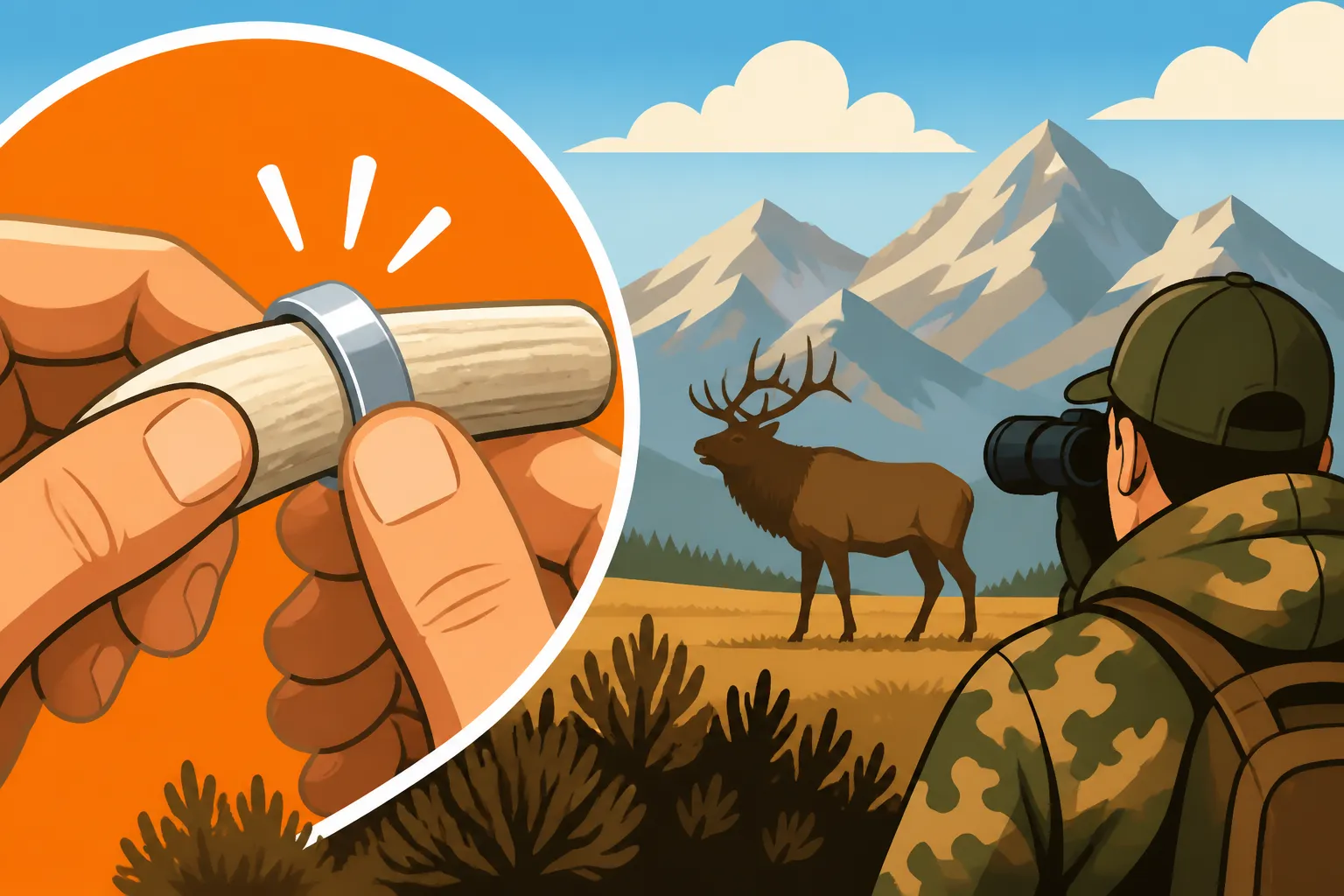
While the regulation explicitly states "cutting width of not less than 7/8 inch," the "ring test" is the practical method many game wardens and experienced hunters use to quickly assess compliance in the field. Imagine a metal ring, precisely 7/8-inch in inner diameter. The idea is that if your broadhead, in its ready-to-shoot configuration, can pass through that ring without its cutting edges engaging or being wider than the ring, it likely fails the minimum cutting width requirement.
This isn't about the maximum cutting diameter your mechanical broadhead achieves once it's fully deployed inside an animal. It’s about the minimum cutting width presented to the animal at the moment of impact. For a fixed blade, it's pretty obvious: measure from the widest point of one cutting edge to the widest point of another. For mechanicals, this is where the confusion often comes in, and the ring test becomes a simple, albeit sometimes misunderstood, verification tool. It's a quick, visual check to ensure that the initial impact creates a wound channel of sufficient size to begin with, rather than just puncturing like a field point and then expanding.
Applying the 7/8-Inch Ring Test to Your Broadheads
The practical application of the 7/8-inch rule varies slightly depending on whether you're shooting fixed-blade or mechanical broadheads. Understanding these nuances is critical to avoiding any unwanted surprises when you're out in the field.
Fixed Blade Broadheads and the Test
For most traditional fixed-blade broadheads, complying with the 7/8-inch cutting width rule is usually quite straightforward. These broadheads have static blades that present their full cutting width from the moment of impact. To check compliance, you simply measure the distance from the outermost point of one cutting edge to the outermost point of an opposing cutting edge. If that measurement is 7/8 inch or greater, you're good to go.
Many popular fixed-blade designs, such as those from Muzzy, G5 Montec, or Exodus, easily meet this criterion, often exceeding it with cutting widths of 1 inch or more. The challenge with fixed blades typically isn't meeting the minimum width, but rather ensuring they fly true with your bow setup. However, it's always worth a quick check, especially with smaller or more compact fixed-blade designs, just to be absolutely certain before you head out. Don't assume; measure. For a deeper dive into the types of broadheads allowed, check out our guide on Fixed and Expandable Heads Under Wyoming Rules.
Mechanical Broadheads and the Test
This is where the waters can get a little murky, and it's where many bowhunters express frustration and confusion. The 7/8-inch rule for mechanical broadheads refers to the cutting width that the broadhead presents at the moment of impact, before or as its blades deploy. It is not simply about the impressive 1.5-inch or 2-inch cutting diameter your mechanical might achieve once it's fully opened inside an animal.
Think about it this way: if your mechanical broadhead, in its folded or un-deployed state, has cutting edges so tucked away that the widest part of its cutting surface measures less than 7/8 inch, it effectively acts like a field point for the initial part of penetration. Wyoming's regulation is designed to prevent this, ensuring that the initial wound channel is substantial enough for a humane kill. So, when applying the "ring test" to a mechanical, you're looking to see if the broadhead's overall width, specifically the span of its cutting edges even when retracted, is at least 7/8 inch. If the blades are so streamlined that the entire broadhead (including its retracted blades) can slip through a 7/8-inch ring without any cutting edge contact, it likely fails the "cutting width" stipulation.
Many modern mechanical broadheads are designed with this in mind, ensuring that even in their un-deployed state, their ferrule or the leading edges of their blades are wide enough to meet or exceed the 7/8-inch minimum. Brands like Rage's chisel tip or certain G5 Deadmeat models typically pass because their design ensures a substantial impact profile. However, some older, very compact, or heavily swept-back designs might run into issues. Always double-check your specific model. Remember, the game warden isn't going to let you "deploy" your broadhead into the air to prove its expanded width. They'll be looking at its static, in-flight configuration. If you're wondering about the general legality of these types, our post on Are Expandable Broadheads Legal in Wyoming? provides more context.
How to Perform the Ring Test Yourself DIY Check
To save yourself potential heartache and a citation in the field, it's a good idea to perform your own "ring test" at home. You can often find a suitable 7/8-inch diameter washer or nut at a hardware store. Another option, and perhaps more reliable, is to purchase a dedicated broadhead measurement tool, sometimes available from archery shops or online, that provides specific apertures for various state regulations. Many informed hunters also share their findings and experiences on platforms like GoHunt, which can be a valuable resource for cross-referencing.
Here’s how to do it:
- Obtain a 7/8-inch ring: Ensure its inner diameter is precisely 7/8 inch.
- Mount your broadhead: Thread your broadhead onto an arrow shaft, just as you would for hunting.
- Attempt to pass it through: Gently try to push your broadhead through the 7/8-inch ring.
- Observe:
- Fixed Blades: The broadhead's cutting edges should not pass through the ring. If the blades hit the edge of the ring and stop, or are wider than the hole, it passes.
- Mechanical Broadheads: The key here is the cutting edges. If the broadhead passes through the ring without its cutting edges engaging, meaning the cutting surface is recessed or too narrow to impact the 7/8-inch opening, it generally fails. If the retracted blades or the ferrule with cutting edges still exposed are wider than 7/8 inch, it passes.
This simple test, when understood correctly, will give you a clear indication of whether your broadhead meets the minimum cutting width requirement. Always check from different angles to account for any blade asymmetries.
Practical Implications and Common Misconceptions
Understanding the nuances of the 7/8-inch rule extends beyond just passing a quick test; it's about the ethics of hunting and the responsibility we carry as outdoors enthusiasts.
Why This Rule Matters for Ethical Hunting
At its core, the 7/8-inch broadhead rule in Wyoming, much like regulations requiring a minimum draw weight for deer hunting, is about promoting ethical and humane harvesting. A broadhead that doesn't meet the minimum cutting width could result in a superficial wound, leading to an injured animal that suffers unnecessarily and is difficult, if not impossible, to recover.
A wide enough wound channel is paramount for several reasons:
- Vitals Damage: A broader cut increases the likelihood of severing major arteries, veins, or directly damaging vital organs like the heart and lungs.
- Blood Trail: A larger wound typically produces a more profuse and consistent blood trail, which is absolutely critical for tracking and recovering an animal, especially in the vast, rugged terrain of Wyoming.
- Quick Harvest: The ultimate goal is a swift and humane death. Equipment that maximizes efficiency in this regard is a mark of a responsible hunter.
Ignoring this rule not only puts you at risk of a citation but, more importantly, compromises your ethical responsibility to the animal.
Common Broadheads and Their Compliance
Many of the most popular broadheads on the market today are designed with state regulations like Wyoming's 7/8-inch rule in mind. For fixed blades, you'll find that brands like Iron Will, QAD Exodus, and even traditional Zwickey or Bear broadheads generally exceed this minimum with ease. Their robust, unchanging profiles ensure compliance.
For mechanical broadheads, the story is similar for many modern designs. Brands such as Rage (with models like the Hypodermic or Trypan), Grim Reaper, and G5 Deadmeat are widely used in Wyoming and are generally compliant. They achieve this either by having a ferrule that, even with retracted blades, is at least 7/8 inch wide, or by ensuring that the exposed cutting edges (even when tucked back) meet the minimum width.
However, there can be exceptions. Some very compact mechanicals, particularly older designs or those marketed primarily for smaller game, might fall short. The key takeaway is: never assume. Always check the specifications of your broadhead, and if in doubt, perform the ring test. This is also why resources like GoHunt forums and product reviews are so valuable, as experienced hunters often share which broadheads they've successfully used in different states. If you're interested in the performance aspect, you might want to read about The Minimum Cutting Width a Broadhead Must Make.
Beyond the Ring Test: Other Broadhead Considerations
While the 7/8-inch cutting width is a crucial regulatory hurdle, it's just one piece of the broadhead puzzle. A truly effective and ethical broadhead involves a combination of factors:
- Blade Sharpness: Razor-sharp blades are non-negotiable. They slice cleanly through tissue, causing maximum damage with minimal force. Dull blades tear and bruise, hindering penetration and causing unnecessary suffering. Always ensure your broadheads are sharpened or replaced before each hunt.
- Durability and Construction: Your broadhead needs to withstand impact with bone without bending, breaking, or having blades fall off. A flimsy broadhead can fail catastrophically at the moment of truth. Look for sturdy construction and reliable blade retention.
- Flight Characteristics: A broadhead must fly true with your arrow and bow setup. Many hunters spend countless hours tuning their bows to ensure their broadheads hit the same spot as their field points. A broadhead that doesn't fly well negates all other advantages.
- Arrow Weight and FOC (Front of Center): The broadhead's weight contributes significantly to your overall arrow weight and its front-of-center balance. Heavier arrows with good FOC generally penetrate better, which is vital for tough-skinned animals like elk or moose. Our article on Arrow Weight That Gets Through an Elk covers this in more detail.
Considering all these factors in conjunction with the 7/8-inch rule will ensure you're as prepared as possible for your Wyoming archery hunt. Keep in mind that a broadhead can pass the ring test and still be a poor choice if it doesn't meet these other critical criteria. If you want to know more about what might not be allowed, check out Broadheads That Fail the 7/8-Inch Ring Test.
Staying Compliant and Avoiding Costly Mistakes
The last thing any hunter wants is to face legal trouble or, worse, compromise an ethical harvest due to a misunderstanding of the rules. Being proactive and informed is your best defense.
Researching Your Gear Thoroughly
The responsibility for knowing and complying with Wyoming's hunting regulations rests squarely on your shoulders. While this guide offers comprehensive information, it should always be your starting point, not your sole source. Here's how to stay diligent:
- Consult the Wyoming Game & Fish Regulations: Every year, the Wyoming Game and Fish Department (WGFD) publishes detailed regulations. Always check the most current year's archery regulations for any updates or clarifications. These are the definitive source.
- Manufacturer Specifications: Look up the official specifications for your broadheads. Many reputable broadhead manufacturers will explicitly state the cutting width of their products.
- Hunter Forums and Communities: Online platforms, including specialized hunting communities like GoHunt, can be excellent places to ask questions and learn from the experiences of other Wyoming bowhunters. Often, you'll find discussions where specific broadhead models are vetted against state regulations.
- Contact Manufacturers or WGFD Directly: If you're still unsure about a particular broadhead, don't hesitate to reach out directly to the broadhead manufacturer or even the WGFD for clarification. It’s always better to ask beforehand than to face consequences later.
Remember, game wardens are the final authority in the field. What a manufacturer says or what an online forum suggests is secondary to the WGFD's interpretation and enforcement.
Field Checking and Warden Encounters
Picture this: you've just made a perfect shot on a beautiful Wyoming mule deer, and as you're tagging it, a game warden approaches. This is a common and usually positive interaction, but it's also when your gear might be inspected. Being prepared means having your broadheads compliant and being able to demonstrate that compliance if asked.
Here's what to expect and how to handle it:
- Be Prepared: Know your broadheads. Have confidence that they meet the 7/8-inch cutting width rule. If you carry a spare broadhead, make sure it's also compliant.
- Be Cooperative and Respectful: Game wardens are doing their job. A calm, cooperative attitude goes a long way. Answer their questions honestly.
- Demonstrate Compliance (if necessary): If a warden questions your broadhead, you might be asked to show it or even participate in a field test using a small measuring device they might carry. Your ability to calmly explain why you believe your broadhead is legal, perhaps even pointing to manufacturer specs if you have them handy (though unlikely in the field), can be helpful.
- Consequences of Non-Compliance: Using illegal equipment can lead to severe penalties. These can include fines, confiscation of your equipment, revocation of your hunting license, and forfeiture of any harvested game. It's a costly mistake both financially and ethically. Ensure you also have other required documentation, like your hunter education certification, on hand, as discussed in our post Carrying Proof of Certification in the Field.
The bottom line is to take the time to truly understand Wyoming's broadhead regulations. The 7/8-inch rule is not meant to complicate your hunt but to ensure that the pursuit of big game is conducted as ethically and humanely as possible. Choose your broadheads wisely, verify their compliance, and enjoy the incredible hunting opportunities Wyoming has to offer!
Here's a quick overview of how the 7/8-inch rule typically applies:
| Broadhead Type | Cutting Width Requirement | How to Check Compliance | Common Pitfalls (Mechanicals) |
|---|---|---|---|
| Fixed Blade | Must have at least two cutting edges and a cutting width of not less than 7/8 inch. | Measure widest point of cutting edge to opposing edge. Should be >= 7/8 inch. | Very few; mostly ensuring measurement meets minimum. |
| Mechanical | Must have at least two cutting edges, and the cutting width at initial impact must be not less than 7/8 inch. | Perform the "ring test": broadhead (in its un-deployed, in-flight state) must engage/not pass through a 7/8-inch hole with its cutting edges. | If blades retract too much, making the initial cutting surface less than 7/8 inch, it fails. Not about expanded diameter. |
Disclaimer
The information provided in this guide is for general informational purposes only and does not constitute legal advice. Hunting regulations can change, and interpretations may vary. Always consult the official Wyoming Game and Fish Department regulations for the current year and, if necessary, contact the WGFD directly for clarification on specific rules or equipment. Adherence to all local, state, and federal hunting laws is the responsibility of the individual hunter.