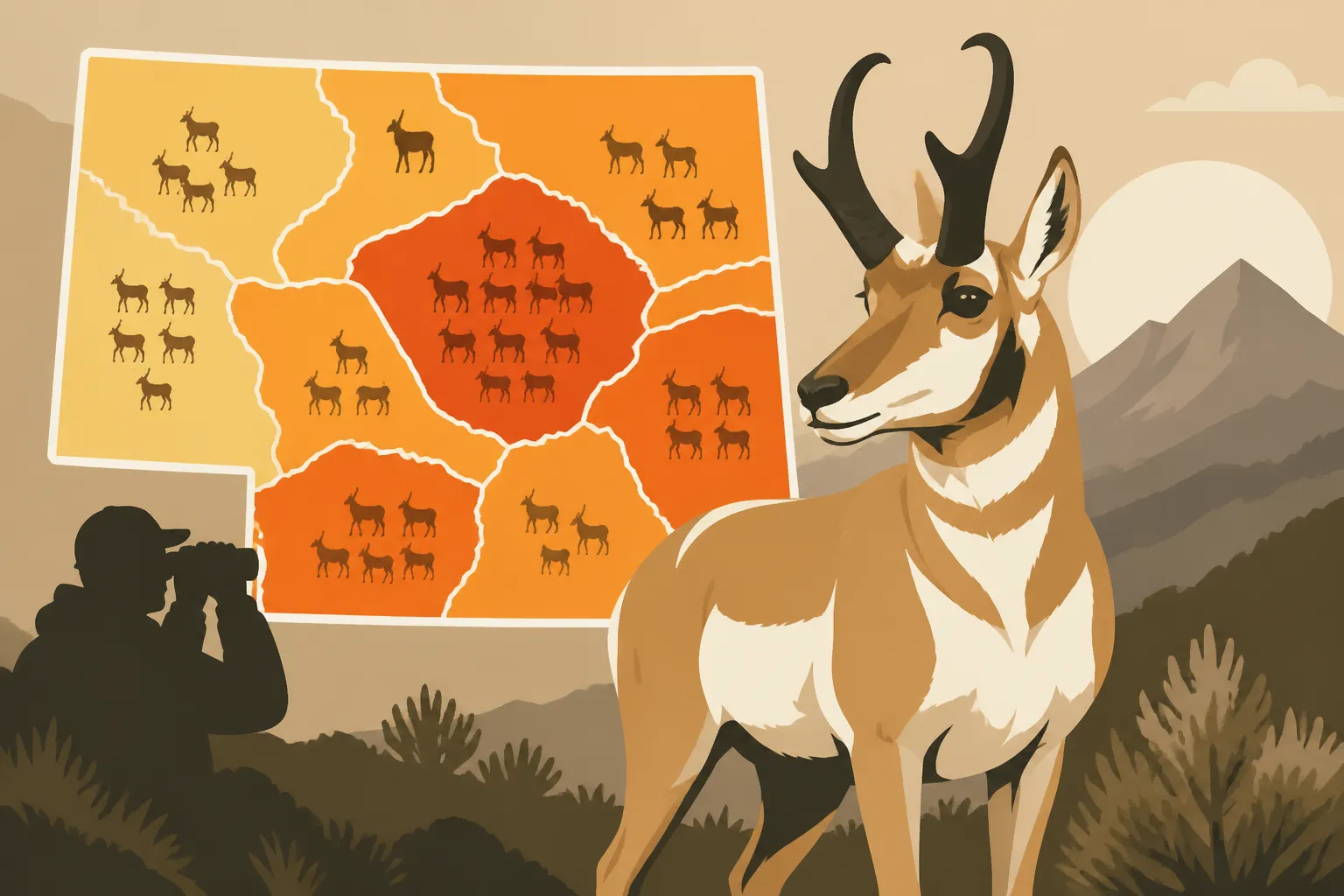
Wyoming Antelope Unit Density
Hunting antelope in Wyoming is an experience unlike any other, but trying to figure out where to focus your efforts can feel like searching for a needle in a haystack. Many hunters get overwhelmed by the sheer number of hunt units and the ever-present question: where are the antelope actually dense? This guide is here to untangle the complexities of Wyoming's antelope unit density, helping you understand where these magnificent animals thrive and how to pinpoint those prime hunting grounds for a truly memorable adventure.
Understanding Wyoming's Antelope Unit System
When you first look at a Wyoming hunt map, it can feel like a maze of numbers and lines. But there's a method to the madness, especially when it comes to antelope. Understanding how these units are designed and what they represent is the first step toward finding those areas with high pronghorn concentrations.
How Hunt Areas Are Delineated
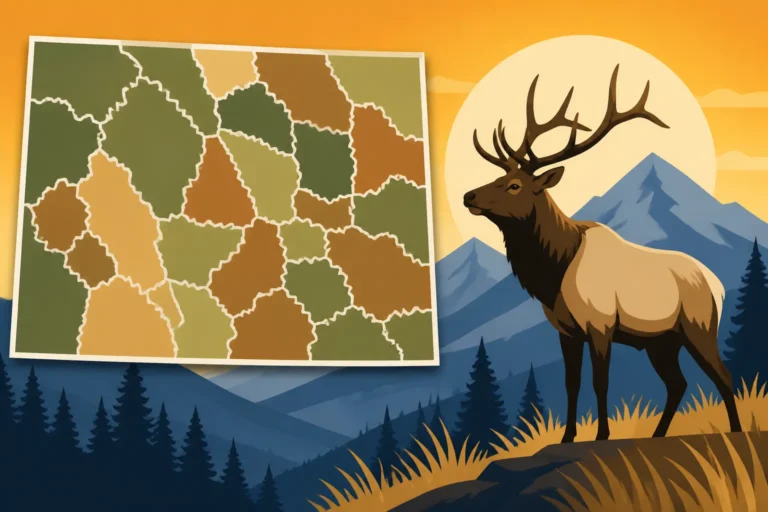
Wyoming's Game and Fish Department divides the state into specific "hunt areas" for each big game species, including antelope. These aren't just arbitrary lines on a map; they are carefully drawn boundaries based on a multitude of factors, primarily the biology and management needs of the local herd. For antelope, these units often encompass distinct herds or portions of larger migratory populations. You'll notice they follow geographical features like major rivers, mountain ranges, or distinct habitat changes, making them somewhat intuitive once you get used to them. Each unit is given a unique number, like Antelope Unit 55 or Unit 78, and these numbers are critical for applying for licenses and understanding regulations. Knowing How Wyoming Numbers Its Hunt Areas is a fundamental skill for any hunter navigating the state's vast hunting opportunities.
The Purpose of Antelope Management Units
The primary goal behind delineating these units is effective wildlife management. By creating specific units, the Game and Fish Department can tailor harvest quotas, season dates, and license types to the health and population objectives of that particular local herd. If one area has a thriving, robust antelope population, managers might issue more licenses or offer longer seasons. Conversely, if a unit's herd is struggling, perhaps due to harsh winters or habitat loss, quotas might be significantly reduced or seasons shortened to allow for recovery. This unit-specific approach ensures that hunting pressure is distributed appropriately and that populations remain sustainable statewide. For hunters, this means that understanding the unit's management objectives can give you clues about its overall population health and, consequently, its density.
Connecting Unit Numbers to Geography
While the numbers might seem abstract, they directly correlate to specific geographic regions. Unit 78, for instance, might cover a vast expanse of rolling sagebrush country in central Wyoming, while Unit 55 could be a mix of agricultural fields and open prairie further east. It's crucial not just to know the number, but to visualize the terrain and habitat types within that unit. This helps you understand why antelope might be concentrated there. A unit that boasts extensive, healthy sagebrush, mixed with low-lying plains and reliable water sources, is inherently more attractive to antelope than a unit dominated by dense timber or highly fragmented private land. Mapping tools, like those offered by onX Hunt, become invaluable here, allowing you to overlay hunt unit boundaries onto satellite imagery and topographic maps to truly grasp the landscape you're considering. Reading an Antelope Hunt Unit Map becomes second nature once you start connecting those numbers to the actual ground.
Factors Influencing Antelope Density
Antelope, often called pronghorn, are creatures of habit and environment. Their density in any given unit isn't random; it's a direct reflection of several key ecological factors. Understanding these elements can help you predict where you'll find higher concentrations of these speedy plains dwellers.
Habitat and Forage Quality
Pronghorn are highly adapted to arid, open rangelands, and the quality of this habitat directly dictates their numbers. They thrive on a diverse diet of forbs, grasses, and, crucially, sagebrush. Sagebrush provides not only food but also crucial cover during harsh weather and fawning season. Units with vast, unbroken tracts of healthy sagebrush steppe, interspersed with other palatable plants, will naturally support more antelope than areas with fragmented habitat, invasive species, or heavily grazed pastures. Water sources, even if scattered, are also vital. Areas with consistent rainfall or natural springs and stock ponds will generally hold more animals. Conversely, units impacted by oil and gas development, extensive fencing, or monoculture agriculture might see lower densities due to habitat degradation and reduced forage diversity.
Winter Severity and Survival Rates
Wyoming winters can be brutal, and they play a massive role in shaping antelope populations. A mild winter often means high fawn survival and excellent overwintering success for adults, leading to an increase in population density in the following year. Conversely, a severe winter with deep, prolonged snow can lead to significant mortality, particularly among fawns and older animals. These events can drastically reduce antelope numbers in affected units for several years. For instance, after a particularly harsh winter, areas like the Red Desert or parts of the Green River Basin might see a noticeable dip in antelope density. It's a natural cycle, but one that hunters must consider when researching units. The ability of antelope to migrate to lower elevations or less snow-prone areas also plays a role in their survival, making units with access to diverse winter ranges more resilient.
Predator Impact and Management
While often not the primary limiting factor in healthy antelope populations, predation does play a role, especially on fawns. Coyotes, bobcats, and even eagles can take a toll on young pronghorn. In areas where predator populations are high, or where antelope populations are already stressed, this can contribute to lower densities. Additionally, in some parts of Wyoming, larger predators like mountain lions or even wolves (in the northwest part of the state) can occasionally prey on adult antelope. Wildlife managers consider these factors when setting quotas and assessing herd health, but generally, a robust antelope population can withstand typical levels of predation. Understanding predator dynamics within a unit can add another layer to your assessment of potential antelope density.
Top Wyoming Antelope Units for High Density
Wyoming is famous for its pronghorn, boasting the largest populations in North America. While antelope can be found in many corners of the state, certain regions and units consistently stand out for their sheer numbers. These are the places where you'll often see vast herds dotting the landscape.
Examining Central and Southwestern Regions
If you're looking for sheer numbers, your eyes should typically turn towards central and southwestern Wyoming. Areas like the Red Desert, the vast sagebrush plains of Carbon, Sweetwater, and Fremont counties, often contain some of the highest antelope densities. These regions offer expansive, open habitats perfectly suited for pronghorn, with miles of uninterrupted sagebrush, minimal fences in some areas, and sufficient water sources. The terrain allows antelope to utilize their incredible eyesight and speed, providing ample space for grazing and evading predators. It's in these regions that you can often spot dozens, if not hundreds, of antelope in a single glassing session, making for an incredible hunting experience. It's no wonder that Why Sweetwater County Pronghorn Numbers Are Climbing is a topic of keen interest to many hunters.
Notable Units for Abundant Herds
While specific unit performance can fluctuate year to year based on winter severity and other factors, certain units have a historical reputation for high antelope density. Generally, units in the high plains and basins away from major mountain ranges tend to excel. These are the units that often have very high license quotas for both bucks and does, indicating a robust population that can sustain a significant harvest.
For example, many units within the broad central and southwestern swaths of the state are known for their abundant herds. These areas encompass massive tracts of BLM land and state trust land, offering extensive public access where antelope roam freely. While I can't give you current year-specific data, looking at past quota numbers and harvest success rates for general areas can provide a strong indication of historical density. The key is to research the units in these regions and see which ones consistently have high herd objectives and liberal tag allocations. This usually points to a place where seeing antelope won't be an issue.
Interpreting Quota and Harvest Data
One of the best indicators of antelope density in a unit is the annual quota and harvest data released by Wyoming Game and Fish. A unit with a high number of available licenses, especially for doe/fawn tags, often signifies a healthy and abundant population that can withstand significant harvest pressure. Similarly, units with consistently high harvest success rates (e.g., 80% or higher for residents and non-residents) suggest that animals are plentiful and relatively accessible.
It's important to look at trends over several years, rather than just one. A single year's dip could be due to a particularly tough winter or reduced applications, rather than a permanent decline in density. Pay attention to the "Total Licenses Issued" and "Hunter Success Rate" columns in the historical reports. These numbers, when combined with population objective data, paint a clear picture of how many antelope are in a unit and how readily hunters are finding them. Understanding Where Wyoming Raised Its Antelope Quotas can be a direct indicator of where populations are growing and thriving.
Table: Factors Influencing Antelope Unit Density
| Factor | Impact on Antelope Density | Key Characteristics in High-Density Units |
|---|---|---|
| Habitat Quality | Direct correlation; prime habitat supports more animals. | Extensive sagebrush, diverse forbs/grasses, minimal fragmentation, water sources. |
| Forage Availability | Essential for nutrition and reproduction. | Abundant, nutritious vegetation throughout the year. |
| Winter Severity | Significant impact on overwinter survival. | Mild winters, accessible winter range, minimal deep snow. |
| Precipitation | Affects forage growth and water availability. | Consistent rainfall or reliable water sources like springs and stock ponds. |
| Predator Pressure | Can impact fawn survival; less impact on healthy adult herds. | Balanced predator-prey dynamics; robust antelope population. |
| Human Development | Fragmentation, fencing, and disturbance can reduce density. | Large, open tracts of land, less fencing, minimal disturbance. |
| Management Quotas | Reflects Game & Fish assessment of herd health. | Higher quotas, especially for antlerless tags, indicate high populations. |
Using Data and Tools to Identify High-Density Areas
In today's hunting world, we have access to incredible resources that can help us pinpoint high-density antelope units long before we ever set foot in Wyoming. Learning to leverage these tools is a game-changer for planning a successful hunt.
Analyzing Wyoming Game and Fish Reports
The Wyoming Game and Fish Department is a treasure trove of information. Every year, they publish detailed statistics on harvest success, license quotas, and population estimates for each hunt unit. This data is invaluable for understanding antelope density. You'll want to dig into the "Annual Job Completion Reports" or similar documents that break down herd health by unit. Look for:
- Population Estimates: While not always exact, these numbers give you a general idea of the herd size in a given unit.
- Harvest Success Rates: Consistently high success rates (say, 80% or more) for both resident and nonresident hunters often indicate a healthy, accessible population.
- License Quotas: Units with higher quotas, especially for doe/fawn tags, are typically managed for higher overall populations.
Comparing these metrics across multiple units and over several years provides a robust picture of where antelope are most abundant. Don't just glance at the latest year; look for trends. A unit that consistently shows high numbers is likely to be a good bet. The Wyoming Pronghorn Population Estimate Explained goes into more detail on how these numbers are derived.
Leveraging Mapping Applications
Once you've identified promising units through data analysis, it's time to hit the digital map. Tools like onX Hunt have revolutionized how hunters scout and plan. These apps allow you to:
- Overlay Public and Private Land: Antelope often prefer specific habitats that might span private ground. Understanding public access within a high-density unit is paramount. onX Hunt clearly delineates BLM, Forest Service, State Trust, and private lands, allowing you to identify huntable ground.
- Analyze Topography and Habitat: Use satellite imagery to identify prime antelope habitat like vast sagebrush flats, rolling hills, and potential water sources. Antelope will be concentrated where their food and water are.
- Identify Access Points: Pinpoint roads, two-tracks, and trailheads that lead into public land within your target unit. Knowing how to get into a high-density area is just as important as knowing where it is.
These mapping tools empower you to virtually scout entire units from your home, helping you visualize the terrain and potential antelope holding areas. They can literally show you Using onX Public Land Layers in Wyoming to maximize your hunting time.
Scouting Strategies for High-Density Units
Even with all the data and mapping tools, nothing beats actual scouting, if possible. If a pre-season trip to Wyoming isn't feasible, you can still employ smart e-scouting strategies:
- Road System Analysis: Look for areas with extensive public road systems that offer access to large tracts of public land. Antelope are often visible from roads, especially in high-density areas.
- Waterhole Reconnaissance: Identify stock ponds, guzzlers, and natural springs. During dry periods, these become magnets for antelope.
- Terrain Feature Identification: Pinpoint large, open basins and expansive flats where antelope prefer to roam. Also look for draws or subtle rises that could offer concealment for a stalk.
If you can get boots on the ground, even for a day or two before the season, focus on driving accessible public roads, glassing wide expanses with good optics, and noting where the highest concentrations of animals are. Pay attention to how they use the terrain and where they feed. Even if you're not able to make a physical scouting trip, doing your homework on Pronghorn Eyesight and the Stalking Distance It Forces and Field Judging a Pronghorn Buck From Distance can make a big difference in the field.
Challenges and Considerations in High-Density Units
While high-density antelope units offer incredible opportunities, they also come with their own set of challenges. It's crucial to be aware of these considerations to manage expectations and plan a successful hunt.
Increased Hunter Pressure
It's a simple truth: where there are a lot of animals, there are often a lot of hunters. High-density units, especially those with good public access and reasonable draw odds, tend to attract more hunters. This increased pressure can change antelope behavior. Animals become warier, more skittish, and may move into less accessible terrain or become active during different times of the day.
You might find yourself competing for space, particularly on opening weekend. To mitigate this, consider hunting during weekdays, venturing further from roads, or focusing on areas that require a bit more effort to access. Don't be afraid to put in some extra miles on foot or use less-traveled two-tracks to get away from the crowds. While BLM Holds 27,860 Square Miles of Wyoming, not all of it sees equal pressure.
Public Land Access and Checkerboard Issues
Wyoming, like many Western states, has a complex land ownership pattern, often described as "checkerboard." This is particularly prevalent in areas with high antelope density, where vast public lands (like BLM) are intermingled with private sections in a checkerboard pattern. While there's generally plenty of public land, navigating these boundaries can be tricky. You might find excellent antelope habitat on public land that is entirely surrounded by private property, creating "landlocked" parcels.
This requires careful planning and strict adherence to land ownership rules. Always know exactly where you are and respect private property. Mapping apps like onX Hunt are indispensable here, providing real-time land ownership data. Understanding How Wyoming's Checkerboard Land Pattern Came About sheds light on why these access issues exist and how to navigate them ethically and legally. Getting permission from landowners to cross private land to access landlocked public parcels is often an option, but it requires advance planning and courtesy.
Antelope Behavior in Pressured Areas
When antelope face consistent hunter pressure, their behavior adapts. They may:
- Become more nocturnal: Moving and feeding more during low light hours, or even at night.
- Utilize thicker cover: If available, they might retreat to taller sagebrush, deeper draws, or even small patches of timber that they might otherwise avoid.
- Increase their flight distance: They will likely spook at much greater distances, making close stalks more challenging.
- Relocate: High pressure can cause entire herds to move out of heavily hunted areas into adjacent, quieter units or private lands where they are undisturbed.
As a hunter, this means you need to adjust your tactics. Be prepared for longer shots, more challenging stalks, and consider focusing your efforts during the middle of the day when many hunters are back at camp. Patience and keen observation become even more critical when hunting pressured antelope in high-density units. The vastness of the landscape often still allows for opportunities, but it might require more effort than you initially expected.
Planning Your Hunt for Antelope Density
Ultimately, finding high-density antelope units is about more than just seeing a lot of animals; it's about translating that into a successful and rewarding hunt. Thoughtful planning is the bridge between density and opportunity.
Researching Draw Odds vs. Animal Numbers
It's a common dilemma: a unit might have an incredible number of antelope, but if the draw odds are astronomically low, your chances of getting a tag are slim to none. Conversely, a unit with slightly lower densities but fantastic draw odds might offer a much more realistic opportunity. The key is to find a balance.
You need to thoroughly research both the historical harvest success rates (an indicator of animal numbers) and the draw odds for your chosen unit and license type. Websites like GoHunt provide excellent tools for analyzing draw odds over multiple years, helping you understand how many preference points it typically takes to draw a specific unit. Sometimes, a unit with good, not necessarily spectacular, antelope numbers but higher draw odds is a better bet than constantly chasing the elusive "trophy unit" with single-digit draw success. Checking Draw Odds Before You Apply is a non-negotiable step in this planning process.
Balancing Opportunity and Quality
When considering high-density units, you're often balancing the sheer opportunity to harvest an antelope with the quality of the buck you might encounter. Units known for extremely high overall densities might have many antelope, but perhaps fewer mature, record-book bucks, simply because more tags are issued and more animals are harvested. Conversely, lower-density, harder-to-draw units might be managed more for trophy potential, resulting in fewer tags but a higher proportion of older, larger bucks.
Decide what's most important to you: a high-odds chance at any legal antelope, or a lower-odds gamble for a potential Boone and Crockett contender. There are units that offer a good blend of both, but it requires careful research. Don't let the allure of sheer numbers blind you to your personal hunting goals. Sometimes a slightly less dense unit, with less hunter pressure, offers a more enjoyable and fulfilling experience, even if you see fewer animals overall.
The Role of Preference Points in Drawing Desirable Units
Wyoming's preference point system for nonresident deer, elk, and antelope plays a crucial role in accessing those highly desirable, often high-density, units. A preference point essentially gives you a better chance in future draws. You gain a point for every year you apply unsuccessfully (if you purchase a point that year), or you can buy a point outright without applying for a tag.
For high-density antelope units that are particularly popular, it often takes several preference points to draw a tag. If you're starting with zero points, your options might be limited to units with lower overall draw odds or general tags, which may or may not align with the highest density areas. However, consistently buying a preference point each year builds your equity for future hunts. Wyoming Antelope Odds With Zero Preference Points can be tough, but it's not impossible to draw a good tag if you research smart. Over time, those points can unlock access to the very best high-density units where both numbers and quality might be exceptional. Patience and strategic point accumulation are key parts of the long-term Wyoming antelope hunting strategy.
Disclaimer
This article is for general informational purposes only and does not constitute professional advice. Laws, prices and regulations vary by location and change over time. Consult a qualified professional for guidance on your specific situation.