Bighorn Sheep Hunt Districts in Wyoming
Stepping into the world of Wyoming bighorn sheep hunting can feel like trying to solve a puzzle with half the pieces missing. The regulations are complex, the terrain is unforgiving, and the tags are rarer than a perfectly ripe morel mushroom in July. But don't let that intimidate you. This guide is here to untangle the intricate web of Wyoming's bighorn sheep hunt districts, helping you understand how they're structured, what they mean for your application, and how to approach planning one of the most coveted hunts in the West.
Understanding Wyoming's Bighorn Sheep Hunt Districts
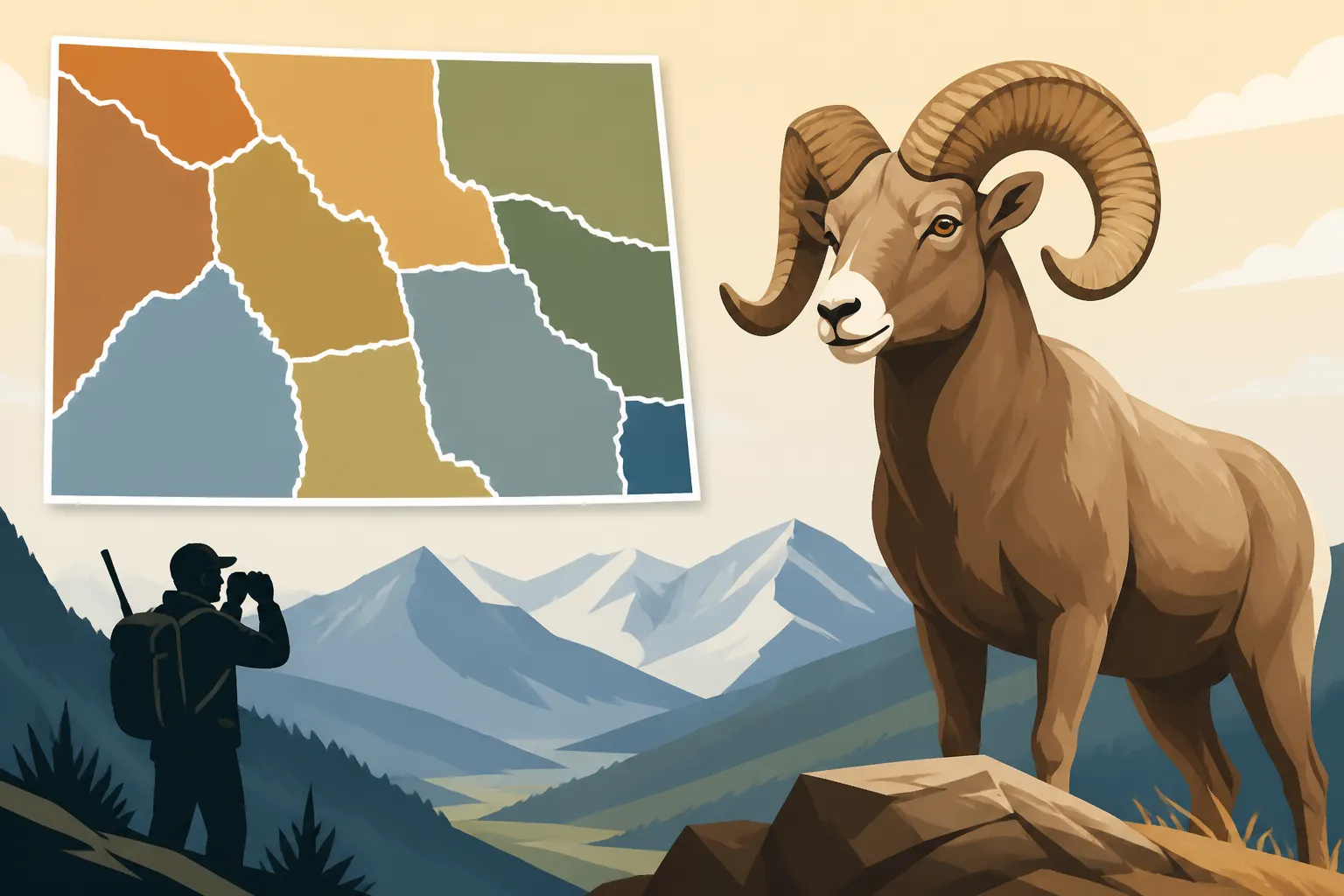
When you dream of a Wyoming sheep hunt, you're not just dreaming of a "sheep tag"—you're envisioning a specific experience tied to a particular hunt district. These districts are the geographical boundaries set by the Wyoming Game and Fish Department that define where you can legally pursue bighorn sheep. They're not just lines on a map; they represent distinct populations, unique terrain challenges, and ultimately, your chances of drawing one of these incredibly special tags.
Why Districts Matter for Sheep Hunters
Every single detail of your bighorn sheep hunting journey in Wyoming hinges on these hunt districts. They dictate everything from the number of tags available each year, to the specific season dates, to the legal ram curl requirements. If you apply for a tag, you're applying for a specific district. This means understanding the characteristics of each district—its remoteness, its sheep population trends, its access points, and its historical draw success—is absolutely critical. A hunt in the truly rugged Absaroka Mountains, for instance, is a vastly different proposition than one in a less-known, more accessible range, even if both are within Wyoming. It's not just about getting a tag; it's about getting the right tag for your experience level and physical capabilities.
You might think you’ve got a handle on the general idea of hunting units from other species, but sheep districts often have their own nuances. The terrain within these districts can be some of the most challenging in the Lower 48, making scouting and access paramount. The sheer elevation and remoteness in some areas will test every fiber of your being. This is why digging deep into specific district information before you even think about applying is paramount. Without this groundwork, you're essentially throwing your money and dreams into a hat, hoping for the best, rather than making an informed, strategic decision.
The Unique Challenge of Wyoming Bighorn Sheep
Hunting bighorn sheep in Wyoming is often described as the "pinnacle" of Western big game hunting, and for good reason. It’s a true test of physical endurance, mental fortitude, and hunting skill. The "once-in-a-lifetime" aspect of a Wyoming bighorn sheep tag for residents truly underscores its rarity and value. For non-residents, the odds can feel astronomically low, often sitting Bighorn Sheep Random Draw Odds Explained under one percent.
The challenge begins long before you set foot in the mountains. It starts with the application, where you're competing with thousands of other hopeful hunters for a handful of tags. Then, if you're lucky enough to draw, the real work begins. These sheep live in incredibly rugged, high-alpine environments, often above timberline, where thin air and steep, rocky slopes are the norm. Finding them can require days of intense glassing, followed by grueling stalks over treacherous terrain. The physical demands alone are enough to weed out many hunters, making preparation for altitude and relentless hiking absolutely essential. It's a hunt that demands commitment, both in time and in physical conditioning. This isn't your average deer hunt from a treestand; this is an expedition into some of North America's wildest country, and the districts reflect that inherent wildness.
Deciphering the Hunt Area Maps and Regulations
When you finally decide to dive into the world of bighorn sheep hunting in Wyoming, one of the first things you'll realize is that there's a lot of information to sift through. The Wyoming Game and Fish Department is the primary source, but knowing how to interpret their data and leverage modern tools can make all the difference.
Navigating the Wyoming Game and Fish Website
The official source for all Wyoming hunting regulations, including those specific to bighorn sheep, is the Wyoming Game and Fish Department (WGFD) website. It's where you'll find the annual hunting regulations booklet, which details everything from season dates to legal equipment requirements and, crucially, the boundaries of each hunt district. While navigating government websites can sometimes feel like a treasure hunt through an old attic, the WGFD does a good job of keeping their information fairly accessible.
You’ll want to look for the current year's "Big Game Hunting Regulations." Within this document, there will be specific sections dedicated to bighorn sheep, often including maps that outline the Where Wyoming's Sheep District Boundaries Run. These maps, while functional, can sometimes be a bit simplistic for detailed on-the-ground navigation, especially in the complex, high-country terrain where sheep reside. Pay close attention to any text descriptions of boundaries, as these can clarify ambiguities on the map itself. It’s also wise to check for any special provisions or closures that might impact your chosen district, as these can change annually based on herd health or other management concerns. This is your foundation for understanding the legal framework of your hunt.
Third-Party Mapping Tools and Their Role
While the official WGFD maps are the legal standard, for real-world application and detailed planning, third-party mapping tools are invaluable. Services like onX Hunt and GoHunt have revolutionized how hunters scout and navigate public lands. These platforms overlay public and private land boundaries directly onto detailed topographic maps, often including satellite imagery and other crucial layers like wilderness areas or seasonal closures.
With onX Hunt, for example, you can visually explore the rugged terrain of potential bighorn sheep districts right from your living room. You can identify potential access roads, pinpoint steep cliffs that might hold sheep, and mark glassing knobs or water sources. GoHunt also offers robust tools, often with more emphasis on draw odds and application strategies, which can be critical given the rarity of sheep tags. While these tools provide incredibly useful data and a much more granular view of the landscape, it's vital to remember they are still interpretations of official data. Always cross-reference with the official WGFD regulations and maps, especially when dealing with property boundaries. Think of them as high-powered binoculars for your planning process, allowing you to see details that would otherwise be obscured. They empower you to make more informed decisions about where to apply and how to approach the hunt if you're fortunate enough to draw.
Overview of Key Bighorn Sheep Hunt Districts
Wyoming's bighorn sheep populations are scattered across some of the state's most iconic and remote mountain ranges. Each of these ranges, and their corresponding hunt districts, offers a distinct experience, terrain, and set of challenges. Understanding these regional differences is crucial for any aspiring sheep hunter.
Notable Mountain Ranges and Their Districts
Wyoming's bighorn sheep call several rugged mountain ranges home, each with its own characteristics that define the hunting experience.
- The Absaroka Mountains: Located in northwestern Wyoming, these mountains are known for their extreme remoteness and vast wilderness areas. Hunt districts within the Absarokas, like those near Cody or Dubois, often demand horses or extensive backpacking to access the prime sheep habitat. The terrain here is characterized by steep, broken shale slopes, deep canyons, and high-alpine basins. A hunt in the Absarokas is a true wilderness experience, testing your navigation skills and physical endurance to the limit. The sheep here are often found at high elevations, requiring dedicated glassing efforts from commanding viewpoints. Hunting the Shoshone in Northwest Wyoming often involves access into these areas.
- The Wind River Range: Stretching across west-central Wyoming, the Winds are a formidable and iconic range, boasting many of the state's highest peaks. Districts here are equally challenging, often requiring extensive treks into the designated wilderness areas. The Winds are known for their granite peaks, numerous alpine lakes, and expansive cirques that can hold pockets of sheep. Access is often limited to specific trailheads, meaning most of the hunting is done on foot, far from any roads. This range offers some of the most spectacular scenery you'll ever encounter, but it demands peak physical condition from hunters. Elk Hunting the Wind River Wilderness shares many of the same challenges.
- The Snake River Range: Found in western Wyoming, closer to the Idaho border, these mountains offer slightly different terrain—still rugged, but perhaps with more timbered slopes mixed with open, rocky faces. Districts in this area might be less remote than the core Absarokas or Winds in some sections, but they still present significant challenges. Population densities can vary, and sheep may utilize both timbered and open areas depending on the time of year and weather.
- The Bighorn Mountains: Situated in north-central Wyoming, the Bighorns have a distinct character with rolling alpine meadows interspersed with timber and steep, rocky canyons. While perhaps not as starkly alpine as the Winds or Absarokas, districts in the Bighorns still hold challenging sheep hunting opportunities. Access might be slightly easier in some areas due to a more developed road network, but finding sheep often means leaving the beaten path far behind. Access Into the Bighorn National Forest details getting into this impressive range.
Each of these ranges has unique challenges, and understanding them before you apply is paramount. What you see on a map doesn't always convey the sheer verticality or the exhausting nature of the terrain.
Understanding Ram Curl Requirements by District
One of the most critical aspects of bighorn sheep hunting regulations in Wyoming is the "ram curl" requirement, and it's something that can vary by district. This rule dictates the minimum horn size a ram must possess to be legally harvested, primarily to ensure that younger rams have a chance to breed and contribute to the herd's genetics. Generally, Wyoming follows a "3/4 curl" or "full curl" rule, but some districts may have slightly different interpretations or additional restrictions. The Ram Curl Requirement Explained is something every sheep hunter needs to understand implicitly.
A "3/4 curl" ram typically means the tip of the horn extends past a line drawn straight from the back of the neck, running through the base of the ear, and continuing forward. A "full curl" means the tip of the horn has grown around and touched, or grown past, the animal's own horn. Field judging a ram's curl can be incredibly difficult, especially at long distances, under variable light conditions, or when a ram is moving. This difficulty is compounded by the fact that once you pull the trigger, there's no going back. Mistaking a 1/2 curl for a 3/4 curl can result in a significant penalty and the loss of your once-in-a-lifetime opportunity. Therefore, intense preparation, practicing field judging with optics, and understanding the specific requirements for your drawn district are non-negotiable. It's not uncommon for hunters to spend hours watching a ram before making a judgment call, sometimes even passing on rams that are close but not quite legal, simply to avoid any doubt.
The Application Process and Draw Odds by District
Drawing a bighorn sheep tag in Wyoming is a low-odds endeavor, no matter how you slice it. It's a game of patience, strategy, and a healthy dose of luck. Understanding the application process and how draw odds are calculated for each district is critical to making an informed decision, even if that decision is just where to put your name in the hat.
Preference Points vs. Random Draw for Sheep
Unlike some other species in Wyoming where preference points play a significant role in improving your odds over time, bighorn sheep are generally a different beast, especially for non-residents. For most non-resident bighorn sheep tags, it's a pure lottery. This means that whether you have zero preference points or twenty, your name essentially goes into the same hat as everyone else, offering you essentially the same Bighorn Sheep Random Draw Odds Explained. The exception is for residents, who participate in a 90/10 split, where 90% of tags go to residents with the most points, and 10% go to residents in a random draw. For non-residents, the strategy is less about accumulating points and more about simply applying each year and hoping for a miracle.
This "random draw" system for non-residents can be both frustrating and, paradoxically, encouraging. Frustrating because your dedication to applying for years might not make a statistical difference in your draw chances compared to a first-time applicant. Encouraging because it means everyone has a chance, however slim. There's no minimum point threshold you need to reach, just the willingness to keep applying and pay the application fee annually. For those who play the long game, even a 1% chance, compounded over many years, eventually starts to feel like a possibility. The key is to commit to the process, understand that success is measured in decades for many, and appreciate the journey of applying itself.
Analyzing Draw Odds: A District-by-District Look
Analyzing draw odds for bighorn sheep is less about finding a "sure bet" district and more about understanding where tags are most likely to be drawn and what the historical trends suggest. Wyoming Game and Fish typically publishes detailed draw odds from previous years, breaking down successful applicants by point totals for residents and by random draw for non-residents, all on a district-by-district basis.
When pouring over these tables (which often resemble dense spreadsheets), pay attention to the number of tags offered in each district, the number of applicants, and the resulting draw percentage. Some districts might consistently offer a few more tags than others, slightly increasing your infinitesimal odds. Others might be so popular that even with a few tags, the applicant pool makes the draw odds exceptionally low. What you'll generally find is that the random odds for non-residents often hover well under one percent for any district. This reality can be sobering, but it doesn't mean you shouldn't apply. It means you should temper your expectations and understand that drawing a sheep tag is genuinely hitting the lottery. Services like GoHunt excel at compiling and presenting this complex draw data in user-friendly formats, allowing you to quickly compare districts and make a more informed, if still highly optimistic, application choice. They take the raw data and make it digestible, helping you to see which districts, historically, have offered the best (though still very long) shot.
Here's a simplified look at factors to consider when analyzing districts:
| Factor | Description | Impact on Hunt |
|---|---|---|
| Number of Tags | How many licenses are issued for this specific district each year? | More tags mean slightly better odds, but still extremely low. Affects the overall pool of successful hunters. |
| Applicant Pool | How many people apply for this district annually? | High applicant numbers drastically reduce individual odds, even for districts with more tags. |
| Historical Success | What percentage of applicants (especially random draw non-residents) have drawn here in past years? | Gives a realistic baseline for your chances. Look for any district that consistently has "higher" random draw success, even if it's only a fraction of a percent more. |
| Terrain/Access | How rugged is the district? What are the primary access points (roads, trails)? | Easier access might make a hunt less physically grueling, but often means more hunting pressure. Remote, rugged areas might have higher quality sheep but demand extreme fitness and logistical planning. |
| Ram Curl Rules | Are there specific ram curl requirements (e.g., full curl, 3/4 curl) for this district? | Can impact the difficulty of field judging and the availability of legal rams. More stringent rules can make a hunt harder. |
| Herd Health | Are there known issues with disease (e.g., pneumonia, CWD) in this district's population? | Can affect population numbers and the overall quality of the herd. WGFD reports can provide insights. Wyoming Elk, the Feedgrounds and the Disease Question and the general topic of disease management applies to many species. |
| Wilderness Areas | Does the district encompass designated wilderness areas? | If you're a nonresident, Wyoming's Wilderness Guide Law for Nonresidents might require you to hire a licensed outfitter or be accompanied by a resident guide, adding significant cost and logistical challenges. |
Planning Your Hunt Within a Chosen District
So, you've defied the odds, and a bighorn sheep tag for a Wyoming district has landed in your mailbox. Congratulations! Now the real planning begins. This isn't a hunt you can wing. It demands meticulous preparation, both in terms of understanding the landscape and preparing your body and mind.
Scouting Strategies for Bighorn Terrain
Once you have that coveted tag in hand, the focus shifts entirely to your specific hunt district. Scouting for bighorn sheep requires a multi-pronged approach, blending modern technology with boots-on-the-ground effort. You'll be spending a lot of time looking at maps and then even more time looking through optics.
- E-Scouting from Home: Start with extensive e-scouting using tools like onX Hunt. Zoom in on your district, identifying every ridge, basin, and canyon. Look for south-facing slopes, which tend to melt out earlier and hold green feed, and steep, broken country that provides escape terrain for sheep. Pinpoint potential glassing locations—high points that offer expansive views of large areas. Identify possible access routes and areas that might be difficult to traverse. This initial phase helps you prioritize areas for physical scouting, saving you valuable time and effort in the field. Also, look for water sources, as sheep need to drink, and these can be magnets in dry country. Consider how seasonal snow lines might affect access and sheep distribution at different times of your hunt.
- Physical Scouting Challenges: Nothing replaces putting boots on the ground, but for bighorn sheep, this is often a monumental task. If possible, consider a summer scouting trip to your district. This allows you to acclimatize to the elevation, assess trail conditions, and, most importantly, locate sheep. Even without a tag, a scouting trip can help you understand the vastness and difficulty of the terrain. When you do get into the field, be prepared for grueling hikes, steep ascents, and navigating loose rock. Focus on high-percentage areas identified during e-scouting. Carry top-quality optics—a good spotting scope and binoculars are your best friends for Optics Power for Wyoming's Long Sightlines. Spend hours glassing from vantage points, systematically picking apart slopes and basins. Sheep often blend incredibly well into their surroundings, making patience and thoroughness key. Even if you don't find sheep on a scouting trip, understanding the terrain and travel routes is invaluable. Pay attention to game trails, bedding areas, and fresh sign, as this can give clues to their movements. Remember, Glassing Wyoming Basins Before You Take a Step is a crucial skill.
The Role of Outfitters and Guides in Sheep Districts
Given the extreme difficulty and expense of a bighorn sheep hunt, many hunters, particularly non-residents, opt to use an outfitter or guide. For non-residents, in many of Wyoming's wilderness areas, a licensed outfitter or a resident guide filing a specific affidavit is legally required. This Wyoming's Wilderness Guide Law for Nonresidents applies to many of the prime sheep districts.
Even where not legally mandated, a reputable outfitter can dramatically increase your chances of success and ensure a safer, more efficient hunt. They possess intimate knowledge of the district, often having years of experience locating and pursuing sheep in that specific terrain. They understand sheep behavior, the best glassing spots, and safe travel routes. An outfitter can provide the logistical support needed for a high-country hunt, including horses for packing in gear, experienced wranglers, and camp setup in remote locations. This allows you to focus purely on the hunting aspect, rather than getting bogged down in expedition planning.
When considering an outfitter, it's vital to vet them thoroughly. Ask for references, check their licensing with the Wyoming Board of Outfitters, and understand what their services include (and exclude). A sheep hunt with a quality outfitter is a significant investment, but for many, it's the most realistic path to fulfilling a lifelong dream. Vetting a Wyoming Outfitter Before You Send a Deposit is a critical step, as is understanding the Average Cost of a Guided Wyoming Elk Hunt to give you a baseline for sheep hunt pricing, which is often even higher.
Ethical Considerations and Conservation
As hunters, we are the first line of defense for wildlife conservation. This responsibility is magnified when pursuing an iconic and sensitive species like the bighorn sheep. Ethical hunting practices and a deep understanding of conservation are not just recommendations; they are obligations.
The "Once-in-a-Lifetime" Aspect and Responsibility
For many, a bighorn sheep tag represents a "once-in-a-lifetime" opportunity. This phrase isn't just a marketing slogan; it reflects the deep personal investment and the rarity of the experience. Because of this, the responsibility to hunt ethically and ensure a clean, humane harvest is paramount. This means passing on marginal shots, knowing your effective range, and waiting for the right opportunity, no matter how long it takes or how difficult it is to get into position. There's immense pressure once you've drawn such a tag, but succumbing to that pressure and taking a risky shot that wounds an animal or results in a lost ram is a disservice to the animal, the resource, and the hunting community.
It also means meticulous preparation of your gear and your skills. Are your optics dialed in? Have you practiced shooting at angles and distances you expect to encounter in the mountains? Is your physical conditioning up to the task of recovering an animal in rugged country? These questions must be answered with a resounding "yes" long before you step into the district. Respect for the animal, the land, and the regulations should always be at the forefront of your mind. This is a hunt that demands the utmost respect for every aspect of the wild.
Understanding Disease Management and Conservation Efforts
Bighorn sheep populations face significant challenges, with disease being one of the most pressing. Respiratory diseases, often transmitted from domestic sheep, can devastate wild bighorn herds. Chronic Wasting Disease (CWD) is another concern, though less prevalent in sheep than in deer and elk, it's something the WGFD monitors closely across all big game. Conservation efforts for bighorns often focus on habitat improvement, managing potential disease vectors, and translocation projects to establish new herds or bolster existing ones.
As hunters, we play a crucial role in these efforts. Reporting sick animals, participating in voluntary or mandatory disease testing (especially for CWD where applicable), and understanding game management objectives are all part of being a responsible steward. The tags issued each year are carefully managed to ensure the long-term health and sustainability of these fragile populations. By understanding and supporting these conservation initiatives, we help ensure that future generations will also have the chance to experience the awe-inspiring challenge of hunting bighorn sheep in Wyoming's majestic mountains. Our harvest information contributes to the data used by biologists to make critical management decisions.
Disclaimer
This article is for general informational purposes only and does not constitute professional advice. Laws, prices and regulations vary by location and change over time. Consult a qualified professional for guidance on your specific situation.