Dispersed Camping on Wyoming BLM Ground
There's nothing quite like the freedom of pulling off a dirt road, finding a secluded spot with a breathtaking view of the Wyoming landscape, and setting up your hunting camp right where you plan to chase game. But for many hunters, especially those new to the vast public lands out West, the idea of "dispersed camping" on Bureau of Land Management (BLM) ground can feel a bit daunting. It’s not like pulling into a designated campsite with a picnic table and fire ring; it’s a whole different animal that requires a good understanding of the rules, the land, and what it means to be truly self-sufficient. This guide will walk you through everything you need to know to confidently and responsibly enjoy dispersed camping on Wyoming's BLM lands, helping you find those perfect, solitary spots to call home during your hunt.
Understanding BLM Land and Dispersed Camping
Wyoming is a state defined by its wide-open spaces, and a significant portion of that is public land managed by the Bureau of Land Management. For hunters, this offers an incredible opportunity to get away from the crowds and immerse themselves in the hunting experience. But before you just drive off the road, it's crucial to understand what BLM land is and what "dispersed camping" truly means.
What is BLM Land in Wyoming?
BLM land in Wyoming is part of a massive network of federally managed public lands throughout the American West. These lands are managed for a "multiple-use" mandate, meaning they accommodate recreation, grazing, mining, energy development, and wildlife habitat. This is why you might see cattle, oil rigs, or mountain bikers in the same general area you're hunting. Unlike National Parks, which prioritize preservation, or some National Forests, which lean towards timber and recreation, BLM lands often offer a more primitive, less developed experience. This makes them incredibly appealing to hunters seeking solitude.
Wyoming boasts an impressive amount of public acreage. How Many Square Miles of BLM Wyoming Holds is a figure that truly boggles the mind, presenting an almost endless array of opportunities for adventure. These lands are generally open to hunting, fishing, and camping unless specifically posted otherwise. Knowing the general character of BLM land – often expansive, arid, and less developed – helps set the right expectations for your camping experience. You won't find water spigots or flush toilets out here, which is precisely why many of us seek it out. It's wild, raw, and demands a level of self-reliance that modern life often doesn't.
Defining Dispersed Camping
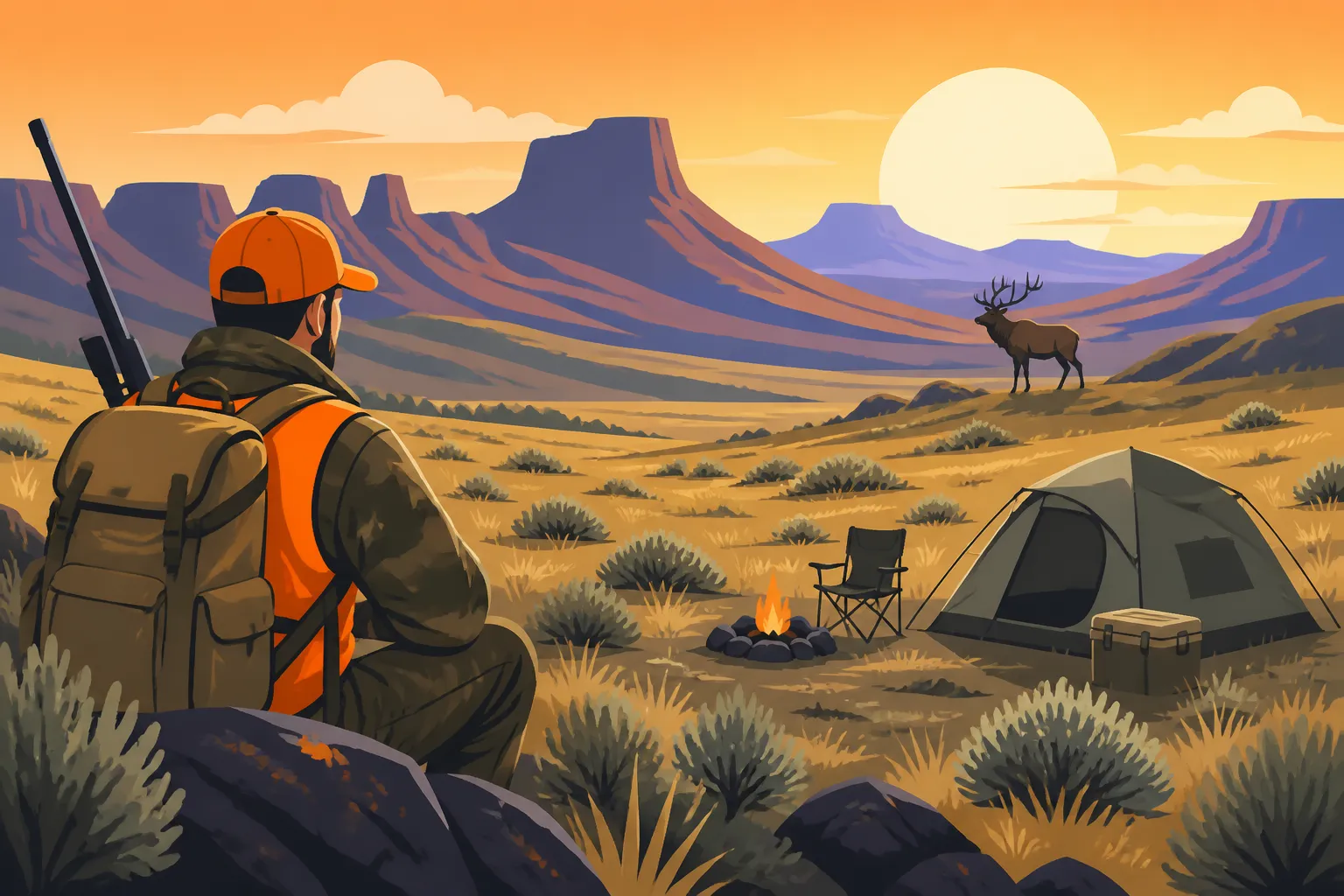
Dispersed camping is simply camping outside of a developed campground. There are no fees, no hosts, no designated sites, and usually no amenities like water, restrooms, or trash services. You're completely on your own, responsible for everything from your shelter and water supply to packing out all your waste. It's the ultimate freedom for a hunter, allowing you to set up your base camp as close to your hunting grounds as possible, waking up to sunrises over sagebrush flats instead of RVs.
The beauty of dispersed camping is that it allows for an intimate connection with the landscape. Imagine glassing for mule deer right from your camp coffee spot, or hearing elk bugle from the ridge above your tent. It eliminates the commute from a crowded campground and puts you directly in the heart of the action. However, this freedom comes with responsibility. The "dispersed" nature means there's no infrastructure to clean up after you, so adherence to Leave No Trace principles is paramount to ensure these lands remain pristine for future generations of hunters and outdoor enthusiasts.
Why Dispersed Camping Appeals to Hunters
For many hunters, the appeal of dispersed camping on BLM ground boils down to three key factors: access, solitude, and cost. When you're spending good money and valuable time on a Wyoming hunting tag, you want every advantage you can get, and a strategic campsite can be a huge one. Being able to drive, hike, or pack into an area and set up shop near where the animals actually live, rather than miles away in a crowded campground, is a game-changer.
The solitude dispersed camping offers is perhaps its greatest draw. After months of anticipation and planning, the last thing you want is to arrive at your hunting unit only to find yourself crammed next to other camps, with generators humming and dogs barking. Dispersed camping allows you to truly escape, giving you the quiet and peace needed to focus on your hunt and connect with the wild. Plus, let's be honest, hunting trips can get expensive quickly. Eliminating campground fees means more money for gas, food, or maybe even an extra preference point for next year. This combination of strategic location, peace, and affordability makes dispersed camping an undeniable winner for the discerning hunter.
Finding Your Perfect Dispersed Campsite
Finding that ideal dispersed campsite isn't about luck; it's about smart planning and using the right tools. Unlike established campgrounds, there are no signs pointing the way to "Site 3." It requires a bit of detective work and an understanding of the terrain.
Using Digital Tools for Scouting
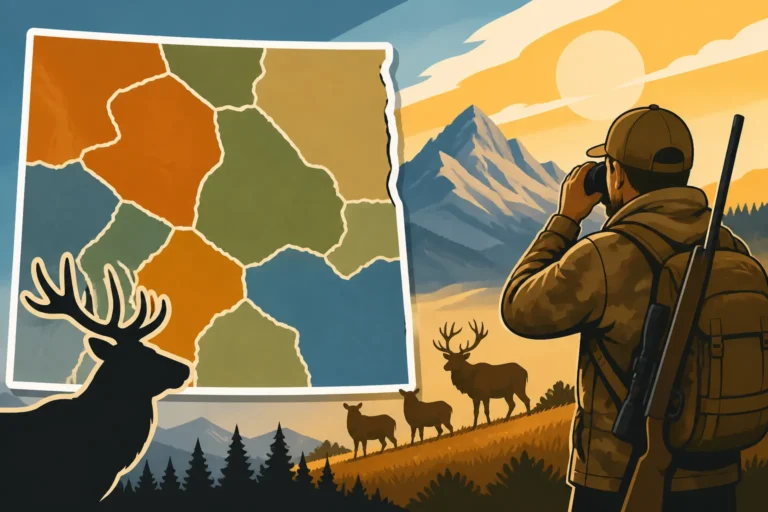
In today's hunting world, digital mapping tools are absolutely indispensable for finding dispersed camping spots, especially on vast and complex BLM lands. Apps like onX Hunt and mapping services like GoHunt have revolutionized the way we scout and navigate public ground. These tools allow you to overlay different land ownership layers, showing you exactly where BLM, State, Forest Service, and private lands begin and end. This is crucial because rules can change instantly as you cross boundaries.
Before you even leave your living room, you can use these apps to identify potential camping areas. Look for dirt roads or two-tracks that venture off main routes but still offer reasonable access. You can often see flatter, open areas that would be suitable for pitching a tent or parking a truck. Pay attention to water sources and potential game corridors, as these will likely be areas you want to hunt. You can also spot natural features like draws, ridges, or timber patches that could offer some shelter from the relentless Wyoming wind. Many experienced hunters will use these tools to E-Scouting a Unit Before the Season Opens, not just for game, but also for identifying potential camp locations, water sources, and escape routes, long before they ever set foot in the field. This virtual reconnaissance saves countless hours and gallons of gas, ensuring your boots-on-the-ground time is spent more effectively.
Reading Topographical Maps
While digital maps are powerful, don't underestimate the value of traditional topographical maps. They offer a unique perspective on the lay of the land, showing contours, elevation changes, and terrain features in a way that digital maps sometimes flatten. Understanding topo lines helps you visualize the terrain: where the steep climbs are, where the water might drain, and where you'll find flat ground. Look for saddles, benches, or wide valley bottoms that could provide suitable camping areas.
Topographical maps also highlight natural barriers or features that might offer protection from the elements. A small ridge line can break the wind, or a stand of trees can offer shade in the high desert sun. When scouting a potential hunt area, consider how a campsite in a certain location might impact your daily hunts. Do you want to be high for better glassing, or low for easier access to water and shelter? Knowing how to read these maps can guide you to a spot that not only offers comfort but also strategic advantage for your hunt. This skill is critical for navigating truly wild country where GPS signals might be spotty or batteries might die, providing a reliable backup.
Identifying Suitable Camping Areas
Once you're on the ground, identifying a suitable dispersed camping area involves a mix of practical considerations and regulatory awareness. First and foremost, you need to be on public land where dispersed camping is permitted. This usually means BLM or National Forest ground, but it's always wise to double-check local regulations. Look for areas that are already somewhat disturbed, indicating previous use, but don't camp right on top of someone else's spot.
Practically, consider proximity to roads – you want easy access but enough distance for privacy and quiet. Aim for at least 200 feet from any water source to protect riparian areas, and if possible, avoid areas immediately adjacent to main roads for both safety and noise. Flat, level ground is obviously key for a comfortable night's sleep, especially if you're pitching a tent. Think about natural shelter from wind and sun, but also be aware of potential hazards like flash flood areas in washes or dead trees that could fall. Finally, if you're in bear country (which much of Wyoming is), consider open areas with good visibility rather than dense timber, and plan for secure food storage. Remember, your goal is to leave no trace, so choosing a spot that can handle your presence without significant impact is part of being a responsible outdoor user.
Rules and Regulations for BLM Dispersed Camping
Dispersed camping on BLM land isn't a free-for-all. There are specific rules and regulations in place to protect the land, wildlife, and other users. Ignoring these rules can lead to fines, environmental damage, and even closures of areas to future dispersed camping. Understanding them is not just about staying out of trouble; it's about being a good steward of our shared resources.
Stay Limits and Site Impact
One of the most common rules for dispersed camping on BLM lands is the stay limit, which is typically 14 days within any 28-day period in a specific area. This rule is designed to prevent long-term residency and minimize the impact on any single location. While a hunter might not often stay a full 14 days, it's good to know the limit. After 14 days, you generally have to move at least 25 miles away, often for a period of time, before returning to that general vicinity. Always check the specific field office's regulations for the area you plan to visit, as these rules can vary.
Beyond stay limits, minimizing your site impact is crucial. Always camp on durable surfaces whenever possible, meaning bare dirt, rock, or gravel, rather than fragile vegetation. Avoid creating new roads or tracks; if you can't drive to a spot without making new ruts, it's best to walk in or find another location. When you leave, the goal is for your campsite to look as if no one was ever there. This means scattering any rocks you moved, brushing away footprints, and ensuring all trash, including micro-trash like plastic bits and bullet casings, is packed out.
Fire Restrictions and Safety
Ah, the campfire – a quintessential part of any outdoor experience. But on BLM lands, especially in the often-dry environment of Wyoming, fire restrictions are a serious consideration. Before any hunt, you absolutely must check the current fire danger and any active restrictions for the specific area you're visiting. This information is typically available on the BLM website for the local field office, county sheriff's department pages, or by calling the local ranger station. Fire bans can range from restricting open flames to requiring a fire pan or prohibiting all types of fire, including charcoal grills and gas stoves.
When fires are permitted, safety is paramount. Always build fires in an existing fire ring if possible, or create a temporary one with rocks if allowed. Keep fires small and manageable. Never build a fire under low-hanging branches, near tall grass, or on duff that can smolder underground for days. Make sure you have a shovel and plenty of water nearby to put out any embers. Before you leave your campsite or go to bed, ensure your fire is dead out – that means cool to the touch. Pour water on it, stir the ashes, pour more water, and repeat until there is absolutely no heat or smoke. The devastating wildfires that have plagued the West are often preventable, and responsible fire practices are a critical part of being a good land steward.
Waste Management and Sanitation
Perhaps the least glamorous but most important aspect of dispersed camping is waste management. The mantra is simple: pack it in, pack it out. This applies to everything you bring with you – food wrappers, spent cartridges, broken gear, and yes, even human waste. There are no trash cans on BLM land, and leaving anything behind, no matter how small, degrades the experience for everyone else and can harm wildlife.
For human waste, proper disposal is critical to prevent contamination and the spread of disease. The general rule is to dig a "cathole" at least 6-8 inches deep and 200 feet (about 70 steps) away from any water source, trail, or campsite. Bury the waste and pack out your toilet paper. WAG bags (Waste Alleviation and Gelling bags) are an even better option, especially in heavily used areas or places with shallow soil, as they allow you to pack out all human waste. For dishwater, use biodegradable soap and scatter the water over a wide area, again at least 200 feet from water sources. Do not wash dishes directly in streams or lakes. This might seem like a lot of extra work, but it's foundational to keeping our wild places wild and healthy for all.
Vehicle Use and Road Closures
Wyoming's BLM lands offer extensive road networks, but not all of them are open to vehicular travel. Understanding where you can and cannot drive is crucial for both environmental protection and avoiding fines. Generally, vehicles are restricted to designated routes, meaning established roads and two-tracks. Going "off-roading" and creating new routes is almost always illegal and highly damaging to fragile ecosystems. It also closes off potential access for future hunters, as agencies might be forced to close areas completely if abuse is rampant.
Many BLM roads are seasonal or subject to temporary closures, especially during wet periods to prevent rutting, or to protect wintering wildlife habitat. Always check with the local BLM field office for a current Reading a Motor Vehicle Use Map before heading out. These maps clearly mark which roads are open, which are closed seasonally, and which are completely off-limits. Using mapping apps like onX Hunt can help immensely here, as they often integrate these MVUM data layers. Remember, if a road is closed, it's closed to all vehicles, not just full-size trucks. Respecting these closures ensures that these valuable access points remain open for years to come.
Essential Gear and Practices for Responsible Camping
Dispersed camping means self-reliance. You won't have a camp store down the road or a ranger to call if you forget something critical. Preparing thoroughly and practicing Leave No Trace principles are key to a successful, enjoyable, and responsible trip.
Water, Food, and Shelter
When you're out on BLM land, especially in many of Wyoming's more arid regions, water isn't something you can take for granted. You either need to pack in all the water you'll need for drinking, cooking, and hygiene, or have a reliable method for filtering or treating water from natural sources. Carrying a good water filter or purification tablets is a must, even if you plan to pack in most of your supply. That way, if you run low, you have options. Hunters often underestimate their water needs, especially when exerting themselves at altitude, so err on the side of caution and bring more than you think you'll need.
Food planning for a dispersed camp involves more than just bringing enough calories. It means considering how to store it safely, especially in areas where bears or other wildlife might be present. Hard-sided containers, bear bags hung properly, or storing food in your vehicle are all options depending on the location and specific regulations. A sturdy, weather-appropriate tent or vehicle setup is your shelter. Wyoming weather can change on a dime, going from sunny and warm to snowing and windy in a matter of hours, even in early fall. Be prepared for extremes with a robust tent, appropriate sleeping gear, and layers of clothing that can handle anything Mother Nature throws at you.
Bear Safety and Storage
While grizzly bears are typically found in the westernmost parts of Wyoming, particularly bordering Yellowstone and Grand Teton National Parks, black bears are much more widespread. Regardless of species, proper bear safety and food storage are critical in bear country. A fed bear is a dead bear, and it's our responsibility as outdoor users to prevent habituating wildlife to human food sources.
All food, scented items (like toothpaste, deodorant, and cooking oils), and even trash should be stored securely. This means in an approved bear-resistant container, inside a hard-sided vehicle, or properly hung from a tree, at least 10-12 feet off the ground and 4-6 feet from the trunk. Never store food in your tent. Cook away from your sleeping area to keep food odors from attracting animals close to where you sleep. Carrying bear spray and knowing how to use it effectively is also a smart precaution in known bear habitats. You can find more specific guidance on Food Storage Rules in Grizzly Country and apply similar principles for black bears to ensure everyone's safety and the well-being of the wildlife.
Minimizing Environmental Impact
The overarching principle for dispersed camping is Leave No Trace. This isn't just a suggestion; it's a code of ethics for enjoying and protecting our wild places. It's about respecting the land, wildlife, and other users. This means planning ahead and preparing, traveling and camping on durable surfaces, disposing of waste properly, leaving what you find, minimizing campfire impacts, respecting wildlife, and being considerate of other visitors.
For hunters, this translates to things like retrieving all spent casings, removing flagging tape, and packing out all trash, no matter how small. It means handling game meat responsibly and scattering gut piles away from trails and water sources. When you break camp, take a moment to look around. Did you leave it better than you found it? Are there any signs you were even there? If everyone adopted this mindset, Wyoming's public lands would remain vibrant and healthy for generations of hunters and outdoor enthusiasts to come.
Navigating Access and Avoiding Conflict
Wyoming's public lands are often interspersed with private holdings, creating a complex patchwork, especially in areas with a "checkerboard" land pattern. Understanding these boundaries and knowing how to navigate them legally is paramount to a successful and stress-free hunt, and an ethical dispersed camping experience.
Understanding Land Ownership
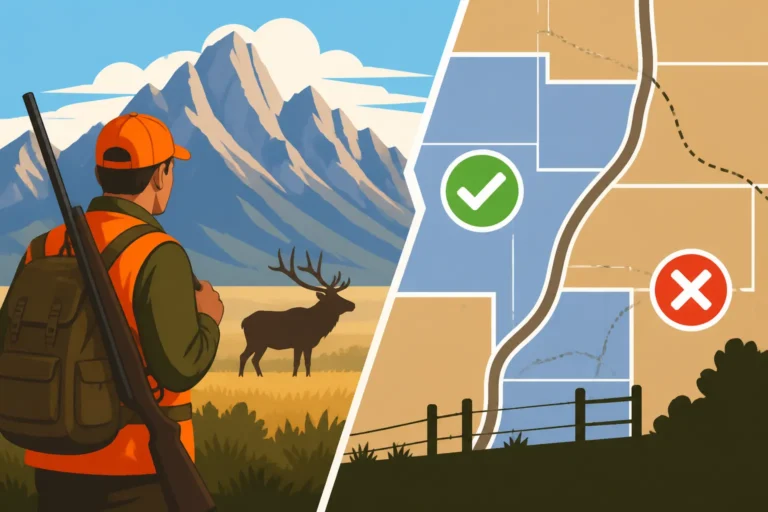
The unique land ownership patterns in Wyoming, particularly the "checkerboard" system, can be incredibly confusing for hunters, especially non-residents. This pattern, where alternating squares of public and private land exist side-by-side, is a remnant of historical railroad grants. It means that while you might be on public land, accessing it might require crossing private land, which is generally not allowed without permission. Tools like onX Hunt are invaluable here, as they provide real-time land ownership data on your phone or GPS device, showing you exactly where public land ends and private land begins. This helps immensely when trying to discern legal access points and avoid inadvertent trespassing.
Understanding Wyoming's Checkerboard Land Pattern Came About sheds light on why these boundaries are so critical. It's not just about knowing where you can hunt; it's also about knowing where you can legally drive, walk, and camp. Just because you see open country doesn't mean it's public. Always verify your location, especially when you're looking for a dispersed camping spot that might be off a main road and tucked away. A simple misstep could lead to a confrontation with a landowner or a game warden, and neither of those is a good way to start a hunting trip.
Respecting Private Property
Respecting private property boundaries is perhaps the most fundamental rule for any hunter or outdoor enthusiast. This means not only avoiding physically crossing private land without permission, but also understanding nuances like "corner crossing." While a recent court decision confirmed that Corner Crossing Is Legal in Wyoming, With Limits Worth Knowing, it's important to understand exactly what this means. It allows you to step from one piece of public land to another at a common corner point, without touching the private land. It does not grant you the right to cross any portion of private land to access public land, nor does it allow you to pitch your tent on a private corner without permission.
Always assume that any land not explicitly marked as public is private, and seek permission before entering. This includes following fence lines, respecting closed gates (even if they appear to lead to public land), and ensuring you aren't parking on private property to access public ground. Landowners are generally friendly and often willing to grant access if approached respectfully and well in advance of your hunt. However, unauthorized entry not only risks legal trouble but also fuels negative perceptions of hunters, making future access more difficult for everyone.
Interacting with Other Users
Wyoming's public lands are shared by a diverse group of users: hunters, anglers, hikers, off-road vehicle enthusiasts, mountain bikers, photographers, and ranchers managing livestock. As a dispersed camper and hunter, it's essential to interact respectfully and considerately with everyone you encounter. You might pull into a potential camping spot only to find a rancher's cattle grazing, or a group of dirt bikers enjoying a weekend ride.
Being considerate means giving ample space, keeping noise levels down, and understanding that others have a right to enjoy these lands too. For example, if you see another camp set up, give them plenty of space and privacy; don't set up your camp right next to theirs unless absolutely necessary. Be mindful of livestock; close gates you open, don't harass cattle, and drive slowly on ranch roads. A friendly wave and a polite conversation go a long way in fostering good relationships and ensuring everyone can peacefully coexist on these shared landscapes.
Planning Your Trip: Resources and Considerations
A successful dispersed camping hunt on Wyoming BLM ground relies heavily on thorough planning. This means not just scouting for game, but also understanding the local conditions, preparing for emergencies, and being mindful of how your camp impacts your hunting strategy.
Checking Current Conditions and Restrictions
Before you pack your bags and hit the road, the very first thing you should do is check current conditions and any special restrictions for your specific hunt area. This goes beyond fire bans and includes things like road closures due to snow, mud, or maintenance, special wildlife closures (especially for winter range), and any temporary orders from the BLM field office. Wyoming's weather is notoriously unpredictable, and what might be a passable road in August could be a quagmire in October.
The local BLM field office website is your best friend here. They often have maps and notices about current conditions. Websites like GoHunt or even the Wyoming Game & Fish Department site can also provide alerts and updates that might affect your trip. Imagine driving hundreds of miles only to find your planned access road is closed for the season, or that camping is temporarily restricted in your chosen area. A little research upfront can save you significant frustration and wasted time on the back end.
Safety and Emergency Preparedness
When you're dispersed camping, you are literally "off the grid." Cell service is often non-existent in vast stretches of Wyoming's public lands. This means personal safety and emergency preparedness are not just good ideas – they're critical. Always let someone know your itinerary, including your exact hunt unit, planned camping areas, and expected return date. Give them a contact number for the local sheriff's office or game warden in case they can't reach you.
Carrying a satellite communication device, like a Garmin inReach or a Zoleo, is highly recommended. These devices allow you to send and receive text messages and, more importantly, trigger an SOS call in an emergency, even when out of cell range. Understanding Satellite Communication From a Hunting Camp can truly be a lifesaver. Pack a comprehensive first-aid kit and know how to use it for common injuries and ailments you might encounter, as help could be hours away. Consider taking a Wilderness First Aid on a Guided Hunt or similar course before you venture out. Be self-sufficient, know your limits, and don't take unnecessary risks in remote country.
Hunting-Specific Considerations
Your dispersed camp isn't just a place to sleep; it's an integral part of your hunting strategy. Think about its proximity to your intended hunting grounds. Can you hike directly from camp, or will you need to drive? Consider how much noise your camp might generate and whether it will disturb game in the immediate vicinity. While some hunters like to be right in the thick of it, others prefer to set up a bit further away and hike in each morning to avoid pressuring animals near their base.
Also, think about game retrieval. If you're fortunate enough to harvest an animal, how will you get it back to camp and then off the mountain? Is your camp accessible by vehicle for packing out an elk, or will you need to quarter it and pack it out on foot or with horses? Consider whether your chosen spot has enough flat ground for skinning and processing if needed, and where you'll store meat to keep it cool and clean. A well-thought-out camp location can significantly impact the success and enjoyment of your entire hunting adventure.
| Feature | Developed Campground (e.g., National Forest) | Dispersed Camping (BLM/National Forest) |
|---|---|---|
| Cost | Daily fee (varies by site) | Free |
| Amenities | Picnic table, fire ring, vault toilet, water (sometimes) | None (pack everything in, pack everything out) |
| Privacy/Solitude | Limited, close neighbors | High, remote spots common |
| Access | Designated roads, easy to find | Often dirt roads/two-tracks, requires navigation |
| Stay Limits | Varies (e.g., 7-14 days) | Typically 14 days in 28-day period (varies) |
| Reservations | Often required/recommended | Not applicable |
| Environmental Impact | Centralized, managed impact areas | Individual responsibility for Leave No Trace |
| Vehicle Access | Designated parking within site | Often can park at campsite |
| Hunting Proximity | May be miles from hunting grounds | Can be directly on or adjacent to hunting grounds |
Disclaimer
This article is for general informational purposes only and does not constitute professional advice. Laws, prices and regulations vary by location and change over time. Consult a qualified professional for guidance on your specific situation.