Bridger-Teton National Forest Hunting in Wyoming
Hunting in Wyoming's vast, wild landscapes is a dream for many, but the sheer scale and ruggedness of places like the Bridger-Teton National Forest can feel utterly overwhelming. You scout maps, watch videos, and read forums, only to realize that navigating such an immense, high-elevation wilderness is a completely different ballgame than hunting smaller, more familiar areas. This guide is here to break down the complexities of hunting the Bridger-Teton, offering realistic advice and insights to help you plan a safe and successful adventure in one of Wyoming's most iconic wild places.
Understanding the Bridger-Teton's Unique Landscape and Challenges
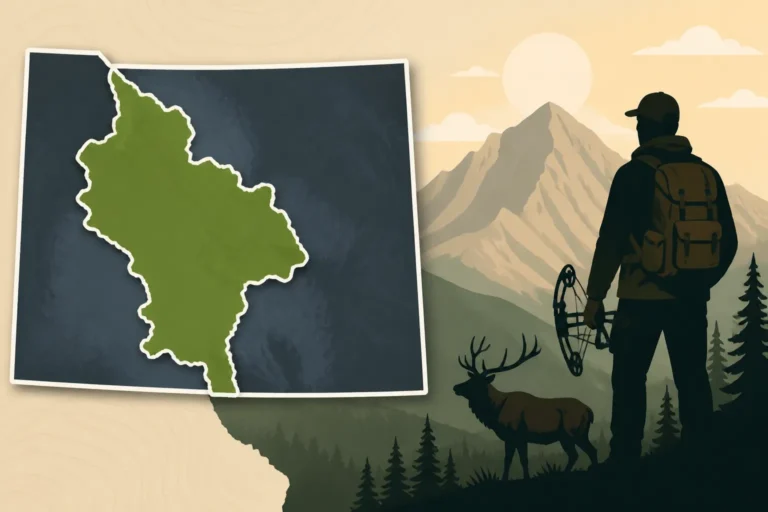
The Bridger-Teton National Forest isn't just a hunting area; it's an experience. Spanning millions of acres across western Wyoming, it’s a place of towering peaks, dense timber, sweeping sagebrush flats, and winding river bottoms. This is the kind of country that humbles even seasoned outdoorsmen, demanding respect, preparation, and a deep understanding of its unique characteristics.
A Realm of Mountains, Wilderness, and Wildlife
Imagine jagged, snow-capped peaks giving way to vast, dark timber forests, then opening up into high-alpine meadows dotted with wildflowers in the early season, or frosted with rime ice later on. That’s the Bridger-Teton for you. It's home to some of the most robust populations of elk, mule deer, and moose in the West, along with bighorn sheep, mountain goats, black bears, and even grizzlies. The diversity of terrain means that an elk might be found bugling in a high basin, while a mule deer buck could be tucked into a sparse patch of timber on a lower slope, and a moose could be browsing willows along a meandering creek.
This ruggedness is both its allure and its challenge. Elevations often soar well above 8,000 feet, climbing to over 13,000 feet in some areas. This isn't flat ground where you can walk for miles without much elevation gain. Here, every mile might involve hundreds or even thousands of feet of climbing and descending. Your physical conditioning needs to be top-notch, and your gear must be reliable enough to withstand whatever the mountains throw at you.
Navigating the Vastness: Maps and E-Scouting
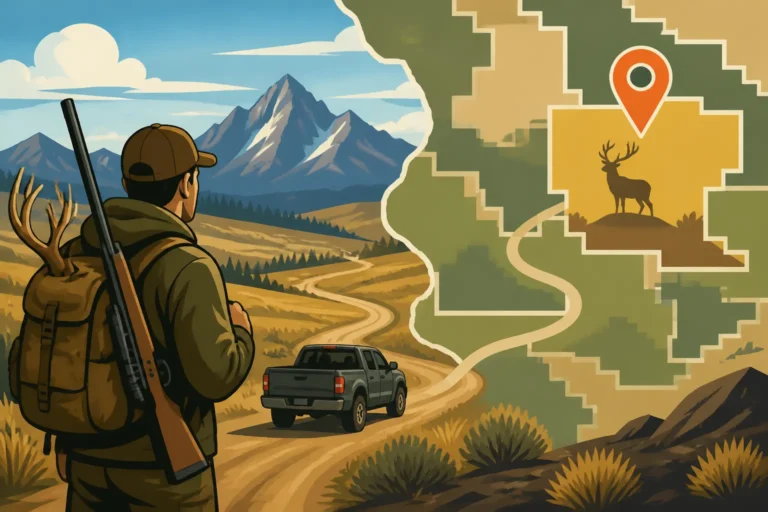
The Bridger-Teton is immense, covering approximately 3.4 million acres. Simply showing up with a paper map from the gas station won't cut it. Modern digital tools are absolutely essential for effective navigation and pre-hunt scouting. Tools like onX Hunt are invaluable, allowing you to see public and private land boundaries, detailed topographic lines, roads, trails, and even water sources directly on your phone or GPS device. This level of detail helps you avoid trespassing and plan your routes efficiently, especially when navigating checkerboard land patterns that are common in the West.
Beyond just knowing where you are, e-scouting plays a massive role in breaking down such a large area into manageable chunks. Before you ever set foot on the ground, you can spend hours poring over satellite imagery, identifying potential bedding areas, feeding zones, water sources, and natural funnels that animals might use. Look for north-facing slopes with timber for bedding, south-facing slopes for early season feed, and saddles or benches that connect different elevation bands. This remote reconnaissance saves you valuable time and energy in the field. For more on this, check out our guide on E-Scouting a Unit Before the Season Opens.
Weather, Elevation, and Physical Demands
Hunting in the Bridger-Teton means being prepared for anything Mother Nature decides to dish out, often within the same day. One morning might start with freezing temperatures and a dusting of snow, only to warm up to sunshine and 60 degrees by midday, then drop back to sleet and wind by evening. This unpredictable weather demands a layering system for your clothing that allows you to adapt quickly to changing conditions. You need to be ready for rain, snow, wind, and even bright sunshine, all potentially in a single hunt.
The high elevation also presents unique challenges. For hunters accustomed to sea-level or lower elevations, the thin air can lead to altitude sickness, manifesting as headaches, nausea, or extreme fatigue. It significantly increases the physical exertion required for even simple tasks, let alone packing out a harvested animal. It's crucial to spend time acclimatizing if possible, arriving a few days early to allow your body to adjust. Regular exercise focusing on cardiovascular fitness and leg strength in the months leading up to your hunt is non-negotiable. Don't underestimate the mountains; they will test you. We dive deeper into this in Preparing for Altitude on a Wyoming Hunt.
Accessing the Bridger-Teton: Roads, Trails, and Trailheads
Getting into the heart of the Bridger-Teton is a journey in itself. While some areas are relatively accessible, the best hunting often lies deeper within the forest, requiring careful planning for vehicle access, trail navigation, and potentially pack animals.
Primary Access Corridors and Vehicle Travel
The Bridger-Teton National Forest is primarily accessed by major highways like US-191, US-26, and US-89, which skirt its edges or traverse certain sections. From these main arteries, a network of Forest Service roads branches out, leading deeper into the forest. These roads vary wildly in condition. Some are well-maintained gravel roads suitable for most vehicles, while others are rough, rocky, and require a high-clearance 4×4, sometimes with significant off-road driving experience. Seasonal closures are also common, particularly at higher elevations as winter approaches.
Always check with the local Forest Service office or consult an updated road map before heading out. A flat tire in a remote area can quickly turn a hunting trip into a survival situation. Carrying spare tires, a good jack, and basic recovery gear is a smart move. Understand that what might be marked as a "road" on a basic map could be little more than a two-track overgrown with brush. Always err on the side of caution when navigating these remote routes. For information on potential closures, see Road Closures Across Wyoming Public Land.
Trailheads and Foot/Horseback Access
For many, the true Bridger-Teton hunting experience begins at a trailhead. These designated starting points typically offer parking and often serve as the gateway to extensive trail systems that lead into the backcountry, including vast wilderness areas. Familiar trailheads might lead to destinations like the Gros Ventre Wilderness or the Teton Wilderness, offering phenomenal, albeit challenging, hunting opportunities.
Once you leave the trailhead, you're relying on foot power or horses. For hunters looking to go deep, pack animals are often the preferred method. Horses or mules can carry heavy loads of gear, supplies, and, hopefully, meat, allowing you to establish spike camps far from any road. If you're considering a horseback hunt, either bring your own experienced stock or consider hiring a pack string outfitter. This is a specialized skill, and going unprepared with animals can lead to serious problems in steep, rough terrain. For more on this, read Pack String Outfitters Working in Wyoming.
Understanding Motor Vehicle Use Maps (MVUMs)
A critical tool for any hunter in the Bridger-Teton (and most National Forests) is the Motor Vehicle Use Map, or MVUM. These maps, usually available for free from Forest Service offices or online, designate which roads and trails are open to motorized vehicles, and for what types of vehicles (e.g., full-sized vehicles, ATVs, motorcycles). They also indicate seasonal restrictions. Unlike general topographic maps, MVUMs are legally binding.
Failing to adhere to an MVUM can result in substantial fines and even impoundment of your vehicle. It’s not uncommon to encounter signs at closed gates or trailheads, but MVUMs provide the comprehensive information. Always carry the current MVUM for your specific hunt area and consult it frequently. These maps are designed to protect wildlife habitat, prevent resource damage, and preserve the wilderness character of certain areas. Knowing how to read one of these maps is as important as knowing how to read a compass. Dive deeper with Reading a Motor Vehicle Use Map.
Hunting Regulations and Species Specifics in the Bridger-Teton
Wyoming has specific regulations for hunting various species, and the Bridger-Teton National Forest, with its diverse ecosystems, offers opportunities for a wide range of big game. Understanding these rules and tailoring your strategy to the species and habitat is key.
General Regulations and License Requirements
Before you even think about setting foot in the Bridger-Teton, you need to ensure you're legally compliant. This starts with hunter education; anyone born after 1965 must complete an approved hunter education course. For details on this, check out Anyone Born After 1965 Needs Wyoming Hunter Education. Beyond that, you'll need the appropriate licenses and tags for the species you intend to hunt. Wyoming operates on a draw system for most big game tags, especially for non-residents and limited-quota hunts. This means you'll typically apply months in advance, often in the spring, and await draw results.
Different species have different seasons, hunt areas, and license types. For example, an elk license might be for "any elk" (bull or cow), "antlered only," or "antlerless only," and it will be specific to a particular hunt area. It's absolutely critical to read the most current Wyoming Game and Fish Department regulations brochure for your desired species and hunt area. Regulations can change annually, so relying on old information is a recipe for trouble. You can find up-to-date information through resources like Where the Current Wyoming Regulations Are Posted. Always carry your license and conservation stamp with you in the field.
Elk and Mule Deer Strategies
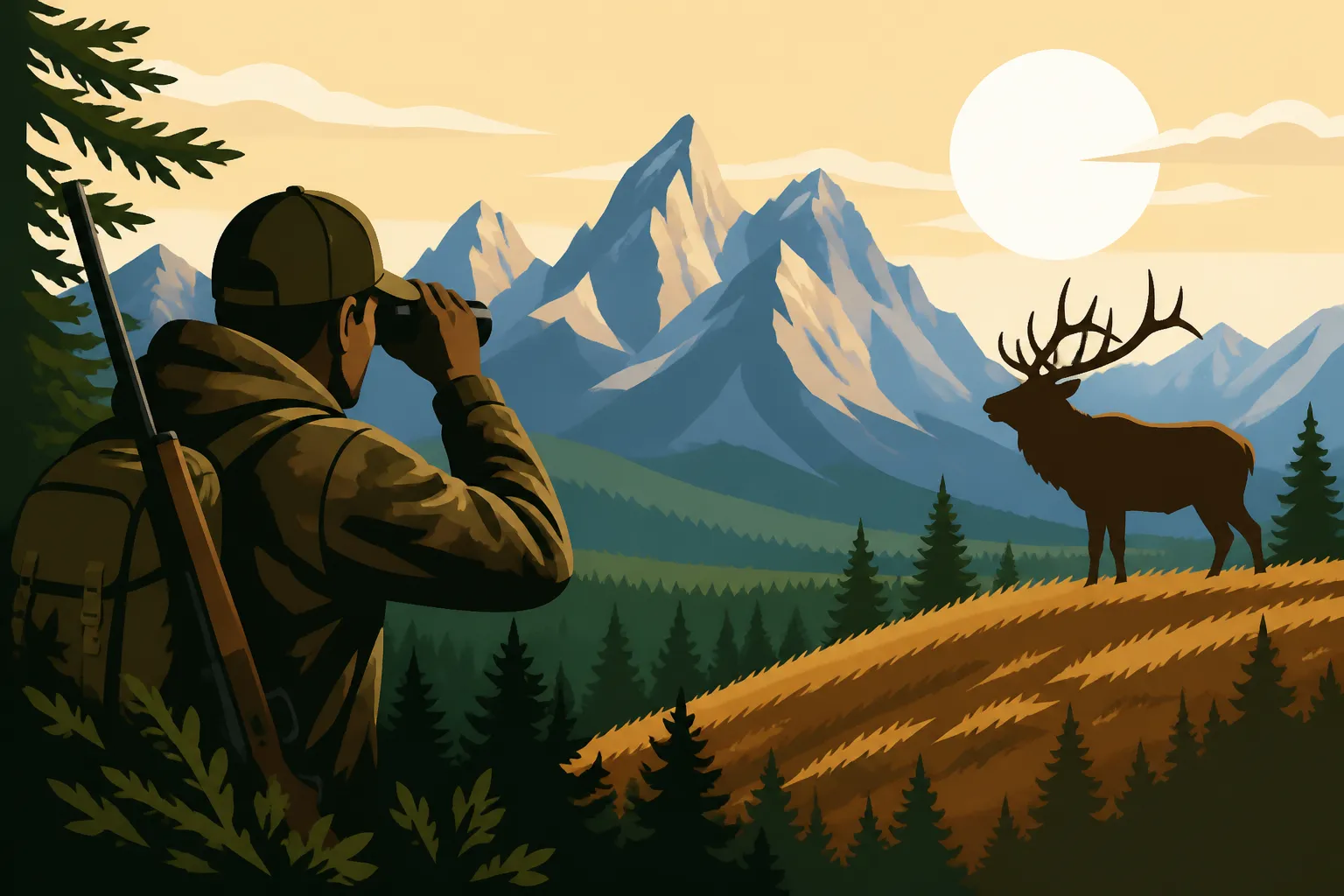
Elk hunting in the Bridger-Teton is a classic Western experience, often involving extensive hiking, bugling, and tracking. Early archery seasons typically involve calling during the rut, trying to entice a bull into close range. During rifle seasons, elk can be found high in timbered basins, often in steep, rugged country. Spot and stalk tactics, combined with aggressive calling, can be effective. Knowing how to locate and interpret fresh sign, like tracks, rubs, and wallows, is paramount. For insights into calling, read How to Bugle a Wyoming Bull Into Bow Range.
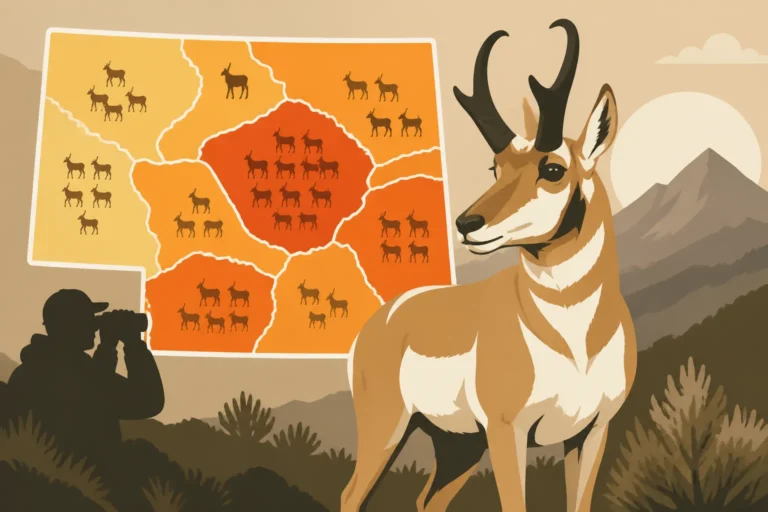
Mule deer in the Bridger-Teton are often found in different habitat types than elk. While you might find them in the same general mountains, mule deer tend to utilize more open country, high-alpine bowls above timberline, or sagebrush pockets on lower slopes. Glassing large expanses of country from a vantage point is a highly effective strategy for locating these animals. Focus on areas with good feed, cover for bedding, and proximity to water. As the season progresses, deer often move to lower elevations as snow pushes them down from the high country. Our guide on Best Time of Day to Glass Mule Deer offers great tips for spotting these animals.
Moose, Sheep, and Bear Opportunities
Moose and bighorn sheep tags in the Bridger-Teton, and indeed throughout Wyoming, are incredibly difficult to draw. They are considered once-in-a-lifetime hunts for many, often requiring decades of preference points for non-residents, if they draw at all. If you're one of the fortunate few to draw one of these coveted tags, thorough pre-scouting and physical preparation are even more critical. Moose often inhabit riparian zones and willow bottoms, while sheep are typically found in the highest, most rugged peaks. For an idea of the wait times, check out How Many Years It Takes to Draw Wyoming Moose and Bighorn Sheep Random Draw Odds Explained.
Black bear hunting is available in both spring and fall seasons in the Bridger-Teton. Spring hunts often involve baiting or spot and stalk on south-facing slopes as bears emerge from hibernation. Fall hunts can coincide with berry crops or other food sources. A critical consideration in the Bridger-Teton is the presence of grizzly bears, particularly in the northern reaches of the forest near Yellowstone and Grand Teton National Parks. Hunters must be vigilant, know how to distinguish between black bears and grizzlies, and carry bear spray. This is not just a recommendation; it's a necessity for safety. Read Telling a Grizzly From a Black Bear for important identification tips.
Wilderness Areas and the Nonresident Guide Rule
A significant portion of the Bridger-Teton National Forest is designated wilderness, offering unparalleled solitude and a true backcountry experience. However, these special areas come with their own set of rules, particularly for nonresident hunters.
Bridger-Teton's Designated Wilderness Areas
The Bridger-Teton National Forest contains several designated wilderness areas, including the Gros Ventre Wilderness, the Teton Wilderness, and parts of the Wind River Range. These are protected under the Wilderness Act, meaning they are managed to preserve their primeval character. For hunters, this translates into specific restrictions: no motorized vehicles (including ATVs and e-bikes), no mechanized equipment, and a strict adherence to Leave No Trace principles. Access is by foot or horseback only. These are truly wild places, and hunting within them requires a high degree of self-sufficiency and backcountry experience.
Hunting deep within these wilderness areas offers a unique challenge and reward. The animals often see less pressure, but the terrain is typically more severe, and logistical challenges are amplified. You'll be far from immediate help if something goes wrong. Planning for extended stays, packing all your supplies in and out, and being comfortable in remote settings are paramount. The quiet solitude and raw beauty, however, are unmatched. For more on accessing specific wilderness areas, see Access Into the Teton Wilderness and Motorized Limits Inside Wyoming Wilderness.
The Wyoming Nonresident Guide Law
This is one of the most important regulations for non-residents planning a hunt in the Bridger-Teton. Wyoming law dictates that nonresidents hunting bighorn sheep, mountain goat, or moose, OR hunting elk, deer, or bear in any designated wilderness area, must be accompanied by a licensed professional guide or a Wyoming resident companion. This rule is designed to ensure safety, promote ethical hunting, and protect the wilderness experience.
The key distinction here is "designated wilderness area." If you are hunting outside of a wilderness area, even on public land within the Bridger-Teton, the guide requirement does not apply to elk, deer, or bear. However, if your hunt takes you into the Gros Ventre, Teton, or a similar wilderness area, you must comply. This guide law can significantly impact your hunt planning and budget. For a full breakdown of the nuances, refer to Wyoming's Wilderness Guide Law for Nonresidents.
Planning a Wilderness Hunt: Guide or Resident Companion?
Given the nonresident guide law, you essentially have two main options for hunting big game in the Bridger-Teton's wilderness areas:
-
Hire a Licensed Outfitter/Guide: This is often the most straightforward option, especially for those new to Western hunting or unfamiliar with the specific wilderness area. Outfitters provide expertise, horses, camp setup, and often higher success rates due to their intimate knowledge of the area and animal behavior. However, this comes at a significant financial cost. A fully guided elk hunt, for example, can be a substantial investment, but it handles all the logistical heavy lifting. You can learn more about costs in What a Guided Wyoming Elk Hunt Costs.
-
Hunt with a Wyoming Resident Companion: If you have a legitimate resident friend or family member who meets specific criteria, they can accompany you. This resident must possess a valid Wyoming hunting license, be at least 18 years old, and cannot accept any payment or compensation for their services. They must also sign an affidavit attesting to their unpaid status and residency. This option requires a trustworthy and knowledgeable companion who is willing and able to participate fully in a demanding wilderness hunt. It's crucial that this companion understands the rules thoroughly, as non-compliance can lead to severe penalties for both parties. Our article Can a Resident Friend Guide You Legally? explains this option in detail.
Your choice will depend on your budget, your hunting experience, and your network of connections in Wyoming. Both options require careful planning well in advance of your hunt date.
Camping, Backcountry Considerations, and Safety
Hunting the Bridger-Teton often means living out of a camp for days or even weeks. Whether you're in a designated campground or deep in the backcountry, safety and responsible practices are paramount, especially in an environment shared with large, potentially dangerous wildlife.
Dispersed Camping and Designated Campsites
Most of the Bridger-Teton National Forest allows for dispersed camping, meaning you can set up your camp almost anywhere, as long as you adhere to Leave No Trace principles. This typically means camping at least 200 feet from water sources, roads, and trails, and minimizing your impact. Always check for fire restrictions, as campfires may be prohibited during dry periods. Bury human waste, pack out all trash, and leave your campsite cleaner than you found it.
For those who prefer more amenities, there are designated campgrounds within the forest, often accessible by vehicle. These usually have picnic tables, fire rings, and vault toilets, but they fill up fast during peak season, especially on weekends. Backcountry or spike camps are popular for hunters, allowing you to stay closer to hunting areas and reduce daily travel time. However, setting up such camps requires careful planning, especially regarding food storage in bear country. For important guidelines, check out Food Storage Rules in Grizzly Country.
Water, Filtration, and Bear Safety
Water is life in the backcountry. While the Bridger-Teton has numerous streams, rivers, and alpine lakes, relying solely on found water without purification is risky. Always carry a reliable water filter or purification tablets. Dehydration at altitude can quickly lead to exhaustion and other health problems. Plan your routes to intersect with known water sources and carry enough water to get you between them.
Bear safety cannot be overstated in the Bridger-Teton. Both black bears and grizzly bears inhabit the forest, and encounters are possible. The most important rule is to avoid surprising a bear. Make noise while hiking, especially in dense cover. Carry bear spray and know how to use it; it's a proven deterrent. Store all food, scented items (like toothpaste), and trash in bear-resistant containers or hung from a tree using a bear bag system, well away from your sleeping area. If you come across a carcass, leave the area immediately, as a bear may be nearby defending its kill. Being bear aware is not about fear, but about respect and preparedness.
Emergency Preparedness and Communication
Hunting in remote areas like the Bridger-Teton means being self-sufficient and prepared for emergencies. A comprehensive first-aid kit, tailored to remote wilderness scenarios, is essential. This should include items for cuts, blisters, sprains, and any personal medications. Knowing basic wilderness first aid can literally save a life. Always carry reliable navigation tools, whether it's a GPS device with downloaded maps (like onX Hunt or GoHunt), a compass, and paper maps. Don't rely solely on your phone, as battery life and signal are often non-existent.
Communication in the vastness of the Bridger-Teton is often limited. Cell service is spotty at best, and usually non-existent in the deep backcountry. A satellite messenger or a Personal Locator Beacon (PLB) is a critical piece of safety gear. These devices allow you to send emergency messages or check-ins even without cell service. Before your trip, leave a detailed itinerary with someone reliable back home, including your planned routes, areas, and expected return date. This information is invaluable if you become overdue. Our guide on Satellite Communication From a Hunting Camp can help you choose the right device.
| Aspect of Hunt | Outside Wilderness Area | Inside Designated Wilderness Area |
|---|---|---|
| Vehicle Access | Forest roads (variable condition), ATVs on designated routes per MVUM | Foot or horseback only; no motorized vehicles |
| Guide Requirement | Not required for non-resident elk, deer, bear (unless on private land) | Required for non-resident elk, deer, bear, sheep, goat, moose |
| Camping | Dispersed camping & designated campgrounds | Dispersed camping only; strict Leave No Trace |
| Equipment | Wider range of gear, including game carts, potentially e-bikes on certain trails | Manual equipment only (backpacks, traditional game bags, pack animals) |
| Pressure | Can be higher near road access; varies by unit | Generally lower pressure, but extremely physically demanding |
| Logistics | Easier resupply, quicker access to emergency services | Self-sufficient for extended periods, slower emergency response |
| Grizzly Presence | Possible, especially in northern regions | Very possible, heightened awareness essential |
Disclaimer
This article is for general informational purposes only and does not constitute professional advice. Laws, prices and regulations vary by location and change over time. Consult a qualified professional for guidance on your specific situation.