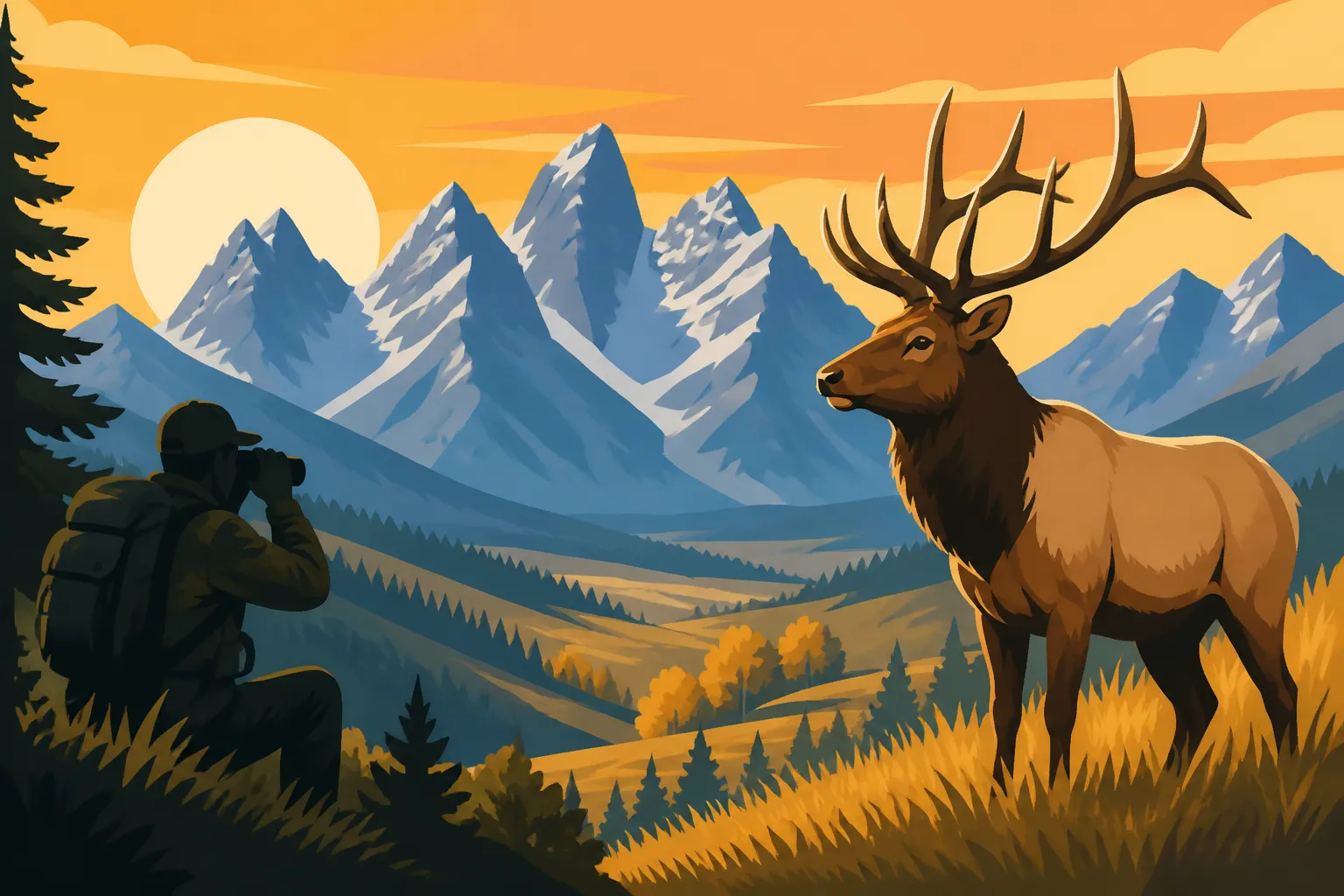
The Elk Country Inside the Bridger-Teton
Hunting elk in the vast, rugged landscape of Wyoming is an experience unlike any other, but for many, the sheer scale of areas like the Bridger-Teton National Forest can feel overwhelming. Figuring out where to even begin looking for elk, let alone how to navigate such immense and challenging terrain, is a common hurdle. This guide is designed to peel back the layers of the Bridger-Teton, focusing on its prime elk country and providing actionable insights for a successful hunt.
Understanding the Bridger-Teton National Forest for Elk Hunting
The Bridger-Teton National Forest is a colossal piece of land, covering over 3.4 million acres in western Wyoming. It's a place of breathtaking beauty, but also of demanding wilderness, where elevation changes are dramatic, and the weather can turn on a dime. This isn't your backyard woodlot hunt; it requires meticulous planning and a deep respect for the backcountry.
Geographic Scope and Terrain Challenges
Imagine mountains soaring to over 13,000 feet, deeply carved canyons, vast expanses of dark timber, and high-alpine meadows. That's the Bridger-Teton in a nutshell. The terrain is incredibly diverse, ranging from sagebrush flats at lower elevations that elk might use in the shoulder seasons, to dense lodgepole pine forests, and up into the subalpine and alpine zones of fir, spruce, and open tundra. These varied habitats mean elk behavior can differ significantly across the forest.
For hunters, this diversity presents a unique set of challenges. Access can be limited to foot or horseback in many areas, particularly as you push deeper into designated wilderness. The sheer vertical gain can be exhausting, testing even the most seasoned hunters. Finding consistent water sources, avoiding private land pockets that checkerboard some sections, and understanding how elk utilize these different facets of the landscape are all critical components of planning. The elk aren't just in the Bridger-Teton; they're in specific niches within it, adapting to the available forage, cover, and water, often dictated by elevation and aspect.
Key Elk Habits and Seasonal Movements
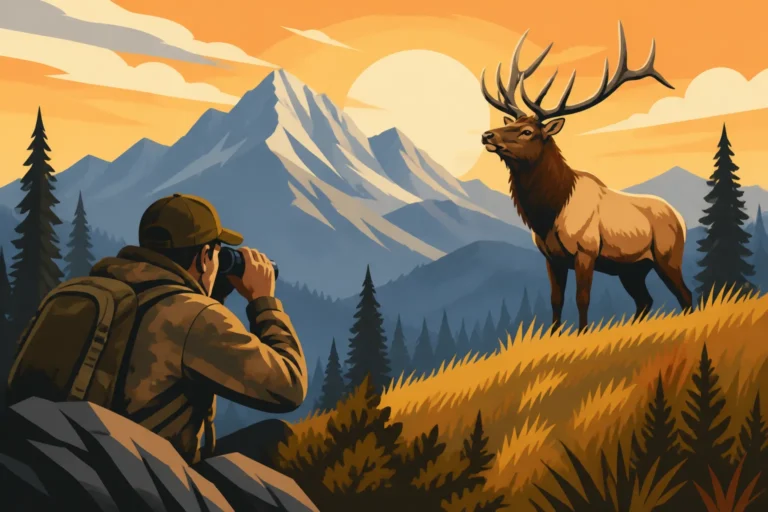
Elk in the Bridger-Teton are constantly on the move, driven by the seasons, forage availability, and hunting pressure. In the early archery season, you might find bulls in higher, cooler elevations, often near timberline or in secluded basins, still enjoying lush summer feed before the rut kicks in. As the rut approaches in mid-September, their patterns shift dramatically. Bulls become more vocal and less cautious, often descending to engage cows in more open timber or meadows, where their bugles echo through the mountains. How to Bugle a Wyoming Bull Into Bow Range becomes a key tactic here.
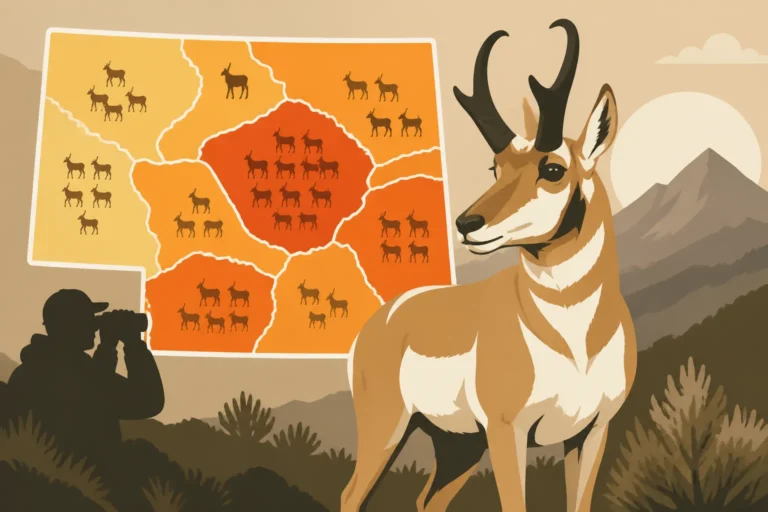
Once rifle seasons open and hunting pressure increases, elk tend to seek refuge in the thickest timber, often on north-facing slopes, or move into designated wilderness areas where human access is more restricted. Later in the season, as winter approaches and snow begins to accumulate at higher elevations, elk will typically migrate to lower-elevation winter ranges, sometimes utilizing sagebrush benches or areas with less snowpack to find food. Understanding these patterns is paramount. You need to scout not just where they are but where they will be when your tag is valid. This is where understanding Wyoming Elk Herd Units and Winter Range can make a huge difference in your planning.
Navigating the Vastness: Tools and Tactics
Hunting the Bridger-Teton without modern navigation tools is akin to sailing the ocean without a compass—possible, but fraught with peril. The scale of this forest demands sophisticated planning and on-the-ground awareness.
Utilizing Mapping Technology for Planning
In today's hunting world, digital mapping applications are indispensable, especially in a place like the Bridger-Teton. I couldn't imagine planning a hunt out here without one. Tools like onX Hunt allow you to meticulously scout potential areas from the comfort of your home, identifying public and private land boundaries, crucial for avoiding trespass issues in areas with mixed ownership. You can mark potential water sources, bedding areas, travel corridors, and escape routes. The satellite imagery helps you visualize the terrain, pinpointing hidden clearings in dense timber or identifying the type of forest cover an elk herd might prefer.
Before you even set foot on the mountain, you can spend hours zooming in on contours, checking aspect for sun exposure, and looking for saddles and benches that funnel animal movement. This pre-season work is crucial for narrowing down vast stretches of forest into manageable hunting blocks. E-Scouting a Unit Before the Season Opens outlines just how powerful these tools can be in a state like Wyoming.
E-Scouting and Understanding Hunt Area Boundaries
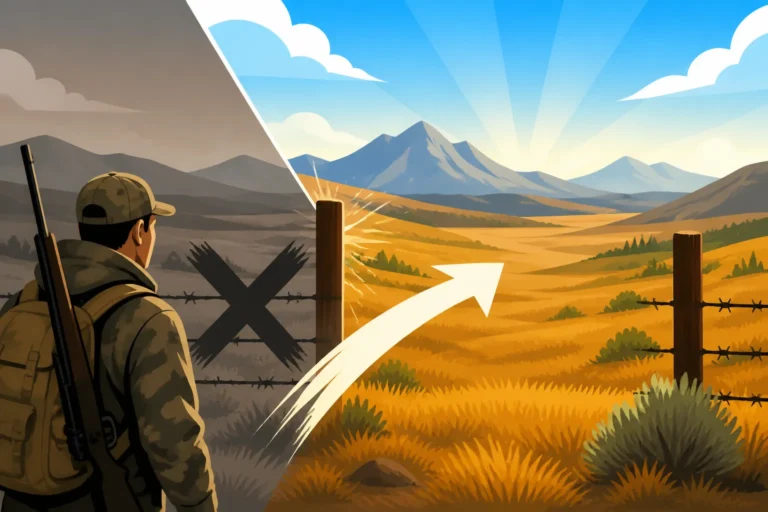
Beyond just knowing the public/private divide, it's vital to understand the specific hunt area boundaries within the Bridger-Teton. This forest encompasses parts of several different elk hunt units, and the regulations, season dates, and license types can vary significantly from one unit to the next. Using e-scouting platforms, you can overlay these unit boundaries onto the topographic and satellite maps. This ensures you're applying for the correct tag and, more importantly, hunting legally once you're in the field.
Resources like GoHunt can also be invaluable here, offering detailed draw odds, application strategies, and unit profiles that can help you understand the quality of elk hunting in specific areas of the Bridger-Teton. While these platforms don't replace boots on the ground, they help you make educated decisions about where to focus your limited time and energy. Always double-check these digital boundaries against the official Wyoming Game and Fish Department maps and regulations to be absolutely certain of your location and legal standing.
Strategies for Success in Bridger-Teton Elk Country
Success in the Bridger-Teton isn't just about showing up; it's about understanding the environment and employing smart strategies tailored to this unique landscape.
Identifying Productive Elk Habitat Features
Elk are creatures of habit and opportunity. In the Bridger-Teton, they seek out specific habitat features that provide food, water, and security. When you're glassing a basin or studying your topo map, look for:
- North-facing slopes: These often hold snow longer, providing cooler temperatures in early season and lusher forage. They also offer thermal cover, keeping elk out of direct sun.
- Dense timber pockets: Lodgepole pine, spruce, and fir stands offer excellent security cover, especially on ridges and saddles that connect feeding and bedding areas. Elk will disappear into these dark timber havens when pressured.
- High-elevation benches and plateaus: These often provide nutritious forage during summer and early fall, along with excellent vantage points for elk to watch for danger.
- Water sources: Seeps, springs, small streams, and alpine lakes are magnets for elk, especially during dry periods.
- Saddles and ridges: These act as natural travel corridors, funnelling elk movement between different parts of their range.
Knowing how to read these features on a map and then confirm them in the field is a skill that takes time, but it's essential for consistent elk encounters. Terrain That Hides an Approach will be your best friend when you finally spot a bull in one of these areas.
| Terrain Feature | How Elk Use It in Bridger-Teton | Hunter Strategy |
|---|---|---|
| North-Facing Slopes | Cooler temperatures, dense thermal cover, persistent forage. | Focus early season efforts here; good for bedding areas during warmer parts of day. |
| Dense Timber Pockets | Security cover, escape routes, bedding. Often holds elk under pressure. | Still hunt quietly; use calls to locate within the timber. |
| High-Elevation Benches | Summer/early fall feeding, vantage for security. | Glass extensively at dawn/dusk; use optics to locate feeding elk. |
| Water Sources | Essential for drinking, especially in dry conditions. | Identify on maps; watch during midday hours, especially during rut. |
| Saddles and Ridges | Travel corridors between feeding/bedding; escape routes. | Position yourself to intercept moving elk at dawn/dusk. |
Access Points and Wilderness Considerations
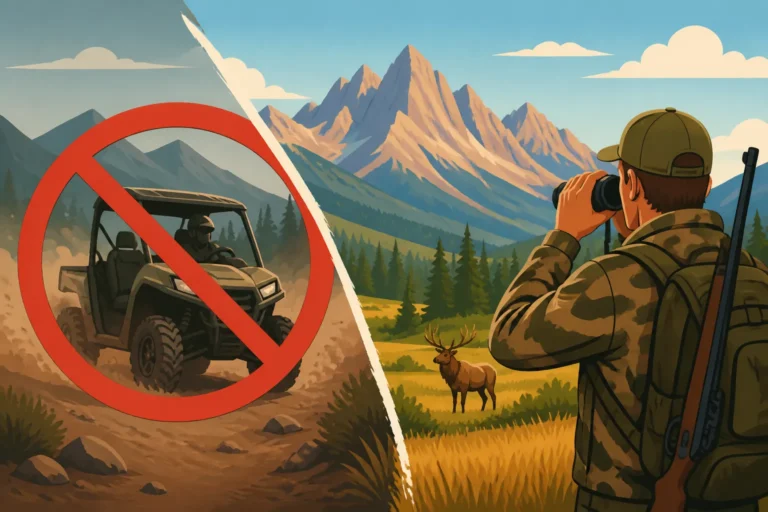
Access into the Bridger-Teton National Forest is primarily via forest roads and numerous trailheads. Some areas are easily accessible, while others require extensive hiking or horseback travel. Key access points include those off Highway 191/189 south of Jackson, and various roads branching off near Pinedale, Dubois, and other gateway communities. Always check with the Forest Service or Wyoming Game and Fish for current road closures, as conditions can change rapidly due to weather or seasonal restrictions.
A significant portion of the Bridger-Teton is designated wilderness, including parts of the Gros Ventre, Wind River, and Teton Wilderness areas. These are truly wild places, and they come with specific regulations, particularly for non-resident hunters. Namely, non-residents are generally required to hire a licensed guide or be accompanied by a resident guide in designated wilderness areas when hunting elk, moose, bighorn sheep, or mountain goat. This is a critical point to remember and often overlooked by hunters planning a DIY trip. It’s important to familiarize yourself with Wilderness Rules Every Wyoming Nonresident Should Know and specifically The Wilderness Guide Rule for Elk Hunters. This requirement often leads many non-residents to explore other public lands in Wyoming or consider a guided hunt package if they have their heart set on a wilderness experience. What a Guided Wyoming Elk Hunt Costs can vary greatly, so research is key.
Physical Preparation and On-the-Ground Execution
No amount of e-scouting or gear can replace physical conditioning and solid hunting skills when you're deep in the Bridger-Teton's elk country.
The Importance of Physical Fitness
I cannot stress this enough: elk hunting in the Bridger-Teton is an endurance event. You'll be climbing steep grades at high altitudes, often covering many miles daily with a heavy pack. Your lungs will burn, your legs will ache, and every step will be a conscious effort. Physical Conditioning for a Mountain Hunt isn't just a suggestion; it's a requirement if you want to be effective and, more importantly, safe. Start your training months in advance, focusing on cardio, strength, and endurance. Incorporate weighted pack hikes on inclines to simulate actual hunting conditions.
Beyond physical exertion, high altitudes can affect your body. Many areas of the Bridger-Teton sit above 7,000 feet, with significant hunting opportunities much higher. Coming from sea level, you may experience symptoms of altitude sickness, which can severely impact your hunt and your health. Acclimatizing for a few days before your hunt, staying hydrated, and avoiding alcohol can help, but being in peak physical shape is your best defense.
Essential Gear for Backcountry Elk Hunting
Your gear can make or break your hunt in this environment. It needs to be durable, functional, and appropriate for extreme conditions. Here’s a quick rundown of essentials:
- Reliable Footwear: Sturdy, waterproof, and broken-in hiking boots are non-negotiable. Pair them with quality wool socks.
- Layered Clothing: The weather can swing wildly from warm sun to driving snow in a single day. Pack layers that allow you to adapt: a good base layer, insulating mid-layers, and a waterproof/windproof outer shell.
- Navigation Tools: A GPS device with pre-loaded maps (like onX Hunt) and a traditional compass with a physical map are both essential. Batteries die, and technology fails. Always have a backup.
- Optics: High-quality binoculars (10×42 or 12×50 are popular) and a spotting scope are critical for glassing vast distances. Optics Power for Wyoming's Long Sightlines is a good read.
- First-Aid Kit: A comprehensive kit, and the knowledge of how to use it, is vital for any backcountry trip.
- Shelter and Sleep System: If you're backpacking, a lightweight tent, sleeping bag rated for cold temperatures, and a sleeping pad are crucial.
- Water Filtration/Purification: Carry a reliable filter or chemical treatment.
- Communication: A satellite messenger or phone is a wise investment for emergencies, as cell service is non-existent in much of the Bridger-Teton.
Remember, every item in your pack adds weight. Choose wisely, prioritize essentials, and practice with your gear before the hunt to ensure familiarity and confidence in the field.
Disclaimer
This article is for general informational purposes only and does not constitute professional advice. Laws, prices and regulations vary by location and change over time. Consult a qualified professional for guidance on your specific situation.