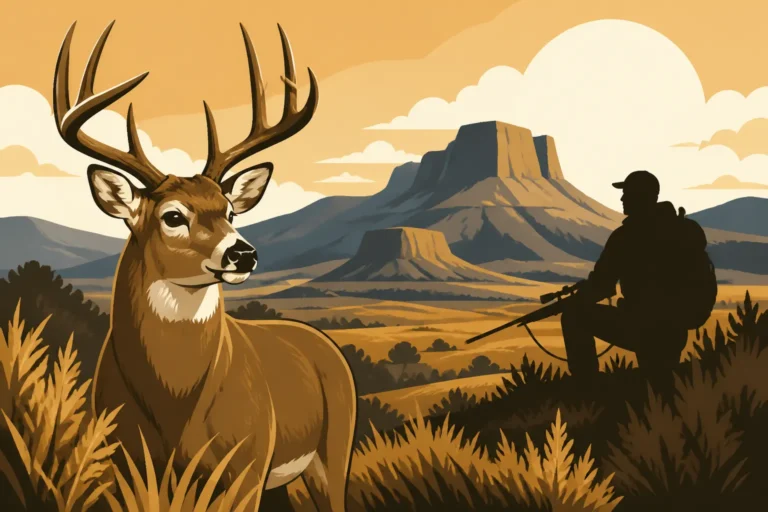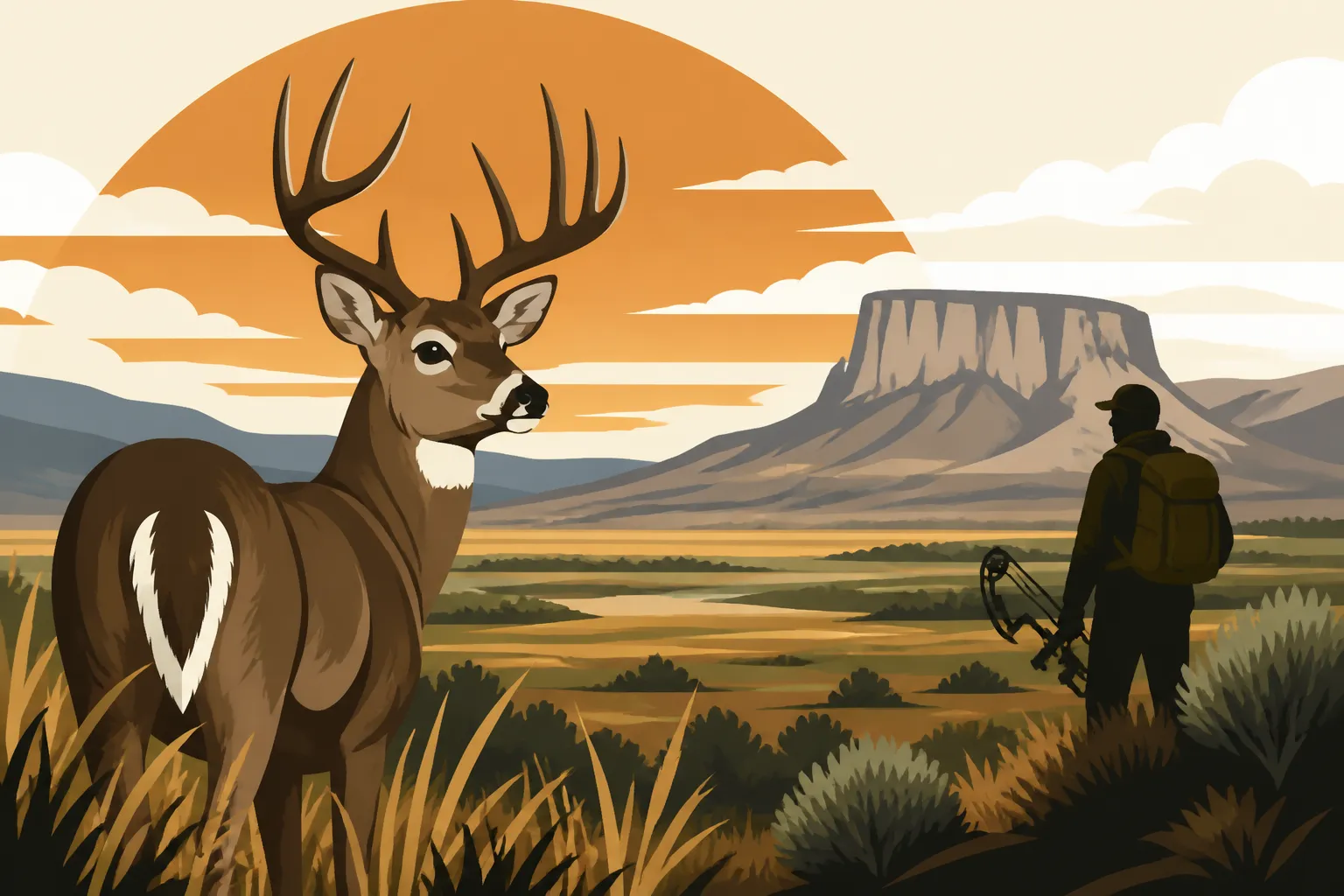
The Whitetail Bottoms of Sheridan County
Hunting whitetail deer in Wyoming? For many, that conjures images of endless sagebrush, vast plains, and spot-and-stalk tactics for mule deer or pronghorn. But for those in the know, the thick river bottoms of eastern Wyoming, particularly in places like Sheridan County, offer a completely different and equally rewarding challenge: chasing wily whitetails. This guide will dive deep into what makes Sheridan County's whitetail bottoms unique, the specific challenges you'll face, and how to approach hunting these overlooked deer.
Understanding Sheridan County's Whitetail Habitat
Sheridan County, nestled against the Bighorn Mountains on its western flank, stretches eastward into the rolling plains. While the mountainous areas and higher country are classic mule deer habitat, it's the rich, fertile river and creek bottoms that provide ideal sanctuary for whitetails. These aren't your typical open-country deer; they're masters of concealment, preferring dense cover, often right on the edge of agricultural fields.
The Riparian Corridors: Whitetail Havens
When we talk about "whitetail bottoms" in Sheridan County, we're primarily referring to the riparian corridors along waterways like the Tongue River, the Powder River, and their numerous tributaries and smaller creeks such as Big Goose Creek, Little Goose Creek, and Prairie Dog Creek. These areas are characterized by:
- Dense Cover: Think cottonwood galleries, willow thickets, chokecherry bushes, Russian olive, and heavy brush. This creates an almost impenetrable jungle in places, offering whitetails abundant security cover where they can disappear completely. It's a stark contrast to the open draws and sparse timber often associated with western big game hunting. This dense vegetation is precisely what allows whitetail deer to thrive and hide effectively from predators, including hunters.
- Abundant Water Sources: Naturally, being "bottoms," these areas are defined by water. Whitetails are never far from a drink, which also supports the lush vegetation they rely on for food and cover. This constant access to water is a key factor in their localized distribution in this otherwise drier landscape.
- Agricultural Edges: Many of these river bottoms run through or adjacent to private agricultural lands – hay fields, corn, alfalfa. These cultivated areas provide a reliable, high-energy food source, especially in the fall as crops mature. Whitetails will often bed in the thick cover of the river bottom during the day and venture out into these fields at dawn and dusk to feed, creating predictable movement patterns for hunters who can gain access.
This distinct habitat means that traditional western hunting tactics, like long-range glassing and spot-and-stalk, often need to be modified or entirely abandoned in favor of techniques more common to Midwestern or Eastern whitetail hunting. Understanding this landscape is your first step to success. You'll spend less time peering through a spotting scope from a distant ridge and more time focusing on terrain features that hide an approach, or finding rub lines and scrapes in thick timber.
Whitetail Against Mule Deer in Sheridan County
It's common to find both whitetail and mule deer in Sheridan County, sometimes even in the same general area, but their preferred habitats usually keep them somewhat segregated. Mule deer typically favor the more open, broken sagebrush hills, ponderosa pine pockets, and mountainous terrain, relying on their incredible eyesight and bounding escape to survive. Whitetails, however, are masters of the shadows and thickets.
You'll generally find whitetails sticking close to the water and dense cover of the river bottoms, rarely straying far from the security it offers. Mule deer might occasionally venture into these areas, particularly during migration or if pushed, but they usually won't reside there permanently. Learning to differentiate between the two, not just by antler shape but by their preferred environment and behavior, is crucial. If you're seeing big ears and a stiff-legged gait in wide-open country, it's likely a mule deer. If you're glimpsing a nervous flicker of a tail in the thickest brush imaginable, that's your whitetail. Recognizing Telling a Whitetail From a Mule Deer in Wyoming early will save you time and help focus your hunting efforts.
Accessing Whitetail Country: The Private Land Puzzle
This is often the biggest hurdle for hunters looking to pursue whitetails in Sheridan County: the vast majority of these prime river bottom habitats are on private land. Unlike the expansive public lands found in other parts of Wyoming, the fertile lowlands along the rivers and creeks are heavily owned by private landowners, often ranchers or farmers.
The Realities of Private Land Ownership
You might spot whitetails from the road, feeding in fields, or crossing property lines, but without permission, these animals are off-limits. This can be incredibly frustrating, as you know the deer are there, but access feels impossible. The checkerboard pattern of land ownership, where private and public sections alternate, is far less common in these productive agricultural bottomlands. You’re more likely to encounter continuous blocks of private ground.
Securing permission from landowners is paramount. This isn't always easy, as many properties are leased by outfitters or are kept private for family and friends. However, a polite, respectful approach can sometimes open doors, especially if you're offering to help manage deer populations on properties where they might be causing crop damage. Be prepared to ask well in advance of the season, and always follow any specific rules the landowner sets. Remember, you're a guest on their land.
Tools for Navigating Land Ownership
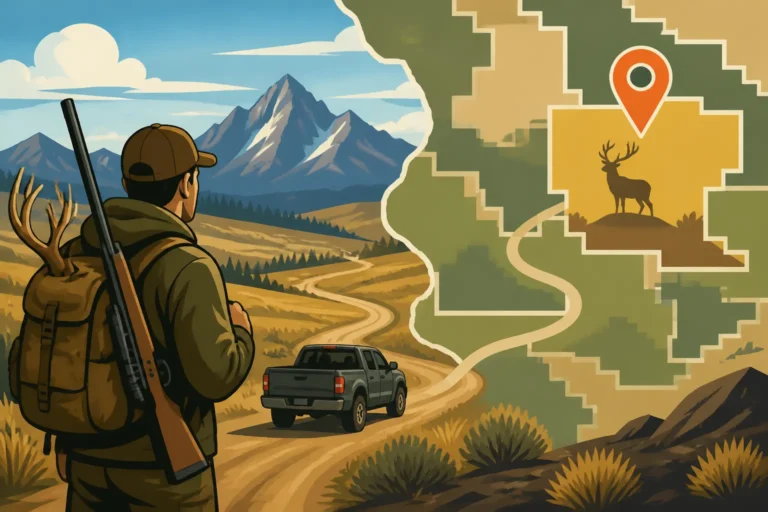
This is where modern mapping tools become absolutely indispensable. Apps like onX Hunt are invaluable for identifying land ownership boundaries, distinguishing between public and private parcels, and sometimes even showing land manager names. While you'll still need to physically contact landowners for permission, onX helps you pinpoint exactly whose land you're looking at and avoids accidental trespass.
- Boundary Clarity: With onX Hunt, you can see property lines clearly, helping you understand where public land ends and private land begins. This is critical when trying to determine if a small sliver of public ground might exist along a river, or when mapping out potential access routes if permission is granted.
- Public Access Programs: While rarer in the prime whitetail river bottoms, some areas in Wyoming are enrolled in public access programs like Access Yes, which includes Walk-In Areas (WIAs) and Hunter Management Areas (HMAs). These programs provide public hunting opportunities on private lands. While not abundant in the highly sought-after whitetail haunts, it's always worth checking the Wyoming Game and Fish Department's interactive maps to see if any such areas exist in Sheridan County that could offer whitetail access. For HMAs, remember you often need a permission slip from the Wyoming Game and Fish Department, while WIAs usually do not require one.
Always consult official Wyoming Game and Fish Department maps and resources for the most up-to-date information on public access programs. Never assume access based solely on what a map app shows; verification with the landowner or Game and Fish is always the safest bet.
Strategies for Hunting Whitetail in Riparian Zones
Once you've secured access to these whitetail-rich bottoms, your hunting strategy will need to adapt to the terrain. Forget those long-range shots across wide-open basins; this is close-quarters, cover-intensive hunting.
Stand Hunting: The Classic Approach
Given the dense cover and the whitetail's reliance on established travel corridors, stand hunting (either from a tree stand or a ground blind) is often the most effective tactic.
- Scouting is Key: Before setting up, thorough scouting is essential. Look for natural funnels where deer movement is restricted, heavy rub lines indicating a buck's presence, active scrape lines, and well-used trails connecting bedding areas to feeding grounds. Pay close attention to wind direction in relation to these trails and potential stand sites. Whitetails are incredibly sensitive to human scent, so playing the wind is non-negotiable.
- Placement and Concealment: Your stand needs to be placed strategically, offering good visibility into expected travel routes without silhouetting you. Consider the sun's position at dawn and dusk. For a ground blind, ensure it's brushed in thoroughly and set up well in advance of your hunt to allow deer to get used to its presence. You want to blend in so well that deer literally walk past you without a second glance.
- Rut Timing: Understanding When Whitetail Rut Dates Fall on the Plains is crucial. The whitetail rut typically peaks in mid-November, and during this period, bucks become much more active during daylight hours, cruising for does. This can make them more vulnerable and responsive to calling, and you might find them venturing further from their core bedding areas. Setting up on pinch points between known doe bedding areas and feeding fields can be deadly during this time.
Still Hunting and Stalking in Thick Cover
While stand hunting is often primary, still hunting (moving slowly and deliberately through the woods, stopping frequently to observe) can also be productive, particularly in situations where you're unsure of specific travel patterns or if you prefer a more active hunt.
- Slow and Steady: This isn't a race. Take a few steps, then pause for several minutes, scanning every shadow and clump of brush. Look for horizontal lines (a deer's back), contrasting colors (a patch of white), or even just a flick of an ear. Your eyes should constantly be searching for parts of a deer, not just the whole animal.
- Wind and Noise: Just like with stand hunting, always be mindful of the wind. A slight shift can carry your scent right to a bedded deer. Movement should be silent; wear soft clothing and choose your footsteps carefully to avoid snapping twigs. The dense cover means you'll be within close range if you do spot a deer, so stealth is paramount.
- Focus on Sign: As you still hunt, keep an eye out for fresh tracks, droppings, rubs, and scrapes. These are clues left by whitetails, telling you where they’ve been and often where they're heading. Fresh sign can guide your stalk and help you predict movement, even in the thickest spots. Reading Fresh Elk Sign in Dark Timber offers a similar philosophy that can be applied to dense whitetail cover, focusing on recent activity to inform your movements.
Gear Considerations for Whitetail Bottoms
Your gear choices will also adapt to this environment.
- Optics: While powerful spotting scopes are crucial for open country, in the dense bottoms, a good pair of 8x or 10x binoculars will be your primary optic. You'll be looking for subtle movements and deer parts in shadows, not judging antlers at a mile.
- Clothing: Quiet, durable clothing that can withstand brush and thorns is a must. Scent control is also critical; full scent-elimination systems can make a difference, as deer in these areas are likely to be extremely wary of human odor.
- Footwear: Waterproof boots are essential, as you'll be dealing with damp conditions, dew-laden grass, and potentially crossing shallow water. Traction is also important for navigating uneven, brushy terrain.
- Weapon Choice: For rifle hunters, a mid-range caliber suitable for dense brush and quick shots is ideal. For bowhunters, the close quarters mean shot opportunities can be fleeting, demanding quick, confident drawing and shooting. Whether Fixed Blade Against Mechanical Broadheads on Elk applies to whitetails or not, ensure your broadheads are sharp and suitable for penetrating heavy bone if the shot presents itself.
General Season Framework and Expectations
Wyoming's deer seasons are structured with both general and limited quota licenses, and understanding these is critical for planning your whitetail hunt in Sheridan County. While specific dates and unit boundaries change, the general framework remains consistent.
License Types and Season Dates
Most whitetail hunting in the river bottoms falls under either a general deer license or specific limited quota deer licenses.
- General Deer Licenses: These tags often cover vast areas and typically have longer seasons, allowing for both archery and rifle hunting. They are often available over the counter or with very few preference points, making them a popular choice for both residents and nonresidents. A general deer license might be your entry point into the whitetail bottoms. Remember that these generally allow you to hunt any antlered deer, but some units might have antler point restrictions. You can learn more about Wyoming General Deer Licenses Over the Counter.
- Limited Quota Licenses: These are specific tags for certain hunt areas (units) and often have stricter quotas and sometimes antler point restrictions. They require applying through the draw, which can involve preference points, especially for prime units. For whitetail, you might find Type 1 (any deer) or Type 6/7/8 (doe/fawn) licenses, depending on the unit and management objectives. The Type 6, 7 and 8 doe-fawn licenses are often available at a reduced price and can be an excellent way to gain access and fill your freezer, especially if trophy hunting isn't your primary goal.
- Archery Season: Wyoming typically offers an archery-only season that precedes the general rifle season. This can be a fantastic opportunity for bowhunters to pursue whitetails before gun pressure begins. Check the regulations for When Wyoming's Archery Deer Season Opens and closes for the specific hunt area you plan to pursue.
- Rifle Season: The general rifle season usually opens in October and runs into November, often coinciding with the early to peak rut periods for whitetails. These dates can vary significantly by hunt area, so always consult the current year's regulations for Sheridan County.
It's absolutely vital to consult the current year's Wyoming Game and Fish Department hunting regulations booklet for the exact season dates, unit boundaries, and specific rules for Sheridan County. Regulations can change annually, and knowing them precisely is your responsibility as a hunter. Using tools like GoHunt can help you research draw odds and historical harvest data for specific units, aiding in your application strategy if you decide to go for a limited quota tag.
Hunting Pressure and Ethical Considerations
Because much of the prime whitetail habitat is on private land, hunting pressure on publicly accessible river bottoms (if you can find them) can be intense. Be prepared for company if you're on public land, and always exercise good etiquette.
- Respect Boundaries: Whether public or private, always know where you are. Use your GPS with land ownership maps. Unintentional trespass is a serious offense and can ruin landowner relations for everyone.
- CWD Management: Chronic Wasting Disease (CWD) is a concern in Wyoming. While specific CWD management areas and rules can change, be aware of any requirements for testing harvested animals or specific carcass transport rules. The Wyoming Game and Fish Department provides detailed information on Scent Lure Limits Near CWD Management Areas and other regulations aimed at limiting the spread of this disease.
- Harvest Reporting and Tagging: After a successful harvest, ensure you understand and follow all tagging and harvest reporting requirements. Know How Soon You Must Tag a Downed Animal and any specific instructions for field dressing and transporting your game.
Hunting whitetails in Sheridan County's river bottoms offers a unique and intimate hunting experience that often surprises those accustomed to more wide-open western hunts. It demands patience, stealth, attention to detail, and often, the persistence to secure private land access. But for those willing to put in the effort, the reward of a mature whitetail buck emerging from the thick cover can be incredibly satisfying.
Disclaimer
This article is for general informational purposes only and does not constitute professional advice. Laws, prices and regulations vary by location and change over time. Consult a qualified professional for guidance on your specific situation.