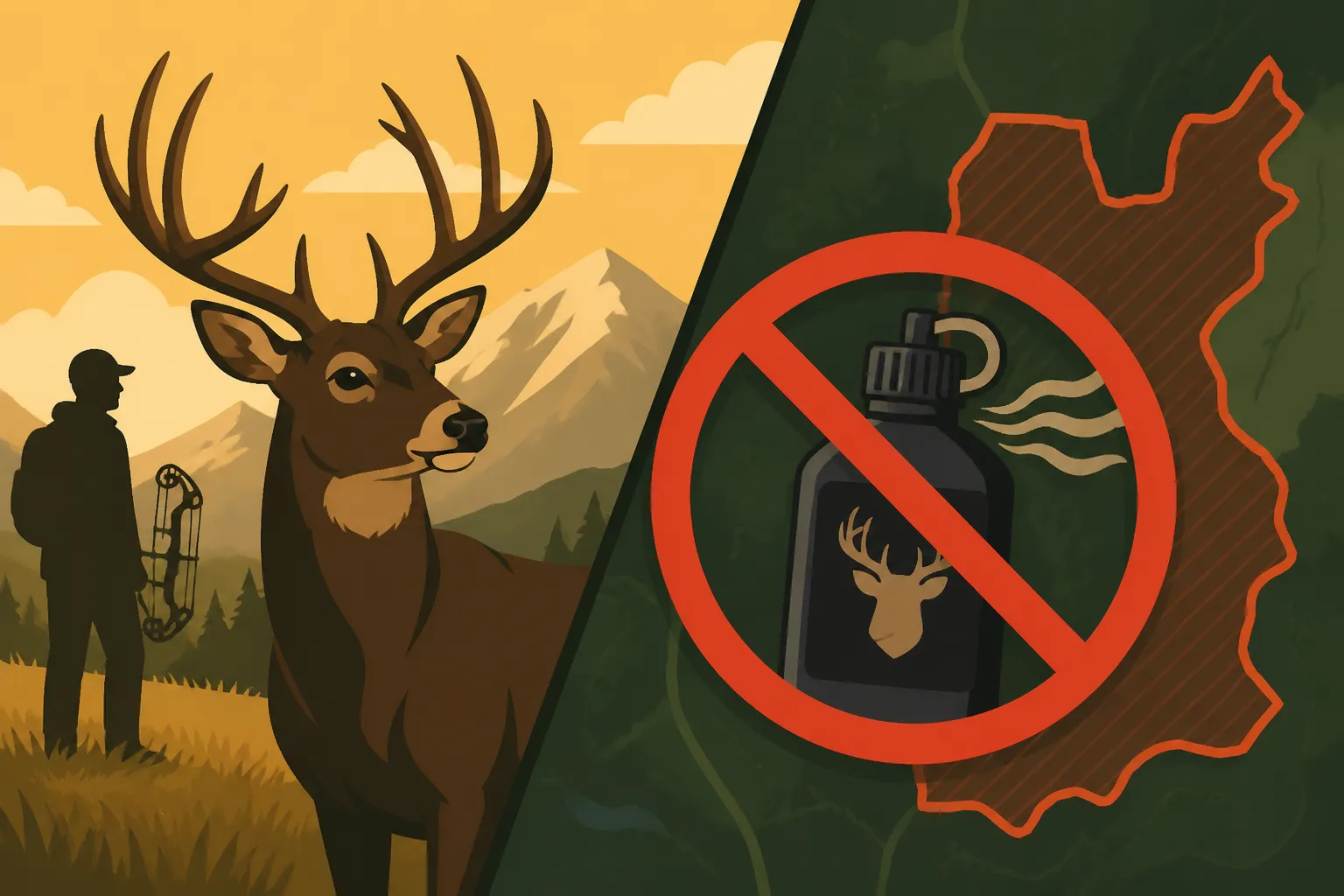
Scent Lure Limits Near CWD Management Areas
It’s a real head-scratcher when you’re out in the field, trying to give yourself every possible edge, and suddenly realize your tried-and-true scent lures might actually be doing more harm than good, or worse, be illegal. The concern around Chronic Wasting Disease (CWD) has changed the game significantly, especially when it comes to what we can and can't use to attract game. This guide is here to untangle the complexities of scent lure limits near CWD management areas in Wyoming, helping you stay compliant and ethical in your hunting pursuits.
Understanding CWD and Its Spread in Wyoming
Chronic Wasting Disease (CWD) is one of those topics that can feel overwhelming, but it's absolutely crucial for every hunter to grasp, especially here in Wyoming. It’s not just a buzzword; it's a very real threat to our beloved deer, elk, and moose populations.
The Basics of Chronic Wasting Disease
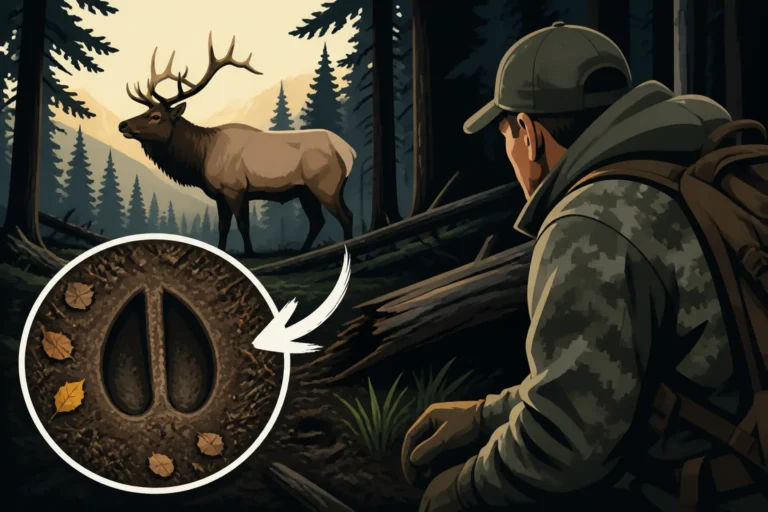
At its core, CWD is a neurological disease that affects cervids – that's deer, elk, and moose. It's caused by abnormal proteins called prions, and it’s always fatal. Animals infected with CWD might appear healthy for a long time, but eventually, they'll show symptoms like drastic weight loss (hence "wasting"), stumbling, listlessness, excessive salivation, and a changed demeanor. Imagine seeing an animal that looks like it's starving in the middle of lush forage – that's a tell-tale sign. The scariest part? There's no cure, and once an animal contracts it, its fate is sealed.
The impact of CWD on our herds is significant. Beyond the individual animals suffering, CWD can lead to population declines and alter herd structures. It's a slow burn, not a sudden catastrophe, but its cumulative effect can be devastating to hunting opportunities and the overall health of the ecosystem. Concerns like Wyoming Elk, the Feedgrounds and the Disease Question highlight how these diseases can become particularly problematic in areas where animals congregate, making management even more critical.
How CWD Prions Transmit
Understanding how CWD spreads is key to understanding why certain hunting practices, like using particular scent lures, are now under scrutiny. CWD prions are incredibly hardy and can persist in the environment for years, making them a formidable challenge.
Transmission primarily occurs through direct animal-to-animal contact, like when animals groom each other or share food sources. But it's not just direct contact. The prions are shed through saliva, urine, feces, and even decomposing carcasses. When an infected animal leaves behind these biological materials, the prions can contaminate the soil, plants, and water, effectively creating reservoirs of the disease. Another critical pathway for transmission, and one that directly relates to our discussion, is through the improper movement or introduction of biological materials – like urine-based scent lures – from one area to another. This is where the risk of unknowingly introducing or spreading CWD becomes very real, and why regulations have become so strict.
Wyoming's Regulations on Scent Lures in CWD Areas
The Wyoming Game and Fish Department (WGFD) has been proactive in addressing the CWD threat, and that includes taking a hard look at anything that could potentially spread the disease. Scent lures, particularly those derived from natural animal products, have come under the microscope.
The Specific Prohibitions and Restrictions
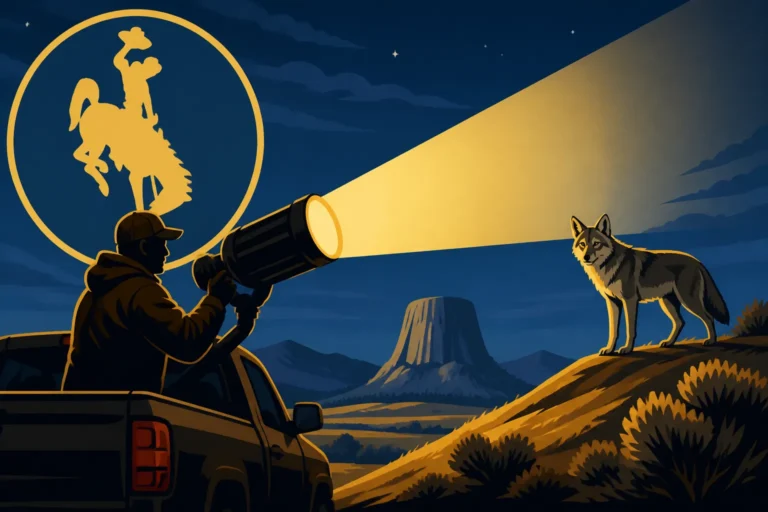
Here's the deal: Wyoming law prohibits the possession or use of any substance that contains or is derived from any cervid secretion, excretion, or tissue for the purpose of hunting any big game animal. This means if it's made from deer urine, elk scent glands, or any other part of a cervid, it's generally a no-go for attracting big game. The only exception explicitly mentioned is for natural urine from a cervid that was legally harvested in Wyoming, provided you’re using it within the same hunt area where the animal was taken. That's a pretty tight restriction, and it pretty much rules out commercial urine-based lures for most hunters.
These regulations aren't just statewide; they're especially emphasized in areas designated as CWD Management Areas or CWD Surveillance Areas. These are zones where the WGFD is actively monitoring or trying to control the spread of CWD. If you're planning a hunt, it's absolutely vital to know if your chosen area falls within one of these zones. You can usually find detailed maps and specific regulations by checking Where the Current Wyoming Regulations Are Posted on the WGFD website or using a mapping tool like GoHunt's platform which often integrates these regulatory boundaries. The goal here is simple: minimize any potential pathway for CWD prions to move between animals or across landscapes.
Why Natural Urine-Based Lures are a Concern
The reasoning behind restricting natural urine-based lures is rooted in science and a healthy dose of caution. Even if a deer or elk appears healthy, it could be carrying CWD prions and shedding them through its urine. When that urine is collected, bottled, and sold as a scent lure, it carries the potential to transfer those prions.
Imagine a scenario: a urine lure collected from a CWD-infected deer in a high-prevalence area is then deployed in a low-prevalence or CWD-free area of Wyoming. While the risk might seem small to an individual hunter, when you multiply that by thousands of hunters across the state, the potential for introducing CWD prions into new populations becomes significant. The prions are incredibly resistant to degradation and disinfectants, meaning they can persist on clothing, equipment, and in the environment long after the hunting season is over. This is a crucial aspect of What CWD on the Feedgrounds Means for Hunters – concentrating animals and introducing foreign materials simply compounds the risk. It’s a measure to protect our wild herds from a disease that has no known cure and devastating long-term consequences.
Navigating CWD Management Areas with Scent Lures
So, you've got your tag, your gear is ready, but now you're wondering how to actually hunt effectively without relying on those familiar scent lures, especially if you're in a CWD-prone area. It’s definitely an adjustment, but not one that will ruin your hunt!
Identifying CWD Management and Surveillance Areas
First things first, you need to know where you stand. The Wyoming Game and Fish Department (WGFD) is the ultimate authority here. Their website is typically where you’ll find the most up-to-date maps and specific hunt area regulations. These maps will clearly delineate CWD Management Areas and Surveillance Areas. Think of these as red flags on the map, indicating areas where extra caution and strict adherence to scent lure rules are paramount.
Beyond the official WGFD site, many reputable hunting resources, like the mapping layers available through GoHunt, integrate this critical information. Before you ever leave your living room, make sure you're doing your Scouting a Wyoming Unit From Your Kitchen Table and checking these maps. Cross-referencing your chosen hunt area with the latest CWD regulations is non-negotiable. Don't assume anything; rules can change, and ignorance isn't an excuse in the eyes of a game warden.
Approved Alternatives and Best Practices
Okay, so natural urine-based lures are out. Does that mean you can't use any scent to gain an advantage? Absolutely not! The good news is that there are many synthetic scent lures on the market that do not contain natural cervid products. These are generally permitted because they don't carry the same CWD transmission risk. When you're shopping, always check the label carefully to ensure it's explicitly synthetic and free from any cervid-derived ingredients. Some hunters find success with attractants based on food scents like apple or acorn, or even purely curiosity-driven synthetic cover scents.
Beyond lures, adapting your strategy is key. Focus more on calling, decoying, and understanding animal behavior. For elk, mastering How to Bugle a Wyoming Bull Into Bow Range or using cow calls can be incredibly effective. For deer and antelope, visual decoys, patience, and a deep understanding of terrain and wind direction (like Reading Wind on an Open-Country Stalk) become even more critical.
And let’s not forget general biosecurity. Properly disposing of carcasses by leaving them at the kill site or at designated WGFD carcass disposal sites is crucial. Always thoroughly clean your boots, clothing, and all hunting gear before moving between hunt areas, especially if one is a known CWD area. This prevents the accidental transport of prions on your equipment.
The Impact on Your Hunting Strategy
Adapting your hunting strategy around scent lure limitations, especially in CWD management areas, means leaning into other tried-and-true methods and being extra diligent about biosecurity. It’s an evolution, not an elimination, of your hunting toolkit.
Adapting Your Calling and Attracting Techniques
When urine-based lures are off the table, your vocalizations and visual aids become even more vital. For elk hunters, this means honing your bugles, chirps, and mews. Early season often favors locator bugles to find bulls, while during the rut, aggressive calling sequences and cow calls can draw them in. Understanding the nuances of Bugle and Cow Call Timing Through the Rut is critical. If you're hunting mule deer or whitetails, calls like grunts, snorts, wheezes, or even fawn bleats can pique their curiosity without introducing biological risk. Pay close attention to the wind, as scent plays a huge role even without manufactured lures; a deer's nose is always working overtime.
Decoys are another excellent alternative. A well-placed elk, deer, or even a smaller doe or fawn decoy can sometimes be all it takes to bring a wary animal within range, especially when combined with realistic calling. Remember to always consult the regulations for any specific rules around decoys in your chosen hunt area, and ensure you're aware of blaze orange requirements when using decoys, particularly during rifle seasons. Even Electronic Calls and What Wyoming Allows might be an option for certain species, so it’s worth checking the specific rules.
Gear Cleaning and Biosecurity Measures
This is where being a responsible hunter really shines. CWD prions are tenacious, so thorough cleaning is not just a good idea, it's an ethical imperative. After a hunt, especially if you’ve been in a CWD area, all your gear needs attention. This includes your boots, clothing, backpacks, and anything that came into contact with soil or animal matter.
For boots and other hard surfaces, a stiff brush and a bleach solution (e.g., 5% bleach) or a specialized CWD-effective disinfectant can help inactivate prions. Make sure to rinse thoroughly afterwards. For clothing, a hot wash with detergent is a good start. The main takeaway is to prevent any biological material from being transported. If you harvested an animal, particularly in a CWD area, proper carcass disposal is paramount. The WGFD provides guidance and often has designated collection sites. Transporting the skull plate and antlers, which typically contain brain and spinal tissue, usually requires specific handling to prevent the spread. This due diligence helps protect other herds and ensures the health of Wyoming's wildlife for future generations.
Permitted vs. Restricted Scent Lures in Wyoming
To help simplify things, here’s a quick overview of what you can and can't generally use as a scent lure for big game hunting in Wyoming, especially with CWD in mind. Always remember to double-check the latest Wyoming Game and Fish regulations for your specific hunt area, as rules can be updated.
| Scent Lure Type | General Status in Wyoming | Explanation |
|---|---|---|
| Natural Urine (Commercial, from cervids) | Prohibited | Contains or is derived from cervid secretions/excretions; high risk of CWD prion transmission. |
| Natural Urine (Self-collected from legally harvested Wyoming cervid) | Permitted (with strict limits) | Must be from an animal legally harvested by the hunter in Wyoming, and used within the same hunt area of harvest. Not for commercial use or transport. |
| Glandular Extracts (Commercial, from cervids) | Prohibited | Contains or is derived from cervid tissue; high risk of CWD prion transmission. |
| Synthetic Urine or Gland Lures | Generally Permitted | Manufactured to mimic natural scents but contains no actual cervid biological material, thus no CWD risk. Always verify "synthetic" on the label. |
| Food-Based Attractants (e.g., apple, acorn) | Generally Permitted (but check baiting rules) | Attracts curiosity; no CWD risk. However, Baiting Black Bear Against Baiting Big Game in Wyoming highlights that baiting big game is generally prohibited, so use as a "lure" not "bait." |
| Cover Scents (e.g., pine, earth, human scent eliminators) | Generally Permitted | Used to mask human odor or blend into natural environment; no CWD risk. |
This table provides a snapshot, but it's really about understanding the "why" behind the rules. The WGFD is trying to protect our game, and that means limiting potential vectors for disease.
Hunting in Wyoming is a privilege, and being a responsible hunter means staying informed and adapting to regulations designed to protect our wildlife. The limitations on scent lures near CWD management areas might change how you approach your hunt, but with a little adjustment and reliance on proven techniques, you can still have an incredibly successful and ethical experience. Always consult official WGFD resources, use tools like the A Walkthrough of the Wyoming Hunt Planner, and stay updated before heading afield.
Disclaimer
The information provided in this guide is for general informational purposes only and does not constitute legal advice. Hunting regulations in Wyoming are subject to change, and it is the hunter's responsibility to consult the most current Wyoming Game and Fish Department regulations and statutes before engaging in any hunting activities. Failure to do so may result in fines or penalties.