The Affidavit a Wyoming Resident Guide Must File
It’s a scenario many of us have faced: you’ve got a good buddy, a cousin, or even a grown child who lives out of state, and they’ve always dreamed of hunting big game in Wyoming. You know the country, you know the animals, and you want nothing more than to share that incredible experience with them. But then you start hearing whispers about guide laws, affidavits, and strict rules. Suddenly, what seemed like a simple, generous offer to help a friend out can feel like navigating a legal minefield. This guide is here to untangle the specifics of the Wyoming resident guide affidavit, explaining exactly what it is, why it matters, and how to ensure you're squared away with the law so you can focus on making memories, not worrying about legal headaches.
The Foundation: Why Wyoming Has Resident Guide Rules
Wyoming is a state deeply committed to preserving its wildlife and the integrity of its hunting heritage. Part of that commitment involves a clear distinction between casual, uncompensated assistance from a resident friend and the professional services of a licensed guide or outfitter. It might seem overly bureaucratic at first glance, but these regulations exist for some very solid reasons that benefit everyone, especially the wildlife and the ethical hunters.
Protecting the Integrity of Commercial Guiding
Imagine you’re a professional outfitter in Wyoming. You’ve invested years, countless dollars, and incredible effort to become licensed, insured, and permitted to operate on public lands. You follow a strict code of conduct, pay fees, and undergo regular scrutiny. Now, imagine someone else is running what amounts to a commercial guiding operation, taking clients for "donations" or "expense sharing," but without any of the overhead or oversight. That’s not a fair playing field, and it undermines the entire system designed to ensure quality, safety, and accountability within the professional guiding industry.
The affidavit requirement helps draw a bright line. It clearly states that if you’re a resident helping another hunter, especially a nonresident, you are not providing a commercial service. This isn’t about discouraging friendly assistance; it’s about preventing illegal, unlicensed guiding that could exploit hunters, disregard game laws, and ultimately harm the reputation of Wyoming hunting. Without this distinction, the value of a legitimate, Wyoming Professional Guide License Requirements in Wyoming would be significantly diminished, and the state would lose its ability to regulate and oversee hunting services.
Ensuring Accountability and Preventing Misuse
The Wyoming Game and Fish Department (WGFD) needs to know who is out there providing assistance, especially when nonresidents are involved. This isn't about tracking your every move, but rather about accountability. If an incident occurs, or if there's a question about adherence to hunting laws, the WGFD needs clear documentation of who was involved and in what capacity. The affidavit serves as that formal declaration.
It prevents situations where someone might attempt to bend the rules, perhaps by claiming to be "just a friend" while actually taking money under the table. This transparency helps maintain order and trust in the system. It also ensures that resident hunters understand the responsibilities they take on when acting as a guide, even in an informal capacity. It’s a way to say, "I understand the rules, I agree to follow them, and I'm accountable for my actions while assisting this hunter."
Who Qualifies as a Resident Guide and Their Scope of Assistance
The idea of a "resident guide" in Wyoming isn't about carrying a special badge or having a professional license that your buddy just acquired. It's about a specific legal designation for a resident who assists another hunter without compensation, often within specific parameters. Understanding who qualifies and what their limits are is absolutely essential before heading into the field.
Resident Status and Age Requirements
First and foremost, to act as a resident guide in Wyoming, you must be a bona fide resident of the state. This means you meet the legal definition of residency established by Wyoming Game and Fish, which generally involves living in the state for a continuous period and demonstrating intent to remain, often with things like driver's licenses, voter registration, and vehicle registration. You can't just be a part-time resident or someone with a vacation home; it needs to be your primary residence.
Beyond residency, there's also an age requirement. The individual acting as the resident guide must be at least 18 years old. This aligns with the legal age of responsibility and ensures that the person offering guidance is mature enough to understand and uphold hunting regulations, make sound decisions in the field, and properly supervise the assisted hunter. While a younger family member might be an excellent hunting companion, they can't fulfill the formal role of a resident guide under the affidavit system.
The Critical "Uncompensated" Clause
This is where many well-intentioned plans can go awry, and it's perhaps the most important detail of the resident guide affidavit. The core principle is that a resident guide cannot receive any compensation, direct or indirect, for their services. This isn't just about cash changing hands. "Compensation" is broadly defined and can include:
- Money: This is obvious, but any direct payment for your time, expertise, or services.
- Gifts: Expensive gear, a new rifle, a paid vacation, or other significant gifts intended as payment.
- Services in Kind: Trading guiding services for other services, like car repairs, construction work, or professional consultation. The Exchange of Guide Services Rule Explained is often misunderstood, but it's clearly designed to prevent this kind of backdoor compensation.
- Reimbursement for Expenses Beyond Your Own: While you can certainly split camp costs, gas, or groceries, if your friend is paying for your tag, your rifle, or your personal hunting gear as part of the "deal," that could be construed as indirect compensation.
The intent is that you are helping a friend or family member purely out of goodwill, as a gesture of friendship or kinship, not as a business transaction. If there's any perceived financial benefit to you, or if the "hunter" is merely a client disguised as a friend, you're stepping into the territory of illegal guiding. The state takes this very seriously, so err on the side of extreme caution when it comes to anything that might be seen as payment.
Limitations on Number of Hunters and Hunt Areas
A resident guide isn't meant to run a small, informal outfitting operation. There are strict limits on how many hunters one resident guide can assist. Typically, How Many Mentees One Mentor May Supervise is limited to two nonresident hunters at any given time. This ensures that the resident can provide adequate, personal supervision and isn't overwhelmed. It also reinforces the idea of personal assistance rather than a commercial group hunt.
Moreover, there are specific geographic limitations that apply to resident guides, particularly concerning wilderness areas. Wyoming has designated wilderness areas where, by federal law, special rules apply to commercial operations. For many big game species, The Wilderness Guide Rule for Elk Hunters specifically states that nonresidents hunting elk, bighorn sheep, or moose within a designated wilderness area must employ a licensed professional outfitter. This is a crucial distinction. Even if you've filed a resident guide affidavit, you cannot take a nonresident into these wilderness areas for these specific species. It’s vital to understand Which Wyoming Wilderness Areas Trigger the Rule before planning your hunt.
The WGFD regulations are quite clear on this. Always consult the most current regulations to confirm if your planned hunt area and species fall under these wilderness restrictions. Ignorance of the law is never an excuse.
Step-by-Step: Filing the Resident Guide Affidavit
Now that we understand the 'why' and the 'who,' let's talk about the 'how.' The process of filing a resident guide affidavit is straightforward, but it requires attention to detail and timely submission. It's not something you want to scramble to do at the last minute.
Obtaining the Correct Form
The first step is to get your hands on the official Resident Guide Affidavit form. You won't find this tucked away in a dusty cabinet; it's readily available from the Wyoming Game and Fish Department.
- Online: The easiest way is usually to visit the official WGFD website. Look for sections related to hunting licenses, regulations, or forms. A quick search for "Resident Guide Affidavit" should lead you right to it. You can often download and print the form directly.
- WGFD Offices: If you prefer a physical copy or have questions, you can always stop by any WGFD regional office or headquarters. The staff there are typically very helpful and can provide you with the form and answer any specific questions you might have about its completion. This can be especially useful if you're navigating complex scenarios or need clarification on what counts as compensation. Wyoming Game and Fish Department contact information can help you locate the nearest office.
Make sure you're using the most current version of the form, as regulations can occasionally be updated, and older forms might not be accepted.
Required Information and Accurate Completion
Once you have the form, take your time filling it out. Accuracy is paramount. The form will generally ask for the following key pieces of information:
- Your Information (The Resident Guide): Full name, address, phone number, date of birth, and your Wyoming hunting license number. This verifies your resident status and identifies you as the responsible party.
- Assisted Hunter(s) Information: Full name, address, phone number, date of birth, and their Wyoming hunting license number. If they are nonresidents, it will be their nonresident license number. Remember the limit: typically no more than two nonresident hunters per resident guide.
- Specific Hunt Details: This will include the species being hunted (e.g., elk, deer, antelope), the hunt area number(s) (e.g., Elk Area 7, Deer Area 15), and the dates of the hunt. Being specific here helps the WGFD track activity and ensures you are aware of the legal parameters of the hunt. You can find these details on the hunters' licenses and in the official regulations booklets.
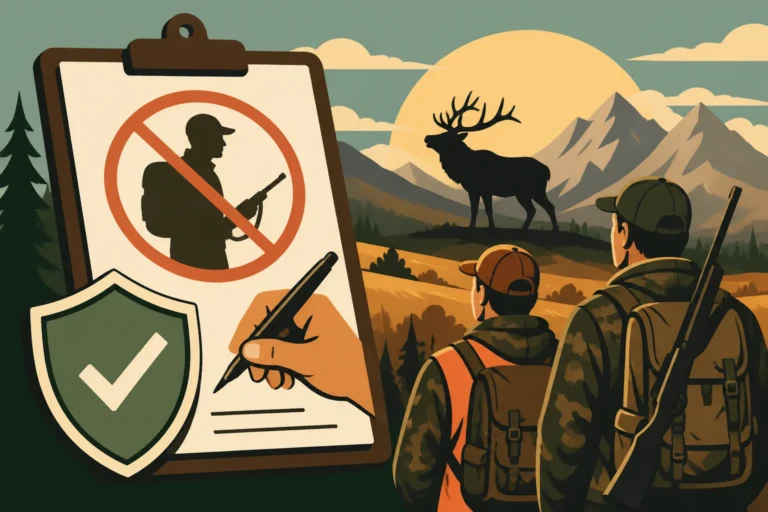
- Affirmation of Non-Compensation: This is a critical section where you legally declare that you will not receive any form of compensation, direct or indirect, for your services as a resident guide. This is a sworn statement, so falsifying it has serious legal consequences.
- Signatures: Both you, the resident guide, and the assisted hunter(s) will need to sign and date the affidavit. This confirms that all parties understand and agree to the terms.
Double-check everything. A minor error, like a transposed license number or an incorrect hunt area, could lead to complications or even invalidate the affidavit, putting you and your hunting partners at risk.
Submission Deadlines and Methods
The affidavit isn't a post-hunt formality; it needs to be filed before you embark on the hunt. The specific deadline can vary, but generally, it's best to submit it well in advance of your hunting dates. This gives the WGFD time to process it and confirms everything is in order. Don't wait until the day before opening morning!
Submission methods typically include:
- Mail: You can mail the completed and signed form to the WGFD headquarters or a regional office. Always send it with a method that provides proof of delivery, like certified mail, for your records.
- In-Person: Hand-delivering the form to a WGFD office is another option, ensuring it's received directly.
- Online/Email (if available): Some states are moving towards digital submissions. Check the current WGFD website or call them to see if an email submission or an online portal is an option. If emailing, save a copy of the sent email for your records.
Always retain a copy of the completed and filed affidavit for your own records, and ideally, have a copy with you in the field along with your hunting license and conservation stamp. While a warden might not always ask for it, having it readily available demonstrates your adherence to the law.
Important Restrictions and Common Misunderstandings
Even with the affidavit filed, there are nuances and specific scenarios that often trip up well-meaning resident guides. It's not enough to just fill out a form; you need to understand the spirit and practical application of the rules.
The Nuance of "Compensation"
As mentioned earlier, the concept of "compensation" extends far beyond a direct cash payment. This is where most hunters make innocent mistakes that can have serious repercussions. The WGFD defines compensation broadly to prevent any circumvention of the licensed outfitter regulations.
Consider these scenarios:
- Sharing Expenses: Perfectly fine for shared costs like gas, groceries for camp, or a contribution to communal gear. However, if your nonresident friend is buying you a new spotting scope or covering the cost of your personal hunting rifle as part of the trip, that moves into compensation territory.
- Future Favors: An agreement where your friend will "guide" you on a turkey hunt in their home state next year, in exchange for your Wyoming help, could be seen as an indirect exchange of services. The law is designed to prevent this.
- Advertising Your Services: If you are publicly offering your services to guide nonresidents, even if you claim it's "free" and you'll file an affidavit, that activity itself may be viewed as attempting to operate as an unlicensed guide. The intent of the affidavit is for personal relationships, not an open invitation for clients.
The rule of thumb should always be: if it feels like a transaction, it probably is. The purpose of the affidavit is to facilitate genuine, uncompensated assistance between friends and family, not to provide a loophole for unlicensed commercial activity. If you are ever in doubt, contact the WGFD directly for clarification. It’s better to ask upfront than face a citation in the field.
Wilderness Area Limitations
This cannot be stressed enough: the resident guide affidavit does not override the specific requirement for nonresidents to use a licensed professional outfitter when hunting certain big game species in designated wilderness areas. This is a federal rule, and Wyoming strictly enforces it.
Species typically covered by this rule include elk, bighorn sheep, and moose. So, if your friend drew a highly coveted Moose Hunt District Boundaries Explained tag in a wilderness unit, even with your resident guide affidavit, they must hire a licensed Wyoming outfitter to guide them. You can still be part of the hunt, but the primary guide service must be professional and licensed.
This is often a painful reality for hunters who planned an epic DIY trip into pristine backcountry with a resident buddy. Unfortunately, the law is clear, and the penalties for non-compliance in wilderness areas can be severe, ranging from hefty fines to confiscation of equipment and loss of hunting privileges. Always check Wyoming's Wilderness Guide Law for Nonresidents if you're even contemplating a hunt in such an area.
General License vs. Limited Quota Hunts
While the affidavit applies regardless of the license type, it's worth noting that many nonresident hunters pursue limited quota tags in Wyoming. These tags are highly sought after and can take years of applying and building preference points through programs like Buying Wyoming Preference Points Without Applying for a Tag.
When you're helping a friend on a limited quota hunt, the stakes feel even higher because of the investment they've made to draw that tag. The need to ensure all legalities, including the resident guide affidavit, are meticulously followed becomes even more critical. You don't want a legal technicality to jeopardize a hunt that someone has literally waited a decade for. Whether it's a Wyoming's General Elk Licenses and Where They Work or a hard-to-draw Wyoming Limited Quota Deer License Types, the affidavit's requirements remain the same.
The Ramifications of Non-Compliance
It's easy to dismiss regulations as minor inconveniences, but in Wyoming, failing to comply with guide laws, especially concerning the affidavit, can lead to serious consequences. The state protects its wildlife resources and hunting industry vigorously, and enforcement is not something to take lightly.
Penalties for Illegal Guiding
If you are found to be acting as an unlicensed outfitter or guide—meaning you are providing commercial services without the proper licenses and permits, or you've submitted a fraudulent affidavit to bypass commercial requirements—the penalties can be substantial. These aren't just slaps on the wrist; they are designed to be a deterrent.
Potential penalties include:
- Hefty Fines: Fines can range from several hundred to several thousand dollars, depending on the severity and nature of the violation.
- Confiscation of Game and Equipment: This is a particularly painful consequence. Any game harvested during an illegal guiding activity can be confiscated, along with weapons, vehicles, and other equipment used in the commission of the offense. Imagine losing your prized rifle or even your truck.
- Loss of Hunting Privileges: You could face a suspension or revocation of your hunting privileges in Wyoming, and potentially in other states through interstate compacts. This means you might not be able to hunt in Wyoming, or even anywhere else, for several years.
- Criminal Charges: In more egregious cases, or for repeat offenders, illegal guiding can lead to misdemeanor or even felony charges, which carry even more severe penalties, including potential jail time.
These consequences aren't theoretical; they happen. Game wardens are highly trained professionals who take their jobs seriously, and they are adept at distinguishing between a genuine act of friendship and an attempt to operate an illegal commercial business.
Impact on the Hunted Party
It's not just the resident guide who faces repercussions. The nonresident hunter being "guided" illegally can also suffer significant losses. They could lose their harvested animal, face fines, and have their license revoked. For someone who has invested significant time and money into a dream hunt, perhaps even coming from across the country, this can be devastating.
Imagine the crushing disappointment of having a trophy bull elk confiscated, not because of a hunting infraction, but because the person "helping" them failed to adhere to state guiding laws. This is why due diligence is critical for both the resident offering help and the nonresident accepting it.
Maintaining the Integrity of Wyoming's Hunting Heritage
Ultimately, these rules are about more than just legalities; they are about preserving the future of hunting in Wyoming. A strong, well-regulated outfitting industry contributes to the state's economy and supports wildlife management. Undermining that system with illegal operations can erode public trust, create unsafe situations, and ultimately harm the very wildlife resources we all cherish.
Every hunter has a responsibility to understand and follow the rules. By diligently completing the resident guide affidavit and adhering to its limitations, you contribute to a system that ensures fair play, accountability, and the long-term health of Wyoming's hunting opportunities for everyone.
Planning Your Hunt with a Resident Guide: Best Practices
So, you've decided to go the resident guide affidavit route. Fantastic! This is a wonderful way to share the Wyoming experience. To make sure everything goes smoothly, some planning and best practices can really make a difference.
Open Communication and Realistic Expectations
Before you even fill out that affidavit, sit down with your hunting partner(s) and have a completely open and honest conversation. Discuss:
- The "Uncompensated" Rule: Clearly explain what this means. Make sure they understand that this is a gesture of friendship, not a paid service. Talk about shared expenses for gas, food, and lodging that are appropriate and avoid anything that could be construed as compensation for your time or services.
- Your Role: Clarify what you will and won't be doing. You're there to assist, advise, and share your knowledge, but you are not a professional outfitter. This might mean you're not solely responsible for finding their animal or setting up their camp, but rather a collaborative effort.
- Their Responsibilities: Emphasize that ultimately, they are responsible for their own hunting decisions, ethics, and compliance with all laws.
- Physical Demands: Be realistic about the terrain and physical demands of the hunt. If you're chasing elk in the mountains, fitness is paramount. Discussing this upfront prevents issues and ensures everyone is prepared. Physical Conditioning for a Mountain Hunt is critical for a successful trip.
This upfront conversation sets clear expectations, prevents misunderstandings, and fosters a truly collaborative hunting experience.
Pre-Hunt Scouting and Preparation
As the resident who knows the area, your input on pre-hunt scouting is invaluable. This is where your local knowledge can shine, and it's a great way to contribute to the hunt without violating any rules.
- E-Scouting Together: Even if your friend is hundreds or thousands of miles away, you can "e-scout" together using online mapping tools. You can share insights on terrain, water sources, and potential bedding areas. Tools like GoHunt offer detailed maps and data layers that can be incredibly helpful for this, allowing you to identify possible access points, historic animal movements, and even potential seasonal closures.
- Boots-on-the-Ground Scouting: If possible and practical, do some physical scouting of the hunt unit before your friend arrives. This could involve checking recent game sign, looking at access roads, or verifying public land boundaries. This kind of preparation ensures you’re not wasting valuable hunting time once your friend arrives.
- Gear and Logistics: Discuss gear lists, camp setup, food plans, and transportation logistics well in advance. Having a solid plan for how you'll get to the hunting grounds, where you'll camp, and what equipment you'll need eliminates last-minute stress.
Utilizing Resources Wisely
While you're not hiring an outfitter, resources designed for hunt planning can still be incredibly useful.
- WGFD Website and Regulations: Always, always, always refer to the official WGFD website and the most current hunting regulations. These are the definitive source of truth.
- Online Hunting Forums and Communities: Many online forums dedicated to Wyoming hunting can provide current anecdotal information about conditions, herd movements, and general area advice. Just be sure to sift through information critically.
- Brand Resources: If, after exploring the resident guide option, you or your friend decide that a professional service would be a better fit, resources like BookYourHunt can be invaluable. They connect hunters with licensed outfitters, providing detailed information on available hunts, pricing structures, and success rates. It's a great way to research reputable operations if the uncompensated resident guide route turns out not to be the best option for your specific hunt goals, especially for those challenging Shiras Moose: A Wyoming Tag Measured in Decades or Wyoming Bighorn Sheep Random Odds Sit Under One Percent hunts that often require specialized knowledge and equipment.
By combining your resident knowledge with meticulous planning and the proper legal framework of the resident guide affidavit, you can create a memorable and successful Wyoming hunting experience for your friends or family, all while staying firmly within the bounds of the law.
Resident Guide and Outfitter: A Quick Comparison
To help clarify the differences, here's a quick comparison between a Wyoming Resident Guide (under affidavit) and a Professional Outfitter:
| Feature | Wyoming Resident Guide (under Affidavit) | Professional Outfitter |
|---|---|---|
| Compensation | None allowed, direct or indirect | Paid service, commercial operation |
| License/Permit | Resident hunting license + filed affidavit | State outfitter license, permits (BLM, FS) |
| Number of Hunters | Max 2 nonresidents per resident guide | Varies by outfitter, area, and regulations |
| Wilderness Areas | Cannot guide nonresidents for elk/sheep/moose | Required for nonresidents for specific species |
| Insurance/Bonding | Not required for resident guide | Required by state for commercial operation |
| Purpose | Uncompensated assistance to friends/family | Commercial provision of hunting services |
| Services Provided | Share knowledge, assist, accompany | Full range of services: scouting, guiding, lodging, meals, animal retrieval, etc. |
This table clearly outlines the different roles and responsibilities. The resident guide affidavit allows you to share your passion and knowledge without turning your friendly assistance into an illegal commercial venture.
Disclaimer
This article is for general informational purposes only and does not constitute professional advice. Laws, prices and regulations vary by location and change over time. Consult a qualified professional for guidance on your specific situation.