Guide to Hunter Ratio Limits on a Trip
One of the most critical, and often misunderstood, aspects of planning a guided hunt in Wyoming, especially for non-residents, revolves around the guide-to-hunter ratio. It’s easy to get lost in the excitement of drawing a tag or booking a trip, only to realize later that you’re unsure how many guides your group is actually entitled to, or even legally required to have. This guide will meticulously break down the rules, exceptions, and practical implications of Wyoming's guide-to-hunter ratio limits, ensuring you embark on your adventure fully informed.
Understanding Wyoming's Guide-to-Hunter Ratio Requirements
Wyoming, like many Western states, has specific regulations governing how many hunters a licensed guide can accompany at one time, particularly in certain areas. These rules are put in place for a few key reasons: safety, ensuring a quality experience, and managing the impact on wildlife and wilderness areas. Ignoring these regulations isn't just a minor oversight; it can lead to serious consequences for both the outfitter and the hunter.
The Core Rule: One Guide Per Two Nonresidents
The foundational rule, and one that trips up many a hunter planning their dream trip, is that in designated wilderness areas, a licensed outfitter must provide at least one guide for every two non-resident hunters. This isn't a suggestion; it's a hard and fast legal requirement. You can find this explicitly stated in the regulations, and it's something every reputable outfitter will adhere to. This regulation is crucial for non-residents who plan to hunt in Wyoming's expansive and often challenging wilderness.
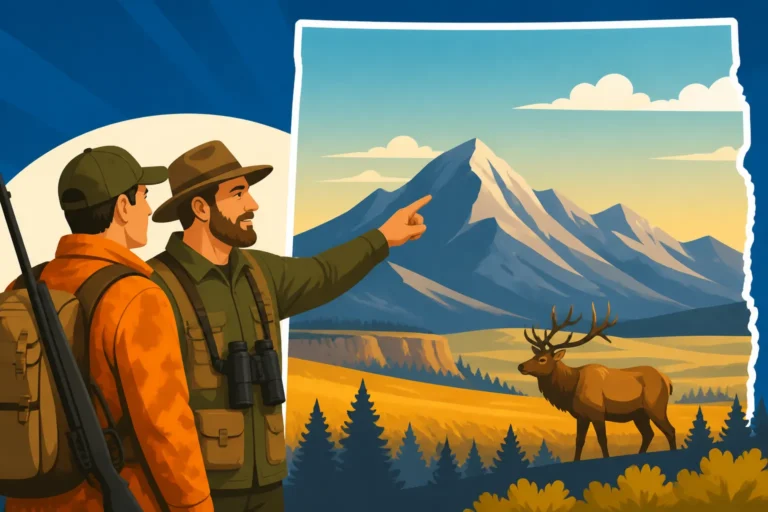
Let's break down what this looks like in practice. If you're a single non-resident hunter heading into a wilderness area for elk, you'll have a guide dedicated to you. If you and a buddy are going, you'll share one guide. This is the 1:2 ratio in action. Now, if your group consists of three non-resident hunters, the outfitter needs to provide two guides to maintain that ratio (one guide for two, and another guide for the third person). A group of four non-resident hunters would require two guides. It scales up from there. This ensures that each hunter has adequate supervision, assistance, and expertise in what can be truly wild and rugged country. It also helps manage safety risks, as hunting in the backcountry often involves navigating difficult terrain, dealing with unpredictable weather, and potentially encountering dangerous wildlife. The more eyes and experienced hands, the better.
Who Does This Ratio Apply To?
This specific guide-to-hunter ratio, particularly the 1:2 rule, primarily applies to non-resident hunters when they are hunting big game species within designated wilderness areas. The species that typically trigger this rule include elk, bighorn sheep, moose, and mountain goat. So, if you're a non-resident planning an elk hunt in the Bridger-Teton Wilderness, for example, this rule is absolutely paramount. Wyoming's Wilderness Guide Law for Nonresidents lays out this requirement quite clearly.
However, if you're hunting outside a designated wilderness area, or if you're a Wyoming resident, the strict 1:2 guide ratio doesn't apply in the same way. For instance, a resident hunter doesn't need a licensed guide to hunt in a wilderness area, although many choose to use one for logistical support or expertise. For hunts on private land or public land outside of wilderness areas, the ratio requirements are generally more flexible, though an outfitter will still assign guides based on their operational practices and the hunt's difficulty. It’s always smart to clarify these details with your chosen outfitter well in advance, no matter where you plan to hunt.
Exceptions and Nuances to the Ratio Rule
While the one guide per two non-residents in wilderness areas is a cornerstone regulation, Wyoming's rules do offer a few specific exceptions and alternative arrangements that hunters should be aware of. Understanding these can help you plan your trip, especially if you're hunting with local friends or on private ground.
The Resident Guide Affidavit and Its Limits
One significant exception to the professional guide requirement for non-residents in wilderness areas comes into play if you have a Wyoming resident friend who wants to accompany you. A Wyoming resident, who is over 18, hunter education certified (if required), and possesses a valid Wyoming hunting license, can act as your guide. However, there's a crucial catch: they absolutely cannot receive any payment or compensation for their services. This isn't a loophole for a cheap guided hunt; it's designed to allow friends and family to share the wilderness experience.
To utilize this exception, the resident guide must complete and file a "Resident Guide Affidavit" with the Wyoming Game and Fish Department before the hunt begins. This affidavit is a legal document affirming they are not being paid and will accompany the non-resident hunter(s) into the wilderness area. What the Resident Guide Affidavit Must Name includes details on the information required for this form. The resident guide must also maintain direct supervision, meaning they need to be in voice and visual contact with the non-resident hunter(s) at all times while hunting. There are also limits on how many non-residents one resident guide can accompany; it's generally restricted to a maximum of two non-residents per resident guide. So, while a resident friend can absolutely share a wilderness adventure with you, they can't be treated like a professional outfitter, and the paperwork needs to be in order. Can a Resident Friend Guide You Legally? further clarifies the specific rules surrounding this scenario.
Landowner Guiding and Outfitters on Private Ground
The guide-to-hunter ratio rules often differ when hunting takes place entirely on private land. If you're hunting on private deeded land, the landowner or their full-time employees can often guide hunters without needing to be a licensed outfitter, and the strict guide ratios might not apply in the same way. This is because the landowner is considered to be managing access and activities on their own property. They might still choose to assign a specific guide ratio for safety or quality control, but it's not mandated by state law in the same manner as wilderness areas.
When booking a private land hunt through a licensed outfitter, the outfitter is still responsible for adhering to professional standards. However, since the hunt isn't occurring in a designated wilderness area, the 1:2 non-resident guide ratio doesn't strictly apply. The outfitter will still provide guides, and they might still operate at a 1:2 or 1:1 ratio because it's good business practice, but it's not a legal mandate for the private land portion of the hunt. This flexibility often means a wider range of outfitting services and pricing structures can be found on private land hunts compared to those strictly confined to wilderness. Understanding The Landowner Exemption From Wyoming's Guide Rule can shed more light on these specific arrangements.
Practical Implications for Your Hunting Trip
Knowing the legal guide-to-hunter ratios is one thing, but understanding the practical implications for your actual hunting trip is another entirely. These ratios influence everything from your group dynamics to the overall cost and quality of your experience.
Planning Your Group Size and Outfitter Choice
The number of hunters in your group directly impacts how many guides you'll need and, consequently, the overall cost of your trip. If you're a solo non-resident hunter targeting elk in a wilderness area, you'll be paying for a dedicated 1:1 guide service, which is often the most expensive option but offers the most personalized attention. If you're hunting with one other non-resident friend, you'll typically share a guide (1:2 ratio), which can be a more cost-effective way to get into a wilderness area. For larger groups, ensuring the outfitter can meet the legal ratio can become a logistical consideration. For example, a group of five non-resident hunters in a wilderness area would technically need three guides (two pairs and one solo), which can be a complex arrangement.
When researching outfitters, don't just ask "What's your guide ratio?" but clarify when that ratio applies (e.g., in wilderness areas vs. private land). Some outfitters pride themselves on offering better-than-minimum ratios (e.g., always 1:1, even when 1:2 is legal) to enhance the client experience. This might be a selling point for them, as it can mean more personalized attention, better shot opportunities, and a more intimate hunting experience. Resources like GoHunt or BookYourHunt can be valuable for comparing outfitters and getting a sense of their typical operating ratios and pricing structures before you even start the conversation. Always remember to ask specific questions about their guide-to-hunter policies during your initial vetting process. Vetting a Wyoming Outfitter Before You Send a Deposit is a must-read to ensure you're making an informed decision.
What to Expect in Camp: Beyond the Legal Minimum
Beyond the legal guide-to-hunter ratio, it's also important to consider the overall staff-to-hunter ratio an outfitter provides. A great hunting camp isn't just about the person leading you to game; it's about the entire support system that makes the trip comfortable and efficient. This includes cooks who prepare hearty meals, wranglers who manage the horses and pack string, and camp jacks who handle daily chores and logistics.
An outfitter with ample support staff, even if their guide-to-hunter ratio is the legal minimum, often provides a superior experience. For example, if your guides are not burdened with cooking and camp duties, they can focus 100% on scouting, hunting, and client care. This translates to better-fed hunters, a cleaner camp, and guides who are well-rested and focused on the hunt. A low hunter-to-staff ratio means less waiting, more comfort, and a smoother operation. It frees up your guide to concentrate on getting you into position rather than chopping firewood or washing dishes. When discussing your trip, ask about the entire camp crew and how many people will be supporting your group. It's a key indicator of the overall quality and comfort you can expect.
Verifying Licenses and Understanding Liability
As a hunter, you have a responsibility to ensure that the services you're utilizing are legitimate and compliant with state law. This isn't just about avoiding legal trouble; it's about ensuring your safety and the integrity of the hunting industry.
Checking Outfitter and Guide Credentials
Before you commit to any outfitter or guide service, it is absolutely imperative to verify their credentials. In Wyoming, all professional outfitters must be licensed by the Wyoming Board of Outfitters and Professional Guides. This board oversees and regulates the industry, ensuring that outfitters meet specific standards for safety, insurance, and professional conduct. Every licensed outfitter will have a unique license number.
You should always ask for this license number and then independently verify it through the Wyoming Board of Outfitters and Professional Guides' website. This simple step can save you a world of heartache. Looking Up a License in the Wyoming Outfitter Board provides details on how to do this. Remember, guides themselves are typically licensed professionals who work under the umbrella of a licensed outfitter; they don't operate independently in the same way. A reputable outfitter will be transparent about their licensing and happy to provide this information. Don't hesitate to ask for references, and contact past clients to inquire about their experience, including the guide-to-hunter ratio they experienced and the professionalism of the staff.
Ensuring Safety and Adherence to Regulations
Understanding and adhering to the guide-to-hunter ratio is not just a bureaucratic formality; it's a critical component of ensuring a safe and lawful hunting experience. Outfitters who operate outside these established ratios are not only breaking the law but are also potentially compromising the safety of their clients. An overworked or stretched-thin guide might miss crucial details, leading to safety hazards or missed opportunities.
For hunters, knowingly participating in an illegal guiding operation could lead to fines, loss of hunting privileges, or even more severe legal repercussions. It's your responsibility to be informed. Always confirm with your outfitter that they plan to operate within the legal guide ratios for your specific hunt, especially if you're a non-resident hunting in a Wyoming wilderness area. This due diligence protects you, supports ethical outfitting practices, and helps maintain the high standards of Wyoming's hunting heritage.
Here's a quick comparison of guide-to-hunter scenarios in Wyoming:
| Scenario | Hunter Type | Location | Legal Guide Ratio (Minimum) | Implications for Trip |
|---|---|---|---|---|
| Solo Hunter | Non-resident | Wilderness Area | 1:1 | Most expensive, most personalized attention. |
| Two Hunters | Non-resident | Wilderness Area | 1:2 | Shared guide, more cost-effective for pairs. |
| Three Hunters | Non-resident | Wilderness Area | 2:3 (or 1:1 + 1:2) | Requires two guides; good for group dynamics. |
| Four Hunters | Non-resident | Wilderness Area | 2:4 (or two 1:2 pairs) | Requires two guides; common for larger parties. |
| Non-resident with Resident Friend | Non-resident | Wilderness Area | 1:2 (Resident as Guide) | Resident must file affidavit, cannot be paid. |
| Hunter on Private Land (Outfitter) | Resident/Non-res. | Private Land | Outfitter's Discretion | No state-mandated ratio, but outfitters maintain standards. |
| Hunter on Public Land (Non-Wilderness) | Resident/Non-res. | Non-Wilderness | Outfitter's Discretion | No state-mandated ratio, varies by outfitter. |
Remember, planning a Wyoming hunt involves more than just drawing a tag; it requires understanding the intricate rules that govern the experience. By being knowledgeable about guide-to-hunter ratios, you're not just ensuring compliance; you're setting yourself up for a safer, more enjoyable, and ultimately more successful adventure in the Equality State.
Disclaimer
This article is for general informational purposes only and does not constitute professional advice. Laws, prices and regulations vary by location and change over time. Consult a qualified professional for guidance on your specific situation.