What Ranch Access Typically Costs
It's no secret that finding prime hunting ground in Wyoming can feel like a high-stakes lottery, especially for nonresidents navigating vast public lands that might be landlocked, or for residents looking to avoid crowds. The frustration of drawing a coveted tag only to discover much of your unit is difficult to access, or over-pressured, leads many hunters to consider private ranch access. This guide will meticulously break down the typical costs associated with gaining access to private ranches in Wyoming, exploring the various factors that influence these prices and what you can expect for your investment.
Why Hunters Seek Private Ranch Access in Wyoming (And What It Is)
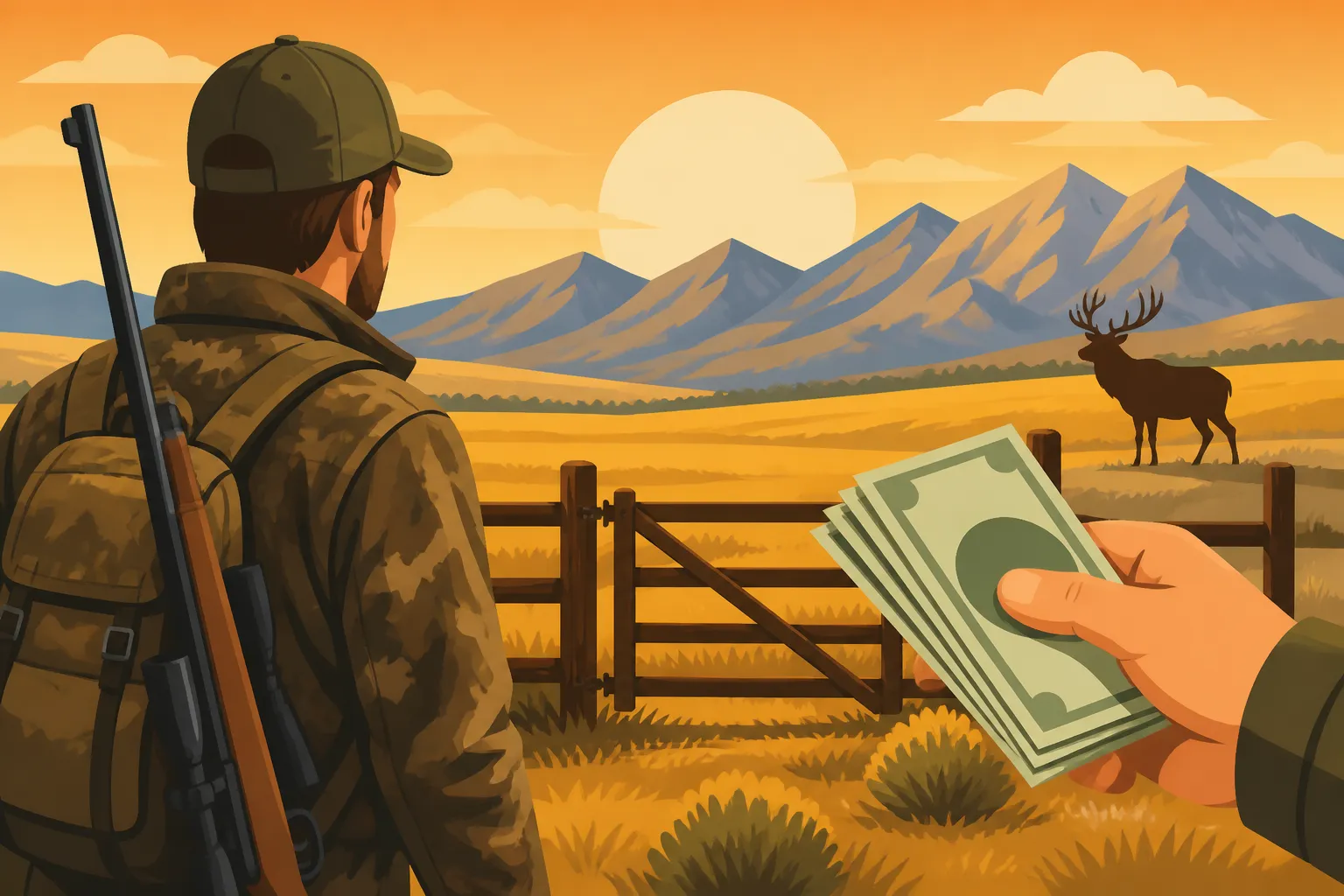
Wyoming is famous for its incredible big game populations, from robust elk herds to the abundant pronghorn dotting the sagebrush plains. Yet, a significant portion of the most productive wildlife habitat lies on private land. For decades, hunters have grappled with the challenge of securing permission to hunt these properties, often relying on word-of-mouth or existing connections. Paying for ranch access is simply a formal agreement, usually with a landowner or a designated outfitter, that grants you the right to hunt specific private property for a set period, often for a specific species.
The appeal of private ranch access is multifold. First and foremost, it often means reduced hunting pressure. Unlike public land, where you might share a ridge with dozens of other hunters, a private ranch typically limits the number of hunters on its property at any given time. This can lead to a more peaceful hunting experience and, in many cases, a higher chance of encountering mature animals that haven't been pushed around by constant human presence. Secondly, private land can offer habitat that might otherwise be unreachable or too distant from public roads, giving you an advantage in finding unpressured game. Finally, many private ranches have spent years, if not generations, managing their lands for wildlife, which can result in exceptional trophy potential. Hunters often dream of drawing a tag in a unit known for giants, but without private access, those dreams can be hard to realize.
However, this sought-after access comes with a price tag, and understanding that cost structure is key to making an informed decision. It's not just about a flat fee; it's about the services, the species, the perceived trophy quality, and the sheer demand for a particular experience.
The Core Variables Driving Ranch Access Costs
When you start looking at private ranch access, you’ll quickly realize there isn’t a single, universal price. Instead, costs fluctuate wildly based on several interconnected factors, making it crucial to understand what you're paying for. Think of it like buying a vehicle – a basic pickup is far different from a fully loaded luxury SUV.
The Desired Species and Trophy Potential
Unsurprisingly, the type of animal you’re pursuing is a huge cost driver. Elk hunts almost universally command the highest prices due to the animal's size, the demanding nature of the hunt, and the general prestige associated with harvesting a bull elk. A prime elk hunting ranch, especially one with a history of producing large bulls, will naturally ask for a substantial fee. Compare this to pronghorn, which are often more numerous and typically involve less strenuous hunting, resulting in lower access costs. Mule deer and whitetail deer fall somewhere in the middle, with trophy-caliber bucks pushing the price higher. For instance, the cost of securing access for a Wyoming Nonresident Elk License Price will undoubtedly be higher than for a Wyoming Nonresident Antelope Tag Price Explained.
Ranches that consistently produce Boone and Crockett animals, or simply older, more mature animals, will leverage that reputation in their pricing. Landowners know that hunters are willing to pay a premium for the chance at a truly exceptional animal. Some ranches even have different tiers of pricing based on antler restrictions or the potential for a "trophy" animal, where specific types of elk tags, like a Type 1 license, might grant access to premium areas with higher bull-to-cow ratios.
Services Included Beyond Just "Access"
This is perhaps the most significant variable in determining cost. What exactly are you getting for your money?
- Bare-Bones Trespass Fee: At the lowest end of the spectrum, you might simply pay a fee to walk onto the land and hunt. This often means no lodging, no meals, no guiding, and sometimes even limited vehicle access. You bring everything, handle all aspects of the hunt yourself, and are responsible for packing out your animal. This is akin to buying a permit to use a private park for a day.
- Semi-Guided or Drop Camp Access: This steps up the offering. It could include basic directions to hunting areas on the property, recommendations for stands or blinds, or perhaps even a primitive cabin or camping spot. A drop camp, often used for backcountry elk hunts, involves an outfitter packing you and your gear into a remote location on private land (or public land accessed via private), leaving you to hunt independently, then picking you up later. They provide the logistics, but the hunting is all on you.
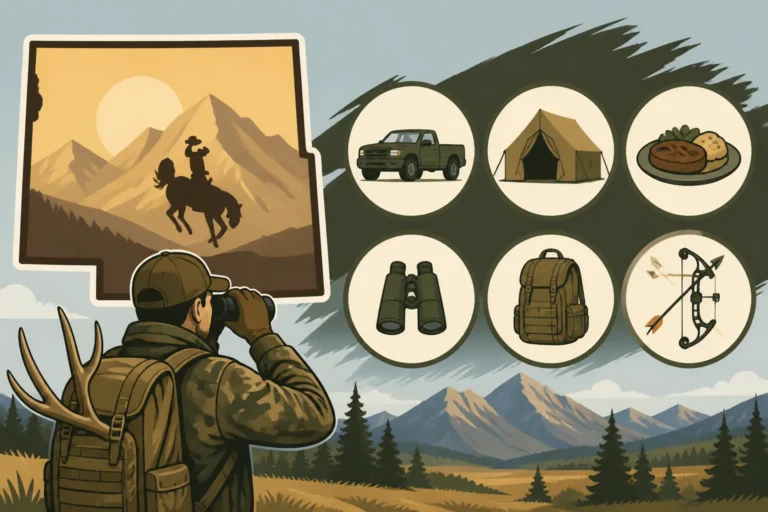
- Full-Service Guided Hunts: This is the top tier and naturally, the most expensive. Here, the ranch might partner with a licensed outfitter, or be one themselves. The fee covers not just access, but often lodging, meals, a professional guide, field transportation, caping, and quartering of your animal. The outfitter handles most of the logistical headaches, allowing you to focus purely on the hunt. What a Guided Wyoming Elk Hunt Costs is typically a reflection of this comprehensive service.
Duration of the Hunt and Group Size
Are you paying for a single day of hunting, a weekend, or a full five-to-seven-day trip? Shorter durations generally have a lower total cost, but the daily rate might still be high. Many ranches structure their fees around multi-day packages. Also, whether you’re hunting solo, with a single buddy, or as part of a larger group can impact the price per person, with larger groups sometimes receiving a slight discount per hunter, though the total bill will increase.
Location, Reputation, and Demand
Just like real estate, location matters. Ranches in highly sought-after units, or those bordering prime public land, will command higher prices. A ranch with a long-standing reputation for ethical hunting practices, well-managed game populations, and high success rates will also be able to charge more. Demand plays a huge role; if a ranch consistently books out a year or two in advance, they have little incentive to lower their prices. Some areas are simply known for producing exceptional animals, like specific areas in Park or Carbon County, and access to these hot spots will reflect that. Hunting opportunities for Shiras Moose: A Wyoming Tag Measured in Decades are so rare that any private access available would be extraordinarily expensive, if it exists at all.
Time of Year and Specific Seasons
The timing of your hunt can also influence the price. Archery season access might be priced differently than rifle season. Furthermore, the rut, when animals are most active and visible, often carries a premium. For instance, an elk hunt during the bugle-filled weeks of September will typically be more expensive than a late-season cow hunt in November. Access for the Wyoming Antelope Archery Opens Before Rifle may be priced differently than the rifle opener, reflecting varying demand and opportunity.
Platforms like GoHunt or BookYourHunt can be incredibly useful for researching different ranches and outfits, allowing you to filter by species, services, and location to get a sense of the market. While specific numbers are dynamic, these platforms help illustrate the range of costs.
Understanding Different Tiers of Ranch Access Arrangements and Their Price Implications
As we've touched upon, "ranch access" isn't a monolith. It's a spectrum of services, each with its own price point. Let's delve deeper into what these different arrangements typically entail and how their costs compare.
1. The Simple Trespass Fee: DIY Hunting on Private Ground
This is often the most economical way to get your boots on private dirt. A trespass fee grants you permission to hunt the ranch property, typically for a specific species and duration, without much in the way of additional services. You're responsible for everything else: your gear, transportation to and from the ranch daily, all your meals, field dressing, and hauling out your game. Think of it as renting a piece of land for hunting purposes.
The cost for a trespass fee can vary significantly. For common species like antelope, a day or weekend trespass might be on the lower end, while multi-day trespass for mule deer or elk would be a substantial step up. These fees often depend heavily on the perceived quality of the hunting and the exclusivity. Some landowners might offer trespass access for a Wyoming Type 6, 7 and 8 Doe-Fawn Licenses in Wyoming at a lower rate than for a trophy bull or buck.
What to expect: Expect minimal interaction with the landowner beyond the initial agreement and possibly a brief orientation to the property boundaries. You'll need to be entirely self-sufficient, bringing your own blinds, stands, and knowledge of how to hunt the terrain. This option is best suited for experienced, independent hunters who are confident in their scouting abilities and don't need hand-holding. It's a great way to avoid public land pressure if you're prepared to do all the work yourself.
2. Semi-Guided or Drop Camp Access: A Step Up in Support
Moving up the ladder, semi-guided or drop camp options offer a bit more support without the full price tag of a fully guided hunt.
- Semi-Guided: A semi-guided hunt on a private ranch might include property orientation, suggestions on where to hunt, and perhaps transportation around the ranch in a utility vehicle. The ranch owner or a designated staff member might point out key terrain features, known game trails, or recent animal activity. However, they won't typically be with you actively hunting or tracking your animal. You're still making your own decisions in the field. This can be ideal for hunters who want the benefit of local knowledge and private ground but prefer to execute the hunt on their own terms.
- Drop Camp: Often associated with elk or other mountain game, a drop camp involves an outfitter or ranch staff packing you and your gear into a remote camp on their private land, or public land they can access via their private holdings. They'll set up a basic camp, drop off supplies, and then leave you to hunt for a set number of days. They'll return to pack out you and your animal at the end of the trip. These are great for hunters seeking a wilderness-style experience with logistical support. Wyoming Drop Camp Hunts Explained details what typically comes with this kind of setup.
These options bridge the gap between pure DIY and full service. The costs will reflect the added logistical support, equipment, and expertise involved. For deer, Typical Mule Deer Outfitter Rates in Wyoming for a semi-guided experience would be a significant step up from a trespass fee, but still notably less than a fully guided trip.
3. Full-Service Guided Hunts: The All-Inclusive Experience
At the top of the price range are full-service guided hunts. These are designed to take care of nearly every detail, allowing the hunter to focus solely on the pursuit of game. On a private ranch, this means guaranteed access to prime hunting areas, often with exclusive rights for the duration of your hunt.
What's included:
- Professional Guide: A dedicated guide, usually working under a licensed outfitter, will accompany you throughout the hunt, assisting with scouting, tracking, calling, and field recovery. Remember, Every Wyoming Guide Works Under a Licensed Outfitter.
- Lodging and Meals: Comfortable accommodations, from rustic cabins to full lodges, and usually three square meals a day (plus snacks) are provided.
- Transportation: Getting around the ranch, from camp to hunting areas, is typically handled by the outfitter.
- Field Care: Your guide will assist with field dressing, caping, and quartering your animal, and often transport it to a local meat processor or taxidermist.
- High Success Rates: Reputable outfitters on private land often boast higher success rates due to limited pressure and extensive knowledge of the property and its game.
The costs for these hunts are the highest, reflecting the comprehensive nature of the service, the expertise of the guides, and the investment in infrastructure (lodges, vehicles, horses). The Average Cost of a Guided Wyoming Elk Hunt can range from a significant investment for a cow hunt to a very substantial sum for a trophy bull. Similarly, How Antelope Hunt Packages Are Usually Priced for a fully guided experience will be much higher than a simple access fee. When comparing costs, always be mindful of What Outfitter Prices Almost Never Include, such as your hunting license, processing fees, or taxidermy.
Here’s a simplified breakdown in a table format to illustrate the general differences:
| Access Type | Typical Services Included | Relative Cost Level | Pros | Cons |
|---|---|---|---|---|
| Trespass Fee | Access to private land, property boundaries outlined | Lowest | Most affordable, maximum independence, avoids public land crowds | No services, requires full self-sufficiency, no guidance |
| Semi-Guided / Drop Camp | Access, basic lodging/camp, logistical support (e.g., pack-in), area suggestions | Medium | More support than trespass, some guidance, still good independence | Not fully guided, still requires significant self-reliance |
| Full-Service Guided | Access, professional guide, lodging, meals, field care, transportation | Highest | Maximum support, expert guidance, higher success potential, comfortable | Most expensive, less independence, requires substantial investment |
Evaluating the Investment: Getting the Most Value From Your Paid Ranch Access
Deciding whether to pay for ranch access, and which tier of service to choose, is a significant decision. It’s an investment, and like any investment, you want to ensure you’re getting the best possible return for your hard-earned money and precious hunting time.
Is It "Worth It"? Managing Expectations
The "worth" of paid ranch access is highly subjective. For some, the opportunity to hunt a quality animal without the relentless competition of public land is priceless. For others, the challenge and lower cost of a DIY public land hunt are part of the allure. It’s crucial to go into any paid access arrangement with realistic expectations. While private land often offers better opportunities, it doesn't guarantee a trophy animal. Weather, animal behavior, and plain old luck still play major roles.
Consider your personal hunting style, budget, and desired outcome. If you're a seasoned hunter who loves the challenge of figuring out an area and you have a limited budget, a trespass fee might be perfect. If you're new to Western hunting, or simply want a higher probability of success with all the logistics handled, a full-service guided hunt could be money well spent. Many hunters find that the experience of Hunting a Wyoming Mountain Lion Quota That Can Close Early is best done with an outfitter who intimately knows the terrain and animal behavior.
Essential Questions to Ask Before You Pay
Before you commit to any ranch access agreement, whether it's a simple trespass fee or a fully guided trip, clear communication is paramount. Don't be shy about asking detailed questions. Websites like BookYourHunt and GoHunt offer platforms where hunters can review outfitters and property owners, but direct communication is irreplaceable.
Here's a checklist of questions to consider:
- What exactly does the fee include? Be specific about lodging, meals, transportation, guiding hours, field dressing, caping, and game retrieval. Ensure there are no hidden costs.
- What species and specific license types does this access cover? For example, is it a Type 1 general elk license, or a specific antlerless tag?
- How many hunters will be on the property during my hunt? Understanding the hunter density is key to gauging pressure.
- What are the property boundaries and any off-limits areas? Ask for a detailed map or GPS waypoints if possible.
- What is the typical success rate for my chosen species and hunt type? Ask for raw harvest numbers if available, and don't just focus on "opportunity" rates.
- What are the trophy expectations? If you're looking for a specific class of animal, clarify if the ranch consistently produces it.
- What are the payment terms, deposit requirements, and cancellation policy? Understand Reading the Cancellation and Refund Terms thoroughly.
- Are there any additional fees (e.g., trophy fees, trespass fees for scouting, guest fees)?
- What happens if I don't fill my tag? Is there any provision for a partial refund or a return trip at a reduced rate?
- Can you provide references from past hunters? Always follow up on these. Checking an Outfitter's Complaint History Before Booking through the Wyoming Board of Outfitters can also provide valuable insights.
- What equipment should I bring? Get a comprehensive gear list, especially if it's a drop camp or guided hunt.
- What are the rules regarding vehicles, ATVs, or UTVs on the property?
- What are the local regulations I need to be aware of? While you are responsible for knowing the law, a good landowner or outfitter should be able to highlight key rules like Legal Shooting Hours and Vehicle Rules in Wyoming.
These detailed questions, outlined further in Questions Worth Asking Before You Book, will help you clarify the scope of the agreement and avoid any unpleasant surprises once you arrive.
The Importance of Contracts and Clear Communication
Always ensure that any paid ranch access agreement is put in writing. A simple, clear contract or written agreement detailing everything discussed—services, dates, fees, responsibilities—protects both you and the landowner. This document should explicitly state what you are paying for and what you are not.
Remember, while the lure of private land is strong, the best hunting experience often comes down to preparation and clear understanding. Researching available options, whether through online resources or directly contacting landowners and outfitters, is crucial. By understanding the typical costs and the myriad factors that influence them, you can make an informed decision that aligns with your hunting goals and budget, ensuring your Wyoming hunt is everything you dreamed of.
Disclaimer
This article is for general informational purposes only and does not constitute professional advice. Laws, prices and regulations vary by location and change over time. Consult a qualified professional for guidance on your specific situation.