Wilderness First Aid on a Guided Hunt
Heading out into Wyoming's vast, wild landscapes on a guided hunt is an incredible adventure, but the remoteness and rugged terrain also bring inherent risks. Cuts, sprains, altitude sickness, or even something more serious can happen far from medical help. This guide is all about demystifying wilderness first aid on these trips, helping you understand your outfitter's role, and empowering you with the knowledge to prepare yourself for the unexpected.
The Inherent Risks of Backcountry Hunting in Wyoming
When you venture deep into the Bridger-Teton, Shoshone, or Bighorn National Forests, or really any part of Wyoming's expansive backcountry, you're embracing the wild. It’s exactly why we go, right? But with that rugged beauty comes a certain level of isolation and potential for things to go sideways. It’s not about being paranoid, it’s about being prepared and realistic about the environment you’re entering.
Common Injuries and Illnesses in Remote Settings
Think about the physical demands of hunting in Wyoming. You're often trekking miles over uneven terrain, climbing steep inclines, and navigating through dense timber or across open sagebrush. This kind of activity, especially when you're carrying a pack, significantly increases the likelihood of strains, sprains, and even fractures. A misstep on a loose rock can turn a dream hunt into a painful ordeal in a heartbeat.
Beyond traumatic injuries, there are environmental factors. Hypothermia is a real concern, even in what might seem like mild weather, especially if you get wet or are caught out after dark. Dehydration, if not properly managed, can quickly lead to more serious issues. And let's not forget the sheer physicality of a mountain hunt. You could easily develop severe blisters that make walking almost impossible, or suffer from altitude sickness if you're not properly acclimated to the higher elevations found in much of Wyoming. Understanding these common ailments is the first step in knowing how to prevent and respond to them.
Why a Guided Hunt Doesn't Eliminate All Risk
Many hunters book a guided trip specifically for the expertise, logistics, and often, the safety net that a professional outfitter provides. And it's true, a good outfitter and their guides are highly skilled in navigation, game retrieval, and camp management. They know the terrain, understand the animals, and are generally prepared for common challenges. However, it’s crucial to understand that a guided hunt, while significantly mitigating many risks, doesn't completely remove the need for personal awareness and preparedness.
Your guide is a hunting professional, not necessarily a medical doctor or a wilderness paramedic. While most guides have some level of first aid training, often including CPR and basic wilderness first aid, their primary role is to lead the hunt, not to provide advanced medical care. Remote locations mean that even with a guide, professional medical help can be hours, or even a full day, away. So, while you're certainly in capable hands for the hunting aspect, you and your party still bear some responsibility for being ready for medical emergencies. You can find many reputable outfitters through services like BookYourHunt, and most will be transparent about their guide's certifications.
Understanding Your Outfitter's Role in Wilderness First Aid
It’s easy to assume that because you’re paying for a guided hunt, all your safety needs are covered. And while outfitters take safety seriously, it's really important to have a clear understanding of what "wilderness first aid" means in the context of your specific trip. The standards can vary, and knowing what to expect, and what not to expect, will help you prepare more effectively.
What to Expect from Your Guide's First Aid Training
Most reputable Wyoming outfitters require their guides to have at least basic first aid and CPR certification. Many go a step further, with guides holding Wilderness First Aid (WFA) or even Wilderness First Responder (WFR) certifications. These specialized courses teach skills for treating injuries and illnesses in remote environments where traditional medical care isn't immediately available. A guide with a WFR certification, for instance, has undergone extensive training in patient assessment, wound management, splinting, managing environmental emergencies like hypothermia and heatstroke, and even basic improvisation techniques using gear at hand.
However, it's not a universal requirement for every guide to have WFR, especially if they are a resident guide operating under an outfitter. It's a great question to ask your outfitter directly when you're booking: "What level of first aid training do your guides typically have?" This will give you a realistic picture and help you determine what additional personal preparations might be wise. They should be able to tell you, for example, if their lead guide has specific certifications in Wilderness First Aid on a Guided Hunt.
Communication and Emergency Protocols on a Guided Hunt
In the vastness of Wyoming's backcountry, effective communication is paramount in an emergency. Outfitters generally have robust emergency protocols in place. This often includes carrying satellite communication devices like satellite phones or Garmin inReach units. These devices allow guides to send SOS messages, communicate their exact GPS coordinates, and often text with emergency services or a designated contact person back at base camp. You might be surprised how essential these are in areas where cell service is non-existent.
When you arrive at camp, your outfitter should brief you on their specific emergency plan. This might include identifying rendezvous points in case you get separated, outlining how they will communicate with you in the field, and explaining the general evacuation plan. Understanding How Outfitters Plan Emergency Evacuations is critical for all members of the hunting party. For instance, they might have arrangements with local air ambulance services or specific ways to coordinate with county search and rescue. While you hope to never need it, knowing these details provides peace of mind and prepares you for your role if an emergency does occur.
Your Personal Responsibility: Preparing for the Unexpected
While your outfitter and guide are prepared to a significant extent, your personal contribution to safety and preparedness cannot be overstated. After all, you’re the one who knows your own body best, and having a personal kit and being physically ready can make all the difference when seconds count. Think of it as adding another layer to the safety net.
Essential Personal First Aid Kit Items
Even if your guide has a comprehensive medical kit, having a small, personalized first aid kit within easy reach in your daypack is a smart move. This ensures that minor scrapes, blisters, or headaches can be addressed quickly without holding up the whole group, and it acts as a backup in case you're separated from your guide. When you’re packing for a Wyoming hunt, every ounce matters, but some items are non-negotiable for self-sufficiency.
Here’s a table outlining some essential items and why they matter:
| Item | Purpose |
|---|---|
| Assorted Band-Aids | For small cuts, scrapes, and abrasions. |
| Moleskin / Blister Pads | Essential for preventing and treating blisters, which are common on long hikes. |
| Antiseptic Wipes/Spray | To clean wounds and prevent infection in a dirty environment. |
| Pain Reliever (Ibuprofen/Acetaminophen) | For headaches, muscle aches, and minor pain relief. |
| Allergy Medication (Antihistamine) | For allergic reactions to plants, insect bites, or unknown allergens. |
| Small Roll of Athletic Tape | For securing bandages, small splints, or supportive wraps for sprains. |
| Gauze Pads / Pressure Bandage | To control bleeding from larger cuts. A pressure bandage can be life-saving. |
| Tweezers | For splinter removal or pulling out ticks. |
| Emergency Whistle | For signaling if lost or in distress, especially helpful in dense timber. |
| Personal Prescription Meds | Absolutely critical; ensure you have enough for the entire trip plus extra. |
Don't just pack it and forget it. Familiarize yourself with how to use each item. A well-stocked and understood personal kit is a cornerstone of being truly prepared in the wilderness. Many outfitters will provide a The Gear List Your Outfitter Will Send, and you'll often see suggestions for personal medical supplies there.
Pre-Hunt Physical and Medical Preparations
The ruggedness of Wyoming demands a certain level of fitness, especially for multi-day backcountry hunts. Don't underestimate the physical toll of climbing steep terrain, packing out an animal, and enduring variable weather conditions. Getting in shape before your hunt isn't just about success; it's a vital safety measure. Stronger muscles mean fewer strains, better endurance reduces fatigue-related errors, and overall cardiovascular health helps immensely with altitude. If you're going to be riding horses, brushing up on How Much Riding Ability a Horseback Hunt Needs is also smart.
Beyond physical conditioning, a thorough medical check-up before your hunt is highly recommended. Discuss your hunting plans with your doctor, especially if you have any pre-existing conditions like heart issues, asthma, or diabetes. Altitude can exacerbate many conditions, so Preparing for Altitude on a Wyoming Hunt is paramount. Make sure you have an adequate supply of any prescription medications, and carry them in your carry-on luggage if flying, just in case your checked bags are delayed. And here's a big one: be honest and transparent with your outfitter about any significant medical conditions. They need to know this information to help you effectively in an emergency. They're not there to judge; they're there to keep you safe. Researching outfitters on platforms like GoHunt can sometimes give you a sense of their client preparation resources.
What to Do When an Emergency Strikes
Even with all the preparation, accidents can and do happen. Knowing what steps to take when an emergency arises in the backcountry can significantly impact the outcome. Your guide will be the primary responder, but your understanding and cooperation are crucial.
Initial Steps: Assess, Secure, and Communicate
The moment an incident occurs, your immediate actions are vital. First, assess the scene. Are there any ongoing dangers to you, the patient, or others? Falling rocks, unstable ground, or even an aggressive animal could create secondary injuries. Secure the area if possible, moving the patient only if absolutely necessary to ensure their safety. Remember the first rule of wilderness medicine: don't become a second patient.
Once the scene is safe, assess the patient. Check for responsiveness, breathing, and severe bleeding. Get a brief history of what happened and any relevant medical conditions. Your guide will take the lead here, but your clear observations can be invaluable. Simultaneously, your guide will likely initiate communication using their satellite device. This is where those pre-planned emergency protocols kick in. They'll relay critical information: your exact location, the nature of the emergency, the number of patients, and their condition. This concise, accurate information helps emergency services plan their response, whether it's a ground team or a helicopter extraction. For example, knowing what Satellite Communication From a Hunting Camp options are available can put your mind at ease.
Basic Wilderness First Aid Techniques
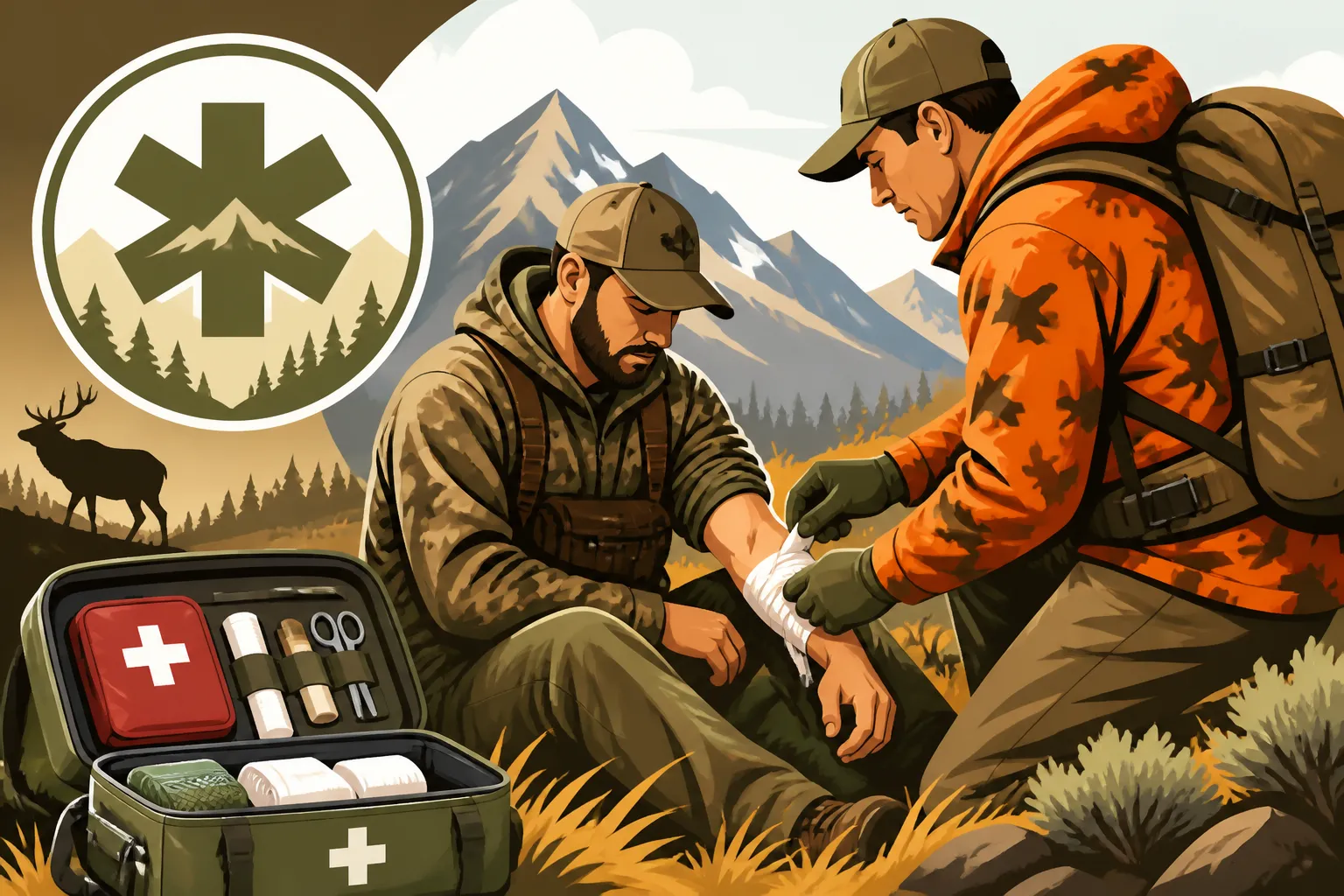
While you won't be performing surgery in the wilderness, understanding some basic first aid techniques can be incredibly helpful for managing injuries until professional help arrives. Your guide will likely be implementing these, but knowing what they're doing and how to assist is important. For instance, controlling severe bleeding is always a top priority. Applying direct pressure to a wound, and if necessary, using a tourniquet (if properly trained), can save a life.
Managing fractures and sprains involves stabilization. This means immobilizing the injured limb to prevent further damage and reduce pain. Guides often use trekking poles, tree branches, or even rolled-up clothing and athletic tape to create improvised splints. For hypothermia, getting the patient out of the cold, wet environment, removing wet clothes, and warming them with dry layers, sleeping bags, and warm fluids (if conscious) is crucial. Bear safety is another critical consideration in many Wyoming hunting areas, so understanding Bear Safety Practices in an Outfitter Camp is also a form of preparedness. These aren't advanced medical procedures, but practical applications of common sense and basic training that can make a huge difference in remote settings.
Disclaimer
This article is for general informational purposes only and does not constitute professional advice. Laws, prices and regulations vary by location and change over time. Consult a qualified professional for guidance on your specific situation.