Meeting Outfitters at a Hunting Expo
Hunting expos can feel like a carnival for the outdoor enthusiast, a whirlwind of camouflage, gleaming gear, and the distant promise of adventure. But for anyone serious about booking a guided hunt in Wyoming, it can also be a truly overwhelming experience trying to separate the real deals from the high-pressure sales pitches. This guide is all about helping you navigate the bustling aisles, cut through the noise, and effectively meet outfitters so you can make informed decisions about your next incredible Wyoming hunting trip.
The Value of Meeting Outfitters Face-to-Face at an Expo
In an age where everything is online, you might wonder why you should bother traveling to an expo just to talk to someone you could probably call or email. The truth is, there’s an invaluable dimension that only a face-to-face meeting can offer, especially when you're entrusting a significant investment of time and money to a hunting outfitter. It’s about more than just getting answers; it’s about getting a feel for the person and their operation.
Beyond the Brochure: First Impressions and Personality
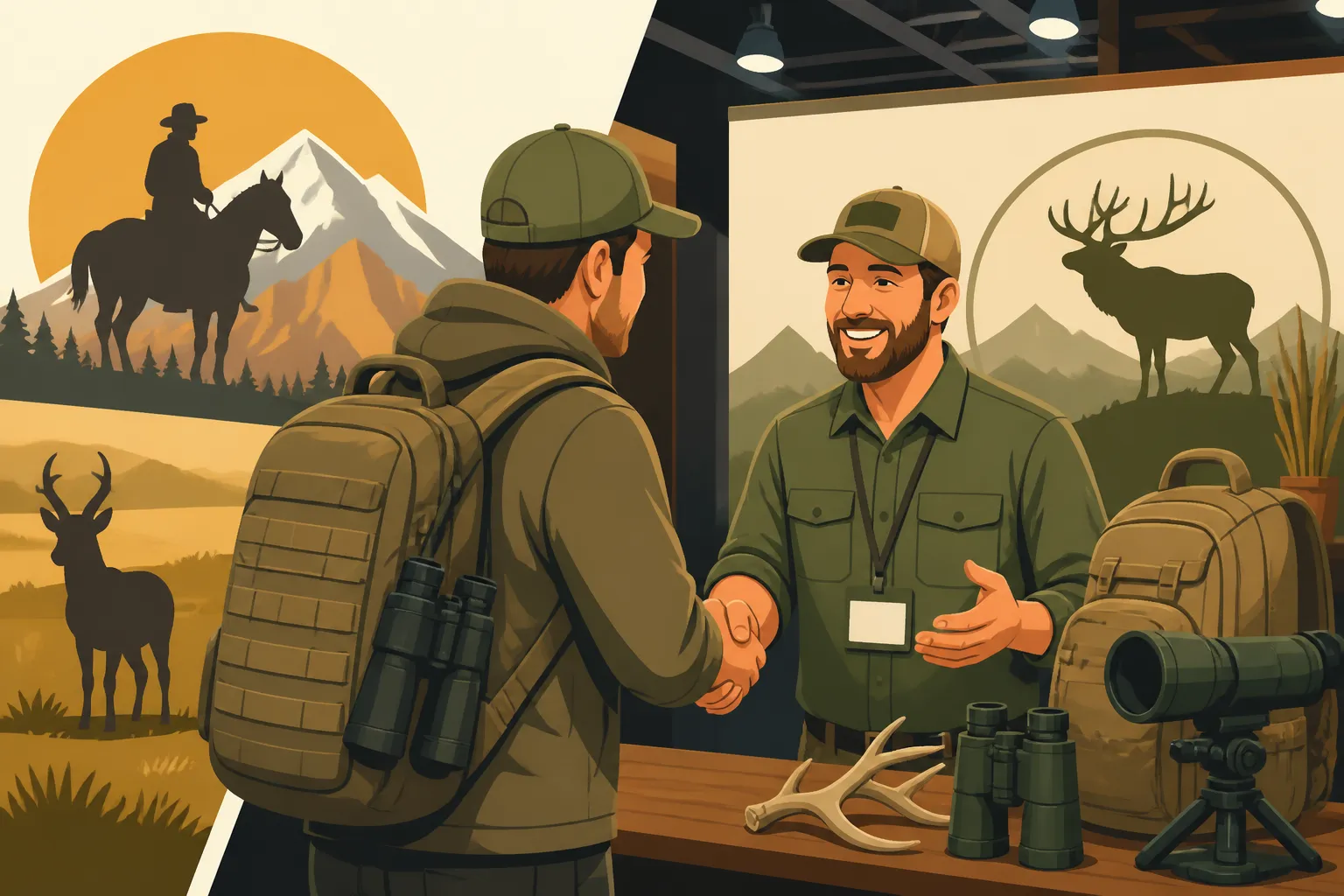
When you talk to an outfitter in person, you get an immediate sense of their personality, their communication style, and their passion for what they do. Are they genuinely enthusiastic about helping you achieve your hunting goals, or do they seem more interested in closing a deal? Do they make eye contact and listen attentively to your questions, or do they seem distracted? These non-verbal cues are impossible to glean from a website, a catalog, or even a phone conversation. You’re not just booking a hunt; you’re potentially signing up to spend several days, if not a week or more, in close quarters with these individuals and their team. Their demeanor can make or break your entire experience in the field.
Imagine you're planning a challenging elk hunt deep in the Bridger-Teton National Forest. You’ll be sharing camp, breaking bread, and relying on your guide’s judgment in high-stakes situations. Wouldn't you want to know if their personality meshes well with yours, or if they possess the calm, reassuring presence you’d want when a 6×6 bull is screaming in your face? An expo provides that initial, crucial filtering mechanism to see if you can envision yourself sharing that high-country experience with them. It’s about building a foundational sense of trust that will carry into the wild.
Getting Your Specific Questions Answered Directly
While websites and brochures offer general information, hunting expos provide a unique opportunity to delve into the specifics of your desired hunt with direct, real-time feedback. You can ask nuanced questions about particular hunt areas, the physical demands of a specific terrain, or how they handle unexpected situations like bad weather or an injured hunter. Instead of waiting for an email response or playing phone tag, you get immediate clarity, allowing you to ask follow-up questions right on the spot. This iterative questioning process is incredibly efficient and helps you uncover details you might not have even known to ask otherwise.
For example, you might be curious about What a Guided Wyoming Elk Hunt Costs or How Much to Tip a Hunting Guide. These are important financial considerations. Beyond that, you might have health concerns and need to know if they can accommodate a hunter with mobility issues, or what their protocol is for emergency evacuation. These are vital questions that often require a more personal, back-and-forth dialogue than an impersonal email exchange. An outfitter's ability to answer these questions clearly, honestly, and without hesitation speaks volumes about their professionalism and preparation.
How to Prepare for a Hunting Expo to Maximize Your Time
Walking into a large hunting expo without a plan is like wandering into the vast Wyoming sagebrush without a map—you're likely to get lost and waste a lot of time. To make the most of your expo experience, especially when you're looking to book a serious hunt, some upfront preparation is absolutely essential. This isn't just about saving time; it's about ensuring you connect with the right outfitters and get the information you truly need.
Researching Outfitters Before You Go
Before you even step foot in the convention center, dedicate some time to pre-expo homework. Start by identifying Wyoming outfitters who specialize in the species you're interested in, whether that's elk, mule deer, or pronghorn. Explore their websites, read client testimonials, and look at their hunt area specializations. Do they operate in areas known for trophy animals, or do they focus more on high-volume opportunities? Pay attention to details about their camp setups, the duration of their hunts, and what's included in their packages. Platforms like BookYourHunt and GoHunt can be invaluable resources for discovering outfitters, reading reviews, and getting a general sense of pricing and availability before you ever engage directly. These tools allow you to filter by species, location, and hunt type, helping you compile a targeted list of outfitters you want to visit at the expo.
Once you have a list of potential candidates, delve a little deeper. Check if they are licensed by the Wyoming Board of Outfitters and Professional Guides, which is crucial for legitimacy. Look for any mention of their areas of operation—some outfitters might specialize in the Bighorn Mountains, others in the Medicine Bow National Forest, or perhaps private land opportunities. Knowing these details ahead of time will help you tailor your questions and avoid wasting time with outfitters who don't offer the kind of hunt you're seeking. This preliminary research also helps you understand the outfitter's brand and what sets them apart, so you can walk into your conversation with a foundation of knowledge.
Crafting a List of Essential Questions
Don't rely on your memory in the bustling environment of an expo. Go in with a pre-written list of questions. This ensures you cover all your bases and compare outfitters fairly. Think about categories: logistics, success rates, gear requirements, physical demands, ethical practices, and booking details. Be ready to ask about specific topics like Outfitter Success Rates in Wyoming for your target species in their designated hunt areas, or how they handle things like Meat Processing and Shipping Costs After a Hunt which are often overlooked expenses.
Here's a table with some essential questions to get you started:
| Category | Key Questions to Ask |
|---|---|
| Experience | How long have you been operating in this area? |
| What are your guides' average years of experience? | |
| Logistics | What is included in the hunt package? (e.g., food, lodging, transportation) |
| What are the camp facilities like? | |
| How do you handle game recovery and care? | |
| Hunt Specifics | Which hunt areas do you operate in? |
| What are the typical shot distances for this hunt? | |
| What is your guide-to-hunter ratio? | |
| Success/Ethics | What were your success rates last season for this species? |
| How do you ensure ethical hunting practices? | |
| Booking | What are your deposit and payment schedule requirements? |
| What is your cancellation and refund policy? | |
| Can I get a list of references? |
This list isn't exhaustive, but it provides a solid framework. Don't be afraid to add questions specific to your unique needs, whether it's about dietary restrictions, physical limitations, or even specific weapon choices like muzzleloaders or archery equipment. Having these questions at your fingertips will streamline your conversations and prevent you from forgetting crucial details in the excitement of the moment. Remember, a thorough understanding from the outset prevents unwelcome surprises later.
Making the Most of Your Conversations
Once you've done your homework and walked through the doors of the expo, it's time to engage. Meeting outfitters face-to-face is a unique opportunity, but it requires more than just asking your prepared questions. You need to be an active listener, read between the lines, and understand how to gather actionable intelligence for your decision-making process.
Beyond the Sales Pitch: What to Listen For
Every outfitter at an expo is there to sell hunts, that’s a given. Your job is to listen beyond the enthusiastic tales of past successes and gleaming trophy photos. Pay close attention to how they describe challenges and setbacks. Do they offer realistic expectations about success rates, acknowledging that hunting is never a guarantee? Are they transparent about the physical demands of their hunts, like Physical Conditioning for a Mountain Hunt or Preparing for Altitude on a Wyoming Hunt? A good outfitter won't sugarcoat the difficulties; they'll prepare you for them. Be wary of any outfitter who guarantees success or makes claims that sound too good to be true, as these are often Red Flags When Booking a Wyoming Outfitter.
Listen for consistency in their answers, and if you're speaking with multiple guides from the same outfitter, see if their stories and information align. A well-run operation will have a cohesive message. Ask about their staff, their safety protocols, and how they handle situations that don't go according to plan. Genuine passion for the hunt, a deep respect for the animals, and a commitment to client safety should shine through in their conversation. It’s not just about getting a tag; it’s about having a responsible, memorable, and safe experience.
Gathering Information and Following Up
As you move from booth to booth, it’s critical to take notes. Jot down the outfitter's name, their contact information, key answers to your questions, and your overall impressions. Collect business cards, brochures, and any other printed materials they offer. These materials often include details about pricing, available hunt dates, and special packages. Don't be afraid to ask for references—ideally, names and contact information for past clients who have hunted with them in the last year or two. This is an absolutely essential step in Vetting a Wyoming Outfitter Before You Send a Deposit.
The conversation at the expo is just the first step. After the event, dedicate time to follow up. Send a personalized email, thanking them for their time and reiterating any specific questions you might have had. This is also the time to contact their references and ask detailed questions about their experience: Was the outfitter organized? Did they deliver on their promises? How was the food and lodging? What was the guide-to-hunter ratio like? Did they understand Wyoming's Wilderness Guide Law for Nonresidents if that was applicable? This due diligence is crucial before you even consider sending a deposit.
Common Pitfalls and How to Avoid Them
Hunting expos are exciting, and it's easy to get swept up in the enthusiasm. However, succumbing to impulse decisions or overlooking crucial details can lead to disappointment down the road. Being aware of common pitfalls and having strategies to avoid them will protect your investment and ensure a more satisfying hunting experience.
Don't Rush into a Deposit
One of the biggest mistakes hunters make at expos is feeling pressured to book a hunt and put down a deposit on the spot. While some outfitters might offer "expo specials," a reputable outfitter will understand that a significant investment like a guided hunt requires careful consideration. Never feel obligated to commit immediately. Take the information home, discuss it with your hunting partners, and thoroughly check references. It's much easier to walk away from a potential deal at the expo than to try and get a refund after signing a contract and paying a deposit.
Remember that Typical Deposit Amounts Wyoming Outfitters Ask can be substantial, often requiring a significant portion of the total hunt cost upfront. Before you hand over any money, read the outfitter's contract carefully, paying close attention to their Reading the Cancellation and Refund Terms. Understand what happens if you have to cancel, or if they have to cancel. What if you fail to draw a license? These are critical details that need to be clear and acceptable to you before any financial commitment is made.
Being Prepared for the Draw Odds and License Requirements
Meeting an outfitter and being excited about a hunt is one thing, but actually securing a license to hunt in Wyoming is often a separate and sometimes challenging process. Many of Wyoming's prime hunt areas, especially for species like elk, moose, and bighorn sheep, are part of a lottery draw system. You might have found the perfect outfitter, but if you don't draw the necessary tag, that hunt isn't happening. Outfitters understand this, and many are accustomed to hunters booking their services conditional on drawing a tag. Booking Before You Draw a Wyoming Tag is a common practice, but it's essential to clarify the outfitter's policy regarding refunds or rescheduling if you are unsuccessful in the draw.
Before you even talk to outfitters about specific areas, have a general understanding of the draw odds for the species and units you're targeting. Resources like Checking Draw Odds Before You Apply can give you realistic expectations. Discuss with your potential outfitter which license types they typically hunt under (e.g., general licenses vs. limited quota, specific types like Type 1 or Type 6 elk tags) and if they have any strategies or recommendations for maximizing your draw odds. Understanding this interplay between booking a guide and securing a license is vital to avoiding disappointment and ensuring your hunting plans can actually come to fruition.
Disclaimer
This article is for general informational purposes only and does not constitute professional advice. Laws, prices and regulations vary by location and change over time. Consult a qualified professional for guidance on your specific situation.