Donating Meat After a Guided Hunt
After a successful hunt in Wyoming, especially on a guided trip, you're often left with a tremendous amount of high-quality meat. For many hunters, particularly nonresidents traveling long distances, figuring out how to process, transport, and store all that game can become a logistical puzzle, turning a triumphant moment into a stressful scramble. This guide is here to walk you through the ins and outs of donating your game meat after a guided hunt in Wyoming, offering a practical solution to ensure none of that hard-earned protein goes to waste and helps those in need.
Why Hunters Consider Donating Meat After a Guided Hunt
Hunting in Wyoming is an incredible experience, but bringing home a big game animal like an elk or a moose means you'll have hundreds of pounds of meat. While that's the ultimate goal, it also presents a significant challenge for many, especially if you're not equipped for large-scale processing or long-distance transport.
The Logistics of a Big Game Harvest
Imagine you've just taken down a beautiful bull elk in the Bridger-Teton National Forest with your guide. You're exhilarated, but then the reality sets in: that animal can easily yield 200-300 pounds of boned-out meat. For a resident hunter with a chest freezer at home and a local butcher, this might be a manageable task. But if you've flown into Casper or Jackson Hole, rented a truck, and are staying in a hotel for a week, the situation changes drastically.
Many guided hunts take place in remote areas, meaning getting the animal from the field to a processor involves careful planning, often by your outfitter. Once it's at the processor, you then have to consider packaging, freezing, and shipping. The cost of specialty coolers, dry ice, and expedited shipping for hundreds of pounds of meat can quickly add up, sometimes rivaling the cost of the hunt itself. This is where the idea of donating often starts to make a lot of sense, preventing any possibility of violating Wanton Waste Rules Every Wyoming Hunter Should Know.
Ethical Considerations and Community Impact
Beyond the practical challenges, many hunters feel a strong ethical obligation to ensure that the animal they harvested is fully utilized. The concept of "meat salvage" is deeply ingrained in hunting ethics, and wasting game meat is often considered anathema. Donating allows you to honor the animal and contribute positively to the community.
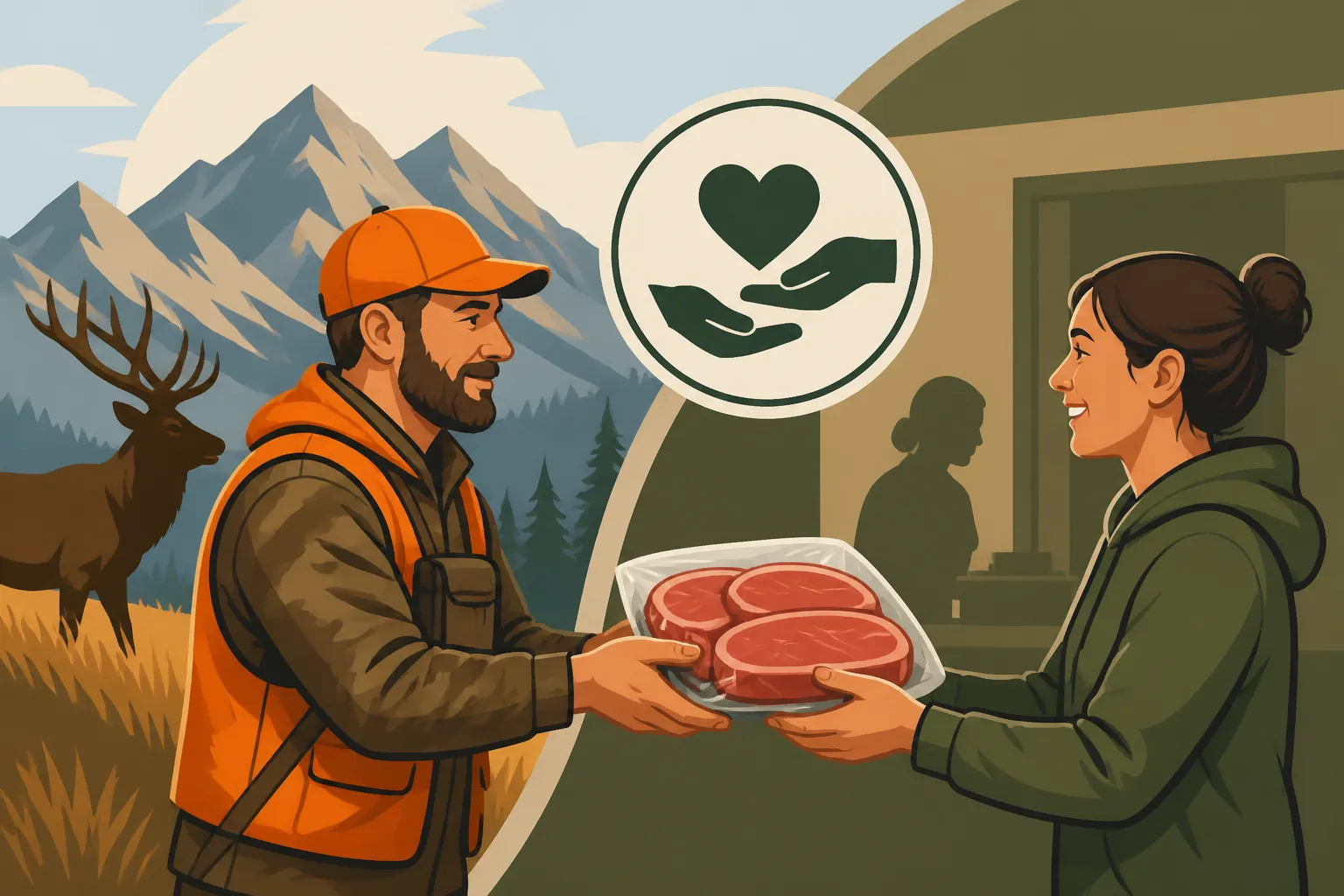
In Wyoming, there are programs designed specifically for game meat donation, allowing your harvest to feed families and individuals who might be struggling with food insecurity. It's a powerful way to give back, turning a successful hunt into a direct act of charity. This community impact is a huge motivator for many, transforming their personal hunting achievement into a broader benefit. It's not just about taking an animal; it's about stewarding a resource and sharing the bounty.
How the Game Meat Donation Process Works in Wyoming
Wyoming has systems in place to facilitate game meat donation, making it relatively straightforward once you know the steps. The key is typically working with a licensed processor that participates in donation programs.
Identifying Participating Processors
The first step is often the most crucial: finding a local meat processor that works with game donation programs. Many counties in Wyoming have processors, but not all of them are set up for donation. Your guide, being a local expert, is an invaluable resource here. They often have established relationships with processors and can guide you. Before your hunt, when you're using resources like GoHunt or BookYourHunt to plan your trip and vet potential outfitters, it's a great question to ask: "If I choose to donate some or all of my meat, what are the options and what processors do you recommend?"
The Wyoming Game and Fish Department (WGFD) sometimes lists participating processors or can direct you to organizations that facilitate donations. These processors usually have agreements with local food banks, shelters, or other charitable organizations. They handle the processing, packaging, and distribution, ensuring the meat reaches those who need it most, often at a reduced or no cost to the hunter. It's always a good idea to confirm directly with the processor their involvement and any specific requirements they might have.
Necessary Paperwork and Requirements
When you donate game meat, you still need to adhere to all tagging and legal requirements for your harvest. This includes presenting your valid hunting license and the carcass coupon or tag that was affixed to the animal. The processor will need this information to legally accept and process the game. They will record the species, hunt area, and your license details to maintain a chain of custody and ensure everything is above board.
It's also important to understand that the meat must be in good condition. Processors won't accept meat that's spoiled, improperly field dressed, or contaminated. This means proper Field Dressing and Carcass Transport Rules Explained are paramount from the moment of harvest. Your guide will be instrumental in ensuring the animal is caped, quartered, and cooled quickly to preserve the quality of the meat. A professional processor is looking for clean, salvageable meat that can be safely distributed.
Here's a simplified look at the typical steps involved in donating game meat:
| Step | Description | Key Considerations |
|---|---|---|
| 1. Harvest & Field Dressing | Successfully take your animal, then immediately field dress and cool the carcass properly. | Adhere to Carcass Coupon and Tagging Rules. |
| 2. Contact Processor & Guide | Inform your guide and contact a local meat processor about your intent to donate. Confirm their participation in donation programs. | Ask your outfitter for recommendations; research options before the hunt. |
| 3. Transport to Processor | Work with your guide or arrange transport of the properly cooled carcass (or quarters) to the chosen processor. | Ensure meat remains clean and cool during transit. |
| 4. Provide Documentation | Present your hunting license and attached carcass tag to the processor for their records. | This is a legal requirement for accepting game meat. |
| 5. Processing & Donation | The processor handles the butchering, packaging, and coordinates distribution to food assistance programs. | Confirm if there are any associated fees for processing (often reduced or waived for donation). |
| 6. Receive Confirmation (Optional) | Some programs provide a receipt or confirmation of your donation for your records, especially if you paid for any processing costs. | Not always available, but good to ask if it's important to you. |
Costs Associated with Donation
While the act of donating meat is altruistic, there might still be some costs involved. Some processors may charge a basic processing fee even for donated meat, covering their labor and facility costs. Others, especially those with strong ties to charity programs, might waive or significantly reduce these fees. It truly varies from one operation to the next.
For example, a processor might charge you for the initial cutting and wrapping, but then absorb the costs of distributing it to a food bank. Or, a specific game donation charity might have funds to cover all processing fees for donated animals. It's essential to clarify these potential costs upfront with the processor or your outfitter. Don't let a small processing fee deter you; the value of the donated protein far outweighs it, and it ensures that your ethical obligation to The Meat Salvage Requirements for Big Game is met.
Ethical and Practical Considerations for Donating Game Meat
Donating game meat is a fantastic option, but it comes with responsibilities. Understanding these ensures your donation is both safe and impactful.
Maintaining Meat Quality
The quality of the donated meat is paramount. This starts the moment the animal is down. Rapid field dressing, cooling, and clean transport are critical. If you're on a guided hunt, your outfitter and guides will handle many of these initial steps, but it's still good to be aware. They'll know the best practices for Field Dressing and Carcass Transport Rules Explained in the specific hunt area you're in. This means removing the entrails quickly, getting the hide off (or at least split), and hanging the quarters to allow air circulation. In warmer weather, this might involve packing game bags with ice to rapidly bring down the core temperature.
Any signs of spoilage, such as a strong off-odor, green discoloration, or excessive dirt, will make the meat unusable for donation. Food safety is a top priority for any charity accepting meat, and they cannot risk distributing compromised product. So, while your guide is there to help, remember that a clean, well-cared-for carcass from the start is your best contribution to a successful donation.
Programs and Initiatives in Wyoming
Wyoming benefits from a few state and local initiatives that help connect hunters with those in need. Often, these programs partner with local processors. Organizations like "Hunters for the Hungry" (or similar state-specific programs) act as a bridge, facilitating the donation process by working with a network of approved meat processors and food banks.
These programs often simplify the process by handling the logistics between the processor and the recipient organizations. Some also solicit donations to cover processing fees, making it completely free for the hunter to donate. When researching your hunt, consider looking into these types of programs. You can even contact the Wyoming Game and Fish Department directly, or browse resources on platforms like GoHunt, for information on current initiatives or partner organizations in specific regions like Park County, known for its elk populations. Understanding these programs ensures your generosity finds the most efficient and impactful path.
Benefits of Donating to the Community
The benefits of donating game meat ripple through the community. For the hunter, it's a profound way to ensure their harvest isn't wasted and to give back. For charitable organizations, it provides a lean, healthy protein source that is often difficult to acquire in large quantities, especially for food banks operating on tight budgets.
Many families struggling with food insecurity rarely have access to such high-quality, wild protein. Your donation provides nutritious meals and supports the broader mission of hunger relief. It also reinforces a positive image of hunting as a conservation tool and a source of community support. When you combine this act of giving with the excitement of a successful The Average Cost of a Guided Wyoming Elk Hunt, you're not just bringing home a trophy memory; you're leaving a tangible, positive mark on Wyoming.
Alternatives to Donating All Your Meat
While donation is a fantastic option, it's not the only way to manage your harvest. Many hunters choose to keep some or all of their meat, especially if they have the means to transport and process it.
Shipping Meat Home
If you want to keep your meat, shipping is a common route for nonresidents. After your guide takes your animal to a local processor, they'll cut, wrap, and freeze the meat. Then, you can arrange for it to be shipped to your home. This typically involves insulated coolers and dry ice, and shipping via air freight or specialized ground carriers.
The cost for shipping can be substantial, often hundreds of dollars, especially for a full elk. It depends on the weight, distance, and speed of service. You'll need to coordinate carefully with the processor and the shipping company to ensure the meat stays frozen. This option requires significant planning, and you'll want to factor in these potential costs when budgeting for your Wyoming Nonresident Elk License Price and the overall hunt. Often, this is a discussion you'll have with your outfitter at the beginning, as they'll know the reliable local services.
Professional Meat Processing
Even if you don't donate, utilizing a professional meat processor in Wyoming is highly recommended. These facilities are equipped to handle large game, ensuring your meat is cut, packaged, and frozen to professional standards. They can create specialty items like jerky, sausage, or hamburger, maximizing the use of the entire animal. This is particularly important for species like How Big a Shiras Moose Bull Gets, which yields an immense amount of meat.
Your guide will likely have preferred processors they work with regularly. Discussing your processing preferences and plans with your outfitter before the hunt is crucial. They can make arrangements, advise on current pricing (which varies based on the type of cuts, specialty products, and packaging), and ensure your animal gets to the right place quickly after the harvest. Even if you're not donating, the expertise of a local processor is invaluable for making the most of your successful hunt.
Sharing with Your Guide or Outfitter
In some cases, especially after a successful guided hunt, you might consider offering some of the meat to your guide or outfitter. Guides often work incredibly hard, spending weeks or months in the field, and a share of the harvest is sometimes a welcome gesture, though never expected. This is a personal decision and should be discussed respectfully.
It can be a way to express gratitude beyond a traditional tip, especially if they've gone above and beyond to ensure your success. Some outfitters might even have arrangements to take a certain amount of meat to help cover some of their operating costs or to share with their staff. This practice is entirely optional and depends on individual circumstances and relationships. Just remember to ensure any sharing adheres to Wyoming's specific rules regarding the transfer of game meat, which typically requires the presence of a proper tag or documentation.
Disclaimer
This article is for general informational purposes only and does not constitute professional advice. Laws, prices and regulations vary by location and change over time. Consult a qualified professional for guidance on your specific situation.