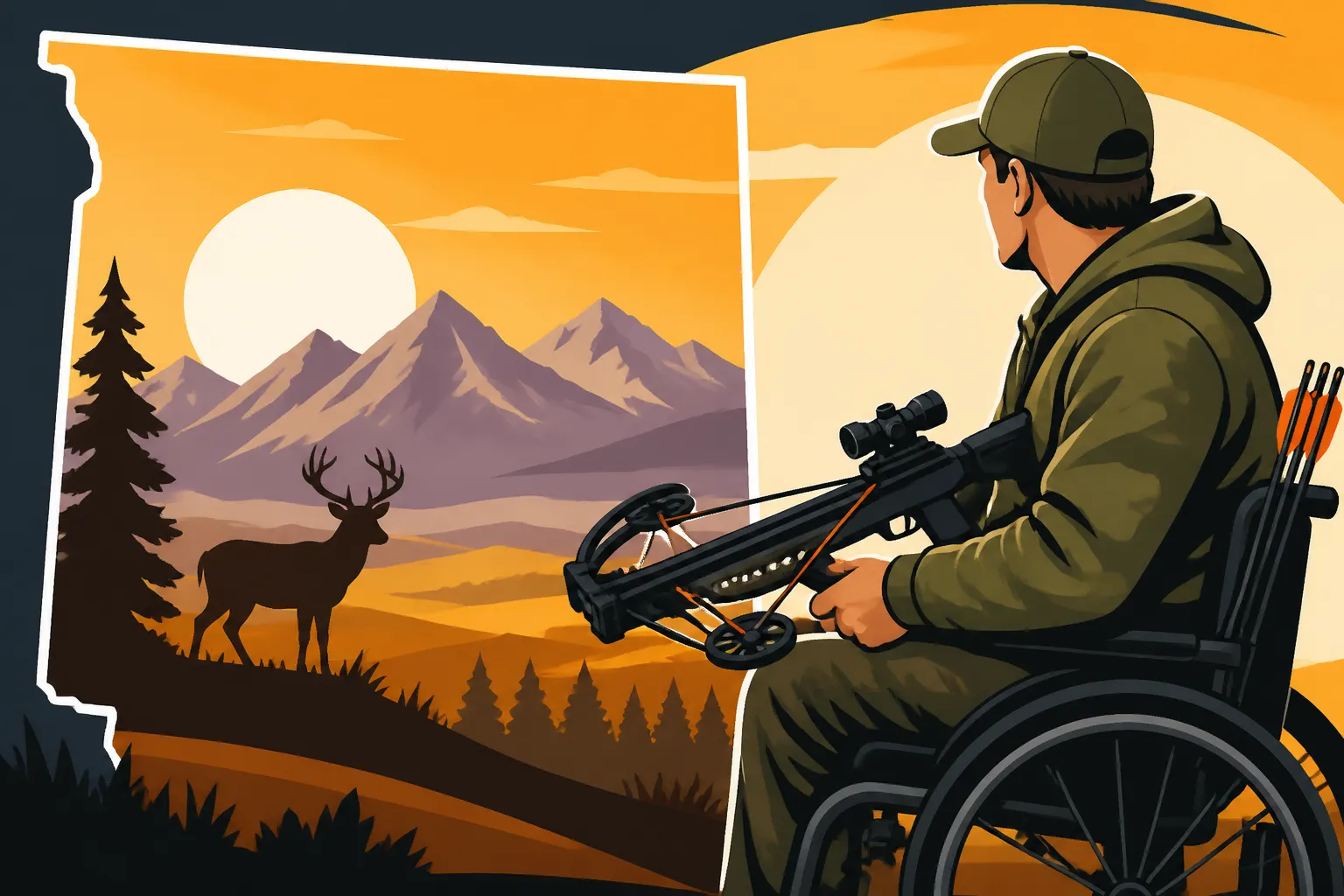
Crossbow Allowance for Hunters With Disabilities
Dealing with physical limitations can feel incredibly disheartening, especially when you're a passionate hunter yearning to be out in the Wyoming wilds during the archery season. The thought of being sidelined from the pursuit of elk, deer, or antelope just because drawing a traditional bow has become impossible is a real punch to the gut. This guide is here to walk you through Wyoming's specific provisions that allow hunters with disabilities to utilize crossbows during archery seasons, ensuring that a physical challenge doesn't have to mean the end of your hunting adventures.
Understanding Wyoming's Stance on Crossbows for All Hunters
Before diving into the specifics for hunters with disabilities, it's really important to understand the broader context of crossbow legality in Wyoming. The rules can be a little nuanced, and honestly, they've changed over time, which can confuse even seasoned hunters. It’s not as simple as "yes" or "no" when it comes to archery season.
General Crossbow Legality in Wyoming Archery Seasons
For years, crossbows were a hot topic of debate among archery purists and those advocating for broader participation. Wyoming has landed in a place where crossbows are generally allowed for all hunters, but with some very specific caveats, especially when it comes to those coveted archery-only seasons.
First and foremost, any hunter can use a crossbow during Wyoming's general firearm seasons for big game. This isn't usually where the confusion lies. The real head-scratcher comes with archery season. An able-bodied hunter can use a crossbow during an archery-only season if and only if they also possess a valid firearm license for the same species and hunt area. Essentially, it means you're operating under the firearm license's season dates and regulations, even if you're holding a crossbow. This might sound a bit like a workaround, but it’s the current framework. You can read more about the detailed requirements in "Crossbow Hunting in Wyoming: 90 Pounds and a 16-Inch Bolt" which lays out the general rules for these unique weapons.
When considering a crossbow, it’s critical to remember that Wyoming has minimum specifications that apply to everyone. For instance, any crossbow used for big game must have a minimum peak draw weight of 90 pounds. Furthermore, the bolt must be at least 16 inches long. These aren't just suggestions; they are hard and fast rules set by the Wyoming Game and Fish Department (WGFD) to ensure humane kills and fair chase principles. For a deeper dive into these specifics, check out "Crossbow Peak Draw Weight and Bolt Length in Wyoming". It’s all about making sure the equipment is capable of doing the job effectively and ethically.
Why Disability Exceptions Are Often Needed
Now, let's talk about the heart of the matter: why these exceptions are so vital. For someone who has dedicated years to traditional archery, whether with a compound, recurve, or longbow, facing a physical limitation that prevents them from drawing their bow can be absolutely devastating. Imagine the frustration of knowing the rut is on, the elk are bugling, or the antelope are chasing, but your body just won't cooperate with the demands of a vertical bow.
Many disabilities, whether from injury, illness, or age, can significantly impair a hunter's ability to safely and effectively draw and hold a bow. This isn't just about discomfort; it can be about a complete inability to perform the necessary movements. Conditions affecting shoulders, back, wrists, or even balance can make traditional archery not only challenging but downright impossible. This leads to a heartbreaking feeling of exclusion from a cherished outdoor tradition. The desire to continue participating in the hunt, to feel the crisp morning air, to stalk game, and to provide for one's family or simply enjoy the challenge, doesn't diminish just because the body changes. That's precisely why Wyoming, recognizing these realities, has put in place specific provisions to ensure that a physical hurdle doesn't mean hanging up your bow for good.
Specific Provisions for Hunters with Disabilities
Wyoming understands that some physical limitations mean a traditional bow draw just isn't feasible. That's why they have a specific process to allow hunters with qualifying disabilities to use a crossbow during the archery-only season without needing that general firearm license backup. This is a game-changer for many.
Obtaining a Special Permit for Archery Season Crossbow Use
This isn't an automatic allowance; it requires a specific application process through the Wyoming Game and Fish Department. To be granted this special permit, you'll need to demonstrate to the WGFD that you have a bona fide physical disability that prevents you from drawing and holding a traditional vertical bow.
The key here is medical documentation. You’ll need to have a licensed physician (M.D. or D.O.) or a certified physician assistant (PA-C) sign off on an official WGFD form. This medical professional must certify that, due to a permanent physical disability, you are substantially restricted in your ability to draw and hold a conventional vertical bow at full or partial draw. They need to specifically state that this condition impairs your ability to hunt with a traditional bow. This isn't something to take lightly; it's a medical certification, and the WGFD reviews these applications carefully. It's about ensuring genuine need, not just preference.
The criteria for what constitutes a "physical disability" are fairly specific within the WGFD's regulations. It's not just a minor ache or stiffness. We're talking about conditions that genuinely impede the physical mechanics of drawing a bow, such as significant joint damage, nerve issues, loss of limb function, or severe musculoskeletal limitations. The goal is to provide access to those truly unable to participate otherwise, validating their passion for hunting despite significant physical barriers. If you're wondering how crossbow rules differ from vertical bows even for able-bodied hunters, "Crossbow Rules That Differ From Vertical Bows" offers a useful comparison that highlights why these disability provisions are so unique and important.
What the Disability Permit Allows
Once you've navigated the application process and secured this special permit, the world of archery season opens up to you in a profoundly different way. This permit specifically allows you to use a crossbow during the archery-only season for the species and hunt area specified on your valid hunting license, without the prerequisite of also holding a firearm license for that same season.
This is the critical distinction. For an able-bodied hunter, using a crossbow during archery season is typically contingent on having a firearm license. For a hunter with a disability and the appropriate WGFD permit, the crossbow becomes their primary weapon for the archery season, much like a compound or recurve bow would be for others. It truly levels the playing field, granting access to those coveted early archery dates when animals are often less pressured and more vocal. It means you can participate in the full archery experience – the stealth, the close encounters, and the unique challenges – even if you can't physically draw a traditional bow anymore. This permit ensures that your hunting experience is dictated by your skill and determination, not by a physical limitation. For general information on "Is a Crossbow Legal in Wyoming Archery Season?" this disability permit is the direct path for those who qualify.
Applying for and Utilizing Your Crossbow Disability Permit
Getting that permit in hand is a huge step, but the journey doesn't end there. Knowing the ins and outs of the application, and then how to best utilize your crossbow in the field, is essential for a successful and enjoyable hunting experience.
Step-by-Step Application Process
The WGFD has made the application process relatively straightforward, but it does require attention to detail and, most importantly, planning ahead.
- Download the Form: Your first step is to visit the Wyoming Game and Fish Department website. They have a specific application form titled "Archery Crossbow Permit for Physically Disabled Hunters." Make sure you download the most current version.
- Medical Certification: This is the most crucial part. Take the form to your licensed physician or physician assistant. They will need to fill out the medical certification section, detailing your permanent physical disability and affirming that it prevents you from drawing and holding a traditional vertical bow. Ensure they sign and date it, and include their license number.
- Complete Your Information: Fill out your personal details accurately, including your WGFD customer identification number.
- Submit the Application: Once complete, send the signed form to the WGFD headquarters in Cheyenne. You can usually mail it, but always double-check the current submission methods on their website.
- Allow Processing Time: Don't wait until the last minute! The WGFD needs time to review and approve these applications. It's always a good idea to submit it several weeks, or even months, before the archery season you intend to hunt. This buffer ensures you have your permit in hand without any last-minute stress. While you're looking for deadlines, resources like GoHunt can be excellent for tracking application closing dates and season openers across all species.
Having this permit physically with you in the field, along with your hunting license, is just as important as having your hunter education card, which by the way, is a requirement for anyone born after 1965. You can find more info on that in "Anyone Born After 1965 Needs Wyoming Hunter Education". Proof of your permit and license is something game wardens will want to see.
On-the-Ground Considerations for Crossbow Hunting with a Disability
Once you have your permit and your crossbow ready, the real planning for your hunt begins. There are several practical considerations to ensure your hunt is safe, comfortable, and successful.
First, choosing the right crossbow is paramount. Modern crossbows vary significantly in weight, balance, and ease of cocking. If you have upper body limitations, look for models with lighter overall weight and integrate cocking aids (like a crank cocking device) that minimize physical exertion. Scopes are a standard feature, but ensure it's one you can comfortably acquire targets with. A quality, reliable crossbow is an investment in your continued hunting independence. Remember, minimum crossbow bolt length for big game in Wyoming is 16 inches, but generally, longer bolts can sometimes offer better stability.
Second, consider accessibility in the field. If mobility is an issue, scouting ahead for accessible hunting locations is vital. This might mean identifying areas with flatter terrain, using ATVs (where legal on public lands), or setting up ground blinds that are easy to enter and exit. Tree stands need careful consideration regarding stability and entry/exit mechanisms. Outfitters who specialize in adaptive hunts or GoHunt resources on accessible hunting areas might be beneficial.
Third, hunting partners can be invaluable. Even with a crossbow permit, having a friend or family member along can provide crucial assistance, whether it's helping transport gear, spotting game, or even field dressing. This isn't about being "guided" (unless you're in specific wilderness areas that require it), but about having a supportive team. They can also carry "The Wyoming Hunter Education Birth Year Cutoff" cards or other certifications if they are assisting.
Finally, safety first, always. Understand your crossbow thoroughly before you go afield. Practice cocking, aiming, and decocking until it's second nature. Be mindful of shot angles and distances. Hunting with any disability means you need to be even more diligent about your personal safety and the safety of those around you. Always keep your crossbow pointed in a safe direction and only load it when you are ready to shoot.
Beyond the Crossbow: Other Accommodations and Resources
While the crossbow disability permit is a monumental step for many hunters, it's just one piece of a larger puzzle aimed at making the outdoors more accessible. There are many other adaptive tools, techniques, and support networks available that can further enhance your hunting experience.
Adaptive Hunting Equipment and Techniques
The world of adaptive hunting equipment is constantly evolving, driven by innovation and the unwavering spirit of hunters facing physical challenges. Beyond the crossbow, there are numerous specialized tools designed to help you stay in the game.
For instance, if holding a crossbow steady or aiming is difficult, consider using shooting rests or specialized tripods that can stabilize your shot, reducing fatigue and improving accuracy. Many of these can be adjusted for use from a wheelchair, ATV, or even a ground blind. Speaking of ground blinds, these can be fantastic options for hunters with mobility issues. They offer concealment, protection from the elements, and can be set up in locations that are easy to access, eliminating the need for strenuous climbs into tree stands. Look for blinds with large windows and doors for easy entry and clear sight lines.
Some hunters also explore specialized vehicle mounts or shooting platforms that attach to ATVs or UTVs, allowing them to hunt from a stationary vehicle in designated areas (always check local regulations about hunting from a vehicle first). The key is to think creatively and adapt the hunt to your abilities, rather than forcing yourself into traditional methods that might no longer be feasible.
Support Networks and Organizations
You are absolutely not alone in facing these challenges. There is a strong, vibrant community of adaptive hunters and organizations dedicated to supporting them. Connecting with these networks can provide invaluable advice, camaraderie, and even opportunities for organized adaptive hunts.
Organizations like the National Wild Turkey Federation's Wheelin' Sportsmen program or Paralyzed Veterans of America Outdoors are incredible resources. They often host events, provide mentorship, and sometimes even offer specialized equipment or assisted hunts. These groups understand the unique frustrations and triumphs of adaptive hunting and can connect you with experienced individuals who have overcome similar hurdles. They can also provide insights into state-specific programs and opportunities beyond what the WGFD directly offers.
Even within Wyoming, local hunting clubs or conservation groups may have members with disabilities who are happy to share their experiences and tips. Don't hesitate to reach out. Sharing stories, strategies, and even just frustrations with others who truly understand can make a world of difference. When you're planning your hunt, tools like the "The Wyoming Hunt Planner" can help you identify areas that might be more suitable for your mobility needs, and these groups might offer insights into specific accessible spots. Embracing these resources means not just overcoming a challenge, but enriching your entire hunting journey with a supportive community.
| Feature | General Hunter Crossbow Use in Archery Season | Hunter with Disability Crossbow Permit |
|---|---|---|
| Primary Requirement | Must also hold a valid firearm license for species/area | Approved WGFD disability permit, signed by medical professional |
| Medical Certification | Not required | Required from a licensed physician (M.D., D.O.) or PA-C |
| Season Eligibility | Archery season (only with firearm license), firearm season | Archery season, firearm season |
| Purpose | Broader choice of weapon for general hunters | Enable participation despite permanent physical limitation |
| Key Benefit | Flexibility to choose crossbow in specific scenarios | Equal access to archery season for qualifying disabled hunters |
| Proof in Field | Hunting license, firearm license | Hunting license, disability permit (and possibly medical documentation) |
Disclaimer
Please note that hunting regulations, including those pertaining to hunters with disabilities and crossbow use, can change. Always consult the most current Wyoming Game and Fish Department regulations or their official website before planning your hunt. This guide is for informational purposes only and should not be considered legal advice.