Minimum Muzzleloader Caliber for Wyoming Big Game
Navigating the specific legalities of hunting in a new state, or even your own, can feel like trying to hit a moving target – especially when it comes to specialized equipment like muzzleloaders. It's frustrating to sort through dense regulations just to confirm if your trusted smoke pole is even allowed. This guide is here to cut through the confusion and give you a clear, detailed breakdown of the minimum muzzleloader caliber requirements for hunting big game in Wyoming, so you can hunt with confidence and comply with every rule.
Understanding Wyoming's Muzzleloader Regulations
Wyoming has distinct regulations for muzzleloaders, designed to ensure ethical hunting practices while still allowing hunters to enjoy this traditional method. These rules primarily focus on caliber and powder charge, establishing a baseline for effective and humane taking of big game. Forget what you know from other states; Wyoming has its own specific set of parameters that you absolutely need to understand before heading afield.
The .40 Caliber Rule for Big Game
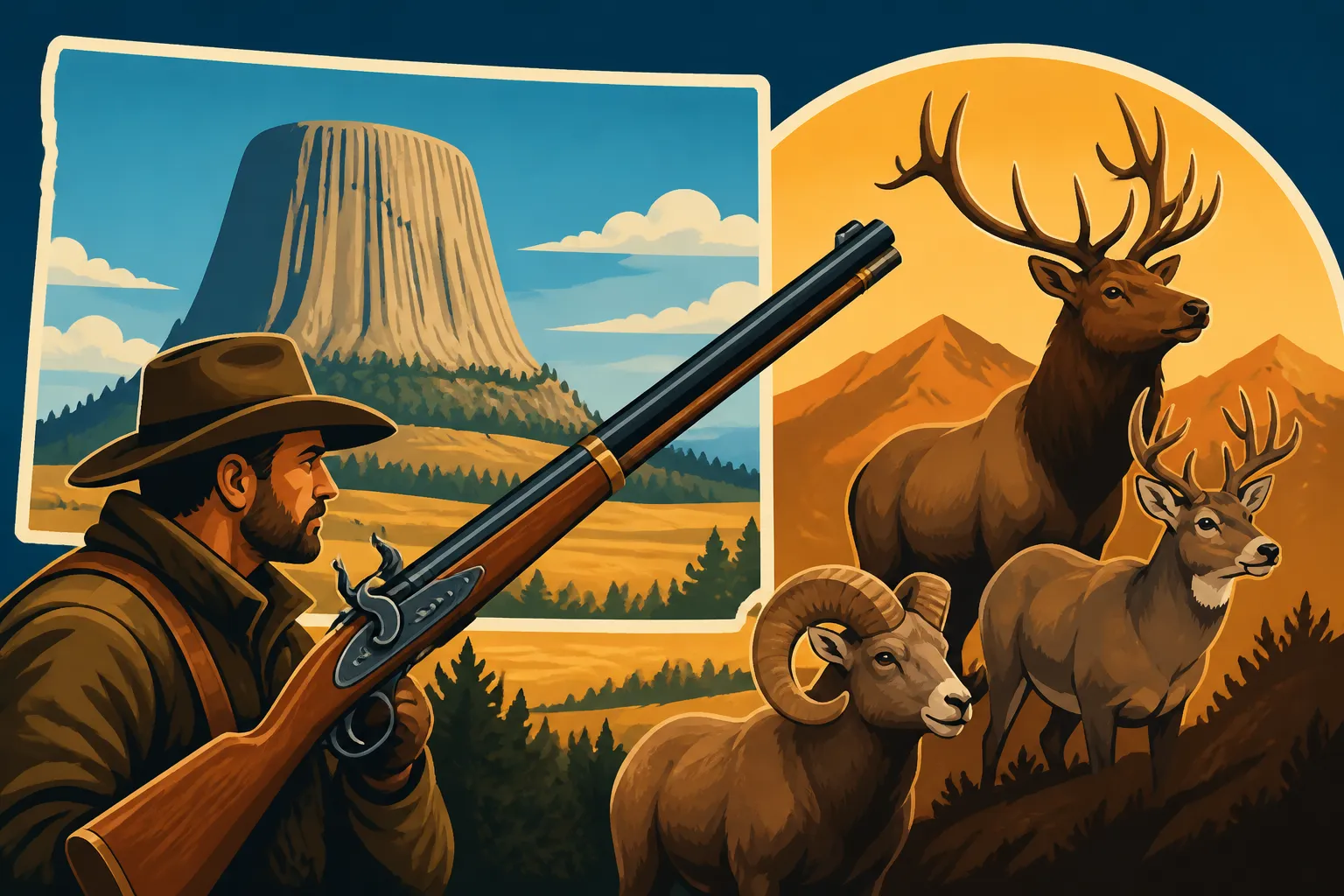
When it comes to the business end of your muzzleloader, Wyoming law is clear: you must use a muzzleloading rifle with a minimum bore diameter of .40 caliber for all big game species. This means if you're planning on chasing mule deer, elk, pronghorn, or even bighorn sheep with your black powder rifle, your bore cannot be smaller than .40 inches. This regulation is in place to ensure that the projectile carries enough energy and creates a large enough wound channel to humanely dispatch big game. It's not just about hitting the animal; it's about making sure that shot is effective and responsible.
Many hunters might default to a .50 caliber, which is a popular choice for muzzleloaders nationwide, but it’s crucial to remember that .40 caliber is the absolute floor. Anything less, and you're running afoul of the law, potentially leading to a confiscated weapon, fines, and losing your hunting privileges. It's also worth noting that this applies to the bore diameter, not necessarily the projectile size if you're using sabots. However, the intent is that the effective caliber making contact with the animal meets this minimum. If you're using a .45 caliber bullet in a .50 caliber sabot, that's generally fine, but the bore of your rifle must still be .40 caliber or larger. For anyone delving into the intricacies of legal hunting firearms, a deeper dive into What Wyoming Counts as a Legal Firearm for Big Game can provide even more clarity on the broader regulations.
Minimum Powder Charge Requirements
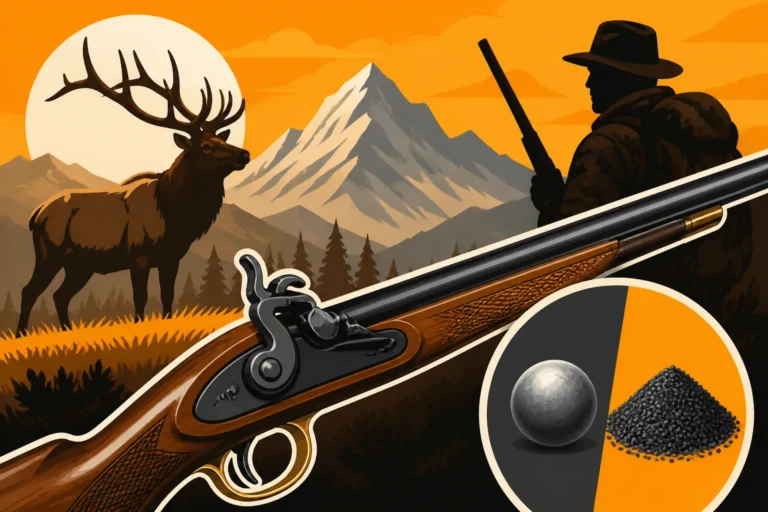
Beyond the caliber, the charge that propels your projectile is equally important. Wyoming stipulates a minimum powder charge to ensure sufficient velocity and energy delivery downrange. For muzzleloaders, a minimum of 50 grains of black powder by volume, or an equivalent approved substitute, is required. This rule underscores the importance of proper loading for adequate terminal performance on big game animals.
This isn't an area to cut corners. While some hunters might try to reduce powder charges for lighter recoil or more precise target practice, on a hunting scenario, you need to meet or exceed this minimum. Using too little powder can result in poor bullet performance, inadequate penetration, and an increased risk of wounding an animal rather than cleanly harvesting it. When you're dealing with a large animal like an elk, that energy is absolutely critical. For those using black powder substitutes, it’s imperative to remember that these are typically measured by volume, not weight, to achieve the equivalent of black powder. If you’re unsure about this, reviewing guidance on Measuring Blackpowder Substitutes by Volume, Not Weight is highly recommended to ensure you're compliant. Tools like GoHunt can often provide quick references and updates on these specific regulations, which can be invaluable when planning your setup.
Legal Projectile Types
While the regulations primarily focus on caliber and powder charge, understanding legal projectile types is also crucial for muzzleloader hunters in Wyoming. Generally, Wyoming allows the use of conical bullets, round balls, and saboted projectiles as long as they meet the minimum caliber requirement and are not considered "modern" during traditional muzzleloader-specific seasons. For instance, in general firearm seasons where muzzleloaders are permitted, modern projectiles are less of a concern. However, if you are hunting during a muzzleloader-only season, the spirit of "primitive" weapon rules often comes into play.
Most hunters opt for heavier, more aerodynamic conical bullets for increased accuracy and downrange energy, especially when hunting larger species. Sabots allow smaller, more modern rifle bullets to be fired through a larger bore, which is generally permissible, provided the effective caliber of the bullet itself meets or exceeds the .40 minimum. The key is to avoid anything that fundamentally changes the nature of the muzzleloader into a cartridge-firing weapon, like pre-loaded cartridges that aren't charged down the muzzle. Always consult the current Wyoming Game and Fish Department regulations for the most up-to-date and nuanced rules regarding projectiles, as these can sometimes be subject to interpretation or specific season limitations.
Equipment Choices Beyond the Minimums
While meeting the legal minimums is your first priority, a successful and ethical hunt often means going beyond them. Thoughtful equipment choices can significantly improve your chances of success and ensure a clean harvest, especially when hunting in the challenging terrain and conditions Wyoming offers.
Modern Inline vs. Traditional Percussion/Flintlock
Wyoming's general regulations for big game muzzleloader seasons typically don't distinguish between the action types—whether it's a traditional flintlock, a percussion cap rifle, or a modern inline muzzleloader. All must adhere to the .40 caliber and 50-grain powder minimums. However, your choice of action type will significantly impact your hunting experience, reliability, and accuracy.
Modern inline muzzleloaders, like those from CVA, Traditions, or Thompson/Center, are incredibly popular due to their ease of cleaning, superior accuracy, and reliability in various weather conditions. Their sealed primer systems offer much better ignition in wet or snowy weather compared to exposed percussion caps or flintlock pans. They also often feature faster twist rates, which stabilize longer, heavier conical bullets, leading to better long-range accuracy. This can be a huge advantage when you're glassing vast Wyoming basins and need to make a precise shot. On the other hand, traditional percussion or flintlock rifles offer a classic hunting experience, connecting you to generations of hunters before you. While they demand more attention to detail in loading and maintenance, and can be more susceptible to misfires in adverse weather, many hunters relish the challenge and satisfaction these rifles provide. Just remember, regardless of your preference, that .40 caliber and 50 grains of powder are non-negotiable.
Opting for Heavier Calibers for Larger Game
While .40 caliber is the minimum, many experienced Wyoming hunters will tell you that stepping up to a .50 caliber or even a .54 caliber muzzleloader is a wiser choice, especially when pursuing larger, tougher big game species like elk and moose. The reason is simple: increased projectile weight and diameter translate to greater kinetic energy transfer and a larger wound channel, leading to quicker, more humane kills. A .50 caliber conical bullet, weighing 300 grains or more, carries significantly more punch than a lighter .40 caliber projectile.
Consider the sheer size and bone structure of a mature bull elk. While a well-placed shot from a .40 caliber can certainly be lethal, the margin for error is much smaller. A larger caliber bullet offers a better chance of penetrating heavy bone and reaching vital organs even if the shot placement isn't absolutely perfect. This isn't about compensating for poor marksmanship, but rather about maximizing ethical performance in real-world hunting scenarios where angles might not be ideal, or an animal might take a step just as you squeeze the trigger. Having that extra stopping power gives you peace of mind and, more importantly, gives the animal the respect of a swift end. Before committing to a caliber, research how The Effective Range of a Muzzleloader on Elk might vary with different setups, as this knowledge is crucial for making responsible decisions in the field.
| Big Game Species | Minimum Legal Caliber | Recommended Caliber for Optimal Performance |
|---|---|---|
| Mule Deer | .40 cal | .45 cal – .50 cal |
| Pronghorn | .40 cal | .40 cal – .45 cal |
| Elk | .40 cal | .50 cal – .54 cal |
| Moose | .40 cal | .50 cal – .54 cal |
| Bighorn Sheep | .40 cal | .45 cal – .50 cal |
| Black Bear | .40 cal | .50 cal – .54 cal |
Sights and Scopes on Muzzleloaders
Here's where things can get a little nuanced in Wyoming. Generally, during the state's regular firearm seasons, scopes are permitted on muzzleloaders. This is great news for hunters who prefer the precision and low-light gathering capabilities that modern optics offer, especially on Wyoming's vast, open landscapes where longer shots can be common. A clear sight picture is vital for ethical shot placement, and a quality scope can make a significant difference.
However, if you're hunting in a designated "Muzzleloader Only" season or area, or if the muzzleloader is being used as a substitute for an archery weapon during an archery-only season, the rules can change dramatically. In many traditional muzzleloader-specific seasons across the West, scopes are not allowed, requiring hunters to use open sights or peep sights to maintain the primitive nature of the hunt. This makes a lot of sense, right? If you're going for the challenge, you embrace the limitations. For the exact rules on your specific hunt area and season, always consult the current year's Wyoming Game and Fish Department regulations. A careful review of Wyoming Hunt Areas That Limit Your Weapon Choice is a smart move before planning your trip, as these area-specific restrictions can easily trip up an unprepared hunter.
Practical Considerations for Your Wyoming Muzzleloader Hunt
Bringing a muzzleloader to Wyoming isn't just about meeting caliber minimums; it's about preparing yourself and your equipment for the unique challenges of hunting in the Cowboy State. From understanding specific season rules to ensuring your rifle performs flawlessly in rugged conditions, these practical tips can make or break your hunt.
Muzzleloader Season Specifics and Weapon Choice
It's a common misconception that if a weapon is legal for big game, it's legal for any big game season. In Wyoming, this isn't always the case, especially with muzzleloaders. While muzzleloaders meeting the minimum caliber and powder charge are generally legal during regular rifle seasons, some hunt areas or designated seasons might have specific restrictions. For instance, there are often "Archery Only" seasons where only bows and crossbows are allowed, and then there might be "Muzzleloader Only" seasons with their own distinct rules, separate from the general firearm seasons.
If you are specifically hunting during a "Muzzleloader Only" season, be extra diligent about checking the regulations for that particular hunt area and license type. These seasons are often designed to offer a more traditional challenge, and as such, might have additional restrictions on optics, projectile types, or even primer technology. Using resources like GoHunt to cross-reference your license type with the specific hunt area and season dates is absolutely critical. Don't assume; verify. Getting caught with the wrong equipment in the wrong season is a nightmare you want to avoid at all costs. Understanding Wyoming Legal Firearm List for Big Game in conjunction with specific season dates will help you avoid any missteps.
Ballistics and Ethical Range
Hunting with a muzzleloader, especially one at the minimum .40 caliber and 50-grain powder charge, requires a deep understanding of its ballistic limitations. Unlike modern centerfire rifles, muzzleloaders typically have a much more pronounced bullet drop and slower velocities, which means their effective ethical range is significantly shorter. Your 100-yard zero might quickly turn into a significant hold-over at 150 or 200 yards, especially with a slower, heavier bullet.
The key to ethical muzzleloader hunting is practice, practice, practice. You need to know your rifle, your load, and your personal capabilities inside and out. Spend ample time at the range, shooting from various field positions, practicing with your hunting load, and documenting your bullet drop at different distances. Forget the hero shots you see on TV; the ethical range for most muzzleloader hunters is often considered to be within 100 to 150 yards, depending on their proficiency and equipment. Pushing beyond that significantly increases the risk of a non-lethal hit. Just as bowhunters understand their limits for a clean harvest, as explored in How Close a Bowhunter Really Needs to Get, muzzleloader hunters must also respect their weapon's practical range. Always aim for precise shot placement within that known, ethical range.
Muzzleloader Care and Reliability in the Field
Wyoming weather is notoriously unpredictable. One day it can be warm and sunny, the next can bring cold rain, snow, or high winds. These conditions can wreak havoc on a muzzleloader if you're not prepared. Moisture is the enemy of black powder and primers, potentially leading to misfires or hang-fires, which are dangerous and can ruin a hunting opportunity.
To ensure reliability, meticulous care and preparation are paramount. Use waterproof primer caddies and keep your powder dry in sealed containers. Many hunters will place a piece of electrical tape over the muzzle and another over the primer area (on inline rifles) to keep moisture out, removing them just before taking a shot. After a day in the field, especially if it was wet, a thorough cleaning of your muzzleloader is essential to prevent rust and ensure it's ready for the next day's hunt. Modern bore cleaners and lubricants have made this process much easier than in the past. Developing a routine for cleaning and maintenance, even during a multi-day hunt, will dramatically increase your confidence in your muzzleloader's performance when that trophy animal steps into your ethical range.
Disclaimer
Please remember that hunting regulations can change. While this guide aims to provide accurate and up-to-date information, it is your responsibility to consult the current year's Wyoming Game and Fish Department regulations before heading into the field. This article is for informational purposes only and does not constitute legal advice.