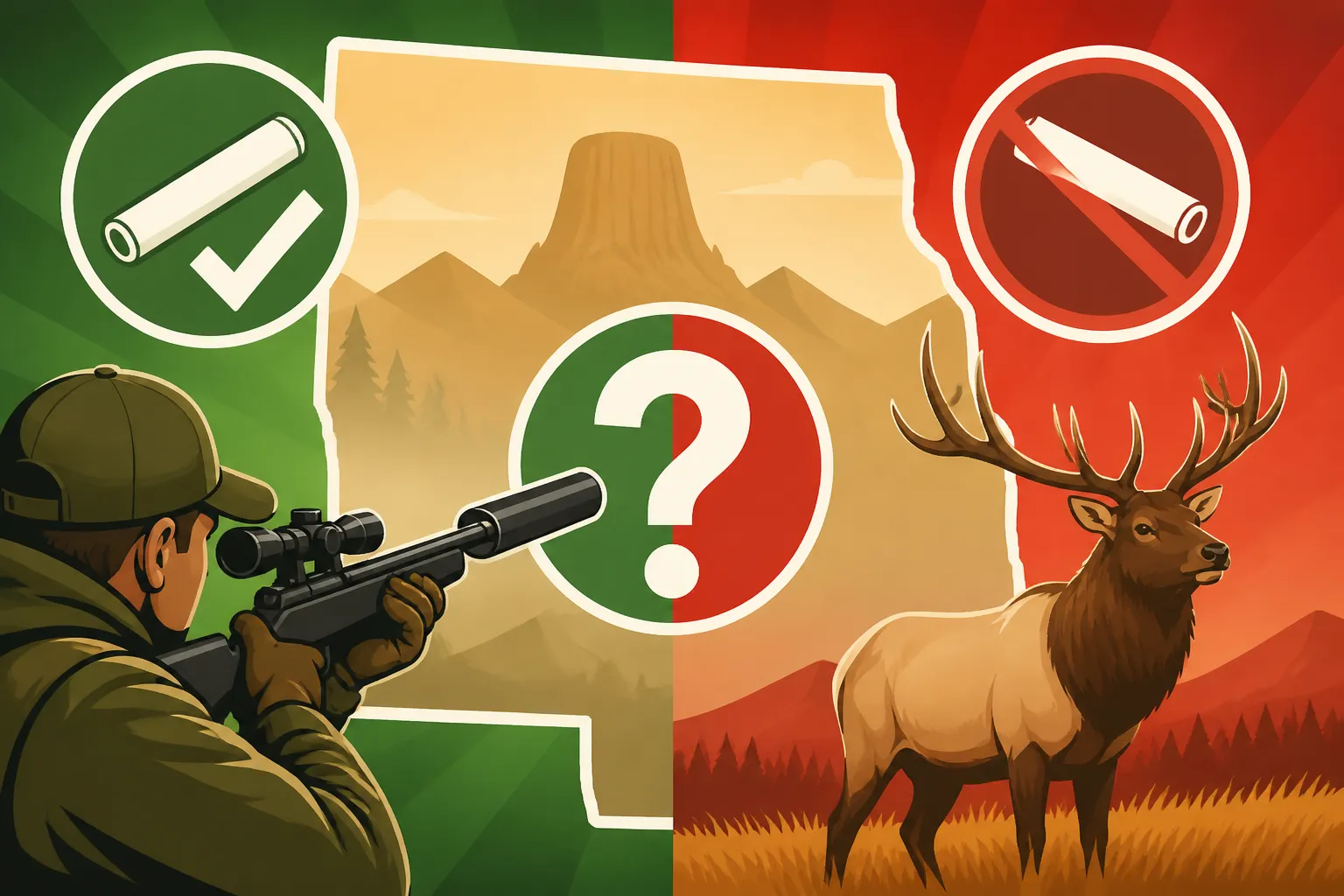
Whether Suppressors Are Legal for Big Game
The crack of a rifle shot echoing through Wyoming's vast, open country can be an incredible sound to some, but to many hunters, it also brings a very real concern about hearing damage and disturbing every animal within a mile. It’s a common frustration, especially when you want to minimize your impact and protect your hearing for years of future hunts. Thankfully, if you’re wondering whether you can use a suppressor on your firearm for big game hunting in Wyoming, the answer is a resounding yes, and understanding why and how can make a real difference in your hunting experience.
The Green Light: Suppressors Are Legal in Wyoming for Big Game
Let's cut right to the chase: using a suppressor, often called a silencer, while hunting big game in Wyoming is perfectly legal. This often surprises hunters coming from states with more restrictive regulations, but Wyoming has long recognized the benefits of these devices for both ethical hunting practices and hunter safety. It’s not just a technicality; it’s a widely accepted and encouraged practice by many in the hunting community here.
A Clear Regulation: What the Law Says
The Wyoming Game and Fish Department (WGFD) regulations are quite clear on this matter. There are no state statutes or WGFD rules that prohibit the use of legally owned suppressors for hunting big game. Unlike some other accessories or methods which might have specific restrictions, suppressors are treated much like any other firearm accessory – as long as it’s legal under federal law, it's generally fine for hunting in Wyoming. This means you won't find yourself in a gray area when you're out chasing mule deer across the Red Desert or stalking elk in the Bighorn Mountains.
The explicit legality reflects a pragmatic approach. The WGFD focuses on fair chase principles, public safety, and wildlife conservation. Suppressors don't violate fair chase, and arguably enhance safety by mitigating noise pollution and recoil, which can lead to better shot placement and less risk of hearing damage. It's a progressive stance that benefits hunters directly. So, rest assured, you can confidently plan your hunts knowing that you can bring your suppressed rifle.
Federal vs. State: Understanding the Process
While Wyoming's state laws permit suppressor use for hunting, it's crucial to remember that suppressors are regulated at the federal level by the Bureau of Alcohol, Tobacco, Firearms and Explosives (ATF) under the National Firearms Act (NFA). This means obtaining a suppressor isn't like buying a new scope; there's a specific, rigorous process you must follow.
First, you'll need to purchase the suppressor through a licensed dealer in your state. This dealer will help you with the paperwork, which includes an ATF Form 4 application. You'll also need to submit fingerprints, passport-style photos, and pay a $200 federal tax stamp. This process can take several months, sometimes even over a year, due to federal background checks and processing times. Once approved, the suppressor is then transferred to you through your dealer.
Many hunters choose to set up a NFA gun trust, which can simplify ownership and allow multiple individuals (trustees) to legally possess and use the suppressor. While the federal hoops might seem daunting at first, once you've gone through the process, your suppressor is a legal item, and Wyoming's hunting regulations welcome its use. It’s a one-time federal hurdle that, once cleared, opens up a world of more enjoyable and safer hunting experiences here in the Cowboy State. Remember, this federal process applies uniformly across all states where suppressors are legal, making your legally obtained suppressor good to go in Wyoming.
Why Suppressors Make Sense for Western Hunting
Hunting in Wyoming is often synonymous with vast, open landscapes and long shots. The unique challenges of the terrain and the wildlife here make the benefits of suppressors even more pronounced. It's not just about being "tactical" or "quiet"; it's about enhancing the practical aspects of your hunt in a significant way.
Protecting Your Ears and Your Hunt
Let's be honest, the concussion and deafening blast from a high-powered rifle in the field is no joke. Even with hearing protection, it can be startling, and sometimes, in the heat of the moment, hearing protection might not be perfectly seated or even forgotten. Over time, repeated exposure to these loud noises leads to cumulative hearing damage, a common ailment among lifelong hunters. A suppressor significantly reduces the sound signature, bringing it down to a level that is much safer for your hearing – often below the 140 dB threshold considered damaging.
This reduction in noise has a cascade of positive effects beyond just saving your ears. It greatly mitigates muzzle blast and recoil, which are major contributors to flinching. A hunter who anticipates the loud bang and sharp kick might unconsciously flinch, pulling their shot off target. With a suppressor, the experience is much smoother. You're more likely to maintain focus through the shot, leading to better accuracy and more ethical kills. This can be particularly crucial when you're trying to make a clean shot on an antelope at 300 yards or a bull elk in thick timber. The improved concentration can also reduce the time it takes to get back on target for a follow-up shot, if needed.
Consider this: after spending countless hours glassing a basin without missing bucks or trying to pinpoint a bull's location, the last thing you want is a missed shot due to a flinch, or ringing ears for the rest of the day. A suppressor helps keep you in the moment, focused on the animal and the shot, rather than bracing for the boom.
Less Disturbance, More Ethical Hunting
Another often-overlooked benefit of using a suppressed firearm in Wyoming is the reduced disturbance to the environment and other wildlife. When you touch off a round, the sound can travel for miles, alerting every animal within earshot. This means that if you're hunting a particular drainage and take a shot, any other game in the vicinity – or even game that your hunting partners might be stalking in an adjacent area – will likely be spooked and relocate.
With a suppressor, the sound is greatly diminished. While it’s not Hollywood "silent," it's often described as sounding more like a loud clap or a stapler, rather than an explosive crack. This reduction means that while the animal you're shooting at will react, other animals farther away are less likely to perceive it as a threat or even notice it at all. This can be a huge advantage when you're hunting in areas with multiple game animals, or when you’re hunting with a group and don’t want to blow out everyone’s opportunities.
Furthermore, in high-pressure hunting areas or near private land, minimizing noise pollution is a courtesy to other hunters, landowners, and even livestock. The less noise you make, the less likely you are to cause alarm or inconvenience. It contributes to a more respectful and less impactful presence in the field. This goes hand-in-hand with being a responsible hunter, ensuring that your pursuit doesn't unduly affect the experience of others or the tranquility of the wilderness.
Dispelling Myths and Understanding Nuances
There's a lot of misinformation out there about suppressors, often stemming from Hollywood portrayals or outdated laws. When it comes to Wyoming hunting, it’s important to understand the reality and differentiate suppressors from other regulated hunting tools.
Not All Accessories Are Created Equal
It's easy to assume that if one accessory is regulated or prohibited, others might be too. However, Wyoming's hunting regulations draw clear lines. For instance, while suppressors are completely legal, other hunting accessories like Electronic Calls and What Wyoming Allows have very specific restrictions, particularly for big game. Electronic calls are generally prohibited for big game hunting in Wyoming, although they are allowed for predators and varmints. Similarly, for archery hunters, there are rules around things like Whether Lighted Nocks Are Legal for Bowhunters, which are allowed, but illustrate how the WGFD scrutinizes various tools for their impact on fair chase.
Suppressors fall into a different category entirely. Their primary function is sound and recoil reduction, which are seen as safety and ethical benefits, not tools that inherently give an unfair advantage over the animal. They don't attract game, nor do they make an otherwise illegal shot possible. They simply make the shooting experience safer and more pleasant for the hunter, and less disruptive to the environment. Understanding these distinctions helps clarify why Wyoming permits suppressors where other states or even other types of accessories might be restricted.
Considerations for Your Suppressed Setup
While suppressors offer many advantages, they also add length and weight to your firearm. This is a practical consideration, especially for long treks through rough country or when navigating thick timber. A rifle that feels perfectly balanced without a suppressor might feel a bit unwieldy with one attached. It's a trade-off that most hunters find well worth it, but it does require some adaptation and practice.
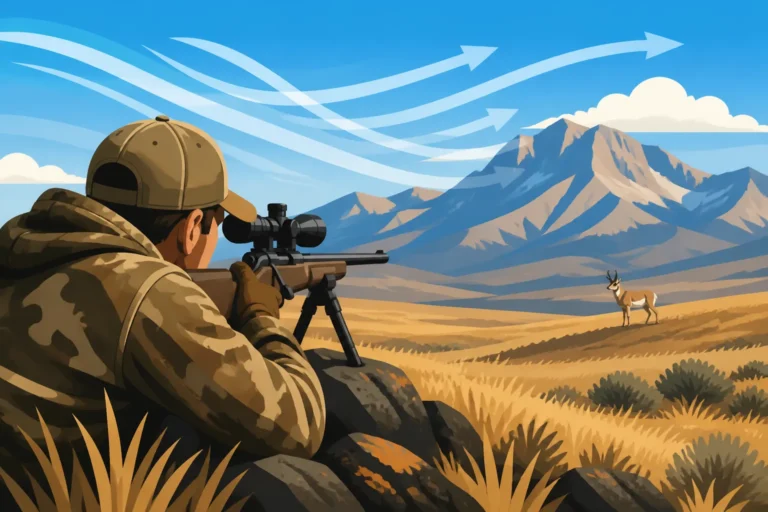
Another critical aspect is the potential for a "point of impact" (POI) shift when you attach a suppressor. Your rifle's zero might change slightly, meaning where the bullet hits the target might be different with the suppressor on than with it off. This isn't a flaw; it's just a characteristic of changing the harmonics and weight distribution of your barrel. Because of this, it's absolutely essential to re-zero your rifle with the suppressor attached before your hunt. Never assume your unsuppressed zero will hold true. This goes back to basic marksmanship principles, like properly setting your Rifle Zero Distance for Open Country Shooting. Take the time at the range to confirm your POI and practice shooting with the suppressor on.
When you're doing your e-scouting and research on platforms like GoHunt, remember to consider the added length of your suppressed rifle if you anticipate navigating tight spaces or brush. While GoHunt's mapping tools are invaluable for identifying terrain and access points, they won't tell you how your rifle handles in a thicket. Always factor in your full setup when visualizing your hunt.
Practical Advice for Hunters Considering a Suppressor
Deciding to hunt with a suppressor in Wyoming is an excellent choice for many, but it's a decision that comes with a few practical steps to ensure you're fully prepared and compliant.
Researching Your Purchase and Paperwork
The federal NFA process, while straightforward, can be time-consuming. If you're considering a suppressor for an upcoming Wyoming hunt, start the process well in advance – think 9-12 months out, or even more. The wait times can fluctuate significantly, and you don't want to be caught without your suppressor when hunting season rolls around.
Begin by finding a reputable firearms dealer who specializes in NFA items. They will be your guide through the Form 4 application, fingerprinting, photos, and the tax stamp payment. Many dealers now offer digital fingerprinting and electronic filing (eForms), which can sometimes speed up the process, but patience is still key. Discuss with your dealer the various calibers and types of suppressors available. A good general-purpose suppressor might handle multiple calibers, making it a versatile addition to your hunting arsenal. For instance, if you're looking for a Best All-Around Caliber for a Western Hunt, you'll want a suppressor that complements it perfectly.
It’s also wise to check reviews and ask other hunters for recommendations on specific brands and models. Companies like SilencerCo, Dead Air Armament, and Q LLC are popular choices among hunters for their durability and performance. Don't just pick one based on price; consider its weight, length, sound reduction capability, and ease of maintenance.
Integrating Your Suppressor into Your Hunting Kit
Once you've received your suppressor, the real fun begins: integrating it into your hunting routine. This isn't just about screwing it onto your rifle; it's about making it a natural extension of your firearm.
As mentioned, always re-zero your rifle with the suppressor attached. This is non-negotiable for accuracy. Take several trips to the shooting range to get comfortable with the new balance and feel of your firearm. Practice shooting from various field positions – prone, kneeling, sitting, and standing – as you would in a hunting scenario. Pay attention to how the added length might affect your maneuvering in tight spots or when getting in and out of a hunting vehicle.
Consider investing in a good rifle case that can accommodate the added length of your suppressed rifle. Also, think about cleaning and maintenance. Suppressors collect carbon and can require specific cleaning procedures, especially if they're not user-serviceable. Your dealer or the manufacturer's instructions will provide the best guidance.
Finally, while the legality of suppressors for big game is clear, it's always good practice to carry a copy of your approved ATF Form 4 with you when hunting, alongside your hunting license and other required documents. Even though it's legal, having proof of ownership can prevent any potential misunderstandings with law enforcement or game wardens in the field. This attention to detail is just part of being a prepared and responsible hunter in Wyoming, much like knowing the exact Wyoming Legal Shooting Hours for Big Game for your hunt area. When using mapping resources like GoHunt, you can even mark areas where you've practiced with your suppressed rifle, helping you build a comprehensive scouting plan that integrates all aspects of your gear.
Disclaimer
Please be aware that hunting regulations can change, and it is always your responsibility as a hunter to consult the most current Wyoming Game and Fish Department regulations and federal laws before engaging in any hunting activities. This guide is for informational purposes only and should not be considered legal advice.