Wyoming’s Leftover License Window in Late June
It’s a heart-sinking moment, isn't it? You’ve put in your applications, waited patiently, and then the email comes – "unsuccessful." For many hunters, that feels like the end of their Wyoming dreams for the year. But it doesn't have to be. This guide is all about Wyoming's often-overlooked secret weapon for getting a tag: the leftover license window in late June. We'll walk through exactly what this opportunity entails and how you can leverage it to get back in the field.
The Reality of Wyoming's Leftover License Window
After the main draws for elk, deer, and antelope run in Wyoming, there are inevitably tags that go unclaimed. Maybe not enough people applied for a particular unit, or perhaps some applicants had issues with payment or eligibility. Whatever the reason, these unissued tags don't just disappear; they become "leftover licenses," and the Wyoming Game and Fish Department (WGFD) makes them available to hunters who weren't successful in the primary draws, or even those who didn't apply at all.
This isn't some secret handshake club; it's a legitimate, albeit often competitive, second chance. It’s a moment of hope for those who felt the sting of disappointment, offering another shot at experiencing Wyoming’s incredible hunting. The feeling of missing out can be tough, especially after investing time and money, so understanding this window can turn that frown upside down.
Why Leftover Licenses Happen
Leftover licenses aren't a sign of poor management or lack of game; they're a natural part of a complex draw system designed to distribute limited tags fairly across a vast landscape with varying herd objectives. Think about it: hundreds of hunt areas, multiple license types (like a Type 1 for any elk, or a Type 6 for an antlerless elk), and thousands of applicants with varying preference point levels. It's a massive puzzle.
Sometimes, a specific hunt area might be less popular due to perceived lower success rates, challenging access, or simply because it doesn't align with what most people consider a "trophy" hunt. Other times, non-residents might misjudge the demand for certain areas, or residents might focus solely on high-demand units, leaving less popular ones undersubscribed. Economic factors can also play a role, with some applicants choosing not to finalize their purchase for tags they did draw. This creates a fascinating ebb and flow, and these factors combine to create a pool of available tags. It’s less about luck and more about understanding the dynamics of the system.
What Kind of Tags Are Usually Available
You might be wondering if these leftover tags are just for areas nobody wants to hunt. While you’re unlikely to find a leftover full-price ram tag for bighorn sheep, or a highly sought-after bull elk license in a premium unit, the leftover pool often contains excellent opportunities. Most commonly, you'll see a significant number of doe/fawn licenses for deer and antelope, and cow/calf licenses for elk. These can be fantastic for meat hunters, youth hunters, or anyone looking to simply get afield and experience a Wyoming hunt without the pressure of a trophy animal.
You might also find general licenses for less popular deer or antelope regions. Sometimes, even limited quota buck or bull tags appear, especially in units with tougher access or lower hunter densities that didn't fill in the initial draw. It's definitely not a lost cause. For example, you might find a Type 6 Elk License for antlerless animals in an area with good public access, or a Type 8 Deer License for a doe-fawn hunt that could fill your freezer and provide an exciting outing. It’s all about setting realistic expectations and being ready to act.
Navigating the Wyoming Game and Fish Website for Leftovers
The Wyoming Game and Fish Department (WGFD) manages the entire process through its online Electronic Licensing System (ELS). If you’ve applied for a tag before, you’re already familiar with the system. If not, it’s fairly intuitive, but acting quickly and knowing where to look is key when the leftover window opens. This is not a time for leisurely browsing; it’s a race, and every second counts.
Understanding the Sales Process
The leftover licenses are typically sold on a first-come, first-served basis. This means there's no mini-draw, no preference points considered – just pure speed. Once the sale opens, these tags can disappear within minutes, especially for the more desirable units or species. Imagine a digital stampede, and you’re right in the middle of it!
Here's a simplified breakdown of how it generally works:
- Announcement: The WGFD will announce the exact date and time the leftover licenses will become available. This is crucial information, so keep an eye on their official website, social media channels, and email newsletters. Many hunters also rely on services like GoHunt to keep them updated on these critical dates and potential opportunities.
- Preparation: Make sure your WGFD ELS account is up-to-date. Your credit card information should be saved and current, and your hunter education certification (if applicable, remember Anyone Born After 1965 Needs Wyoming Hunter Education) linked. You don't want to be fumbling with details when the clock starts ticking.
- The Drop: At the designated time, the available licenses will appear on the ELS portal. You'll navigate to the "Buy Licenses" section, and a new option for "Leftover Licenses" or "Over-the-Counter Sales" will likely appear.
- Selection and Purchase: Click on the license type you want, add it to your cart, and proceed to checkout as fast as humanly possible. Having multiple tabs open for different hunt areas or species can sometimes help, but be careful not to overload your browser.
It's a high-stakes game of speed and preparation. The more prepared you are, the better your chances.
Important Dates and Timing
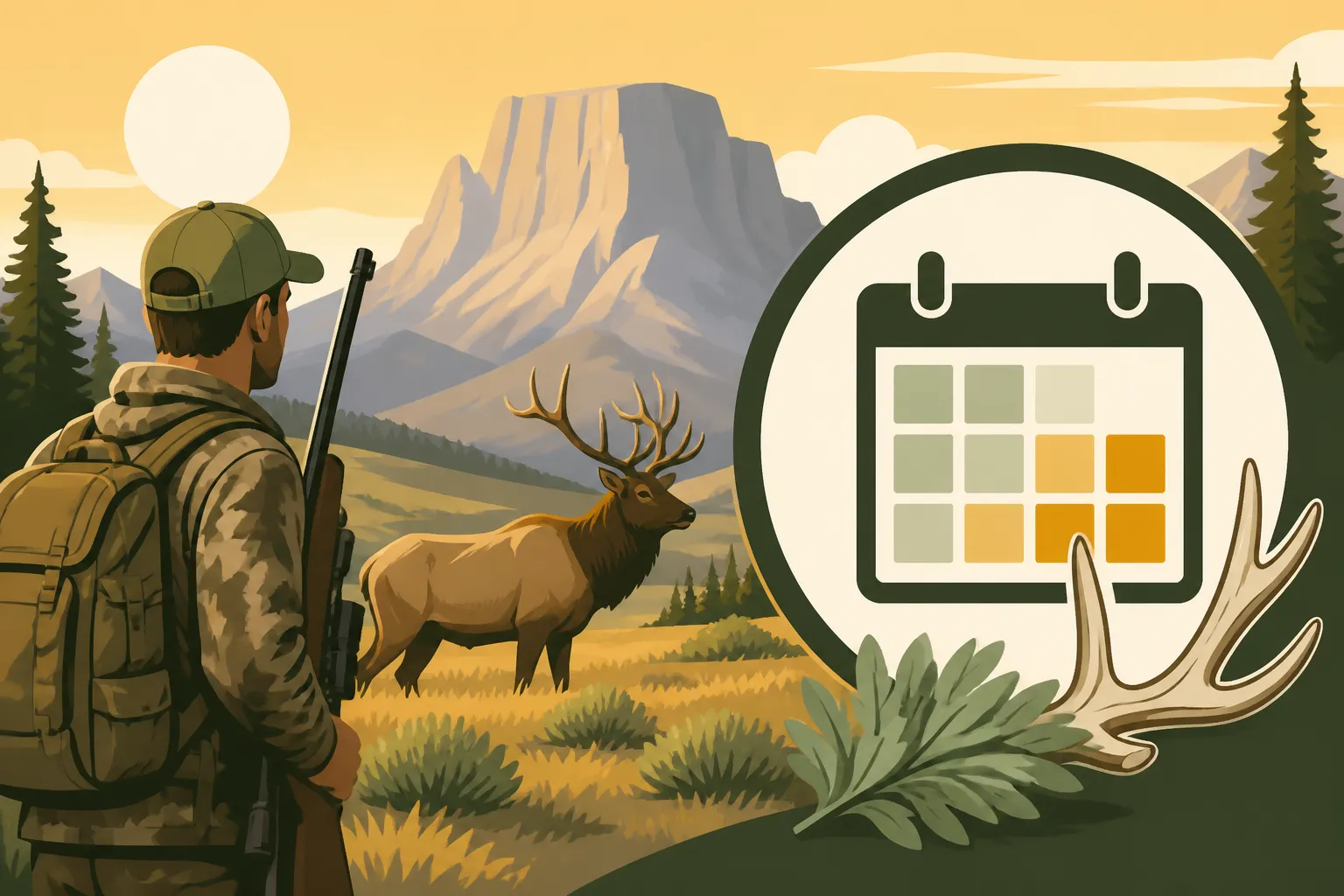
The "late June" window is the key here. Historically, leftover licenses for deer and antelope often become available shortly after the primary draw results for those species are released. Elk leftovers can sometimes follow a slightly different schedule, often after their own draw results.
While specific dates shift year to year, here's a general timeline to give you an idea:
| Species | Primary Application Deadline | Primary Draw Results | Leftover Sales Window (Typical) |
|---|---|---|---|
| Elk | Early February | Mid-May | Late June |
| Deer | End of May | Mid-June | Late June |
| Antelope | End of May | Mid-June | Late June |
| Sheep/Moose/Goat | End of April | Early May | Rarely, if ever, have leftovers |
Note: Always verify the exact dates on the official Wyoming Game and Fish Department website each year, as they are subject to change. The date When Wyoming Deer Draw Results Land and When Wyoming Elk Draw Results Are Posted are critical precursors to the leftover sales. After waiting for these results, you'll need to be ready to pivot quickly.
Strategies for Securing a Leftover Tag
Simply knowing when the leftover window opens isn't enough; you need a strategy. This is where your pre-season scouting and research skills really come into play, even if you’re doing it last minute.
Researching Available Units
Before the leftover sale even begins, you should have a few potential hunt areas in mind. This means doing your homework:
- Review Prior Year Leftover Data: Look at what units and license types had leftovers in previous years. While not a guarantee for the current year, it provides a strong indication of where opportunities might arise.
- Study the WGFD Hunt Planner: This invaluable tool on the WGFD website provides harvest statistics, draw odds, and area descriptions. Focus on areas that generally have lower draw success or higher quotas for antlerless animals.
- Map Research: Use mapping tools like onX Hunt or GoHunt’s filtering tools to scout potential public land access in these units. Just because a tag is available doesn't mean it's easily huntable. You'll want to quickly identify hunting access on Wyoming's national forests or BLM lands.
- Species-Specific Focus: If you're targeting a Wyoming Cow Elk Tag, research units known for higher cow harvest. For deer, look for units with Doe and Fawn Deer Tag Pricing in Wyoming if that's your goal.
- Consider Hunt Area Regulations: Different hunt areas have different regulations. Make sure you understand them. Some areas might have later season dates that align better with your schedule, while others might be archery-only during certain periods. Checking Wyoming's Archery Only Elk Hunt Areas or general season frameworks can prevent disappointment.
The key here is to have a "hit list" of 3-5 hunt areas and species combinations, ranked by your preference. When the window opens, you go for your top choice first. If it's gone, immediately move to your second, and so on. This pre-planning minimizes decision-making time during the critical sale window.
Acting Quickly and Being Flexible
I can’t stress this enough: speed is paramount. Have your ELS login ready, your payment method pre-loaded, and your "hit list" in front of you.
- Be Online Early: Log in to your WGFD ELS account at least 15-30 minutes before the announced sale time. Refresh your browser frequently, but not so much that you get locked out for suspicious activity.
- Stable Internet Connection: Ensure you have a fast and reliable internet connection. This is not the time to be tethering to your phone in a remote location.
- Stay Calm: It can be frustrating if your first choice is snatched up. Don't panic. Quickly move to your next option. The goal is a tag, not necessarily the tag you initially dreamed of. Flexibility in your target species, hunt area, or even license type (e.g., from an antlered to an antlerless tag) significantly increases your odds.
- Double-Check Your Cart: Before finalizing the purchase, quickly verify that the license in your cart is indeed the one you intended to buy. Mistakes can happen in the rush, and you don’t want to end up with the wrong tag.
- Confirmation: Once purchased, you should receive a confirmation email. It’s a good idea to also log back into your ELS account to ensure the license is showing up in your profile.
This process is a prime example of why services like GoHunt become so valuable. They often have real-time trackers for leftover tags, helping hunters quickly see what's available and where, potentially saving precious seconds during the buying frenzy. Being informed and prepared is your greatest advantage.
Making the Most of Your Leftover License Hunt
Successfully grabbing a leftover license is a huge win, but it’s just the first step. Now, you need to prepare for the hunt itself, which might look a little different than a tag you drew in a highly competitive unit.
Expectations for Leftover Hunts
It’s important to manage your expectations when hunting with a leftover tag. These tags are often available in areas that are less popular for a reason – maybe lower game density, tougher terrain, more pressure, or less public land access.
- Focus on the Experience: Instead of solely chasing a trophy, embrace the opportunity to be out in Wyoming’s incredible landscape. A cow elk or a doe antelope hunt can be incredibly rewarding, providing excellent meat and valuable experience. Remember, sometimes The Pinedale Elk Herd Feedground Plan Explained offers unique challenges and opportunities that can lead to great learning experiences.
- Public Land vs. Private Land: Many leftover tags might be for areas with a higher percentage of private land. This means you’ll need to put in extra effort to find huntable public ground, whether it’s BLM, National Forest (like the Bridger-Teton National Forest Hunting in Wyoming), or state land. The Wyoming Public Land Owner Map Explained is a crucial resource here. Don't forget about programs like How Wyoming's Access Yes Program Works, which can open up private land to public hunters.
- Physical Demands: Don't assume an "easier-to-draw" unit means an easier hunt. Some less popular areas might require more strenuous hiking, longer stalks, or more challenging navigation. Always prepare physically for a Wyoming hunt, regardless of the tag.
These hunts can be incredibly fulfilling because they often require more grit, ingenuity, and willingness to explore. It’s a true testament to the spirit of hunting.
Preparation Without the Draw Stress
While the pressure of the draw is over, the preparation for the hunt itself is just beginning. Even with a leftover tag, thorough planning is essential.
- Gear Check: Ensure all your hunting gear is in working order. This includes your weapon (and making sure it complies with What Wyoming Counts as a Legal Firearm for Big Game or Wyoming Sets Bow Draw Weight at 40 Pounds, 50 for Elk), optics, navigation tools, and clothing. Don’t wait until the last minute.
- E-Scouting and Physical Scouting: Once you have your specific hunt area, dive deep into maps. Identify water sources, likely bedding areas, feeding grounds, and potential travel corridors. If possible, a physical scouting trip can make a huge difference, giving you invaluable on-the-ground intelligence, like knowing Terrain That Hides an Approach or ideal Tripod Setup for Glassing From a Vehicle.
- Regulations Review: Even if you know general Wyoming regulations, always read the specific hunt area regulations for your tag. Dates, weapon restrictions, and antler point restrictions (if applicable) can vary significantly. For instance, knowing Wyoming Elk Season Dates Are Set Hunt Area by Hunt Area is paramount, as is understanding specific limits like The Spike Elk Restrictions Wyoming Applies.
- Contingency Planning: What if the weather turns bad? What if your planned access point is unexpectedly closed? Having backup plans for camping, access, and even alternative hunt spots within your unit can save your hunt. Don't forget about basic necessities like first aid and Bear Safety Practices in an Outfitter Camp if you're in grizzly country.
Securing a leftover license is a fantastic way to extend your hunting season or get into the field when you thought your chances were gone. It requires diligence, speed, and adaptability, but the rewards of chasing game in Wyoming are always worth the effort.
Disclaimer
The information provided in this guide is for general informational purposes only and does not constitute legal advice. Hunting regulations in Wyoming are complex and subject to change. Always consult the official Wyoming Game and Fish Department (WGFD) regulations and current year's hunting proclamations before planning any hunt or applying for licenses. It is the hunter's responsibility to know and comply with all applicable laws and regulations.