The Wyoming Antelope Archery Opening Date
Oh, the sheer excitement and, let's be honest, sometimes the sheer headache, of planning a Wyoming antelope hunt! You've got visions of those majestic speed goats darting across the open plains, your heart thumping as you draw back your bow. But then you dive into the regulations, and suddenly it feels like you need a secret decoder ring just to figure out when you can actually start hunting. Don't worry, you're not alone in feeling that little surge of frustration. This guide is dedicated to cutting through the confusion, clearly laying out when Wyoming's archery antelope season opens, and what you need to know to be ready when that date finally arrives.
The Statewide Start: When Archery Antelope Season Kicks Off
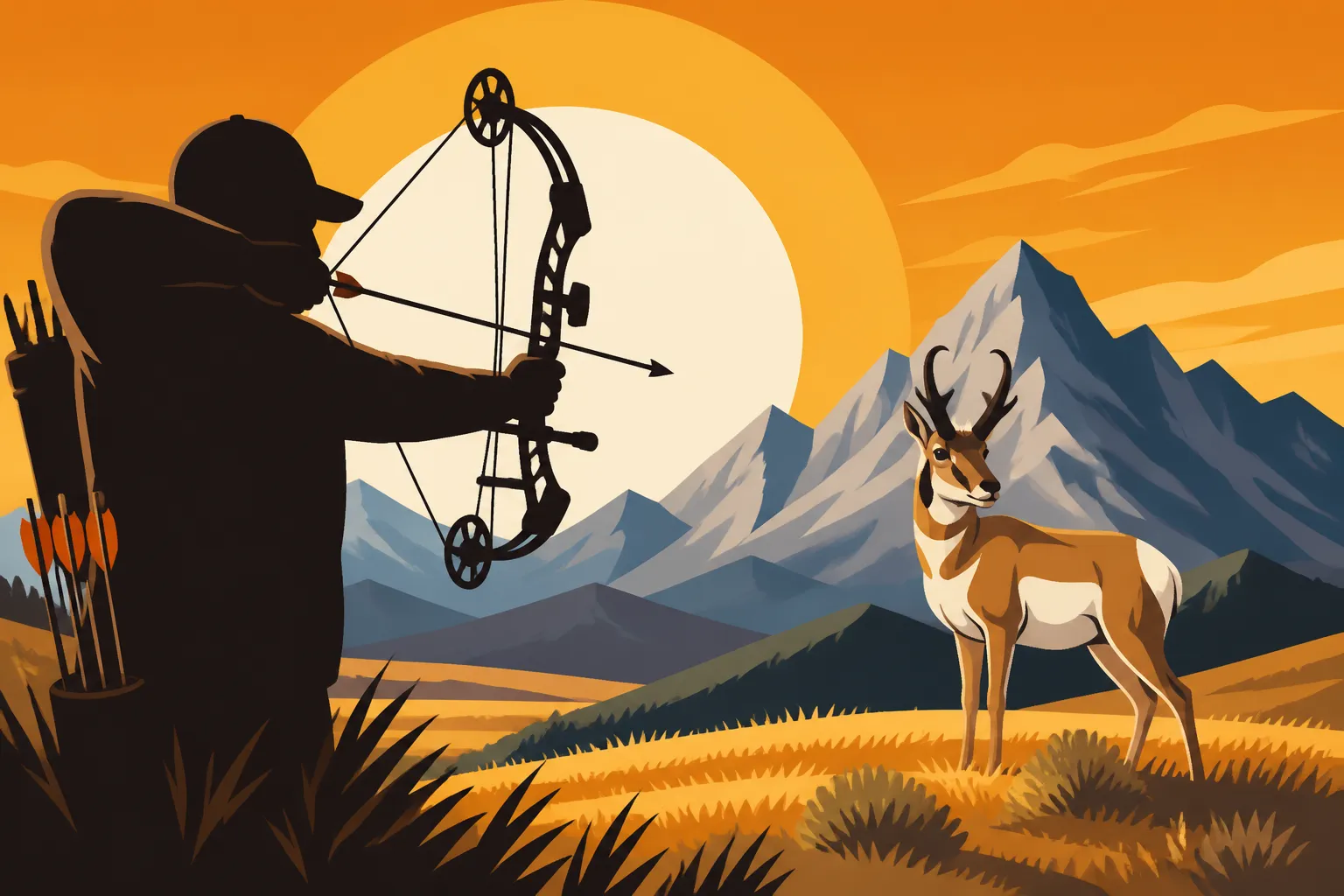
If you're an archery hunter dreaming of pronghorn, you're probably eager to hit the field as early as possible. And I'm here to tell you, Wyoming is pretty consistent and generous with its archery antelope season opener. For most hunt areas across the state, the general archery season for antelope typically begins in the middle of August.
Specifically, you can usually mark August 15th on your calendar as the day the antelope archery season officially opens its doors in Wyoming. This is a crucial date because, as many experienced hunters know, Wyoming Antelope Archery Opens Before Rifle season. This early start gives bowhunters a unique opportunity to pursue pronghorn when they're generally less pressured and still settled into their summer patterns. It’s a completely different experience than the later rifle seasons, often offering a more intimate, solitary hunt before the landscape becomes dotted with more hunters.
Now, while August 15th is the widely recognized general opener, it's always, always essential to remember that individual hunt areas can have slightly different regulations. Wyoming's Game and Fish Department divides the state into numerous hunt areas, and each one might have unique nuances regarding season dates, weapon restrictions, or even license types. So, while the 15th of August is a great benchmark to begin your planning, never skip the critical step of checking the specific regulations for the hunt area you intend to apply for or draw. Think of this general date as your starting gun, but the specific race details are always in the unit regulations.
Advantages and Challenges of the Early Archery Season
Starting your antelope hunt in mid-August presents a distinct set of conditions that can either be your best friend or your biggest adversary. Understanding these factors is key to successful preparation and a fulfilling hunt.
Capitalizing on Unpressured Animals and Unique Opportunities
One of the biggest advantages of an early archery opener is that the antelope herds haven't yet felt the intense pressure that often comes with the later rifle seasons. These animals are generally more settled, predictable in their movements, and haven't had encounters with legions of hunters. This can translate into more natural behavior, making them potentially more approachable if you execute your stalk perfectly.
Furthermore, hunting in August often means you're catching the tail end of summer patterns, especially around water sources. In many parts of Wyoming, August can be hot and dry, which makes waterholes absolute magnets for antelope. A well-placed blind or a carefully planned stalk to a water source can be incredibly effective. While the full-blown rut for pronghorn typically kicks in later in September, you might start to see some pre-rut sparring and territorial behavior towards the end of August, adding another layer of excitement to your hunt. This early period allows for a different style of hunting, often involving patience and precision rather than reaction to scattered herds.
Overcoming Summer Heat, Rattlesnakes, and Sparse Cover
However, an August archery hunt isn't without its significant challenges. The most prominent one is, without a doubt, the heat. Wyoming summers can be scorching, with daytime temperatures often climbing into the 90s, especially in the more arid antelope country. This heat impacts both you and the animals. You'll need to prioritize hydration, plan your stalks for cooler parts of the day, and be prepared for physically demanding conditions. The heat can also make field dressing and meat care a race against the clock, so having a solid plan for quick processing and cooling your game is paramount.
Another less pleasant aspect of summer hunting is the increased activity of rattlesnakes. These reptiles are active in the heat, and encounters are much more likely when you're traversing the sagebrush. Always be vigilant, wear appropriate footwear, and know basic snake safety and first aid. Finally, August means vegetation might still be relatively green but often sparse, especially in the vast, open landscapes pronghorn inhabit. This lack of cover can make getting within bow range incredibly difficult. You'll need to master the art of using every subtle dip, rise, and patch of sage for concealment. Understanding Pronghorn Eyesight and the Stalking Distance It Forces becomes an almost spiritual endeavor in these conditions. To enhance your chances, employing a decoy can be a game-changer, but remember to carefully consider The Decoy Distance That Actually Pulls Antelope Bucks to make it effective.
Deciphering Hunt Area Specifics and Tag Acquisition
While that August 15th date is exciting, your hunt really begins long before that with thorough research and tag acquisition. Wyoming's system, while excellent, requires careful navigation.
Deep Dive into Hunt Area Regulations
As mentioned, every hunt area in Wyoming has its own set of rules, and these can sometimes impact or even slightly alter the statewide general season dates. For instance, some specific "Type" licenses might have slightly different openers or closures, or particular areas might be managed with unique objectives that dictate their season structures. To truly understand your options and ensure you're hunting legally, you absolutely must consult the official Wyoming Game and Fish Department Hunting Regulations, specifically the chapter on pronghorn antelope. These are updated annually and are your go-to source for precise dates, boundaries, and any special provisions.
This is where tools like GoHunt really shine. Platforms like GoHunt compile vast amounts of data, including regulation changes, draw odds, and unit information, allowing you to easily cross-reference the general opener with the specifics of your chosen hunt area. They can help visualize boundaries, identify public land access, and provide insights that save countless hours of sifting through PDFs. Planning ahead is vital, especially when you consider that Wyoming Deer and Antelope Applications Close June 1 – well before the archery season even starts! So, your research needs to be done months in advance of your hunt itself.
Understanding License Types and Their Implications
Wyoming offers a variety of license types for antelope, and understanding them is crucial for your archery hunt. You'll mostly be looking at general licenses, but there are often different "Type" licenses (like Type 1, 6, 7, 8) which can dictate if you can hunt bucks, does, or either sex, and sometimes even the dates. For example, a Type 1 license is typically for any antelope (buck or doe), while Type 6, 7, or 8 licenses are often for antlerless animals or specific areas, and might have longer or different seasons to manage herd numbers.
The general archery season, regardless of the license type, usually adheres to that mid-August opener. However, it’s always worth checking if a specific license type you are considering has an extended archery-only period. For residents, it's a relatively straightforward process to pick up a general tag. For nonresidents, drawing a tag is usually required, and that brings us back to those crucial application deadlines. Keep in mind the difference between Wyoming General Licenses Against Limited Quota: Two Different Games, as this fundamentally impacts your draw odds and planning. Don't forget that Wyoming Nonresident Antelope Tag Price Explained details the cost, which is another significant factor in your planning.
A simple way to visualize the general season structure might look something like this:
| Season Type | Typical Opening Date | Typical Closing Date | Notes |
|---|---|---|---|
| Archery Antelope | August 15th | September 30th | Statewide general, check unit regs for specifics |
| Rifle Antelope | Mid-September | Mid-November | Varies significantly by hunt area; often begins after archery |
| Youth Archery | August 15th | September 30th | Follows general archery dates; often requires specific youth license |
| Specific Type Licenses | Varies | Varies | Check individual hunt area regulations carefully |
This table provides a broad overview, but remember, the granular details are in those annual regulations. Using resources like GoHunt can help you cross-reference these dates with specific unit maps and draw odds, creating a comprehensive picture for your application.
Preparing for the Ultimate Archery Antelope Challenge
Once you’ve got your tag in hand and the dates locked down, it’s time to shift your focus to preparation. An early archery antelope hunt demands a specific kind of readiness, both mentally and physically.
Gear Up for Success in Open Country
Your gear selection for an August antelope hunt needs to be meticulous. Lightweight, breathable clothing is a must to combat the heat, but also durable enough to withstand crawling through prickly pear and sagebrush. Footwear should be comfortable, supportive, and offer protection from rough terrain and potential snake encounters. Hydration is non-negotiable; plan to carry more water than you think you'll need, perhaps using a hydration pack.
Optics are paramount for hunting in Wyoming's vast, open country. A good pair of binoculars (10×42 or 12×50 are popular choices) is essential for locating animals from a distance. Consider higher power for those incredibly long sightlines; understanding Optics Power for Wyoming's Long Sightlines can make a huge difference. A spotting scope is almost mandatory for truly glassing those distant basins and judging animals without spooking them. Knowing how to effectively use a technique like Grid Glassing a Basin Without Missing Bucks will pay dividends. A rangefinder is also absolutely critical for archery hunting, helping you accurately judge distances in a landscape that can play tricks on your eyes.
Finally, your archery setup needs to be dialed in. Ensure your bow is perfectly tuned, your arrows are flying true, and your broadheads are sharp and suitable for antelope. While this article focuses on dates, it's worth a reminder to review regulations on broadhead types and other archery accessories. Questions like Are Release Aids Allowed for Archery Hunting? might seem basic, but it's always good to confirm state-specific rules.
Physical and Mental Fortitude for the Stalk
Antelope hunting, especially with a bow, is arguably one of the most physically and mentally demanding hunts out there. You'll be covering miles on foot, often in challenging terrain and under a relentless sun. Stalking a pronghorn means crawling, sneaking, and sometimes running to get into position. The physical conditioning required is significant; start exercising well in advance, focusing on endurance and core strength.
Mentally, you need to be prepared for the grind. Antelope have incredible eyesight, and they live in country with very little cover. You will be busted. Many times. You'll spend hours on a stalk only to have a single flick of a tail or an unexpected gust of wind send them bolting. Patience, persistence, and the ability to shrug off setbacks are crucial. Understanding How Far to Stalk a Bedded Pronghorn is one thing; executing it without them seeing you is another entirely. Every hunt is a lesson, and success often comes to those who learn to adapt and maintain their resolve despite the challenges.
Disclaimer
Please remember that hunting regulations, season dates, and license requirements are subject to change. Always consult the most current official Wyoming Game and Fish Department regulations or visit their website before planning and executing any hunt. This guide is for informational purposes only and should not be considered a substitute for official legal guidance.