The Wyoming Pheasant Opener and Bag Limit
For many upland bird hunters, the thought of pheasants conjures images of endless cornfields in the Dakotas or the fertile plains of Iowa. Wyoming, with its vast sagebrush and rugged mountains, isn't always the first place that comes to mind for ringnecks, and that can lead to a lot of confusion about when and where you can even chase them. This comprehensive guide will clear up all those questions, laying out exactly when Wyoming's pheasant season typically opens, what the daily and possession bag limits are, and how you can actually find these elusive birds in the Cowboy State.
Wyoming's Unique Approach to Pheasant Hunting
Wyoming's reputation for big game often overshadows its excellent, albeit different, upland bird opportunities. You won't find mile after mile of dedicated pheasant habitat like in some neighboring states, and that's okay. What Wyoming offers is a blend of natural populations, strong private land opportunities, and a robust pheasant release program run by the Wyoming Game and Fish Department (WGFD) that makes pheasant hunting a viable and often exciting pursuit for those willing to put in the effort. The challenge often isn't just finding the birds, but understanding the localized regulations and access points that are crucial to a successful hunt.
Understanding Habitat and Distribution Challenges
Unlike states that boast vast tracts of agricultural land perfectly suited for pheasants, much of Wyoming's landscape is better characterized by open sagebrush, draws, and mountain foothills. This means naturally reproducing pheasant populations are often localized, usually concentrated in irrigated agricultural areas, dense riparian corridors along rivers like the North Platte, and certain drainages with sufficient cover and food sources. These natural pockets are precious and often found on private property, making access a primary concern for many hunters. When you're trying to figure out where the birds might be, a tool like GoHunt can be invaluable for identifying potential public land access points near agricultural areas. Without these specific habitat types, pheasants simply can't thrive in the same numbers you'd see elsewhere, leading to a different kind of hunting experience that relies less on pure bird density and more on strategic planning and good dog work.
The Role of Wyoming Game and Fish Releases
To bolster pheasant hunting opportunities, especially on public lands, the WGFD runs an active pheasant release program. Each fall, thousands of pen-raised pheasants are released on various Walk-in Areas (WIAs) and Hunter Management Areas (HMAs), particularly in the eastern and central parts of the state. These releases are a lifesaver for hunters who don't have access to private land. The WGFD carefully selects areas with suitable cover and habitat, often near water sources, to give these birds a fighting chance. While released birds might not be as "wild" as their naturally hatched counterparts, they still provide fantastic hunting, especially for younger hunters or those training new dogs. Knowing Where Wyoming Releases Pheasants Each Fall is key to planning a successful trip, as these areas often have specific opening dates or hunting periods tied to the release schedule.
Decoding the Wyoming Pheasant Opener and Season Dates
The beauty, and sometimes the frustration, of hunting in Wyoming lies in its localized regulations. This holds true for pheasants, where season dates can vary by hunt area or even specific WGFD property. It's not a one-size-fits-all approach, so checking the current year's regulations is paramount before you ever head afield. Don't assume anything based on last year or what you might know from other states; Wyoming's seasons are designed to manage local populations and hunter pressure effectively.
General Season Structure and Key Dates
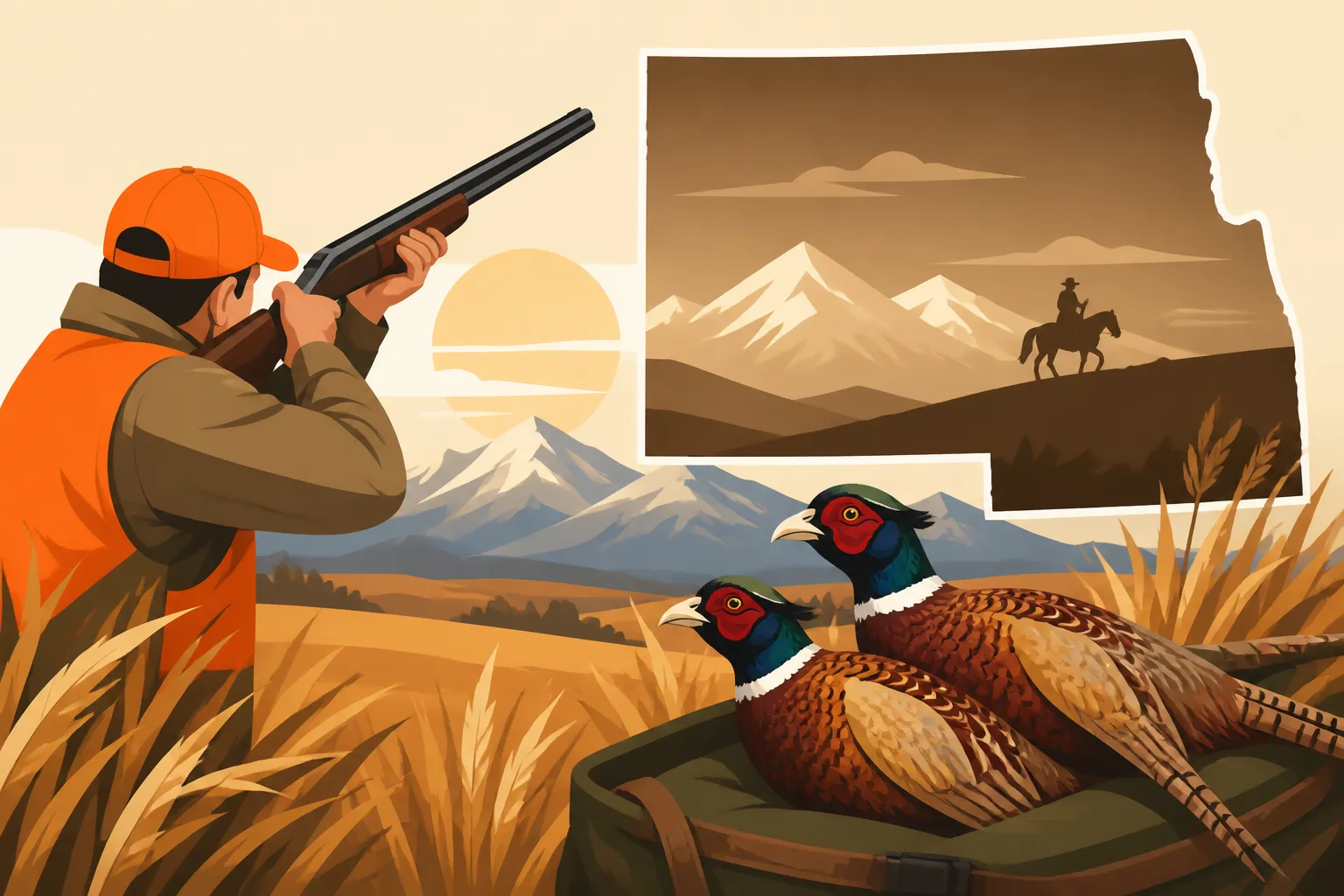
Generally, Wyoming's pheasant season kicks off in mid to late October and runs through much of December, sometimes even into January in certain areas. However, this is a broad stroke. Many of the most popular pheasant hunting locations, particularly the WGFD-managed Walk-in Areas and Hunter Management Areas where birds are released, will have their own specific opening days. These special areas might open later than the statewide general season or have unique windows for hunting to manage the pressure on newly released birds. For instance, areas like the Springer WMA or Table Mountain WMA in southeastern Wyoming, both known for their pheasant releases, will often have a specific opening day in late October or early November that draws a significant crowd. Checking the Wyoming Small Game Seasons at a Glance in the official regulations is your first and most important step to confirm these dates.
Area-Specific Openers and Closures
The Wyoming Game and Fish Department breaks down pheasant seasons by specific hunt areas and often by individual WIA or HMA property. This means you could find yourself hunting pheasants in one area while a neighboring unit might have a different start date or even be closed for pheasants altogether. For example, some areas might have a standard opening day, but a specific WMA within that area might open a week or two later to allow for bird releases and dispersal. This granular approach necessitates a close reading of the official regulations, which are usually published online well in advance of the season. A mapping tool like GoHunt's public land layers can help you cross-reference these specific hunt area boundaries with public access points, ensuring you're legally hunting where you intend to be. Always look for the specific "Pheasant" section in the Upland Game & Migratory Bird Regulations, paying close attention to any footnotes or special conditions listed for particular hunt areas.
Understanding Wyoming's Pheasant Bag Limits and Possession Rules
Once you've navigated the season dates, the next crucial piece of information is understanding how many pheasants you can legally harvest and possess. These limits are set by the Wyoming Game and Fish Department to ensure sustainable hunting opportunities while managing bird populations. Failing to adhere to these limits can result in penalties, so always be sure of the current year's regulations.
Daily Bag Limit Details
For pheasants in Wyoming, the daily bag limit is generally set at 3 pheasants. This means that within any single calendar day, regardless of how many times you go out or where you hunt, you cannot harvest more than three ringneck pheasants. This limit is designed to spread out the harvest among hunters and protect the local populations. Imagine a scenario where you hunt in the morning, bag two birds, head home for lunch, and then decide to go out again in the afternoon. In that second outing, you could only harvest one more pheasant to reach your daily limit of three. This isn't a per-trip limit, but a per-day limit, so keep careful track of your harvest.
Possession Limits and What They Mean
Beyond the daily bag limit, there's also a possession limit, which typically allows you to possess up to 9 pheasants. The possession limit refers to the total number of pheasants that can be in your control at any given time, whether in your freezer at home, in your vehicle, or at a camp. This limit is three times the daily bag limit, which is a common ratio for many upland game species. So, if you've been hunting for two days and have successfully harvested three birds each day, you'd have six pheasants in possession. You could then hunt a third day, harvest three more, and reach your possession limit of nine birds. Once you hit that nine-bird possession limit, you cannot harvest any more pheasants until some of those birds have been consumed, gifted, or otherwise disposed of, thus reducing your total number in possession below the limit. This rule is especially important for hunters traveling from out of state, who might accumulate birds over several days of hunting.
Finding Pheasants: Prime Habitat and Access in Wyoming
So, you've got your license, you know the season dates and bag limits, but the big question remains: where do you actually find pheasants in Wyoming? Given the state's diverse geography, pinpointing pheasant hotspots requires a strategic understanding of their preferred habitat and the available access options. It's not always easy, but the rewards of a hard-earned pheasant in Wyoming are truly special.
Identifying Key Pheasant Habitat
Pheasants are creatures of cover and agriculture. In Wyoming, this translates to specific areas where these two elements converge. Look for:
- Irrigated Agricultural Lands: This is prime pheasant country. Fields of corn, wheat, barley, and alfalfa provide both food and cover. River bottoms and areas with pivot irrigation often create these conditions. While much of this land is private, adjacent public lands or parcels accessible through programs like Access Yes can be goldmines.
- Riparian Corridors: Dense stands of willows, cottonwoods, and other brush along rivers and creeks offer vital thermal cover, roosting sites, and travel lanes. The North Platte River drainage, for example, is known for these types of areas, especially in its eastern sections. These green strips running through drier landscapes are magnets for pheasants, as well as Waterfowl and Small Game Across Wyoming.
- WGFD Habitat Management Areas (HMAs) and Walk-in Areas (WIAs): These are specifically managed for wildlife and often receive pheasant releases. They are designed to provide public hunting access and usually feature a mix of cultivated fields, thick cover, and brushy draws. Prominent examples include the Springer WMA near Yoder, the Table Mountain WMA near Torrington, and the Ocean Lake WMA near Riverton. These areas are regularly stocked and offer some of the most reliable pheasant hunting opportunities in the state.
- Shelterbelts and Tree Rows: Planted windbreaks, especially on private farms, offer dense escape cover. If you can gain permission to hunt private land, these areas are often excellent places to flush birds.
Navigating Access: Public vs. Private Lands
Access is arguably the biggest hurdle for pheasant hunters in Wyoming.
-
Public Lands (WGFD Properties, State Trust Land):
- Hunter Management Areas (HMAs): These are private lands opened to public hunting through agreements with landowners. They require a free permission slip, which you can print online from the WGFD website, and often have specific rules and open/closed periods. Always check the individual HMA's rules carefully. These areas are fantastic because they provide access to prime pheasant habitat that would otherwise be off-limits.
- Walk-in Areas (WIAs): Similar to HMAs, these are private lands or state lands opened for public hunting, but they generally Walk-In Hunting Areas Need No Permission Slip. They are usually smaller parcels but often feature excellent habitat and are frequently stocked with pheasants.
- Wyoming State Trust Land Hunting: These parcels are generally open to public hunting unless otherwise posted, but you must ensure access without trespassing on private land. Some Trust Land parcels near agricultural areas can hold pheasants.
- Bureau of Land Management (BLM) and National Forest: While less common for dense pheasant populations, some BLM lands adjacent to agricultural areas or along river drainages can hold birds, especially if they have good riparian cover. Always consult a good mapping app like GoHunt to distinguish between public and private boundaries.
-
Private Lands:
- Much of Wyoming's best pheasant habitat, especially in the eastern counties, lies on private land. Gaining permission from landowners is often the most effective way to consistently find birds. Always be respectful, offer to share game, and follow any specific rules the landowner sets. Building a relationship with a rancher can open up incredible opportunities year after year.
- Access Yes Opens Private Wyoming Ground to Public Hunters: This WGFD program is your best bet for finding accessible private land. It's a fantastic initiative that benefits both hunters and landowners.
Tips for a Successful Pheasant Hunt
Hunting pheasants in Wyoming is often about covering ground and working smart. A good bird dog is almost essential for flushing and retrieving these tough birds from thick cover, especially when they decide to run. Whether you're hunting released birds on a WMA or wild birds on a river bottom, patience and persistence are key. Pay attention to the wind, as pheasants prefer to flush into it, and work cover thoroughly. Don't be afraid to double back through areas, as birds often hold tighter than you'd expect. Remember, Bird Dog Rules for Upland Game Hunting are also part of the general regulations, so ensure your canine companion is compliant.
| Wyoming Pheasant Hunting Essentials | Description |
|---|---|
| Season Dates | Mid-October to December/January, varying by hunt area and WGFD properties. Always check current regulations. |
| Daily Bag Limit | Generally 3 pheasants per hunter, per day. |
| Possession Limit | Generally 9 pheasants per hunter (three times the daily limit). |
| Prime Habitat | Irrigated agricultural lands, dense riparian corridors (rivers/creeks), WGFD HMAs/WIAs, shelterbelts. |
| Key Public Access | WGFD Hunter Management Areas (HMAs), Walk-in Areas (WIAs), State Trust Lands, some BLM adjacent to agriculture. |
| Essential Gear | Shotgun (20ga or 12ga), appropriate shotshells (lead permissible for upland), good walking boots, blaze orange, reliable bird dog (recommended). |
| Important Resources | Current WGFD Upland Game & Migratory Bird Regulations, WGFD Access Yes maps, mapping apps (e.g., GoHunt). |
While electronic calls are legal for predators and varmints, they are typically not permitted for big game or upland game like pheasants. Stick to traditional methods and good old-fashioned dog work.
Disclaimer
Please note that hunting regulations, season dates, and bag limits can change annually. Always consult the official Wyoming Game and Fish Department (WGFD) regulations for the current hunting season before planning any trip. This content is for informational purposes only and does not constitute legal advice.