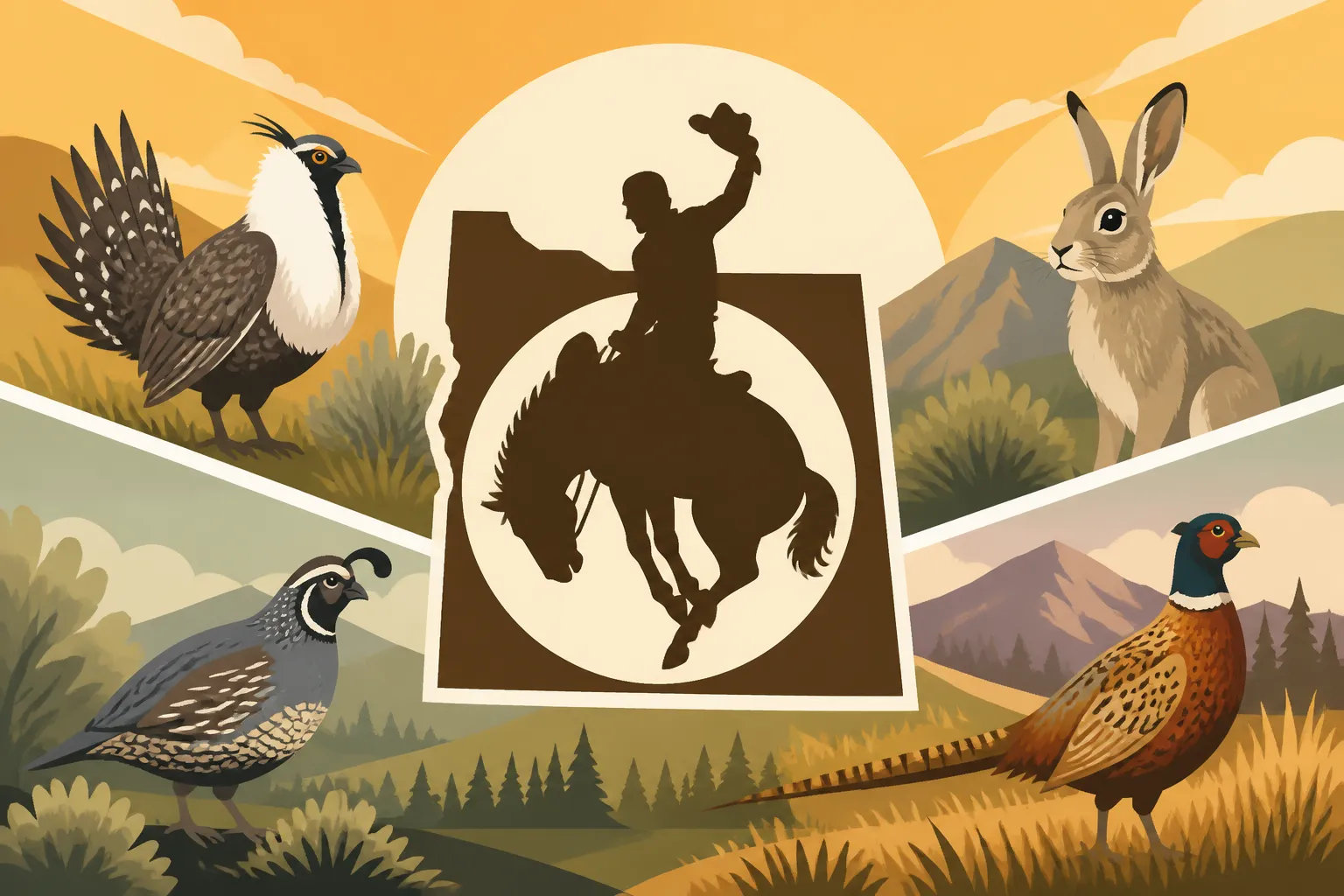
Wyoming Small Game Seasons at a Glance
Trying to keep track of all the different small game seasons, bag limits, and specific regulations across Wyoming can feel like a full-time job. You're trying to plan your fall hunts, and suddenly you're juggling dates for ducks, pheasants, and rabbits, all with their own unique rules and locations. It's enough to make your head spin! This comprehensive guide is here to untangle that web for you, offering a clear, realistic overview of Wyoming's small game hunting opportunities so you can spend less time sifting through regulations and more time in the field.
Navigating Wyoming's Upland Bird Seasons
Wyoming offers a diverse array of upland bird hunting, each with its own rhythm and specific requirements. From the iconic sage grouse on the plains to elusive forest birds, understanding these seasons is key to a successful hunt. The seasons are often shorter and more localized than general big game seasons, reflecting conservation efforts and population management for these unique species.
Sage and Sharp-tailed Grouse: Early Season Opportunities
When most hunters are still dreaming of elk bugles, the early bird gets the grouse! Sage grouse and sharp-tailed grouse seasons typically kick off in early September, offering some fantastic hunting before the weather really turns. These seasons are usually quite short, often lasting only a couple of weeks, and are restricted to specific hunt areas to manage populations carefully. It's crucial to check the regulations for your chosen unit, as bag limits and even season dates can vary significantly. For instance, some areas might have a bag limit of two birds, while others are limited to one.
Hunting sage grouse often involves covering vast expanses of sagebrush steppe, using binoculars to spot birds feeding or loafing. It's a walking man's game, and the rewards are hard-earned. Sharp-tailed grouse, on the other hand, tend to prefer areas with a mix of brush, grasslands, and riparian zones. They can hold tighter than sage grouse, making for exciting flushes over a good bird dog. These early seasons are a wonderful way to shake off the summer dust and get your hunting boots dirty, but the window of opportunity is narrow, so don't blink! Before heading out, always consult the most current regulations for How Long Wyoming's Sage Grouse Season Runs in your specific hunt area.
Forest Grouse and Partridge: Mountain Challenges
If you prefer hunting in the timber or along rugged breaks, Wyoming's forest grouse (blue and ruffed grouse) and various partridge species offer a different kind of challenge. Blue grouse, also known as dusky grouse, are often found in higher elevations, particularly in coniferous forests, and their season typically runs longer, often from September through November. Ruffed grouse inhabit denser riparian areas and aspen stands, often found lower down in the mountains. Their explosive flush makes for an exhilarating shot, especially if you can get through the tree branches. The bag limit for these forest birds is generally three per day.
Chukar and Hungarian partridge are typically found in more arid, rocky terrain, often along steep canyon breaks or agricultural edges. These hardy birds offer a fast-paced hunt, often requiring hunters to be in good physical condition to traverse their preferred habitat. Their seasons usually open in October and can run through December. While less widespread than grouse, finding a covey of chukar or Huns can provide some of the most exciting upland action. Using a hunting app like GoHunt can be incredibly helpful for identifying potential habitat and public land access points in these often remote areas, helping you pinpoint those crucial breaks and water sources where these birds thrive.
Pheasants and Quail: Plains and River Bottom Pursuits
For many, pheasant hunting evokes images of crisp fall days and vibrant roosters exploding from cover. Wyoming’s pheasant season generally kicks off in late October or early November and can run through December or even into January in some areas. These hunts are primarily concentrated in agricultural areas, particularly river bottoms and private lands that offer corn, alfalfa, and heavy cover. Public access can be found through the Wyoming Game and Fish Department's Access Yes program, specifically through Walk-In Areas and Hunter Management Areas. The daily bag limit for pheasants is typically three roosters, and those cackling birds definitely put a smile on your face!
Quail hunting in Wyoming is a more niche pursuit, largely confined to the southeastern part of the state, especially along the North Platte River corridor in counties like Goshen and Laramie. The bobwhite quail season usually runs from November into December. Quail prefer dense cover, often found in overgrown fields, creek bottoms, and brushy draws. A good bird dog is almost essential for consistent success. While not as prevalent as in other states, finding a covey of Wyoming quail is a special treat. Remember to carry your proof of The Wyoming Conservation Stamp and Who Needs One as it's required for all hunting in Wyoming, including small game. You can learn more about specific regulations for Wyoming's Pheasant Opener and Bag Limit and other species by visiting the WGFD website or using a planning tool like GoHunt.
The World of Wyoming's Migratory Bird Hunting
Migratory bird hunting in Wyoming offers a dynamic and often fast-paced experience, from ducks and geese flocking to open water to doves zipping across fields. These seasons are governed by federal frameworks but adapted by the state, leading to varied dates and regulations depending on species and geographical zones.
Ducks and Geese: Waterfowl Wonderland
Waterfowl hunting in Wyoming is a popular pursuit, with seasons typically split into early and late segments, often opening in September or October and running through January. The state is divided into zones (Pacific and Central Flyway portions), each with its own specific dates. Daily bag limits vary considerably by species, which can be a real head-scratcher. For ducks, you might have a total daily bag limit of seven, but with specific restrictions on mallards (only two hens), pintails, canvasbacks, and scaup. It truly pays to know your birds!
Geese, including Canada geese, light geese (snow and Ross's), and Cackling geese, also have specific seasons and bag limits. Canada goose seasons are often generous, particularly around agricultural areas and large reservoirs like Pathfinder Reservoir or Boysen Reservoir, offering excellent opportunities. Light geese may have extended conservation order seasons in the late winter to help control their populations. Success in waterfowl hunting often hinges on scouting, understanding bird movements, and having decoys, calls, and a good blind. Make sure you understand all the specifics regarding Duck Bag Limits Broken Down by Species and Goose Hunting on Wyoming's Big Reservoirs before you head out. A federal duck stamp is also a non-negotiable requirement for anyone 16 years or older.
Doves, Cranes, and Swans: Other Winged Pursuits
Beyond ducks and geese, Wyoming offers opportunities for other migratory birds, each with its own unique appeal. Mourning dove season is an early fall tradition for many, often opening on September 1st and running through October. These fast-flying birds provide excellent wing-shooting practice, and the daily bag limit is usually generous, often fifteen birds. They're typically found in agricultural fields, around water sources, and along tree lines in eastern Wyoming, particularly in areas like those covered by When Wyoming's Mourning Dove Opener Falls. It's a great way to kick off the hunting season and enjoy the last warm days of summer.
For those seeking a truly unique experience, Wyoming offers limited permit hunts for Sandhill Cranes and Swans. Sandhill Crane season is typically in September, and requires a special permit drawn through a lottery system in addition to your regular license. These impressive birds offer a distinct hunting challenge and are highly sought after. Swan hunting is even more exclusive, with very few permits issued each year, usually for trumpeter or tundra swans. The season typically falls in October. While draw odds for these permits can be tough, the experience is unforgettable if you're lucky enough to draw one. You can find more information about The Swan Permit Lottery Explained on the WGFD website.
Small Game Mammals: Year-Round and Diverse Hunting
Wyoming's small game mammal hunting offers a fantastic mix of opportunities, from challenging hunts for table fare to year-round predator control. These species often have longer seasons, sometimes extending year-round, making them excellent options to fill gaps between big game hunts or introduce new hunters to the field.
Cottontail and Tree Squirrels: Tasty Pursuits
Cottontail rabbits are arguably one of the most accessible and widespread small game animals in Wyoming, found from sagebrush flats to river bottoms and mountain slopes. Their season is incredibly generous, often running year-round in most areas, with a daily bag limit of ten. This makes them a perfect target for an impromptu hunt, a walk with a .22 rifle, or an outing with a new hunter. Hunting cottontails in late fall and winter, after the first hard freezes, is popular as their meat is often considered best. Finding areas with good cover like brush piles, rock outcroppings, and dense riparian vegetation is key. Learning about The Cottontail Season and Bag Limit can definitely add some delicious wild game to your freezer.
Tree squirrels, primarily red squirrels and fox squirrels, also offer fun hunting, particularly in forested areas or along urban fringes with mature trees. Their season typically runs from September through December, with a daily bag limit of three. Red squirrels are common in the coniferous forests of the mountains, while fox squirrels prefer deciduous trees in river bottoms and agricultural zones. Hunting them requires patience and keen observation, as they can be surprisingly elusive. A .22 rifle or a small-gauge shotgun works well. For specific regulations and tips on hunting these critters, you might want to look into Tree Squirrel Hunting Rules Explained. GoHunt can also be a valuable resource for identifying public forest lands that hold good squirrel populations.
Coyotes, Prairie Dogs, and Bobcats: Varmints and Predators
Wyoming is well-known for its abundant opportunities to hunt varmints and predators, with often liberal or year-round seasons. Coyotes, for example, are classified as predators and can be hunted year-round without a bag limit across much of the state. This makes them an excellent target for hunters looking to hone their calling skills, practice shooting, or simply spend more time in the outdoors. Calling coyotes, either with electronic calls or mouth calls, is a popular and exciting method. You can learn more about the specifics of Hunting Coyotes in Wyoming Year Round. Always be mindful of local ordinances and private property boundaries when pursuing coyotes.
Prairie dogs, while not traditional "game" animals, are a popular target for recreational shooting. On private land with permission or on specific public lands, there is no closed season or bag limit. Many ranchers welcome prairie dog hunters as these rodents can be destructive to pastures. This type of hunting offers a great opportunity for long-range shooting practice in open country.
Bobcats, while furbearers, can also be hunted in Wyoming, though their season is usually restricted to the winter months, typically from December through February or March. There are also specific tagging requirements for bobcats, and often a limited bag limit. They are elusive creatures, and hunting them can be challenging, often involving calling or tracking in snowy conditions. Understanding the rules for Bobcat Season and Pelt Tag Rules is crucial, as is securing the necessary furbearer trapping or hunting license. It's a testament to Wyoming's diverse wildlife that even these smaller, tougher-to-find animals offer hunting opportunities.
| Species | Typical Season Dates (Check Current Regs) | Daily Bag Limit | Specific Notes |
|---|---|---|---|
| Sage Grouse | Early Sept (short, specific areas) | 2-3 | Highly regulated, check specific hunt units |
| Sharp-tailed Grouse | Early Sept (short, specific areas) | 2 | Often near grasslands/riparian |
| Blue/Ruffed Grouse | Sept – Nov (mountainous areas) | 3 | Forest dwellers, "dusky" grouse |
| Chukar/H. Partridge | Oct – Dec (arid, rocky terrain) | 8 | Fast flyers, physically demanding hunt |
| Pheasant | Late Oct/Early Nov – Jan (agricultural) | 3 roosters | Access via Walk-In Areas/HMAs, private land |
| Quail | Nov – Dec (SE Wyoming) | 8 | Bobwhite, limited range, good bird dog helps |
| Ducks | Sept/Oct – Jan (split seasons, zones) | Varies (e.g., 7 total) | Federal stamp needed, species-specific limits |
| Geese | Sept/Oct – Jan (split seasons, zones) | Varies (e.g., 5-8) | Canada, Snow, Ross's, Cackling geese |
| Mourning Dove | Sept – Oct | 15 | Early season, great wing-shooting practice |
| Sandhill Crane | Sept | 1-2 | Special permit required (lottery) |
| Swans | Oct | 1 | Highly limited special permit (lottery) |
| Cottontail Rabbit | Year-round (most areas) | 10 | Accessible, widespread, excellent table fare |
| Tree Squirrels | Sept – Dec | 3 | Red & Fox squirrels, forest & river bottoms |
| Coyotes | Year-round | No limit | Predator, popular for calling & target practice |
| Bobcats | Dec – Mar (winter months) | Limited | Furbearer, tagging required |
General Regulations and Planning Your Small Game Hunt
Beyond specific seasons and bag limits, several overarching regulations and considerations apply to all small game hunting in Wyoming. Understanding these will ensure your hunt is legal, ethical, and enjoyable.
Licensing, Stamps, and Permits
First and foremost, you'll need the proper licensing. A valid Wyoming hunting license is the baseline requirement. For residents, this is often an annual game bird/small game license, while nonresidents will typically purchase a nonresident small game license. In addition to your license, every hunter in Wyoming, regardless of residency or species hunted, must possess a current The Wyoming Conservation Stamp and Who Needs One. This stamp helps fund crucial wildlife conservation and access programs.
If you're planning to hunt migratory waterfowl (ducks, geese, swans, cranes), you'll have additional requirements. All waterfowl hunters 16 years of age or older must purchase a Federal Migratory Bird Hunting and Conservation Stamp (the "Duck Stamp"). You'll also need a Wyoming Migratory Bird Hunting Stamp. Furthermore, participation in the Harvest Information Program (HIP) is mandatory, which involves registering with the WGFD each year to declare your intention to hunt migratory birds. For highly specialized hunts like Sandhill Cranes and Swans, remember you'll need to apply for and draw specific limited quota permits in addition to your general licenses and stamps. Checking the Wyoming Game and Fish Department's website or using a planning platform like GoHunt well in advance of the season is essential to ensure you have all necessary documents.
Public and Private Land Access
Wyoming boasts vast tracts of public land, including Bureau of Land Management (BLM) acreage and National Forests, which offer incredible opportunities for small game hunting. However, it's vital to know precisely where you are and understand land ownership. Tools like GoHunt or OnX Hunt are invaluable for identifying property boundaries, distinguishing between public and private land, and locating accessible parcels. Remember that checkerboard land patterns, where public and private sections alternate, are common in Wyoming, making careful navigation critical. You can also gain access to private land through the Wyoming Game and Fish Department's Access Yes program, which includes Walk-In Hunting Areas Need No Permission Slip and Hunter Management Areas Do Need One (which usually require a free online permission slip).
When hunting small game, whether on public or private ground, always respect landowner rights and ethical hunting practices. Retrieve all spent shell casings, pack out all trash, and ensure you close all gates. Public land also comes with its own set of rules, such as those regarding vehicle use, camping, and wilderness areas. If you're heading into designated wilderness, be aware of the specific regulations, which can include restrictions on motorized vehicles and even guide requirements for certain big game species, though this rarely impacts small game hunters. Understanding Where Wyoming's Public Land Is Concentrated can help you plan your trips more effectively.
Gear Considerations and Safety
Small game hunting usually requires less specialized gear than big game, but appropriate equipment still makes a huge difference. Depending on your target, a 12 or 20-gauge shotgun is perfect for most upland birds and waterfowl, while a .22 rifle or even a small-caliber centerfire can be great for rabbits, squirrels, prairie dogs, and coyotes. Always choose the appropriate shot size or bullet for your quarry and ensure your firearm is properly sighted in.
Comfortable, durable boots are a must, especially if you plan on walking many miles for grouse or chukar. Layered clothing is also critical, as Wyoming weather can change dramatically throughout the day, even during early fall seasons. Blaze orange is not always legally required for small game hunting, but it's always a smart choice for visibility and safety, especially if you're hunting with partners or in areas with other hunters.
Above all, safety should be your top priority. Always follow the fundamental rules of firearm safety, be aware of your surroundings, and know your target and what is beyond it. Let someone know where you are going and when you expect to return. Being prepared for minor emergencies, with a basic first-aid kit and adequate water, is always a good idea, particularly in Wyoming's often remote and rugged landscapes.
Disclaimer
Please remember that hunting regulations, season dates, and bag limits are subject to annual changes by the Wyoming Game and Fish Department. While this guide provides a comprehensive overview, it is your responsibility as a hunter to consult the official Wyoming Game and Fish Department regulations booklet for the current year before planning and undertaking any hunting activities.