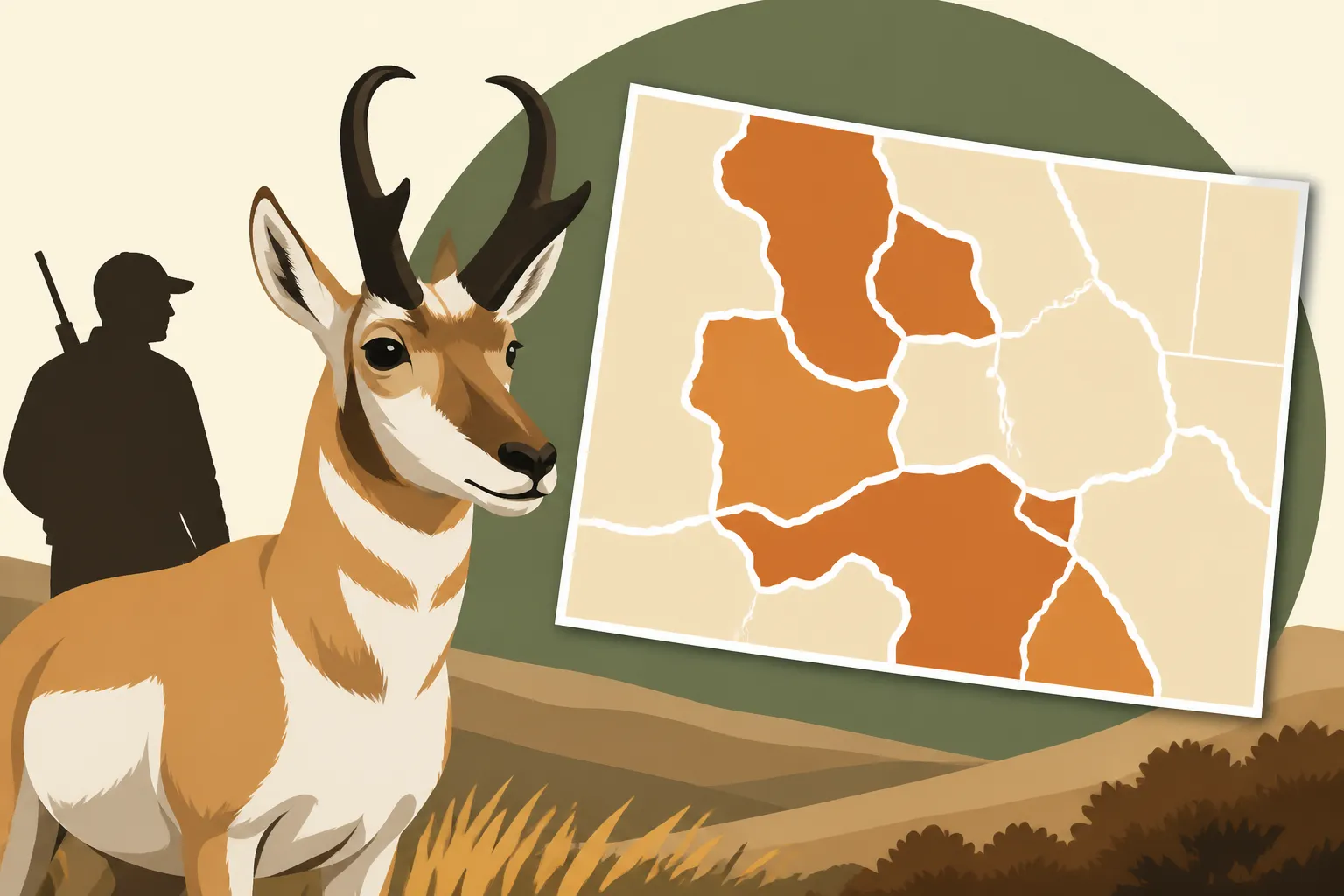
Where Wyoming Proposed Higher Antelope Quotas
It’s no secret that drawing a coveted antelope tag in Wyoming can feel like hitting the lottery, especially for those of us coming from out of state, or even for residents aiming for those prime units. The frustration of watching tag numbers dwindle or draw odds get tougher year after year is a real downer. But here’s some genuinely hopeful news: Wyoming Game and Fish has been proposing higher antelope quotas in certain areas, and this guide is going to break down exactly what that means for your next hunt.
Understanding Wyoming's Antelope Quota System
Hunting in Wyoming, particularly for antelope, involves a deeply intricate system of quotas designed to manage wildlife populations responsibly. It’s not just a random number; it's a careful balance between herd health, habitat, and hunter opportunity. When you hear about proposed changes to these quotas, it signals shifts in how well the antelope are doing in different parts of the state.
How Quotas Are Established
The Wyoming Game and Fish Department (WGFD) doesn’t just pull these numbers out of thin air. They employ a team of dedicated biologists who spend countless hours in the field, conducting aerial surveys, monitoring herd movements, and assessing fawn recruitment. This boots-on-the-ground (and in-the-air) data collection is critical. They're looking at things like birth rates, survival rates, and winter mortality. It’s a year-round job, and the proposed quotas we see are a direct result of their latest findings. They analyze how many animals are on the landscape and how many they want on the landscape to maintain a healthy ecosystem, considering factors like available forage and landowner tolerance.
These quotas are then proposed in public meetings, where local landowners, conservation groups, and hunters can voice their opinions. It's a transparent, albeit sometimes slow, process to ensure all stakeholders have a say. The final decisions usually reflect a blend of scientific data and public feedback. Understanding this process helps us appreciate why a quota increase in one area might be celebrated, while another might remain conservative due to specific local challenges, like a localized drought or a particularly harsh microclimate.
The Role of Herd Health and Population Objectives
At the heart of every quota decision is the long-term health of the antelope herds. The WGFD sets specific "population objectives" for each herd unit, aiming for a sustainable number of animals that the habitat can support without degradation. These objectives aren't static; they adapt to environmental changes, disease outbreaks, and even human development pressures. When a herd is well below its objective, quotas might be tightened to allow for recovery. Conversely, when a herd is thriving and perhaps even exceeding its objective, biologists may recommend increasing quotas to bring the population back into balance with its habitat and reduce potential conflicts, such as agricultural damage.
For example, after a particularly harsh winter, you might see quotas drop dramatically, as was the case for some mule deer herds after the 2022-23 winter. But for antelope, who are often more resilient or have experienced a series of mild winters, numbers can bounce back surprisingly quickly. This proactive management, even when it means fewer tags for a season, ultimately ensures there will be antelope for future generations to hunt. It’s a crucial commitment to the species' survival, not just short-term hunting success for a single season.
Historical Trends in Antelope Tag Allocation
Looking at historical data can give us a fantastic perspective on how antelope populations and management strategies have evolved over time. In the past, there have been periods where antelope numbers dipped due to severe winters or habitat loss, leading to very conservative tag allocations. Then, with a series of mild winters and dedicated conservation efforts, we've seen populations rebound. This ebb and flow is typical for any wildlife species, and antelope are no exception. Knowing the history helps put current proposals into perspective.
Historically, Wyoming has often been seen as the gold standard for antelope hunting due to its vast, open country and healthy herds. However, drawing those prime buck tags has always required some luck or accumulated preference points, especially for nonresidents. The good news about proposed higher quotas is that it often reflects a broader positive trend in specific regions – either populations are strong, or they’ve recovered well from previous setbacks. This makes the prospect of securing a tag for a Wyoming Antelope Archery Opens Before Rifle hunt even more exciting, as it suggests more widespread opportunity across the state.
Counties and Regions Proposing Higher Quotas
This is where the rubber meets the road for hunters like us – knowing where those increased opportunities are actually popping up. It's one thing to hear about "higher quotas" in general, but it's another entirely to pinpoint the specific hunt areas that are showing promise. This directly impacts where you might want to focus your application strategy and where your best chances lie.
Specific Hunt Areas with Increased Opportunity
Based on recent discussions and proposals from the Wyoming Game and Fish Department, several areas have been identified for potential quota increases. For instance, sections of Sweetwater County and Carbon County have seen robust antelope population increases, leading to recommendations for more tags. These regions, historically known for their strong antelope numbers, appear to be bouncing back with vigor after some milder winters. The biologists have observed excellent fawn recruitment in these areas, meaning more young animals are surviving to maturity, which in turn supports a higher harvest. This positive trend in Why Sweetwater County Pronghorn Numbers Are Climbing is a fantastic sign.
Other areas, particularly those in the central and southern parts of the state, might also see modest bumps. It’s always critical to check the specific hunt area numbers, as quotas can vary wildly even between adjacent units. What might be a boon in Area 60 could be a static situation in Area 70, reflecting localized conditions. This hyper-local approach to management is what makes Wyoming's system so effective, but also requires hunters to do their homework. The opportunity for extra doe/fawn tags in these areas is also a strong possibility, which can be an excellent way to introduce new hunters to the sport or fill your freezer.
Analyzing Recent Population Data by Region
The WGFD's annual reports on herd health are treasure troves of information for diligent hunters. These reports often highlight specific management units that are performing exceptionally well. For example, the latest data might show that the Red Desert region, encompassing parts of Sweetwater, Carbon, and Fremont counties, has experienced a significant upswing in antelope numbers. This resilience is a testament to the antelope’s adaptability and the success of past management efforts. It's precisely this kind of detailed data that informs quota recommendations.
When you dive into the numbers, you'll see metrics like population estimates, doe-to-fawn ratios, and buck-to-doe ratios. A high fawn-to-doe ratio is usually a strong indicator of a growing herd and thus, potential for increased quotas. Conversely, a low ratio might suggest a conservative approach will continue. GoHunt and similar platforms often aggregate and visualize this data, making it easier for us laymen to digest and apply to our hunt planning. It's truly eye-opening to see the specific herd health metrics that drive these critical decisions. You can look at the Wyoming Pronghorn Population Estimate Explained for a deeper dive into how these numbers are generated.
Anticipated Impact on Draw Odds
The most immediate and exciting implication of higher quotas, particularly for nonresidents, is the potential improvement in draw odds. Let’s be realistic: drawing a premium buck tag in a top-tier unit in Wyoming will always be competitive. However, even a small increase in the number of available tags can make a noticeable difference, especially in the random draw portion or for those applying with fewer preference points.
For instance, if a unit goes from 50 nonresident tags to 75, that’s a 50% increase in opportunity! While it doesn’t guarantee a tag, it certainly shifts the probabilities in your favor. This is especially true for doe/fawn tags, which are often easier to draw and can serve as an excellent entry point for new hunters or those looking for a meat hunt. It’s worth checking the Wyoming Antelope Odds With Zero Preference Points if you're just starting out, as these increased quotas might just put a tag within reach much sooner than you'd expect. The anticipated impact is less about making every unit easy to draw, and more about widening the overall pool of successful applicants across the state, making a Field Judging a Pronghorn Buck From Distance experience more likely.
Factors Influencing Quota Decisions
The decision to increase or decrease hunting quotas is never made lightly. It’s a complex process influenced by a myriad of environmental, biological, and even social factors. Understanding these elements helps us appreciate the scientific rigor behind Wyoming’s wildlife management and allows us to anticipate future trends and why certain decisions are made.
Winter Severity and Survival Rates
One of the most significant factors impacting antelope populations, and consequently, hunting quotas, is the severity of the previous winter. Antelope, while incredibly hardy, can suffer significant mortality during prolonged periods of deep snow and extreme cold, especially if it limits their access to forage. A brutal winter can decimate fawn crops and even adult animals, leading to sharp declines in population estimates. Following such an event, the WGFD would almost certainly propose reduced quotas to allow the herds to recover, ensuring the long-term viability of the population.
Conversely, a string of mild winters, characterized by less snow and more accessible vegetation, typically leads to higher survival rates for both adults and fawns. This boosts the overall population, prompting biologists to consider increasing quotas to maintain healthy numbers that are in balance with the available habitat. The recent mild winters in many parts of Wyoming have certainly played a role in the proposed quota increases we're discussing. It's a clear example of how Mother Nature directly impacts our hunting opportunities, sometimes for the better!
Habitat Conditions and Carrying Capacity
Beyond winter weather, the overall health and abundance of habitat play a crucial role in determining how many antelope a particular area can support. This concept is known as "carrying capacity." If the range is healthy, with plenty of diverse forage and water sources, it can sustain a larger antelope population. However, factors like drought, wildfires, or increased human development can degrade habitat, reducing its carrying capacity. When habitat declines, even if the population is currently high, biologists might recommend stabilizing or even reducing quotas to prevent overgrazing and ensure the long-term health of the ecosystem.
For instance, areas experiencing significant energy development or agricultural expansion might have specific management considerations that influence quotas. The WGFD constantly monitors these changes, working with landowners and other agencies to ensure antelope have the resources they need to thrive. This holistic view ensures that hunting isn’t just about taking animals, but about managing the entire ecological system they inhabit. You can learn more about how vital these resources are by understanding The Wyoming Pronghorn Population Estimate Explained.
Public Input and Management Goals
While scientific data forms the backbone of quota decisions, public input and broader management goals also play a significant role. The WGFD holds public meetings and gathers comments from hunters, landowners, and conservation groups before finalizing regulations. This allows local concerns, landowner tolerance for wildlife, and hunter desires to be factored into the equation. For example, if landowners in a specific area are reporting significant crop damage from a burgeoning antelope herd, this input could certainly influence a decision to increase quotas in that particular hunt unit.
Moreover, the WGFD has overarching management goals, such as maintaining strong hunting traditions, providing diverse recreational opportunities, and ensuring the economic benefits of hunting for local communities. When populations are robust enough to allow for increased quotas, it helps meet these broader goals by providing more tags and thus more opportunities for hunters to participate. This transparent process allows for a balanced approach that serves both the wildlife and the people who cherish it.
What Higher Quotas Mean for Hunters
For those of us who spend countless hours pouring over maps and draw odds, the phrase "higher quotas" is like music to our ears. It directly translates into tangible benefits and new considerations for planning our next Wyoming adventure. This isn’t just about more tags; it’s about broader access and strategic opportunities that can make a real difference in your hunting success.
Increased Chances for Nonresidents and Residents
Let's be real: drawing a quality nonresident antelope tag in Wyoming can be a multi-year endeavor without preference points, or require significant luck in the random draw. For residents, while generally easier, some premium buck units still demand a few points. When quotas increase, it means more tags are available overall, which directly improves the odds for everyone. This is particularly impactful in the random draw portion, where every extra tag offers a genuine glimmer of hope. Even a slight uptick in a unit can mean the difference between disappointment and that coveted "successful" email notification.
For nonresidents, these increased quotas might open up units that were previously considered "point sinks" or too challenging to draw without a decade's worth of points. It allows for a more flexible application strategy, perhaps even tempting some to apply for a buck tag in a desirable unit they might have previously written off. For residents, it could mean drawing a higher quality tag sooner or even adding an additional doe/fawn tag for the freezer. It truly broadens the playing field and makes the dream of a Wyoming antelope hunt more attainable.
Opportunity for Additional Doe/Fawn Tags
Beyond the allure of buck tags, higher quotas often lead to a significant increase in the availability of doe/fawn licenses. These tags are invaluable for several reasons. Firstly, they are typically much easier to draw, often available over the counter or with very few points, making them perfect for hunters who prioritize meat or want to experience a Wyoming hunt without the intense pressure of a trophy hunt. They're also often cheaper, making the Wyoming Nonresident Antelope Tag Price Explained more accessible.
Secondly, doe/fawn tags are excellent for introducing new hunters, especially youth, to the sport. The lower cost and higher draw odds make it an accessible way to experience the thrill of the chase and the satisfaction of a successful harvest. Imagine taking a youngster on their first hunt with a high-odds doe tag – it builds a lifetime of memories. These tags also play a crucial role in herd management, helping to balance sex ratios and prevent overpopulation, ensuring the long-term health of the herd. Many seasoned hunters will happily fill a doe tag for the delicious table fare it provides, especially when buck tags are harder to come by.
Strategic Planning for Future Applications
The news of higher quotas should prompt a serious re-evaluation of your application strategy for the upcoming season and beyond. Instead of blindly applying for the same units year after year, it's wise to delve into the proposed changes. If certain units have seen a significant jump in tags, they might become more attractive targets, even if your preference point total isn’t sky-high. This could mean shifting your focus from a unit you’ve been building points for, to one that now offers a better statistical chance for a specific season.
Consider diversifying your applications. Maybe you apply for a higher-demand buck tag in a unit with improved odds, and also throw in for an easy-to-draw doe/fawn tag in a nearby area. This multi-pronged approach increases your chances of heading afield. This is also a perfect time to consult resources like the Wyoming Hunt Planner and even online tools like GoHunt, which provide current draw odds and unit data that incorporate these new quota numbers, helping you make informed decisions. Don't be afraid to adjust your plans based on these dynamic changes; flexibility is key in Wyoming's draw system.
Navigating the Application Process with Quota Changes
With potential shifts in antelope quotas, simply submitting your application without a fresh look at the data would be a missed opportunity. The application process, while seemingly straightforward, benefits immensely from careful planning and the use of modern tools, especially when changes are afoot. Don't leave your success to chance!
Researching Draw Odds with New Data
The first and most crucial step after hearing about proposed quota increases is to dive deep into the updated draw odds. The Wyoming Game and Fish Department will release the finalized quota numbers, and shortly thereafter, various reputable platforms will update their draw odds calculators. This isn't just about looking at last year's numbers; it's about seeing how the new tag allocations specifically impact your chances. A unit that previously required 10 points might now be attainable with 7, or a unit that was a complete long shot in the random draw might suddenly offer a realistic chance.
Don't just glance at the raw numbers. Understand the difference between resident and nonresident odds, and between the regular and special draws. Look at the preference point categories and see how many tags are being allocated to each. This detailed analysis will help you identify units where the increased quotas have the most significant positive effect on your personal draw probability. Ignoring this updated data is essentially applying blind and could cost you a valuable tag that was within reach.
Leveraging Tools for Hunt Planning
In today's hunting landscape, you'd be remiss not to utilize the incredible digital tools available for hunt planning. Platforms like GoHunt, for example, are specifically designed to aggregate and analyze all this complex data – past draw odds, current quota proposals, unit statistics, and more – making it digestible for hunters. They offer interactive maps, detailed unit breakdowns, and calculators that can project your draw odds based on your preference points and the new quota numbers. This can be an absolute game-changer, helping you make data-driven decisions rather than relying on guesswork or old forum posts.
Beyond draw odds, these tools can help you visualize public land access, identify potential hunting hot spots, and even research Terrain That Hides an Approach or prime glassing locations. They provide a comprehensive overview that traditional paper maps just can't match, especially when planning a How Far to Stalk a Bedded Pronghorn approach. Before you even think about putting in your application, spend some quality time with these digital resources. They’re an investment that can significantly increase your chances of success and save you countless hours of manual research.
Staying Informed on Regulation Changes
The world of hunting regulations is constantly evolving, and Wyoming is no exception. Proposed quota changes are just one piece of the puzzle. It’s absolutely vital to stay informed on all regulation changes, especially leading up to the application deadlines. The WGFD website is the authoritative source, where they post the full regulation booklets and any amendments. Don't rely solely on word-of-mouth or outdated information from social media.
Subscribe to email updates from the WGFD, follow reputable hunting news sources focused on Wyoming, and regularly check the official regulations. Key dates like the Wyoming Antelope Application Deadline in June are non-negotiable, and missing them means missing out on the entire season. Moreover, be aware of any changes to license types, season dates, or special restrictions in specific hunt areas. A small change in a regulation could significantly alter your hunt plan, so diligence in staying current by checking Where the Current Wyoming Regulations Are Posted is paramount for a successful and legal hunting season.
Comparing Antelope Quota Changes: Select Hunt Areas
Below is an illustrative table showing how proposed higher quotas might impact various antelope hunt areas. This is a hypothetical example to demonstrate the kind of information you should be looking for when the official numbers are released. Always consult the official Wyoming Game and Fish regulations for the most accurate and up-to-date information for the current season.
| Hunt Area | Previous Quota (Buck) | Proposed Quota (Buck) | % Change | Previous Quota (Doe/Fawn) | Proposed Quota (Doe/Fawn) | % Change | Notes on Herd Health |
|---|---|---|---|---|---|---|---|
| Area 60 | 150 | 200 | +33% | 250 | 350 | +40% | Excellent fawn recruitment, mild winter. |
| Area 73 | 100 | 120 | +20% | 180 | 220 | +22% | Strong population growth, good habitat. |
| Area 82 | 80 | 95 | +19% | 140 | 160 | +14% | Recovering well, stable numbers. |
| Area 91 | 200 | 200 | 0% | 300 | 300 | 0% | Stable, at population objective. |
| Area 101 | 60 | 75 | +25% | 100 | 130 | +30% | Solid increase in local numbers. |
Disclaimer
The information provided in this guide is for general informational purposes only and is not intended as legal advice or a substitute for reviewing the official regulations of the Wyoming Game and Fish Department. Hunting regulations, quotas, and deadlines are subject to change. Always consult the most current official Wyoming Game and Fish regulations and resources before planning your hunt.