Which Elk Herd Unit Is Wyoming’s Largest
Trying to make sense of all the different elk population numbers in Wyoming can feel like deciphering a secret code, especially when you're just looking for that one big herd unit that holds the most animals. It's a common frustration, especially when you're trying to figure out where to focus your attention for a hunt. This guide will cut through the noise, pinpointing Wyoming's largest elk herd unit and giving you a comprehensive understanding of what makes it so significant, how these numbers are tracked, and what it all means for your hunting plans.
Unpacking Wyoming's Elk Herd Units: More Than Just Lines on a Map
Before we dive into pinpointing the biggest elk herd in Wyoming, it's crucial to understand what a "herd unit" actually is and why the Wyoming Game and Fish Department (WGFD) bothers to define them. These aren't just arbitrary lines drawn on a map; they're vital tools for managing wildlife populations, ensuring sustainable hunting opportunities, and maintaining ecological balance across the state. Without these units, it would be nearly impossible to track population trends, set appropriate harvest quotas, or respond effectively to challenges like disease or habitat loss.
The Fundamental Role of Herd Units in Management
Wyoming's vast and diverse landscapes mean that elk populations don't just exist as one giant, homogenous group. They segregate into distinct herds, each with its own unique characteristics, migration patterns, and habitat requirements. A herd unit, in essence, is a geographic area defined by WGFD where a particular, relatively discrete population of elk lives, breeds, and migrates. These units are based on biological data, including calving grounds, winter ranges, and migratory corridors, aiming to encompass the full annual cycle of a specific elk population.
The purpose is deeply practical: to manage each population independently and effectively. Imagine trying to manage the elk in the Bridger-Teton National Forest the same way you manage those grazing near agricultural fields in the eastern part of the state. It simply wouldn't work. By breaking the state into these defined units, biologists can monitor herd health, age structures, bull-to-cow ratios, and population trends specific to that group. This granular approach allows for tailored management strategies, whether it's increasing cow tags in an overpopulated area to reduce damage to private lands or restricting bull harvest in another to rebuild trophy potential. Understanding these units is the first step in truly understanding Wyoming's elk management.
How Wyoming Game and Fish Estimates Elk Populations
So, how do biologists actually count thousands of elk across immense, rugged landscapes? It's not as simple as taking a head count, although aerial surveys are a big part of it. WGFD employs a sophisticated blend of techniques to arrive at their annual population estimates for each herd unit. This isn't just a best guess; it's a scientific endeavor involving significant resources and expertise. The accuracy of these estimates directly impacts future hunting seasons and license allocations, so getting it right is paramount.
One primary method involves intensive aerial surveys, particularly during late winter when elk are often concentrated on winter ranges or feedgrounds. Spotters and counters in fixed-wing aircraft or helicopters fly transects over a unit, counting elk and often categorizing them by sex and age (e.g., bulls, cows, calves). This provides a snapshot of the herd's composition and minimum population. However, these aerial counts are often minimums, and statistical models are then applied to account for animals in dense timber or those missed during the survey. Furthermore, harvest data from hunters, herd composition surveys conducted on the ground, and telemetry data from collared animals also feed into these models, helping to refine the estimates. It's an ongoing process of data collection and analysis, constantly reviewed and adjusted, that ultimately gives us a reliable figure for the total number of animals within a specific herd unit, crucial information for understanding the health and size of, for example, the various Wyoming Elk Herd Units and Winter Range.
Identifying Wyoming's Largest Elk Herd: The Jackson Story
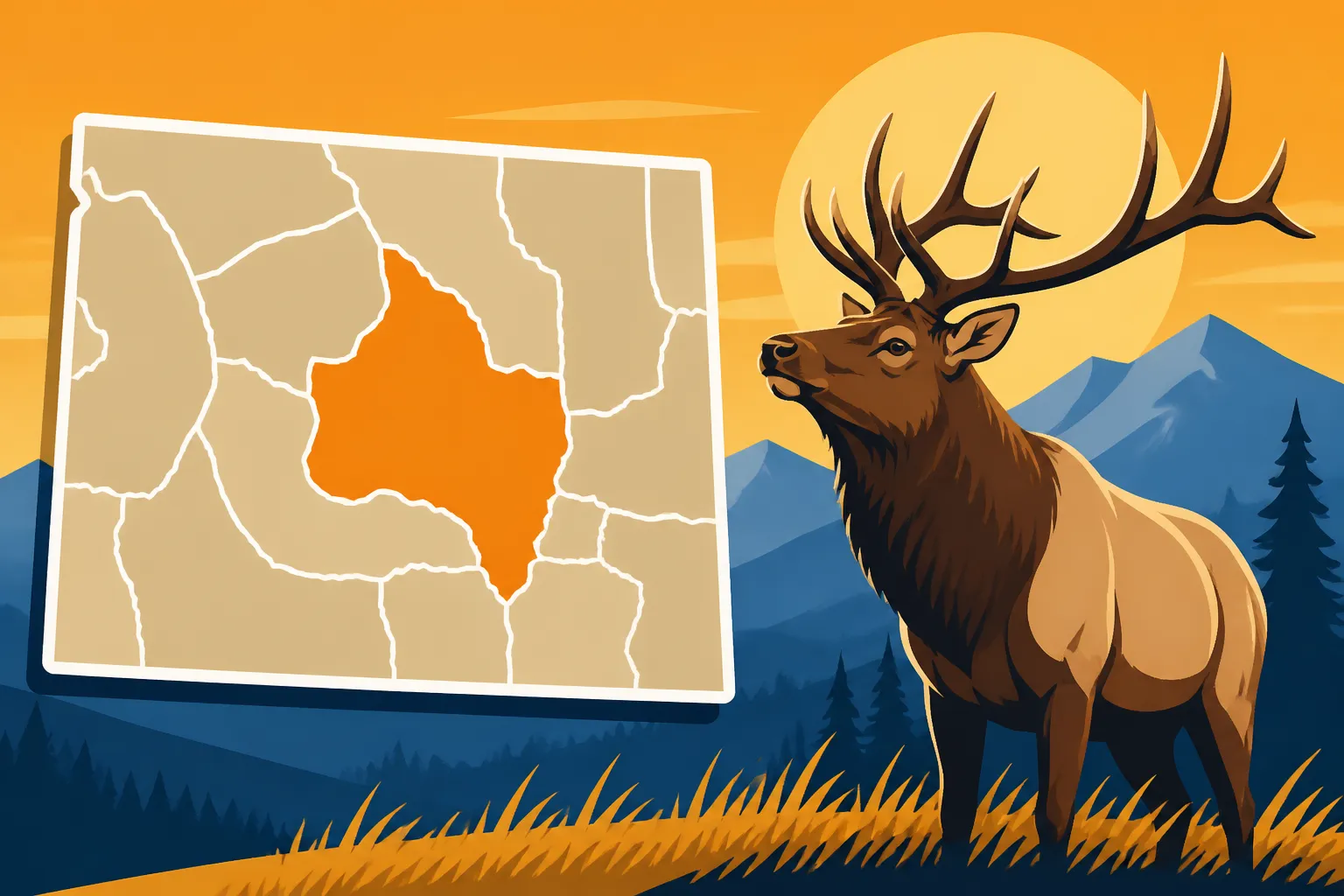
When hunters talk about Wyoming's largest elk herd unit, one name consistently rises to the top: the Jackson Elk Herd. This isn't just a local legend; it's a verifiable fact backed by years of robust data from the Wyoming Game and Fish Department. The sheer number of elk in this unit is staggering, making it a focal point for conservationists, wildlife enthusiasts, and, of course, hunters from around the globe.
The Sheer Scale of the Jackson Elk Herd
The Jackson Elk Herd is, without a doubt, the behemoth of Wyoming's elk populations. Consistently, it boasts the highest population estimate in the state, often hovering between 10,000 to 11,000 animals, sometimes even exceeding 12,000 in favorable years. This herd occupies a vast and diverse area encompassing Grand Teton National Park, the National Elk Refuge, and portions of the Bridger-Teton National Forest. Its impressive size is largely attributed to a combination of vast historical range, abundant summer forage, and the critical role played by the National Elk Refuge, where thousands of elk winter. This refuge, established over a century ago, provides supplemental feeding during the harsh winter months, helping a significant portion of the herd survive periods of deep snow and limited natural forage.
The size of this herd, as documented by WGFD, reflects decades of management efforts, fluctuating environmental conditions, and the unique challenges and opportunities presented by its habitat. For instance, you can dive deeper into How Big the Jackson Elk Herd Has Grown to understand the historical context and recent trends of this impressive population. However, managing such a massive herd also comes with its own set of complexities, including disease concerns like Brucellosis and Chronic Wasting Disease (CWD), and balancing elk numbers with forage availability and human development.
Comparing the Jackson Herd to Other Significant Populations
While the Jackson Elk Herd stands alone at the top, Wyoming is home to several other incredibly healthy and substantial elk populations that are well worth noting. These herds, though smaller than Jackson's, still represent thousands of elk and offer fantastic hunting opportunities across different landscapes. Understanding these other major players gives you a more complete picture of elk distribution and management in the Cowboy State.
For example, the elk herds in the Cody region, specifically the Shoshone and Clarks Fork units (which often include several interconnected herd units and hunt areas), are also very robust, typically ranging from 6,000 to 8,000 animals combined. These herds utilize vast wilderness areas, national forest lands, and lower elevation winter ranges. The Bighorn Mountains also support a very strong elk population, often numbering in the thousands. Further south, herds in the Ferris and Seminoe mountains, and even parts of the Red Desert, contribute significantly to the statewide population, though usually in smaller, more dispersed groups. These herds often face different management challenges and habitat dynamics than the Jackson herd, offering unique experiences for hunters. GoHunt's detailed hunt unit analytics often highlight these other large units, providing hunters with valuable insights into their population trends, hunter success rates, and draw odds, allowing for more informed application strategies beyond just chasing the largest numbers.
Here’s a snapshot of some of Wyoming’s prominent elk herd units based on recent WGFD estimates (note: numbers are approximate and fluctuate annually):
| Elk Herd Unit (Primary) | Estimated Population Range | Primary Habitat Type | Key Challenges |
|---|---|---|---|
| Jackson (JH) | 10,000 – 12,000+ | High-mountain forest, national park, refuge | Brucellosis, CWD, feedground management |
| Shoshone (SH) | 6,000 – 8,000 | Wilderness, national forest, foothill canyons | Winter severity, public/private land access |
| Bighorn (BH) | 5,000 – 7,000 | Mountain forest, prairie interface | Habitat fragmentation, local overpopulation |
| Laramie Mountains (LM) | 3,000 – 5,000 | Forested mountains, private ranchlands | Private land access, CWD prevalence |
| Ferris/Seminoe Mountains (FS) | 2,000 – 3,000 | Isolated mountain ranges, sagebrush basins | Drought, energy development |
Note: These are simplified estimates and actual herd unit boundaries and population objectives are highly detailed and can be found on the Wyoming Game and Fish Department website.
Understanding the Dynamics Behind Large Elk Herds
The size of an elk herd isn't static; it's a dynamic reflection of countless ecological factors working in concert. While the Jackson herd enjoys a massive population today, this isn't simply by chance. A combination of prime habitat, strategic wintering solutions, and careful management contributes to its sustained numbers. Understanding these underlying dynamics is key to appreciating why certain areas support more elk than others, and also to grasping the complexities of wildlife conservation.
Habitat Quality, Winter Range, and the Role of Feedgrounds
At the heart of any thriving elk population is high-quality habitat, and the Jackson Elk Herd is a prime example of this. During the milder months, the vast expanses of the Bridger-Teton National Forest and Grand Teton National Park offer abundant forage, cover, and calving grounds. These summer ranges are critical for elk to put on the necessary fat reserves to survive the coming winter. However, the true bottleneck for many elk herds, especially in harsh Western climates, is often the availability of adequate winter range. When deep snow covers food sources and temperatures plummet, survival becomes a brutal test.
This is where the National Elk Refuge, and the concept of feedgrounds, plays an unparalleled role for the Jackson herd. For decades, supplemental feeding on the refuge has provided a reliable food source through the toughest parts of winter, preventing mass starvation events that were historically common. While controversial in some circles due to concerns over disease transmission and natural selection, these feedgrounds have been instrumental in allowing the Jackson herd to maintain its incredible numbers. It’s a complex issue, as explored in articles like Wyoming's Elk Feedgrounds and Why They Exist, balancing ecological principles with the practical realities of managing such a large, visible herd, particularly when considering the broader impacts on wildlife health and the ecosystem.
Disease, Predation, and Management Strategies
Even with excellent habitat and winter feeding, large elk herds face significant threats that require constant vigilance and adaptive management strategies. Disease, in particular, is a major concern when animals congregate in high densities, as seen on the feedgrounds. Brucellosis, a bacterial disease that can cause abortions in elk, and Chronic Wasting Disease (CWD), a fatal neurological disease, are persistent challenges for the Jackson herd and many other elk populations in Wyoming. These diseases can dramatically impact herd health and population numbers, and their management often involves difficult decisions about herd reduction or shifting feeding practices, as outlined in discussions like What CWD on the Feedgrounds Means for Hunters.
Predation also plays a natural role in shaping elk populations. Wolves, bears, and mountain lions all prey on elk, influencing herd dynamics, especially for calves and weakened adults. While predators are a vital component of a healthy ecosystem, their impact is carefully monitored by WGFD, especially in areas with specific population objectives. Beyond these natural factors, human interaction, primarily through regulated hunting, is perhaps the most significant management tool. Hunter harvest is strategically used to control population growth, maintain desired age and sex ratios, and mitigate conflicts with agriculture. WGFD biologists continually adjust hunting seasons and license quotas based on population estimates, disease prevalence, and habitat conditions, striving for a delicate balance that sustains the herd while providing recreational opportunities. This adaptive management approach is central to the overall The Wyoming Elk Population Estimate Explained.
Translating Herd Data into Hunting Success
Understanding which elk herd unit is Wyoming's largest is more than just a trivia fact; it's a critical piece of the puzzle for any hunter planning a trip to the Cowboy State. This knowledge, when combined with an understanding of how herd units relate to actual hunt areas and how to utilize available data, can significantly improve your chances of drawing a tag and having a successful hunt. It’s about being strategic, not just hopeful.
Differentiating Herd Units from Hunt Areas for Planning
Here’s a common point of confusion for new and even experienced hunters: the difference between an "elk herd unit" and a "hunt area." While they are related and often overlap, they are not the same thing, and mixing them up can lead to misunderstandings when you're poring over regulations and draw odds. As we've discussed, an elk herd unit is a biological management boundary, encompassing the annual range of a specific elk population. It's about how WGFD tracks and manages the animals.
A hunt area, on the other hand, is a specific geographic area (defined by its own number, like "Elk Hunt Area 7" or "Elk Hunt Area 100") where hunting is permitted, and it has specific season dates, weapon restrictions, and license types. Think of hunt areas as the regulatory boundaries for hunters. Critically, a single elk herd unit can encompass multiple hunt areas, or conversely, a single hunt area might overlap with portions of two or more herd units. For example, parts of the vast Jackson Elk Herd Unit might be huntable within several distinct hunt areas, each with its own season dates and regulations. This distinction is vital for accurate planning, as the tag you apply for is tied to a hunt area, not directly to the larger herd unit. Resources like the WGFD Hunt Planner and platforms like GoHunt do an excellent job of showing these overlays, helping hunters avoid confusion when researching Wyoming Elk Season Dates Are Set Hunt Area by Hunt Area.
Leveraging Population Data for Strategic Hunt Applications
Now that you know the Jackson Elk Herd is the largest and understand the difference between herd units and hunt areas, how do you use this information to your advantage as a hunter? The answer lies in strategic application. Knowing which herd units hold the most elk is a fantastic starting point, but it doesn't automatically mean easy tags or guaranteed success. Often, the most prolific herd units (like Jackson) are also the most popular, leading to incredibly tough draw odds for specific hunt areas within them.
However, a large herd unit often means more overall opportunity across its various hunt areas. You might find "type 1" bull tags in highly competitive limited quota areas, but also more accessible "type 6" or "type 9" cow/calf tags in areas designed to manage population numbers more aggressively. This is where detailed research pays off. Platforms like GoHunt are invaluable here, as they aggregate draw odds, success rates, and population data, allowing you to filter by hunt area and license type. You can see how many non-resident tags are available, how many points it took to draw in previous years, and what the harvest statistics look like for specific areas, even down to the success rates on different Wyoming Elk Hunt Unit Boundaries. This level of detail empowers you to make an informed decision, whether you're building points for a trophy hunt in a coveted area or looking for a more attainable cow tag to fill the freezer. Remember, a thorough Scouting a Wyoming Unit From Your Kitchen Table involves looking at both the big picture of herd units and the granular details of hunt area specifics.
Disclaimer
Please remember that hunting regulations, seasons, and wildlife population estimates are subject to change annually. Always consult the most current official Wyoming Game and Fish Department regulations and specific hunt area information before making any plans or purchasing licenses. This guide provides general information and should not be used as the sole basis for your hunting decisions.