How the National Elk Refuge Manages Its Herd
For anyone who’s ever been mesmerized by the sheer number of elk wintering in Jackson Hole, the thought inevitably turns to, "How in the world do they manage all those animals?" It's a valid question, and honestly, the answer is far more complex and often more controversial than most folks realize, deeply affecting both the health of the herd and the hunting opportunities around the region. This guide is here to unravel the intricate tapestry of herd management at the National Elk Refuge, shedding light on the strategies, challenges, and the delicate balance struck to sustain this iconic wildlife spectacle.
The Genesis of Elk Management at the National Elk Refuge
The National Elk Refuge wasn't just some accidental gathering spot for elk; it was established out of a genuine necessity, a heartbreaking realization that elk in the Jackson Hole area were facing dire circumstances. Imagine, if you will, the early 1900s. Wyoming winters are brutal, and historical migration routes for these majestic animals were being steadily cut off by human development, ranching, and fencing. Elk, in their thousands, were literally starving to death. Their traditional winter range, once vast and open, was shrinking.
This wasn't just a sad sight; it was an ecological crisis. The federal government, recognizing the immense value of this iconic species, stepped in. In 1912, the National Elk Refuge was established specifically to provide winter habitat and supplemental feed for the Jackson elk herd. The primary goal was to prevent the widespread starvation that had plagued the herd for decades. It was a humanitarian effort, really, to keep these animals alive through the harshest months. Think of it: without this intervention, the herd you see today might be a fraction of its size, or even gone from this specific area. The decision to provide feedgrounds was, at its heart, about saving a population that had nowhere else to go.
The role of the Refuge has evolved dramatically since then, moving from a simple survival strategy to a much more sophisticated and integrated approach. It's not just about tossing hay anymore; it's about managing an ecosystem within the broader landscape of the Greater Yellowstone Ecosystem, understanding the long-term health implications, and balancing wildlife needs with human interests. This evolution reflects a deeper understanding of wildlife biology and the increasing pressures on wild spaces.
Core Strategies for Managing the Elk Population
Managing thousands of wild animals in a relatively confined area, especially during winter, is a monumental task. The National Elk Refuge employs several key strategies, each with its own set of complexities and debates, to keep the Jackson elk herd healthy and within ecological carrying capacity.
Supplemental Feeding Programs
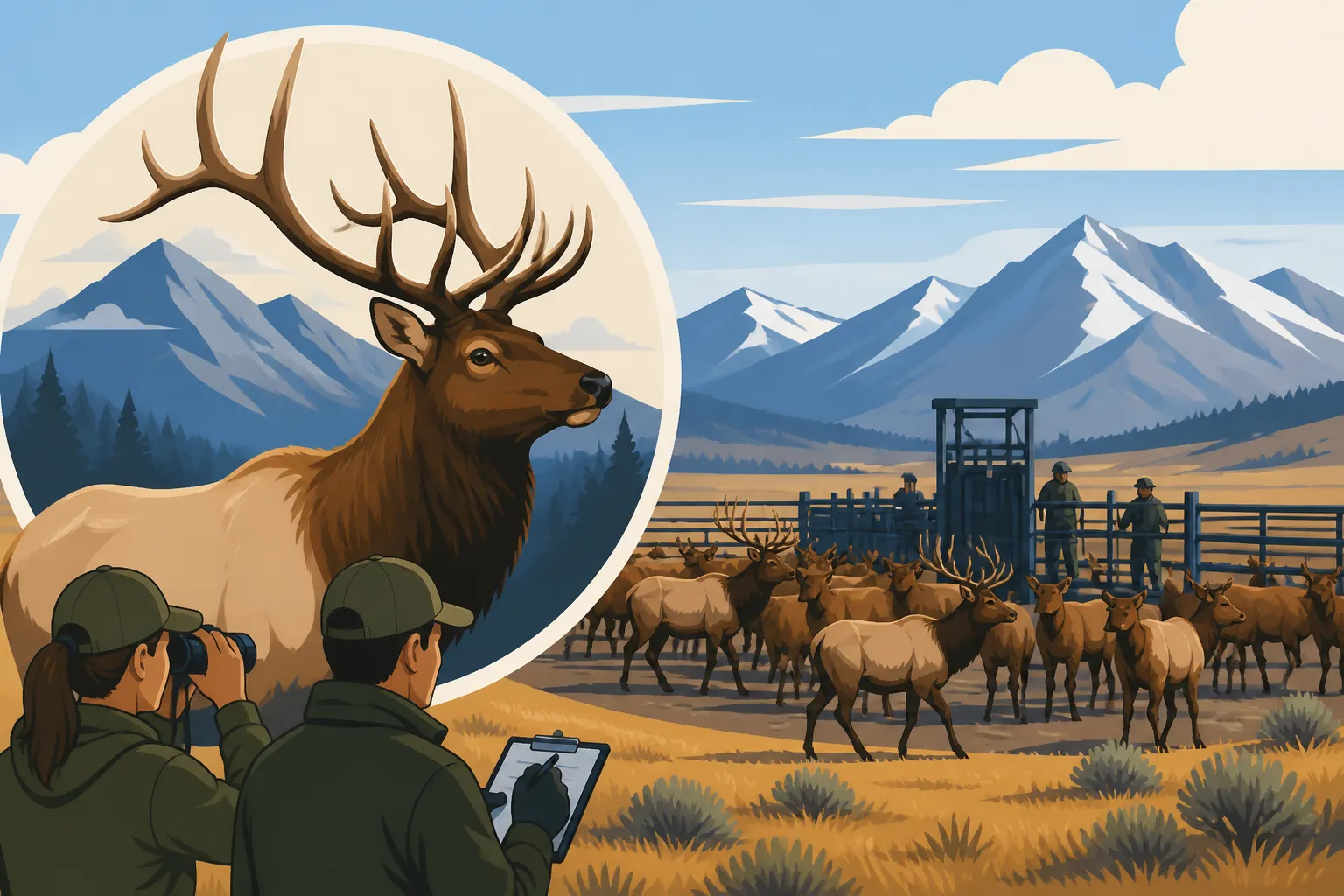
The most visible and often discussed aspect of Refuge management is its supplemental feeding program. From late fall through early spring, when natural forage is buried deep under snow, elk are gathered onto designated feedgrounds where they are given alfalfa pellets. This isn't just a casual snack; it's a critical lifeline. Without this feeding, the sheer number of elk currently wintering in Jackson Hole would face catastrophic losses. The Refuge essentially acts as a massive cafeteria, allowing the elk to conserve energy they'd otherwise spend desperately searching for food in deep snow.
However, supplemental feeding is a double-edged sword. While it saves elk from starvation, it also concentrates them in unnaturally high densities. This concentration, while preventing immediate death, inadvertently creates a perfect storm for disease transmission. It's a constant balancing act, weighing the immediate benefits of preventing starvation against the long-term risks of disease. The Wyoming Game and Fish Department (WGFD) also manages several feedgrounds throughout western Wyoming, operating under similar principles and facing the same difficult choices. Understanding the nuances of these operations is crucial for anyone trying to get a handle on How Many Elk Feedgrounds Wyoming Still Runs.
Disease Monitoring and Mitigation
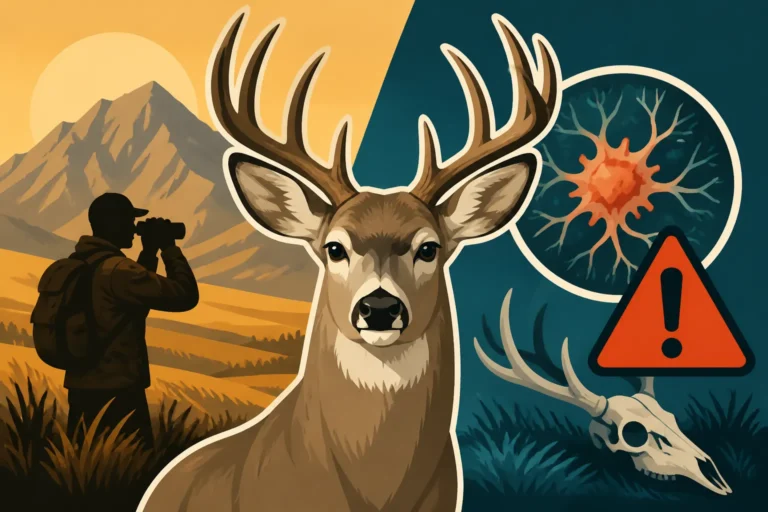
One of the biggest headaches that comes with congregating thousands of elk is the heightened risk of disease. The Refuge, along with the WGFD, constantly battles two major threats: Chronic Wasting Disease (CWD) and brucellosis. These aren't just minor sniffles; they are serious, devastating diseases that can decimate herds and have significant implications for livestock and human health.
CWD is a neurological disease, always fatal, that affects cervids like elk and deer. Its presence on the feedgrounds is a grave concern, as the close contact among animals facilitates its spread. Staff at the Refuge are vigilant, monitoring for any signs of the disease and collecting samples from harvested or deceased animals for testing. You might be interested in learning What CWD on the Feedgrounds Means for Hunters as it's a hot topic. Brucellosis, on the other hand, is a bacterial disease that causes abortions in elk, bison, and cattle, leading to significant economic losses for ranchers. The Refuge implements various strategies to reduce transmission risk, including vaccination programs where feasible and managing herd densities. It’s an ongoing, uphill battle, requiring constant vigilance and collaboration with state and federal agencies, ranchers, and even hunters. The issue of Brucellosis, Cattle and Wyoming Elk is a deeply entrenched problem with no easy solutions.
Population Control Measures
Even with supplemental feeding, the Refuge can't simply let the elk population grow unchecked. An overpopulated herd would quickly exceed the habitat's carrying capacity, leading to resource depletion, increased disease, and ultimately, a crash. To manage population numbers, the Refuge collaborates with the WGFD to implement controlled public hunting seasons on portions of the Refuge and in adjacent hunt areas. This is where hunters become an integral part of the management strategy.
These hunts are highly regulated, with specific tag allocations and seasons designed to meet herd objectives. It's not just about taking an animal; it's a targeted effort to manage the population's size and demographic structure. For hunters, drawing a tag for these areas can be incredibly challenging, requiring a deep understanding of the draw system and often several years of accumulating preference points. For instance, knowing how the draw odds are affected by a tool like GoHunt's Insider service can give you a leg up when planning to hunt in these challenging areas. The success of these hunts plays a vital role in keeping the herd healthy and preventing overgrazing of the Refuge’s delicate winter range.
Challenges and Controversies in Refuge Management
The National Elk Refuge, despite its critical role, is no stranger to challenges and intense public scrutiny. Every management decision, from feeding schedules to hunting quotas, seems to stir passionate debate, reflecting the diverse values and concerns people hold for wildlife and wild places.
Balancing Conservation with Human Interests
This is perhaps the most significant tightrope walk for Refuge managers. On one side, you have the imperative to conserve elk populations and their habitat, a mission rooted in the very founding of the Refuge. On the other, you have a complex web of human interests: local residents and tourists who want to view elk, ranchers concerned about disease transmission to their livestock, and hunters seeking opportunities to harvest a trophy animal.
Consider the Jackson Hole ecosystem as a whole. Elk from the Refuge migrate to various Wyoming Elk Herd Units and Winter Range outside the refuge boundaries, where they interact with private lands and livestock. These interactions create friction, especially when it comes to diseases like brucellosis. Managers are constantly trying to find solutions that protect both the elk and the livelihoods of local ranchers. It’s a delicate negotiation, often involving compromises that satisfy no one completely but are necessary for coexistence.
The Debate Over Supplemental Feeding
The practice of supplemental feeding, while initially a savior for the elk, remains one of the most contentious issues. Critics argue that it's an unnatural intervention that alters natural migration patterns, promotes disease, and leads to an unnaturally high population density that the ecosystem can't sustain without constant human input. They advocate for phasing out feeding, allowing natural selection to dictate herd size and encourage elk to disperse more widely.
Proponents, however, point to the historical context: human development already eliminated much of the elk’s natural winter range. Without feeding, they argue, thousands of elk would starve, and the Jackson herd would drastically shrink, impacting tourism and hunting traditions. They emphasize that feeding is a necessary evil to compensate for historical habitat loss. The discussion is ongoing, complex, and deeply emotional for all involved. Decisions here ripple through the entire herd, affecting everything from disease prevalence to The Jackson Elk Herd Has Grown to its current large numbers.
Predator Management and Ecological Balance
In a truly balanced ecosystem, predators like wolves, bears, and mountain lions play a crucial role in regulating ungulate populations. However, on and around the Refuge, their role is also complicated by human activity. While predators do take some elk, especially during winter, their impact alone isn't enough to control the sheer numbers maintained by supplemental feeding.
Moreover, predator management itself is a contentious topic. Efforts to protect endangered species like grizzly bears and wolves sometimes clash with livestock concerns and hunting interests. The Refuge aims to support a healthy predator-prey balance, but the high density of elk, combined with human tolerance for predators, creates an unusual dynamic. This means that hunting continues to be a primary tool for population control, even as natural predation plays its part. Understanding these layers of management is key, and tools like GoHunt can help hunters visualize these interactions on detailed maps, showing how different areas are managed for both prey and predator species.
How the National Elk Refuge Fits into Broader Wyoming Hunting
For many hunters, the National Elk Refuge is a place of wonder, but also one that prompts questions about hunting opportunities. While hunting is a critical management tool, it’s not an "open season" free-for-all.
Limited Hunting Opportunities and Regulations
Hunting on the National Elk Refuge is extremely limited and highly regulated. It's managed in conjunction with the WGFD to achieve specific population objectives, often targeting antlerless animals or specific age classes. These hunts are considered a privilege and a responsibility, requiring hunters to adhere to strict guidelines. Tags for these areas are typically difficult to draw, often requiring maximum preference points or a stroke of luck in the random draw.
Hunters participating in Refuge hunts are not just pursuing game; they are actively assisting in the scientific management of a globally significant herd. They must be intimately familiar with the Refuge's boundaries, regulations, and often coordinate closely with staff. It’s a far cry from a typical public land hunt, demanding a higher level of preparation and commitment. Knowing exactly Where Cow Elk Tags Are Still Available can be a significant advantage, and sometimes, a limited Refuge hunt may offer such an opportunity.
Impact on Surrounding Hunt Areas
The management practices at the National Elk Refuge have a profound ripple effect on elk populations and hunting opportunities in surrounding areas. Because the Refuge acts as a winter sanctuary and supplemental food source, it contributes to a robust elk population that then disperses into adjacent national forests and other public lands during the spring and summer.
This means that successful hunts in units bordering the Refuge often depend on the health and size of the Jackson herd. Hunters looking to find those migratory elk after they leave the feedgrounds need to understand these movements. The abundance of elk that winter at the Refuge can make for incredible hunting in nearby areas like the Bridger-Teton National Forest. For instance, knowing when Wyoming Elk Season Dates Are Set Hunt Area by Hunt Area is critical, as seasons in units like E1 through E10, which border the refuge, are carefully timed. Furthermore, understanding the nuances of drawing specific tags, like those for a Wyoming Type 1 Elk License, can directly relate to opportunities influenced by the Refuge's overall herd health.
The Role of Technology and Hunter Resources
In today's hunting landscape, technology plays an increasingly important role in understanding complex herd dynamics and planning hunts, especially in areas influenced by large-scale management like the Refuge. Resources like GoHunt provide invaluable data, including draw odds, harvest statistics, and migration maps, which can help hunters navigate the intricacies of Wyoming's system.
| Management Strategy | Primary Goal | Key Challenges | Hunter Involvement |
|---|---|---|---|
| Supplemental Feeding | Prevent starvation, maintain population | Disease concentration (CWD, Brucellosis), dependency | None direct, but impacts herd |
| Disease Monitoring | Control CWD & Brucellosis spread | High animal density, elusive nature of disease | Carcass submission for testing |
| Population Control Hunts | Maintain desired herd size & health | Public perception, tag allocation complexity | Participation in limited draws |
| Habitat Preservation | Ensure long-term forage availability | Encroachment, climate change, grazing pressure | Respecting closures, ethical use |
When planning a hunt, checking resources like GoHunt to see How Many Points It Takes to Draw Wyoming Elk for units near the Refuge can give you a realistic picture of your chances. It’s also wise to check the latest WGFD regulations, as management strategies and hunt area boundaries can change. The Refuge itself also provides educational programs and resources for visitors and hunters alike, emphasizing the importance of ethical behavior and conservation. By staying informed and utilizing modern tools, hunters can better appreciate their role in the broader conservation effort that the National Elk Refuge embodies.
Disclaimer
The information provided in this guide is for general informational purposes only and is not intended as legal advice or a substitute for official regulations. Hunting regulations and management practices in Wyoming, especially concerning the National Elk Refuge, are subject to change. Always consult the most current Wyoming Game and Fish Department regulations, federal regulations for the National Elk Refuge, and obtain appropriate licenses and permits before planning any hunting activity.