What the 2022-23 Winter Killed Off
It's a tough pill to swallow when you've invested years into drawing a prime Wyoming deer tag, only to hear whispers and then confirmation of significant winter kill. The memory of the 2022-23 winter still casts a long shadow over many mule deer hunters, bringing with it the crushing reality of lost opportunities and altered herd dynamics. This guide will walk you through the specifics of that brutal winter's impact on Wyoming's mule deer populations, what it meant then, and what those lingering effects still mean for hunters today, helping you understand how to approach your future hunts.
The Brutal Reality of Wyoming's 2022-23 Winter
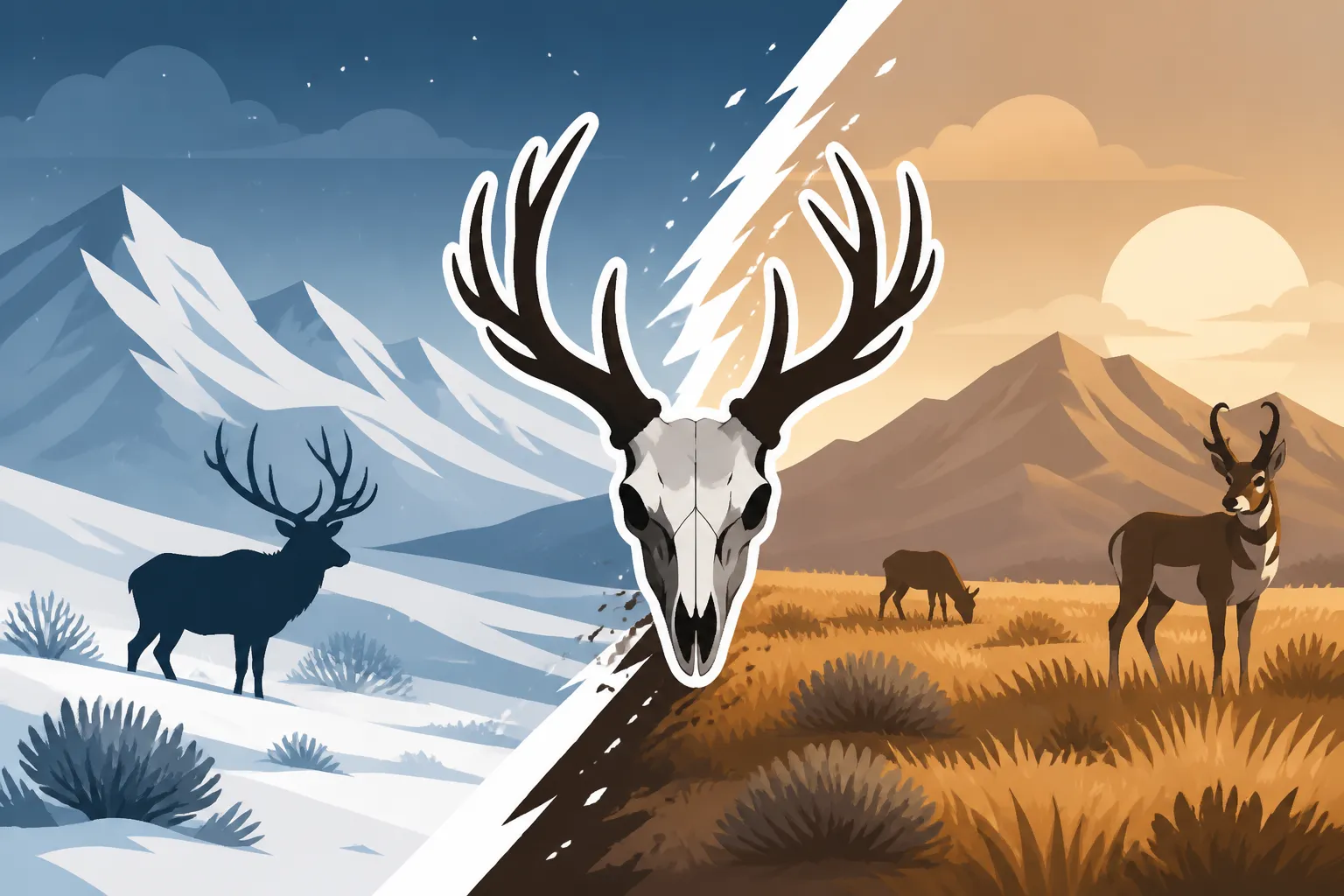
The winter of 2022-23 was, for many parts of Wyoming, a monster. It wasn't just cold; it was persistently cold, piled high with snow, and relentless in its duration. When you combine heavy snowfall that buries forage with prolonged periods of extreme cold that force animals to burn through their fat reserves at an alarming rate, you create a perfect storm for wildlife mortality. For Wyoming's mule deer, this meant a significant challenge to their survival, particularly in certain regions.
Unprecedented Snowfall and Extreme Cold
Many areas across Wyoming saw snowfall totals that broke records. We're not talking about a few heavy storms; we're talking about consistent, deep snow from early winter straight through into spring. Imagine the sagebrush flats you're used to seeing, now buried under several feet of snow, effectively putting a concrete lid on the deer's primary food sources. This wasn't just an inconvenience; it was a life-threatening scenario. When deer can't get to their forage, they can't fuel their internal furnaces to stay warm.
On top of the snow, the temperatures plummeted and stayed low for extended periods. Days upon days of sub-zero temperatures, often accompanied by biting winds, forced deer to expend incredible amounts of energy just to maintain their body heat. Every calorie burned was a calorie taken from their diminishing fat stores. It's like trying to run a marathon on an empty stomach in a blizzard – simply unsustainable for the long haul. The combination of these two factors created conditions far worse than what many seasoned residents or biologists had seen in decades, pushing deer to their absolute physiological limits.
Regional Impacts and Specific Herd Struggles
While the entire state felt the pinch to some extent, certain regions bore the brunt of the 2022-23 winter's severity. The Wyoming Range Deer Herd, for instance, which is normally a robust and important population, experienced particularly heavy losses. These areas, often higher elevation and prone to deeper snowpacks, became survival traps for many deer. When you look at the raw numbers and population objectives, you quickly realize how severe the situation became.
For hunters, this translates directly to fewer deer on the landscape in the years following. You might remember the conversations at the gas station or around the campfire, everyone discussing which units were hit hardest and what it meant for the upcoming draws. It's a stark reminder that even in a state as wild and resilient as Wyoming, nature can deliver blows that take years, sometimes decades, to recover from. The lingering effects still mean some units have lower buck-to-doe ratios or simply fewer animals overall.
How Winter Severity Impacts Mule Deer Survival
When winter hits hard, it's not a uniform impact across the entire deer population. Certain segments of the herd are far more vulnerable than others. Understanding this helps paint a clearer picture of not just how many deer were lost, but which deer, and what that means for the overall health and future hunting opportunities.
Impact on Fawns and Older Deer
The youngest and the oldest animals in a deer herd are always the most susceptible to harsh winter conditions. Fawns, born the previous spring, haven't had a full year to build up the fat reserves necessary to withstand prolonged cold and lack of food. Their smaller body size means a higher surface-area-to-volume ratio, making them lose heat faster. They simply don't have the metabolic machinery or the fat layers to endure extended periods of starvation and extreme cold. Consequently, fawn mortality during the 2022-23 winter was exceptionally high in the hardest-hit areas, a truly devastating blow to future recruitment into the herd.
On the other end of the spectrum, older deer, particularly mature bucks that have just come through the rigors of the rut, are also highly vulnerable. The rut itself is an incredibly taxing period for bucks, where they burn through a tremendous amount of their body fat chasing does and fending off rivals. They enter winter already in a compromised state, often with little fat left to spare. When deep snow and cold temperatures follow, these older, weaker individuals often succumb first. This can lead to a significant loss of mature animals that hunters often seek, shifting the age structure of the buck population for years to come.
Loss of Critical Habitat Access
Mule deer rely heavily on specific winter range areas where forage is typically more accessible and conditions are milder. These ranges are vital arteries for their survival. However, in a winter like 2022-23, even these traditional wintering grounds were overwhelmed. Deep snowpack can render vast swathes of what would normally be accessible browse completely unreachable.
Imagine a mule deer trying to paw through three feet of heavy, crusted snow just to reach a tiny bit of bitterbrush or sage underneath. The energy expenditure versus caloric gain becomes a losing battle very quickly. In many areas, critical migration corridors were also impacted, forcing deer to use alternative routes or get stuck in areas with insufficient food. This loss of access to forage, even if the vegetation itself wasn't destroyed, was a primary driver of mortality during that severe winter. When planning your hunts, research on Mule Deer Winter Range Closures Explained can be invaluable for understanding these critical areas.
| Deer Age Class | Typical Winter Impact | 2022-23 Winter Impact (Hard-Hit Areas) |
|---|---|---|
| Fawns (6-8 months old) | Moderate mortality (often weakest) | Extremely high mortality (severe) |
| Yearlings (1.5 years old) | Low to moderate mortality | Moderate to high mortality |
| Does (prime breeding age) | Low mortality (resilient) | Moderate mortality (can impact reproduction) |
| Mature Bucks (post-rut) | Moderate to high mortality (rut-depleted) | Very high mortality (critically depleted) |
| Older Does/Bucks | High mortality (declining health) | Extremely high mortality (most vulnerable) |
The Lingering Effects on Deer Herds and Future Hunts
The impact of a severe winter isn't a one-and-done event; it ripples through the deer population for several years, influencing everything from herd size and age structure to hunting regulations and draw odds. For hunters, these lingering effects directly shape the experience on the ground and the strategies they need to employ.
Altered Herd Demographics and Recruitment
When fawns and older bucks are hit hardest, it fundamentally alters the age and sex structure of the remaining herd. You're left with a higher proportion of prime-age does and middle-aged bucks. The absence of a strong cohort of young deer, those fawns that didn't make it, creates a "hole" in the population that takes years to fill. This significantly impacts recruitment – the number of new deer entering the breeding population – for several seasons.
Biologists closely monitor these changes. For instance, in areas like the Wyoming Range, the immediate effect was a dramatic reduction in the overall deer numbers. Subsequently, the focus shifts to how the remaining does reproduce and how many fawns survive in subsequent years. It's a slow climb back. You might find that Why Surviving Bucks Are Older Than Usual becomes a reality in many units, as the middle-aged cohort has fewer younger bucks coming up behind them. This is why tools like GoHunt are so valuable for analyzing population data and understanding these demographic shifts when planning applications.
Shifting Hunting Regulations and Opportunities
Game and Fish departments have the unenviable task of balancing hunter opportunity with herd recovery. Following a severe winter kill, it's common to see a tightening of hunting regulations in the most affected areas. This often means reduced tag quotas, shortened seasons, or even a complete closure of certain hunt areas to allow the deer time to rebound. The goal is to protect the remaining breeding population and ensure future sustainability.
This can be incredibly frustrating for hunters who have been accumulating preference points for years. The anticipation of a hard-earned tag might be met with the news that opportunities are now severely limited, or that the area they hoped to hunt simply doesn't offer the same quality or quantity of animals anymore. Staying informed about Wyoming's General Deer Licenses Over the Counter or understanding how Points Needed for a Wyoming Mule Deer Tag can change post-winter is crucial. The Game and Fish Department publishes new regulations each year, and it’s important to review them closely to understand what’s happening in your target units.
Navigating Post-Winter Hunt Planning
Hunting in Wyoming after a severe winter demands a more thoughtful and adaptable approach. The strategies that worked before might need significant adjustments, and your research and scouting efforts become even more critical.
Enhanced Research and E-Scouting
In a post-winter landscape, your pre-hunt research needs to be more thorough than ever. Start by poring over the latest population data and hunt forecasts from the Wyoming Game and Fish Department. They release annual reports on herd health, fawn recruitment, and winter mortality estimates for specific hunt areas. This data, while sometimes sobering, is your best guide.
Beyond official reports, online platforms like GoHunt provide valuable tools for understanding draw odds, harvest success rates, and even historical winter severity for different units. This kind of information can help you choose areas that may have been less impacted or are showing signs of quicker recovery. E-Scouting a Unit Before the Season Opens becomes even more critical, allowing you to identify potential travel corridors, traditional wintering grounds, and adjacent areas that might hold deer pushed out of their usual spots. Look for recent satellite imagery to gauge snowmelt patterns and vegetation green-up in early spring, which can indicate where deer might concentrate.
Adapting Your Hunting Strategies
With potentially fewer deer on the landscape, particularly fewer mature bucks, your hunting strategies will likely need to evolve. This isn't the time for a "run and gun" approach. Instead, focus on slower, more deliberate hunting. This might mean:
- Covering More Ground: You may need to explore areas you previously overlooked or expand your search beyond your traditional hotspots. Deer patterns can shift as they utilize new pockets of favorable habitat.
- Focusing on Prime Habitat: Identify the healthiest, most resilient habitat within your chosen unit. This could be north-facing slopes with ample shade and moisture, areas with diverse forage, or drainages that offered better shelter during the tough winter. Deer that survived are likely concentrated where resources are strongest. Understanding How to Read a Wyoming Hunt Area Number will help you pinpoint specific micro-habitats within larger units.
- Patience and Persistence: Opportunities might be fewer and farther between. Being patient, glassing extensively, and committing to longer watches will increase your odds. Remember, the surviving bucks are smart, often older, and certainly wary.
Managing Expectations for Future Seasons
Perhaps the most important aspect of hunting after a severe winter is managing your own expectations. While it's natural to dream of trophy bucks, the reality is that herd recovery takes time. It's not uncommon for a mule deer herd to take several years, even a decade or more, to fully bounce back from a catastrophic winter.
This might mean embracing a different kind of hunt for a few seasons – one focused more on the experience, the challenge, and the satisfaction of a fair chase, rather than solely on antler size. It might also mean a temporary shift in target species if you're chasing mule deer specifically. The good news is that mule deer are incredibly resilient animals, and with careful management and a few mild winters, populations can and do rebound. But as a hunter, understanding and accepting this slower recovery process will make your time in the Wyoming backcountry more rewarding, regardless of what you bring home. Always refer to current The Wyoming Range Deer Herd Against Its Objective information or similar herd unit data for the most up-to-date picture.
Disclaimer
This article is for general informational purposes only and does not constitute professional advice. Laws, prices and regulations vary by location and change over time. Consult a qualified professional for guidance on your specific situation.