Whitetail Only Doe and Fawn Licenses Explained
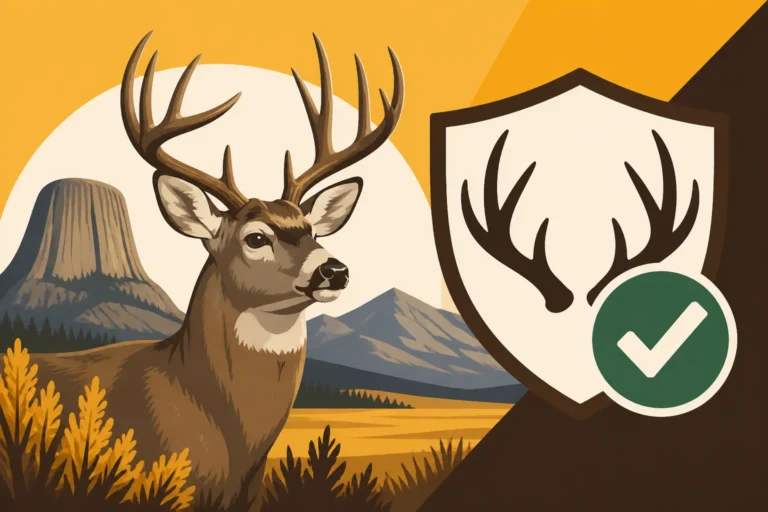
Navigating the myriad of hunting licenses in Wyoming can sometimes feel like trying to track a mature buck through a blizzard – confusing and full of hidden obstacles. Many hunters, especially those new to the state or specifically targeting deer, find themselves scratching their heads over the nuances of different tags. One area that often causes a bit of head-scratching is the specific category of "whitetail only doe and fawn licenses." These tags aren't just minor variations; they represent a targeted approach to herd management and offer unique opportunities for hunters. This guide aims to clear up all the confusion, explaining what these licenses are, why they exist, and how you can best utilize them for a successful and responsible hunt.
Understanding Wyoming's Whitetail Management
Wyoming is often synonymous with vast open spaces and big mule deer, but the eastern side of the state, particularly along its river bottoms and agricultural lands, hosts a robust population of whitetail deer. Managing these whitetail herds presents different challenges and opportunities compared to their mule deer cousins, which is why specific tags like the whitetail-only doe and fawn licenses are so important.
Why Specific Whitetail-Only Tags Exist
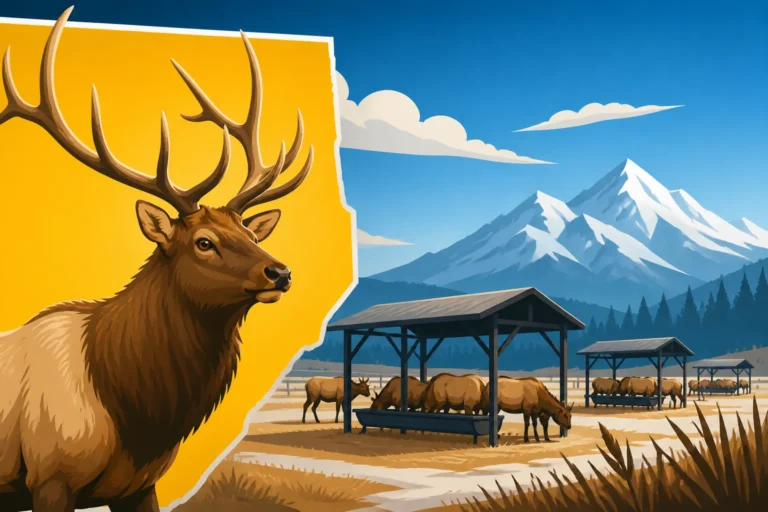
The primary reason for issuing whitetail-only doe and fawn licenses boils down to focused herd management. Unlike some of the mule deer populations that have seen declines due to harsh winters and habitat loss, whitetail deer in certain regions of Wyoming can thrive, sometimes even to the point of becoming overpopulated in localized areas. These areas are typically characterized by ample water, thick cover found in river corridors, and adjacent agricultural fields providing abundant food sources.
When whitetail populations become too dense, several issues can arise. Over-browsing can degrade habitat, making it less resilient for all wildlife. Increased disease transmission, such as Chronic Wasting Disease (CWD), becomes a greater concern when animals are concentrated. Perhaps most directly felt by local communities is the potential for significant agricultural depredation, where deer feed heavily on crops, causing financial losses for landowners. By issuing specific antlerless whitetail tags, the Wyoming Game and Fish Department can direct hunting pressure precisely where it's needed most, helping to reduce herd numbers in these problem areas, maintain a healthier population structure, and mitigate conflicts with human interests. It’s a tool for fine-tuning the balance between thriving wildlife and productive land use.
Distinguishing Whitetail from Mule Deer in the Field
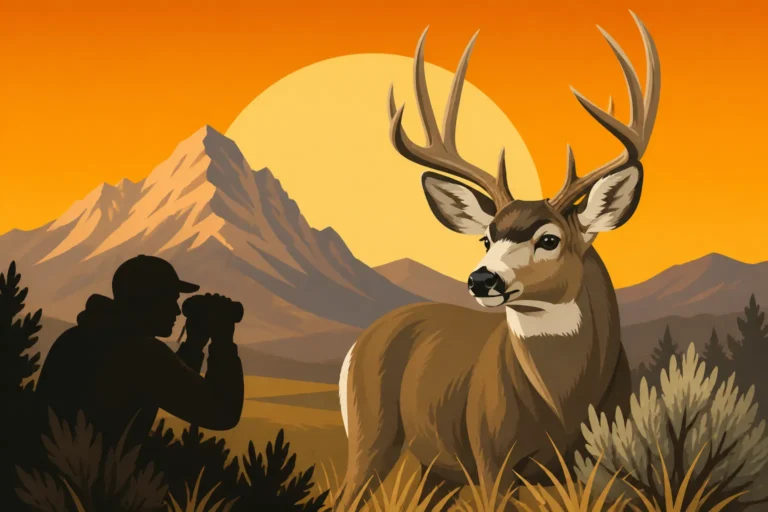
If you're holding a "whitetail only" tag, accurate identification in the field is absolutely critical. Mistaking a mule deer for a whitetail, or vice versa, can lead to a costly mistake and a citation from game wardens. While seasoned hunters might tell them apart at a glance, under pressure or in changing light, it's easy to second-guess yourself.
Whitetail deer are generally smaller bodied than mule deer and have a reddish-brown coat in summer that turns grayer in winter. Their most distinguishing feature, of course, is their tail. When alarmed, a whitetail will raise its tail like a flag, revealing its bright white underside. Their antlers typically grow forward from a single main beam, with tines branching off upwards. Mule deer, on the other hand, are often larger, with proportionately larger ears (like a mule, hence the name). Their tail is narrower, with a black tip, and usually hangs down or slightly droops when they run, without the "flag" action. Their antlers typically fork, meaning each main beam divides into two tines, and then those tines may fork again. Knowing these differences, and practicing identification through binoculars before your hunt, is paramount. You might find it helpful to review resources like "Telling Whitetail From Mule Deer in Wyoming" for detailed comparisons before heading afield.
The Nuts and Bolts of Doe and Fawn Licenses
Once you understand why these specific licenses exist, the next step is to understand what they actually allow you to harvest and where you can use them. These aren't your general deer tags; they are very specific and come with their own set of rules.
What "Doe and Fawn" Licenses Actually Allow
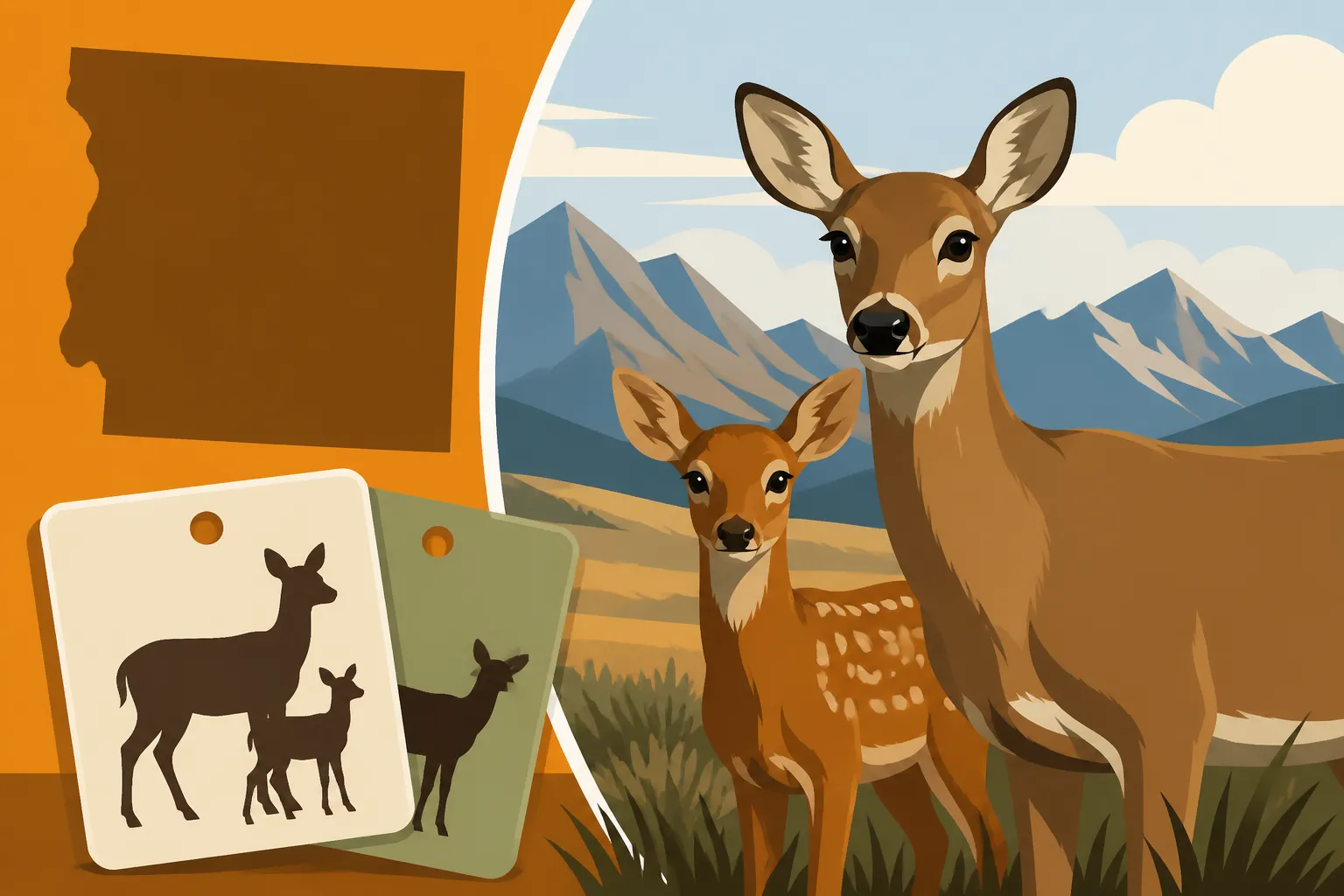
A "whitetail only doe and fawn license" explicitly permits the harvest of an antlerless whitetail deer. This means no antlers whatsoever, regardless of size. And, as the name implies, it's specifically for whitetail deer, not mule deer. The term "fawn" in the license type includes young-of-the-year deer, which are by nature antlerless. Essentially, these tags target the female segment of the whitetail population, and their offspring, with the goal of population reduction.
For a hunter, this can mean an opportunity to fill the freezer with delicious venison, often in areas where general buck tags are much harder to draw or public land access for buck hunting is limited. It's a pragmatic license for meat hunters and those looking to contribute directly to wildlife management efforts. When you're out in the field with one of these tags, absolute certainty of your target is non-negotiable. Always wait for a clear, ethical shot on a positively identified antlerless whitetail. If there's any doubt about the species or the presence of even small button antlers, let the animal walk.
Where and When These Licenses Are Valid
These specialized whitetail doe and fawn licenses are typically issued for specific hunt areas, predominantly in the eastern parts of Wyoming. Think of the river corridors of the North Platte, Cheyenne, and Belle Fourche Rivers, and the agricultural lands surrounding towns like Wheatland, Torrington, and Newcastle. These are the prime "whitetail country" regions where populations can benefit most from antlerless harvest.
The seasons for these tags can also vary. Often, they might run concurrent with general deer seasons, or they might extend later into the year to further concentrate harvest when deer are more patterned around winter food sources. It's not uncommon for these licenses to be valid in areas with significant private land where whitetails often congregate. To find the exact areas and dates, you must consult the current Wyoming Game and Fish Department regulations. Resources like their online hunt planner or detailed mapping applications, such as those found on GoHunt, can help you filter for these specific license types and see their corresponding hunt area boundaries and season dates. Understanding the specific regulations for "Whitetail Range in Eastern Wyoming" is key, as conditions and opportunities can vary significantly from one unit to another.
Obtaining and Utilizing Your Whitetail Antlerless Tag
Securing one of these licenses is generally less competitive than drawing a coveted trophy buck tag, but there are still processes and strategies involved. Knowing how to acquire them and how to approach hunting with them will make your experience much smoother.
Application Process and Availability
Unlike some of Wyoming's premium big game tags that require many preference points and years of applying, whitetail-only doe and fawn licenses are often more readily available. Many of these antlerless tags are offered through the general deer draw, but some specific types, particularly in higher population areas, might be available over-the-counter or as leftover licenses after the main draw periods. This increased availability makes them an excellent option for resident hunters, or for non-residents looking to experience a Wyoming deer hunt without the multi-year wait.
The best approach is to check the Wyoming Game and Fish Department website early in the year for application deadlines and license types. For non-residents, these tags are typically less expensive than a full-price buck license, making them an accessible way to hunt. Be aware that even if a tag is over-the-counter, there's usually a limited number, so prompt action once they become available is still a good idea. Tools and services like GoHunt offer detailed draw odds and application strategy information, which can be invaluable for understanding the availability and success rates for various Wyoming deer licenses, including these specialized whitetail doe tags. They can help you sift through the data and make informed decisions on when and where to apply.
Strategies for Hunting Whitetail Doe and Fawn
Hunting whitetail doe and fawn requires different tactics than chasing high-country mule deer or rutting elk. Your focus will likely be on areas with dense cover, water sources, and agricultural fields. "Hunting the Whitetail River Bottoms of Eastern Wyoming" offers some great insights into the type of terrain you'll encounter.
- Scouting: Even for doe tags, scouting is invaluable. Use aerial maps and, if possible, on-the-ground reconnaissance to identify bedding areas, travel corridors between cover and food, and water sources. Look for fresh tracks, droppings, and browse lines.
- Stand Hunting: Setting up a tree stand or ground blind along a well-used trail or near a food plot can be highly effective. Whitetails are creatures of habit, and patterning their movements from bedding to feeding can lead to success. Ensure your setup accounts for wind direction, as whitetails have an incredible sense of smell.
- Still Hunting: Moving slowly and deliberately through thick timber and river bottom cover, pausing frequently to observe, can also be productive. This method requires patience and a keen eye to spot deer before they spot you.
- Private Land Access: Many of the areas where these tags are most prevalent are a mix of public and private land. Don't be afraid to ask for permission from landowners. Often, they are more than willing to grant access to hunters looking to harvest antlerless deer, especially if their crops are being impacted. Respecting private property and building good relationships can open up fantastic hunting opportunities.
- Late Season Tactics: If your tag extends into the late season, "Late Season Whitetail Hunting on the Prairie" often means focusing on key food sources as winter approaches. Deer will be more concentrated and predictable as they try to fatten up before the harshest weather hits. Remember to always check the legal shooting hours for big game in Wyoming for your specific hunting dates.
The Benefits and Responsibilities of Whitetail Doe Hunting
These specific licenses aren't just about hunter opportunity; they're a critical component of a larger conservation strategy. When you participate in these hunts, you're becoming an active partner in maintaining the health and balance of Wyoming's whitetail herds.
Contributing to Healthy Whitetail Herds
Hunting antlerless whitetails is a direct and effective way to manage deer populations, ensuring healthier herds for the future. When doe numbers get too high, it can lead to several negative outcomes:
- Habitat Degradation: Too many deer can over-browse vegetation, stripping forests and agricultural areas of essential plant life. This not only reduces food availability for deer themselves but also for other wildlife species.
- Disease Control: Dense populations can be a breeding ground for diseases like Chronic Wasting Disease (CWD). By maintaining populations at healthy levels, the spread of such diseases can be slowed, protecting the long-term health of the herd.
- Improved Buck-to-Doe Ratios: Harvesting does helps to balance the sex ratio, which can lead to a more intense rut, healthier fawns, and potentially larger, older bucks in the population over time. While you might not be hunting a trophy buck with a doe tag, your actions directly contribute to the potential for future trophy opportunities in the area.
- Reduced Conflicts: By controlling deer numbers, especially in agricultural interface areas, these hunts directly reduce crop damage and vehicle collisions, fostering better relationships between landowners, commuters, and wildlife.
Every hunter who successfully fills a whitetail-only doe or fawn tag is playing a vital role in these conservation efforts, ensuring that Wyoming's whitetail deer remain a healthy and sustainable resource for generations to come.
Ethical Considerations and Meat Salvage
Hunting with a whitetail-only doe and fawn license comes with the same ethical responsibilities as any other hunt, perhaps even more so due to the specific nature of the tag.
First and foremost, positive identification is paramount. As discussed, knowing the difference between a whitetail and a mule deer is crucial. If you have any doubt, do not shoot. The same goes for confirming it's an antlerless animal. A quick scan for any evidence of antlers, even small buttons, is a must before taking a shot.
Secondly, ethical shot placement is always key. Aim for the vitals to ensure a quick, humane harvest. Practice your shooting skills regularly to be proficient at various distances and under field conditions. Even with a plentiful population, we owe it to the animal to make a clean, ethical kill.
Finally, Wyoming has strict "wanton waste" laws that require hunters to salvage all edible portions of game meat. "The Meat Salvage Requirements for Big Game" mandate that you utilize what you harvest. With a doe or fawn, this typically means taking all the muscle tissue, not just the backstraps and hindquarters, but also the meat from the front shoulders and ribs. These smaller animals are often easier to process entirely, making them excellent choices for hunters focused on filling their freezers. Be prepared with the necessary tools for field dressing and packing out your animal, as depending on the area, you might be a significant distance from your vehicle. Carrying proof of your hunter education is also important when in the field, as "Anyone Born After 1965 Needs Wyoming Hunter Education".
Hunting whitetail with a doe and fawn license in Wyoming offers a unique and rewarding experience. It's a chance to spend time in the beautiful landscapes of the Cowboy State, contribute meaningfully to wildlife conservation, and bring home some fantastic table fare, all while navigating a distinct set of challenges and opportunities.
Disclaimer
This article is for general informational purposes only and does not constitute professional advice. Laws, prices and regulations vary by location and change over time. Consult a qualified professional for guidance on your specific situation.