Late Season Whitetail Hunting on the Prairie
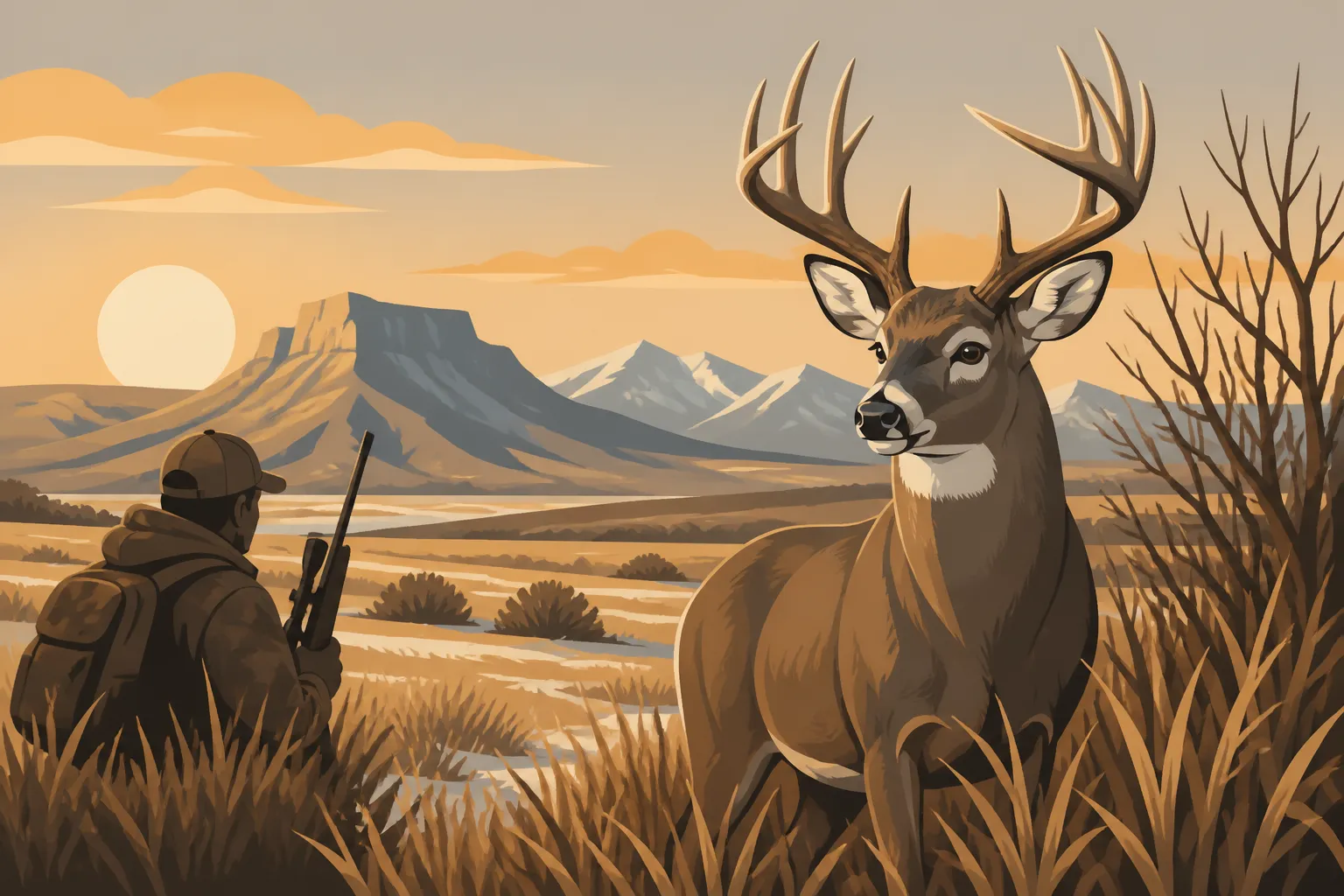
There's a unique kind of challenge, and often a deep frustration, that comes with late-season whitetail hunting on the vast, open prairies of Wyoming. It's a different beast entirely from hunting the timbered mountains or the early fall draws. You're facing bitter winds, potential blizzards, and deer that have been pressured for months, making them incredibly wary. This guide is here to walk you through the nuances of pursuing those wily whitetails when the mercury drops, offering strategies and insights to help you overcome the elements and the deer's defenses.
Understanding Wyoming's Prairie Whitetails in Late Season
Hunting whitetails out on the Wyoming prairie as winter really digs in is a whole different ballgame. Forget everything you might know about early season activity. These deer aren't just trying to survive; they're trying to thrive through some truly brutal conditions, and their behavior shifts dramatically to match.
Whitetail Behavior Shifts as Winter Deepens
As autumn's vibrant colors fade into the muted tones of winter, and the first serious snowfalls dust the landscape, whitetail deer on the Wyoming prairie become incredibly focused on two things: food and thermal cover. The lush alfalfa fields and succulent green shoots of early fall are long gone, either buried under snow or dried to brittle stalks. Deer are forced to adapt, often relying on browse from brush, remaining corn or bean fields (if present), and any available hay. This intense focus means their movements become much more predictable, centered around efficient travel between bedding and feeding areas.
The brutal cold also dictates their energy expenditure. You'll notice deer are less active during the peak daylight hours unless conditions are particularly mild or a storm is brewing. They'll often bed down in dense cover for long stretches, conserving precious calories. This is when understanding their need for shelter becomes paramount. A strong northerly wind or a deep snowdrift can change their preferred bedding sites overnight. They'll seek out the thickest stands of brush, the deepest coulees, or the most sheltered sides of draws, anything to get out of the biting wind and conserve warmth. It's a game of survival for them, and understanding this underlying motivation is your first step to success.
Key Whitetail Hotspots on the Prairie
While the prairie might seem endless and featureless to the untrained eye, whitetails have their preferred hideouts, especially during the late season. These aren't vast forests, but rather linear oases that provide everything a deer needs to survive the harsh Wyoming winter.
River bottoms and creek drainages are, without a doubt, your primary targets. Think about the North Platte River or the Belle Fourche, and the smaller tributaries that feed them. These areas offer a dense combination of willows, cottonwoods, and other brush species that provide both food and critical thermal cover. Deer will stack up in these areas, seeking shelter from the incessant wind and finding browse that's often unavailable on the open uplands. It’s where you’ll find the heaviest concentrations of deer, often in surprisingly small pockets of cover. When exploring the Whitetail Range in Eastern Wyoming, these riparian corridors are essentially their lifelines.
Beyond the major waterways, look for shelterbelts and old homesteads with abandoned tree rows. Farmers planted these windbreaks decades ago, and now they offer invaluable cover in an otherwise exposed landscape. A thick, mature shelterbelt can hold a surprising number of deer, providing refuge from the wind and snow. Additionally, any deep, brushy coulee or draw that offers protection and some browse will attract whitetails. These aren't always obvious on a map, but a good e-scouting session using tools like GoHunt can reveal these subtle terrain features that hold deer. Remember, deer are lazy, and they’ll take the path of least resistance to food and safety, making these sheltered corridors their highways.
Gear and Tactics for Cold-Weather Success
Conquering late-season whitetails on the Wyoming prairie isn't just about finding them; it's about being prepared to endure the elements and outsmart them when conditions are at their harshest. Your gear choices and hunting tactics need to be dialed in for maximum effectiveness in the cold.
Essential Cold-Weather Gear for Prairie Hunting
When you're out there, facing down a Wyoming winter, your gear isn't just about comfort—it's about survival and staying effective. The windchill can be brutal, turning a moderately cold day into a hypothermia risk if you're not properly dressed.
- Layering System: This is non-negotiable. Start with a moisture-wicking base layer (merino wool is fantastic). Add a fleece or synthetic mid-layer for insulation. Your outer layer needs to be windproof and waterproof, but also breathable. Think about a heavy, insulated jacket and pants, perhaps a quiet softshell for stalking or a heavier parka for sitting. You'll be shedding and adding layers as your activity level changes.
- Insulated Boots: Get serious, high-quality, insulated boots rated for extreme cold. Nothing ends a hunt faster than frozen feet. Make sure they are waterproof and have good traction for snow and ice.
- Head and Hand Protection: A warm, windproof hat, a balaclava, and quality insulated gloves or mittens are crucial. Consider hand warmers and foot warmers to extend your time in the field.
- Optics: Binoculars are your best friend for long-range glassing. Quality optics that perform well in low light are essential, especially since deer activity peaks around dawn and dusk. A spotting scope can also be invaluable for picking apart distant cover.
- Shooting Sticks or Bipod: The prairie offers few natural rests. A stable shooting platform is critical for those long shots across open country.
- Backpack: Large enough to carry extra layers, snacks, water (insulated to prevent freezing), emergency fire starter, a first-aid kit, and enough space for field dressing tools.
Always check the forecast right before you head out, and then pack for worse. It's better to have too much and not need it than to be caught unprepared.
Spot-and-Stalk vs. Stand Hunting in Open Terrain
Deciding between spot-and-stalk and stand hunting on the prairie in late season depends heavily on the specific terrain, weather, and the deer's behavior. Both have their merits and their challenges.
Spot-and-Stalk: This is often the most effective method on the open prairie. With limited cover, your eyes become your most powerful tool. Get to a high vantage point early in the morning and Glassing Wyoming Basins Before You Take a Step. Use your binoculars and spotting scope to systematically pick apart river bottoms, shelterbelts, and coulees. Once you locate deer, the real work begins. You'll need to use every wrinkle in the terrain—dry washes, cut banks, sparse sagebrush—to get within range. Wind direction is absolutely critical; you cannot afford to have your scent blow towards the deer in such open country. This method requires immense patience, physical fitness, and the ability to crawl or move slowly over long distances. It's incredibly rewarding when it comes together, but it can also be incredibly frustrating if the deer bust you from a mile away.
Stand Hunting: While less common for whitetails on the vast, featureless plains, stand hunting can be highly effective in specific situations, primarily along well-used travel corridors within riparian areas or near isolated food sources. If you've scouted a thick river bottom and identified a consistent trail between bedding and a feeding area, setting up a ground blind or even a tree stand (where allowed and practical) can pay off. The key here is proper concealment and playing the wind flawlessly. Deer in late season are on high alert, and any unusual scent or silhouette will send them packing. This tactic is often best during periods of extreme cold when deer movement is more confined and predictable to specific avenues. You might also consider this if you’re hunting over private agricultural fields where deer are concentrated.
Ultimately, having both strategies in your toolkit and being willing to adapt to what the day presents will increase your odds significantly.
Reading Sign and Playing the Wind
In the late season, with snow on the ground, reading deer sign takes on a whole new dimension. It’s like the deer are leaving you a breadcrumb trail in the crisp white canvas.
- Tracking in Snow: Fresh tracks in the snow are a goldmine of information. They tell you not only where deer have been but also how recently. Large, deep tracks indicate a bigger-bodied animal, likely a buck. Pay attention to stride length and any dragging—this can indicate a deer is moving slowly, perhaps feeding or just after bedding. Following fresh tracks from a bedding area to a feeding area, or vice versa, can give you incredible insight into their daily patterns. Look for areas where tracks converge, indicating a travel corridor.
- Identifying Rubs and Scrapes: While the peak rut is usually in November (see When Whitetail Rut Dates Fall on the Plains), you might still find remnants of rubs and scrapes, particularly in thicker cover. These indicate areas bucks have frequented. A fresh rub, even a late one, means a buck is still in the vicinity. However, fresh tracks are generally a more reliable indicator of current activity in the late season.
- Reading Deer Trails: Look for well-worn trails leading between thick cover and open feeding grounds. In snow, these become even more apparent. These are the deer highways, and understanding their layout is crucial for setting up an ambush or planning a stalk.
Playing the Wind: This is, arguably, the single most critical factor for success on the open Wyoming prairie. Whitetails rely heavily on their sense of smell, especially when cover is sparse. A shifting wind can utterly ruin a stalk or give away your position to a deer long before you see it. Always know the wind direction. Carry a wind-checker bottle and use it constantly. When stalking, approach from downwind, or quartering into the wind if possible, using terrain features to mask your advance. If the wind is swirling or unpredictable, it’s often better to wait for more stable conditions or choose a different approach. Remember, the wind can play tricks in draws and coulees, so always verify at your exact location. Without mastering the wind, even the best plans will fall apart.
Navigating Access and Regulations in Late Season
Hunting late-season whitetails in Wyoming isn't just about the deer and the weather; it's also about understanding where you can legally hunt and what rules you need to follow. Access can be a real hurdle, and regulations are there for a reason, even if they sometimes feel like another obstacle.
Public vs. Private Land Access Strategies
Wyoming is known for its vast expanses of public land, but much of the prime whitetail habitat, especially on the eastern prairie, is often intermingled with or entirely made up of private ground. This checkerboard pattern of ownership can make public land access incredibly challenging and sometimes confusing.
- Public Land Challenges: While there are Bureau of Land Management (BLM) and State Trust Land parcels that hold whitetails, they are frequently landlocked by private property. Knowing How to Reach Landlocked Public Land in Wyoming legally is crucial. This often means using public roads and then walking in from adjacent public ground, or gaining permission to cross private land. Relying on digital mapping apps like GoHunt is essential for identifying these public pockets and planning your approach. You might find excellent hunting on these overlooked parcels, but be prepared for a longer walk.
- Private Land is Key: For many serious prairie whitetail hunters, securing access to private land is paramount. This can involve knocking on doors, asking for permission well in advance of the season, or looking into programs that facilitate public access across private ground. Wyoming's Access Yes program is a fantastic resource that works with landowners to open up private and sometimes landlocked public lands for hunters. These Walk-In Hunting Areas and Hunter Management Areas are often crucial for finding quality whitetail opportunities. Always check the specific rules for these areas, as some require a permission slip you print online before heading out. Sometimes, simply talking to ranchers and building a relationship can open doors to incredible hunting opportunities that others miss. Be respectful, offer to help, and always leave the property better than you found it.
Important Late-Season Regulations to Remember
Even if you’re a seasoned hunter, it’s easy to overlook specific regulations, especially when focusing on the hunt itself. But ignoring the rules can lead to serious consequences.
- Shooting Hours: Wyoming has specific legal shooting hours for big game, typically from 30 minutes before sunrise to 30 minutes after sunset. This is crucial to remember, particularly when daylight hours are short in late season. You don't want to be caught shooting too early or too late. Always have a reliable watch or use your phone's sunrise/sunset feature. For more details, check out Wyoming Legal Shooting Hours for Big Game.
- Blaze Orange Requirements: During general rifle seasons, Wyoming mandates blaze orange clothing. This usually means an outer garment of fluorescent orange, often a vest or hat, in a conspicuous amount. While many whitetail seasons might have ended by the time the deepest winter sets in, if you're hunting during an extended late rifle season, or if other big game seasons are open in the same area, these rules apply. It's about safety, plain and simple. Always verify the specific requirements for your hunt area and weapon type; sometimes archery hunters have different rules. You can find more information on Blaze Orange Requirements Through the Rifle Season.
- Carcass Tagging and Transport: Once you've successfully harvested a whitetail, tagging requirements are immediate. You must validate your license and attach the tag to the carcass before moving the animal from the kill site. Understanding the Field Dressing and Carcass Transport Rules Explained is critical, especially regarding evidence of sex and how you transport the meat out of the field. Late-season cold can be an advantage for meat preservation, but you still need to handle the animal responsibly and legally. Always consult the current year's Wyoming Game and Fish Department regulations for your specific hunt area and license type, as rules can change.
Maximizing Your Late-Season Opportunity
Late-season hunting is often a grind, a test of patience and persistence as much as skill. But by smart scouting and maintaining a determined mindset, you can significantly boost your odds of success.
Scouting and E-Scouting for Wintering Deer
Success in late-season hunting often boils down to how well you’ve scouted, both physically and from your kitchen table. Deer move less and are more concentrated in prime wintering areas, making effective scouting incredibly valuable.
- Pre-Season Scouting: While the late season is already upon us, any scouting you did in the early fall can still provide clues. Where were the deer then? What food sources did they prefer? Often, deer will retreat to the densest cover near these areas as winter progresses. Identifying those thick river bottoms, brushy draws, and shelterbelts that offer both food and thermal protection is key. Look for tracks, trails, and old bedding areas.
- E-Scouting with Modern Tools: This is where tools like GoHunt really shine. From the comfort of your home, you can pore over satellite imagery to identify crucial late-season habitat. Look for:
- Riparian Corridors: Trace river and creek drainages, zooming in on the densest vegetation. These are often linear oases of cover and browse.
- Shelterbelts and Windbreaks: These man-made features show up clearly on aerial maps and are magnets for deer looking to escape the wind.
- Deep Coulees and Draws: Identify terrain features that offer significant thermal protection from prevailing winds. Even a slight dip in the landscape can offer considerable relief for deer.
- Food Sources: Locate any remaining agricultural fields (corn, beans, alfalfa) that might still be providing forage. Deer will travel from cover to these food sources.
- Access Points: Use public land layers to identify legal access points to both public and private lands enrolled in programs like Access Yes. You can also use these maps to plan long walks into remote public parcels.
E-scouting allows you to cover vast amounts of ground virtually, identifying potential hotspots before you ever put boots on the ground. When you do get into the field, you'll have a much more focused plan, saving valuable time and energy in challenging conditions. For more on this, check out E-Scouting a Unit Before the Season Opens.
Patience, Persistence, and Adapting to Conditions
The late season is not for the faint of heart. It demands a mental toughness that’s different from any other time of year. You’ll experience cold, wind, and probably some days where you don't see a single deer.
- The Mental Game: It's easy to get discouraged when the weather is brutal and deer aren't moving. But remember that deer have to eat and have to move, especially after a storm. Your patience during these tough times will often be rewarded. Be prepared to sit longer, walk farther, and spend more time glassing.
- Adapting to Weather: Wyoming weather is notoriously unpredictable. A mild morning can quickly turn into a whiteout blizzard. Always watch the forecast closely and be prepared for rapid changes. These changes can also be your friend:
- Post-Storm Movement: After a heavy snow or a brutal cold snap, deer often become more active, moving to feed. These can be prime hunting days.
- Wind Direction: As discussed, the wind is a constant factor. Be flexible with your plans, choosing hunting locations and approaches that keep the wind in your favor, even if it means changing your primary spot.
- Understanding Deer Patterns: Late-season deer are creatures of habit. They will use the most efficient routes between food and cover. If you can identify these patterns through persistent scouting and observation, you can intercept them. This might mean getting into a stand well before first light, or staying out glassing until the very last legal minute. Sometimes, a slow, methodical still-hunt through a thick river bottom can spook deer into revealing their hideouts.
Ultimately, late-season whitetail hunting on the prairie is a testament to your dedication. It's about combining intelligent scouting, proper gear, strategic thinking, and the sheer will to outlast the elements and the animals. When that big whitetail buck steps out against a snow-covered backdrop, the reward for your efforts will be immeasurable.
Disclaimer
This article is for general informational purposes only and does not constitute professional advice. Laws, prices and regulations vary by location and change over time. Consult a qualified professional for guidance on your specific situation.