Where Wyoming Raised Its Antelope Quotas
It can be incredibly frustrating to keep an eye on Wyoming's antelope populations, especially when you're hoping for better draw odds year after year. For a long time, it felt like the numbers were just holding steady, or even declining in some areas, making those coveted tags harder to come by. But recently, there's been some genuinely good news for antelope enthusiasts, as the Wyoming Game and Fish Department has been able to raise quotas in several key hunt areas, opening up more opportunities for hunters. This guide will walk you through where these increases are happening, why they're occurring, and what it means for your next antelope application.
Understanding Wyoming's Antelope Quotas and Management
When we talk about antelope hunting in Wyoming, everything revolves around those quota numbers. They dictate how many licenses are available in each specific hunt area, and frankly, they're the gatekeepers to your hunting dreams. Understanding how these quotas are set and why they fluctuate is the first step to making sense of your application strategy.
Why Quotas Matter for Hunters
A quota, in simple terms, is the maximum number of licenses that can be issued for a particular species in a designated hunt area for a given season. For antelope, these quotas are meticulously set by the Wyoming Game and Fish Department (WGFD) to manage herd health, ensure sustainable populations, and provide recreational opportunities. For us hunters, it means everything. A high quota in an area signals more tags, which generally translates to better draw odds. Conversely, a low quota makes that area a much tougher draw, often requiring years of preference points.
The demand for Wyoming antelope tags, especially for non-residents, is incredibly high. Everyone wants a crack at those open-country speed goats. When you see discussions about Wyoming Nonresident Antelope Tag Price Explained or Wyoming Antelope Odds With Zero Preference Points, you'll quickly realize how competitive it can be. That's why any news of increased quotas sends a ripple of excitement through the hunting community – it’s a sign that the hard work of wildlife management might be paying off.
The Dynamics Behind Quota Adjustments
Setting these quotas isn't a shot in the dark; it's a complex science informed by years of data and observation. The WGFD constantly monitors antelope herds across the state, taking into account several critical factors. Key among these are the severity of recent winters, which can drastically impact survival rates, especially for fawns. A mild winter often leads to better fawn recruitment, meaning more young antelope survive into the next year, bolstering the population.
Habitat conditions play another huge role. Ample forage and water, influenced by rainfall and range management, contribute to healthier, more robust herds. Drought conditions, on the other hand, can stress populations. Disease prevalence, though less common with antelope than some other species, is also considered. Ultimately, these factors feed into the WGFD's population objectives for each herd unit. If a herd is thriving and exceeding its objective, or if it has bounced back significantly from a downturn, the WGFD may propose increasing the number of available tags for that area. This proactive management helps maintain balance within the ecosystem while also providing us hunters with more chances to pursue this incredible animal.
Specific Hunt Areas Seeing Increased Antelope Quotas
After some challenging years, especially following tough winters that hit certain big game populations hard, it's a breath of fresh air to see positive trends for Wyoming's pronghorn. The meticulous work of the Wyoming Game and Fish Department, combined with more favorable environmental conditions, has allowed for some strategic increases in antelope quotas. This means more opportunities are opening up in specific parts of the state.
Where the Increases Are Happening
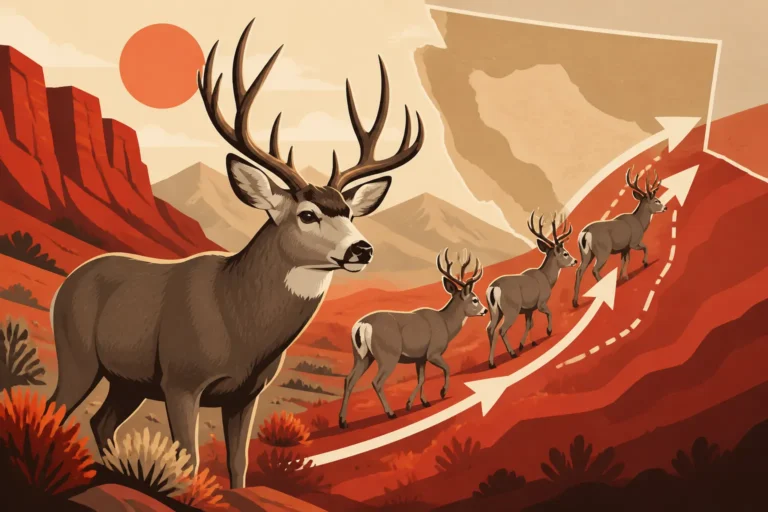
Recently, the WGFD has identified several areas where antelope populations have rebounded, making it possible to responsibly issue more licenses. Two of the most notable regions experiencing these positive changes are Carbon and Sweetwater counties. These areas, particularly, have seen some significant Carbon and Sweetwater County Pronghorn Gains, demonstrating strong population health and successful recruitment.
Historically, these counties have been home to some of Wyoming's most robust antelope herds, but like any wildlife population, they've had their ups and downs. The recent increases are largely a result of milder winters that have allowed a higher percentage of fawns to survive and mature, leading to an overall healthier and growing population. When you look at The Wyoming Pronghorn Population Estimate Explained statewide, you'll see these local surges contribute significantly to the broader picture.
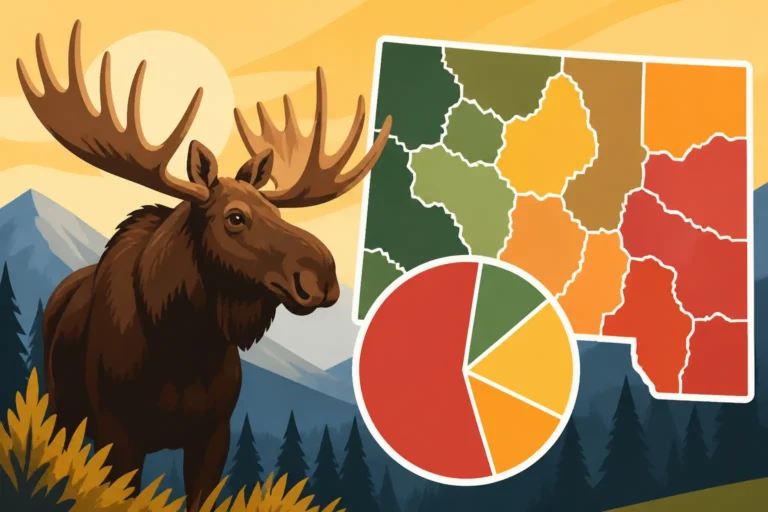
For hunters, this is fantastic news. These are typically vast, open sagebrush environments where spot-and-stalk hunting for antelope is absolutely classic. More tags mean more people will have the chance to experience the thrill of chasing these animals across the plains. It's always a good idea to dig into the WGFD's proposed regulations each year to pinpoint the exact hunt areas (units) that have seen these increases. Websites like GoHunt often aggregate this data, making it easier to visualize where the opportunities lie. Remember that Reading an Antelope Hunt Unit Map is crucial for understanding the specific boundaries where these quota changes apply.
The Impact on Draw Odds and Hunter Opportunity
The direct effect of increased antelope quotas is, quite simply, more hunter opportunity. While increased quotas don't guarantee you a tag – drawing for Wyoming antelope, especially as a non-resident, is still competitive – they certainly tilt the odds in your favor. If a hunt area previously offered 100 tags and now offers 150, your chances of drawing one of those 50 additional tags just went up.
This is particularly relevant for those who might be sitting on fewer preference points, or even those considering applying for a tag with zero points. While it's still challenging to draw premier units with no points, increased quotas in certain areas could make a "sleeper" unit suddenly more viable. Tools like the insider information found on GoHunt can help you analyze past draw odds in conjunction with proposed quota changes, giving you a strategic edge. For instance, if you're exploring Wyoming Antelope Odds With Zero Preference Points, identifying units with recently boosted quotas could be a game-changer for your application strategy. This allows hunters who might have been hesitant to apply in certain regions to re-evaluate their choices, potentially leading to a successful draw in an area that previously felt out of reach.
Navigating Quota Information for Your Hunt Plan
Hunting in Wyoming, particularly for antelope, demands a solid understanding of the regulations and application process. With changing quotas, it becomes even more critical to stay on top of the latest information to maximize your chances of success. It's not just about applying; it's about applying smart.
How to Find the Latest Quota Information
The absolute best and most official source for current quota information is always the Wyoming Game and Fish Department (WGFD) website. They publish their annual regulation booklets for each species, which detail all the hunt areas, season dates, and of course, the finalized quotas. These booklets are typically available online well in advance of the application deadlines. It's a goldmine of information, and you should make it your first stop.
Beyond the official WGFD site, several excellent third-party platforms compile and interpret this data, making it more digestible for hunters. GoHunt is a prime example, offering detailed draw odds, application strategies, and frequently updated information on quota changes across various western states, including Wyoming. These platforms often provide analysis that can help you understand the nuances of the data, such as which specific Which Wyoming Counties Hold the Most Antelope are seeing the biggest changes or how those changes compare to previous years. Regularly checking these resources, especially as the application period approaches, ensures you're working with the most current data. Don't forget to familiarize yourself with The Wyoming Hunt Planner tool available on the WGFD site, which can also help visualize hunt areas and regulations.
Planning Your Hunt Around Quota Changes
Armed with the latest quota information, you can strategically refine your application. If you notice significant increases in quotas for certain hunt areas, especially those you've been eyeing, it might be time to adjust your preference point strategy. Perhaps an area that once seemed impossible to draw suddenly becomes a viable option. It's worth considering applying for units where quotas have gone up, as your chances, statistically speaking, will be better.
For those looking to increase their odds even further, or who prioritize meat in the freezer over a trophy buck, exploring doe/fawn tags is often a smart move. Many areas with increased buck quotas will also have ample doe/fawn licenses available, which are typically much easier to draw and can offer a fantastic hunting experience. Learning about Doe and Fawn Antelope Licenses Explained can broaden your options significantly. Remember that antelope are incredibly alert, and successful stalks often involve understanding their impressive Pronghorn Eyesight and the Stalking Distance It Forces, no matter what type of tag you hold. Keeping an eye on these quota shifts and integrating them into your research process will ultimately lead to a more informed and potentially more successful hunt planning strategy for Wyoming's incredible pronghorn.
Disclaimer
This article is for general informational purposes only and does not constitute professional advice. Laws, prices and regulations vary by location and change over time. Consult a qualified professional for guidance on your specific situation.