The Predator Zone Wolf Rules Explained
Hunting wolves in Wyoming can feel like navigating a legal minefield, with different rules applying based on where you are in the state. It's not uncommon for hunters to scratch their heads, wondering why one area requires a specific tag and season, while another seems to treat wolves with entirely different regulations. This guide is here to clear up that confusion, specifically explaining the rules for hunting wolves within Wyoming's designated "predator zone," so you can understand what's allowed and what's not, and approach your hunt with confidence and clarity.
Understanding Wyoming's Dual Wolf Management System
Wyoming's approach to wolf management is unique, stemming from a complex history of conservation efforts, livestock concerns, and political negotiations. Unlike many other states that manage wolves uniformly, Wyoming has established a dual system that divides the state into two distinct areas, each with its own set of regulations for wolves. This dichotomy is often the source of confusion for hunters, but understanding its foundation is key to hunting wolves legally and ethically in the Cowboy State.
The Trophy Game Area vs. Predator Zone Divide
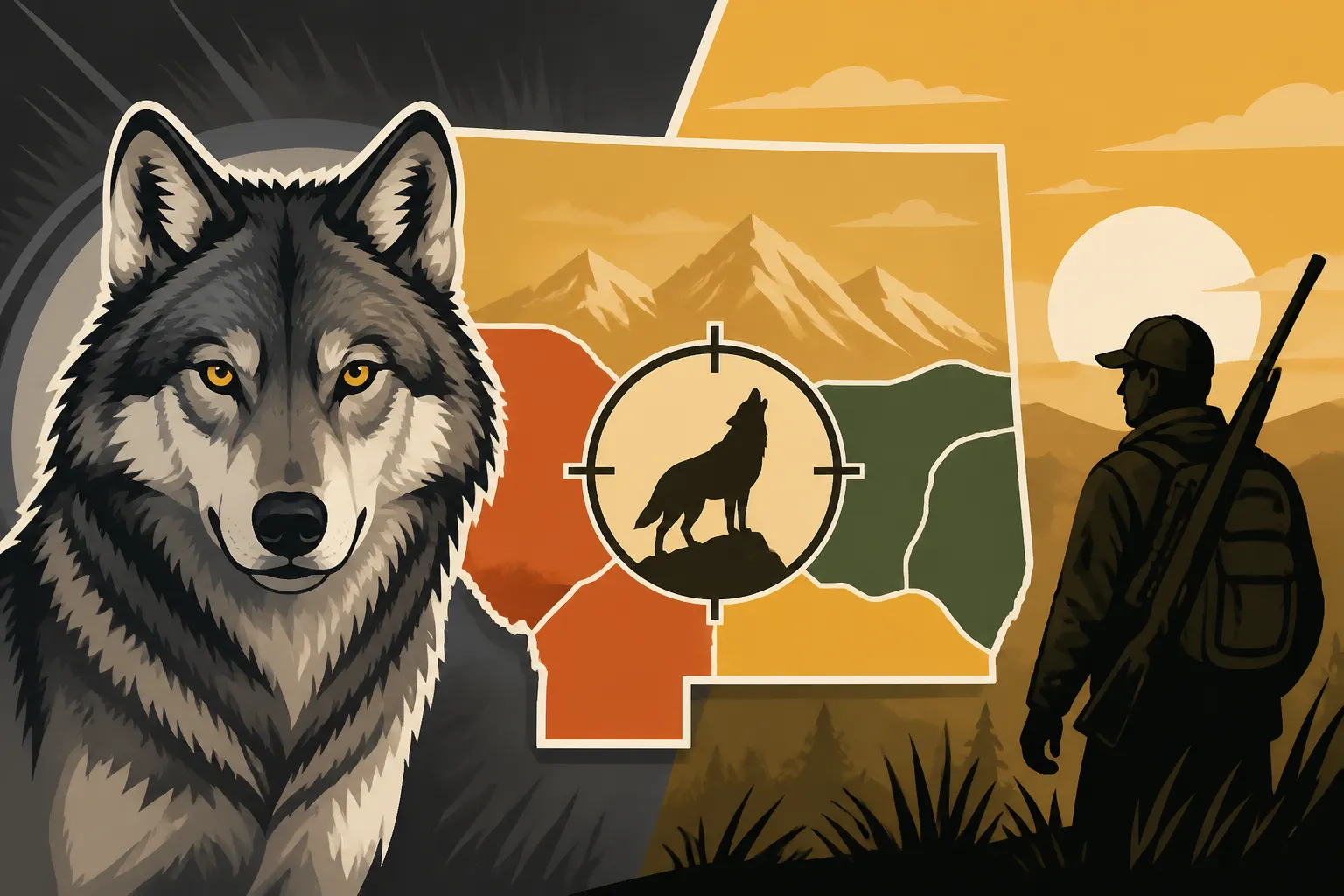
At the heart of Wyoming's wolf management lies a fundamental geographical split: the "Trophy Game Management Area" and the "Predator Zone." The Trophy Game Management Area encompasses the northwestern part of the state, generally corresponding to areas around Yellowstone and Grand Teton National Parks, and some adjacent national forest lands. In this region, wolves are classified as "trophy game animals," akin to elk, deer, or bear. This means they are managed by the Wyoming Game and Fish Department, with specific hunting seasons, draw-based licenses, strict quotas, and designated hunt areas. It's a highly regulated system designed for sustainable harvest and population management within specific parameters.
Conversely, the vast majority of the rest of Wyoming falls under the "Predator Zone." Here, wolves are classified as "predatory animals." This designation means they are not managed by the Game and Fish Department in the same way, but rather fall under a different legal framework. The intention behind this classification is to allow for broader control and removal of wolves outside the primary recovery areas, largely in response to concerns from agricultural communities about livestock depredation and from other hunters regarding impacts on big game populations. This legal distinction is not just a matter of semantics; it dramatically changes the rules of engagement for anyone looking to hunt wolves. Knowing Where Wyoming's Gray Wolf Trophy Boundary Runs is absolutely essential before you even think about heading out.
The Philosophical Underpinnings of Each Zone
The two zones reflect different management philosophies. In the Trophy Game Area, the goal is typically to manage a stable, sustainable wolf population that contributes to ecosystem health while allowing for limited, regulated hunting opportunities. Hunters here participate in a traditional big game season, applying for limited tags and adhering to specific dates, methods, and reporting requirements. It's a system that values the wolf as a wildlife resource, subject to conservation principles and careful population monitoring. The rules here are designed to prevent overharvest and ensure the species' long-term viability within those designated areas.
In the Predator Zone, however, the management philosophy shifts significantly. Wolves are regarded as a species that can negatively impact livestock and other wildlife populations, and as such, their control is given more latitude. The legal framework here grants landowners and hunters more flexibility in taking wolves, often without the same stringent regulations found in the trophy zone. This approach prioritizes mitigating conflicts and managing wolf numbers to protect agricultural interests and perceived impacts on elk, deer, and other species. It's a more utilitarian view, where the focus is on population reduction and conflict resolution rather than game management for sport harvest in the traditional sense.
Specific Rules for Hunting Wolves in the Predator Zone
Now that we understand the two different management philosophies, let's dive into the practicalities of hunting wolves specifically within Wyoming's Predator Zone. This is where things become refreshingly straightforward for some, and perhaps surprisingly unregulated compared to trophy game species. The rules here are designed to allow for efficient control of wolf populations, giving hunters a great deal of flexibility, but also placing a higher emphasis on individual responsibility and ethical conduct.
Licensing and Legal Requirements
One of the most striking differences when hunting wolves in the Predator Zone is the lack of specific licensing. That's right, outside the Trophy Game Area, you generally do not need a specific wolf hunting license or tag. This is a common point of confusion, as most hunters are accustomed to purchasing a tag for every species they pursue. However, because wolves are classified as "predatory animals" in this zone, they fall outside the conventional big game licensing structure. This means that a resident or nonresident hunter can typically hunt wolves in the Predator Zone without drawing a special permit or purchasing a specific wolf tag. It is a stark contrast to What a Wyoming Wolf Hunting License Costs in the trophy zone.
However, there's a crucial nuance: while you don't need a wolf-specific license, you still need to be legally hunting. If you're on public land and carrying a firearm capable of taking big game, you generally need to possess a valid Wyoming hunting license for something, even if you're primarily pursuing wolves. This is often satisfied by holding a conservation stamp and a general hunting license for another species, even if you don't intend to hunt that other species. It covers your legal presence in the field with a firearm. Always confirm the most current general requirements for carrying firearms on public land, as laws can shift. On private land, with permission, the requirements might be even less restrictive, but always, always have explicit landowner permission.
Methods of Take and Allowed Equipment
In the Predator Zone, hunters typically have a broad range of options for methods of take. Unlike the often-strict regulations for big game, which might limit archery or muzzleloader seasons, wolf hunting in the Predator Zone is far less restrictive. You can generally use any legal firearm, which includes rifles, shotguns, and handguns, without caliber or projectile limitations common for big game. This allows hunters to choose the most effective and humane method for their particular situation and desired range.
Beyond firearms, hunters also have access to various tools that might be restricted for other species. Electronic calls, for instance, are widely permissible for predators like wolves. This means you can use an electronic device to mimic wolf howls, distress calls, or other animal sounds to draw them in, which is often a very effective strategy. For more details on this, you might look into Electronic Calls for Predators and Varmint Hunting. Additionally, night hunting for predators is allowed in many areas, though specific local ordinances or private landowner rules could still apply, so it's always worth double-checking. If you're considering hunting after dark, understanding rules similar to Is Night Hunting Legal for Coyotes Out West? can be helpful as the general predator rules often align. Trapping wolves is also permitted in the Predator Zone, though it requires a separate trapping license and adherence to specific trapping regulations, which are distinct from hunting rules. You'll also find that rules against baiting big game don't necessarily apply to predator hunting, though it's always wise to check for any nuances, especially regarding certain attractants. Baiting Black Bear Against Baiting Big Game in Wyoming discusses where baiting is and isn't allowed for other species, giving you a sense of the careful distinctions.
Season Dates and Bag Limits
Prepare for another significant difference: in the Predator Zone, wolves can typically be hunted year-round, and there is generally no bag limit. This is a dramatic departure from the highly structured seasons and strict quotas associated with big game and trophy game animals. The lack of seasonal restrictions means you can pursue wolves whenever you have the opportunity, fitting hunts into your schedule without worrying about specific opening or closing dates. The absence of a bag limit means that if you are successful, you are not restricted to taking only one or two animals in a season; you can continue to hunt and contribute to predator management efforts.
This flexibility is a direct consequence of their "predatory animal" classification. The state's intent here is to allow for continuous management and removal, especially where wolves are impacting livestock or big game herds. While this offers immense freedom to hunters, it also underscores the responsibility to hunt ethically and respect private property. Even with no official "season," timing your hunt to coincide with vulnerable periods, like winter when wolves are more visible against snow or when ungulate herds are concentrated, can be highly effective. The year-round nature of the hunt also makes it an excellent opportunity for those who might not draw a coveted big game tag but still want to experience a challenging hunt in Wyoming's vast landscapes.
Practical Considerations for Predator Zone Wolf Hunting
Even with the comparatively lenient regulations in Wyoming's Predator Zone, successful and responsible wolf hunting requires careful planning and a deep understanding of the practical challenges involved. This isn't like sitting in a treestand on a food plot; it's often a demanding hunt that tests your woodsmanship, patience, and resolve. From finding suitable ground to navigating ethical concerns, there are several key considerations to keep in mind.
Public vs. Private Land Access
Access is, without a doubt, one of the most critical factors for hunting wolves in the Predator Zone. Wyoming is a checkerboard of public and private land, and while the Predator Zone covers a massive expanse, knowing where you can legally hunt is paramount. Much of the prime wolf habitat might be on vast tracts of Bureau of Land Management (BLM) land, National Forests, or State Trust Lands, but interspersed with private ranches. Understanding these boundaries is non-negotiable. Using a reliable mapping application, such as GoHunt's mapping tools, becomes an invaluable asset for identifying public land parcels, distinguishing them from private holdings, and scouting potential access points. This kind of detailed land ownership information can literally make or break your hunt.
If you plan to hunt on private land, securing explicit permission from the landowner is absolutely essential. Trespassing is a serious offense and can quickly sour relationships between hunters and landowners, potentially jeopardizing future access for everyone. Many ranchers who experience wolf depredation are amenable to granting permission, but you must ask respectfully and follow their rules. For public land, always be mindful of seasonal road closures, wilderness area restrictions, and other access regulations. Sometimes public lands can be "landlocked" by private holdings, making access difficult without permission. Learning How to Reach Landlocked Public Land in Wyoming can save you a lot of frustration and keep you on the right side of the law.
Ethical Hunting Practices and Public Perception
Just because wolves are designated as "predatory animals" in this zone and don't carry the same regulations as trophy game, it doesn't diminish the ethical responsibility of the hunter. On the contrary, responsible and ethical hunting practices are arguably even more important when pursuing wolves in the Predator Zone. This means prioritizing clean, humane kills, making sure you have a clear shot, and being proficient with your chosen weapon. Wounding an animal and losing it is unacceptable regardless of the species.
Public perception of wolf hunting is often contentious, and engaging in disrespectful or unethical behavior reflects poorly on all hunters. Even in areas where wolves are legally managed as predators, there can be strong feelings from non-hunting segments of the public. Therefore, conducting yourself with professionalism, respecting wildlife, and adhering to all laws helps to maintain the integrity of hunting. Being transparent about your intentions if asked, and educating others about the management rationale, can contribute positively to the conversation.
Locating Wolves in the Predator Zone
Finding wolves in Wyoming's vast landscapes is a challenge, but a rewarding one. Wolves are intelligent, elusive animals with large home ranges. Successful hunters typically spend considerable time scouting, both physically and through e-scouting tools. Pay attention to areas with high concentrations of their primary prey species, such as elk, deer, and moose. River bottoms, timbered fringes, and remote, rugged country are often good starting points. Look for tracks, scat, and kill sites. E-Scouting a Unit Before the Season Opens can provide invaluable insights into terrain features and potential habitat.
Calling is a highly effective tactic for wolves. Mimicking distress calls (like a fawn in distress) or wolf howls can often bring them in, especially during the colder months when they might be more actively searching for food. Understanding pack dynamics and typical behaviors will significantly increase your odds. Remember, patience is crucial. Wolves might respond quickly, or they might circle downwind for an hour before revealing themselves. Utilizing mapping apps like GoHunt can help you identify remote areas with less human pressure and analyze topography for good calling setups, helping you predict their approach vector.
Staying Informed and Avoiding Common Pitfalls
Hunting in the Predator Zone offers incredible opportunities, but the flexibility comes with a greater personal responsibility to stay informed and avoid missteps. Given the differences in regulations across the state and the dynamic nature of wildlife management, what was true last year might have changed this year. Being proactive in understanding the rules is your best defense against unintended legal trouble.
Regulatory Changes and Local Enforcement
Wildlife regulations are not static; they are reviewed and updated annually. While the core "predator zone" designation for wolves has been fairly consistent, specific nuances or interpretations can change. It's imperative that you consult the most current Wyoming Game and Fish Department regulations every single year before heading out. Don't rely on information from previous seasons or word-of-mouth. These regulations are typically available online and in print. Pay close attention to any changes concerning predatory animals or general hunting requirements.
Additionally, always remember that local game wardens and other law enforcement officials are the ultimate authority in the field. They are well-versed in the specifics of their districts and can provide clarification on any ambiguous rules. If you have questions, it's always better to ask beforehand than to find yourself in a tricky situation later. A friendly call to the local Game and Fish office can save you a lot of headache. Understanding How Wyoming Numbers Its Hunt Areas can help you pinpoint exactly which regulations apply to your chosen spot.
Understanding the "Predator Zone" Boundary
Perhaps the most critical pitfall to avoid is inadvertently crossing the boundary between the Predator Zone and the Trophy Game Management Area. The consequences of shooting a wolf in the Trophy Game Area without a valid tag are severe, potentially leading to hefty fines, forfeiture of equipment, and loss of hunting privileges. These boundaries are often not marked on the ground, making reliance on modern mapping technology absolutely essential.
Before your hunt, meticulously study the official boundary maps provided by the Wyoming Game and Fish Department. Load these maps onto a reliable GPS device or use a robust hunting app like GoHunt. This allows you to see your precise location relative to the boundary in real-time. Do not guess. Do not assume. Always verify your position. Even a few yards across an unmarked line can transform a legal predator hunt into a serious violation. Double-checking Where Wyoming's Gray Wolf Trophy Boundary Runs cannot be overemphasized, as this information is foundational to legal wolf hunting in the state.
| Feature | Trophy Game Management Area (TGMA) | Predator Zone (Rest of State) |
|---|---|---|
| Legal Classification | Trophy Game Animal | Predatory Animal |
| Management Body | Wyoming Game and Fish Department | General state statutes; local control may vary |
| License/Tag | Specific wolf license/tag required (draw/quota based) | No specific wolf license/tag required (general hunting license may be advised for public land) |
| Season Dates | Specific, limited seasons set by Game and Fish | Year-round |
| Bag Limit | Strict bag limits (e.g., one per hunter per season) | No bag limit |
| Methods of Take | Regulated (e.g., fair chase, specific weapon restrictions) | Broadly permissible (e.g., most firearms, electronic calls, night hunting often allowed) |
| Reporting | Mandatory harvest reporting | Generally no harvest reporting requirements |
| Goal | Sustainable population management, regulated harvest | Conflict mitigation, population reduction, livestock protection |
This article is for general informational purposes only and does not constitute professional advice. Laws, prices and regulations vary by location and change over time. Consult a qualified professional for guidance on your specific situation.