Why Sage Grouse Populations Worry Biologists
It's a tough pill to swallow when you see something so iconic to Wyoming struggling, and for many of us who cherish the open sagebrush country, the declining sage grouse populations are a genuine cause for concern. These unique birds are more than just a hunting target; they're a vital part of our ecosystem, and their struggles often signal deeper issues affecting the health of the very landscapes we love to explore. This guide will walk you through why biologists and conservationists are so worried about sage grouse, what factors contribute to their vulnerability, and how we can all play a part in their future.
The Plight of the Sage Grouse: A Bellwether Species
When we talk about sage grouse, we're not just discussing another bird. These incredible creatures are deeply tied to the vast sagebrush steppe of the American West, especially right here in Wyoming. Their well-being serves as a powerful indicator for the health of an entire ecosystem that supports countless other species, from mule deer to pronghorn.
What Makes Sage Grouse Unique?
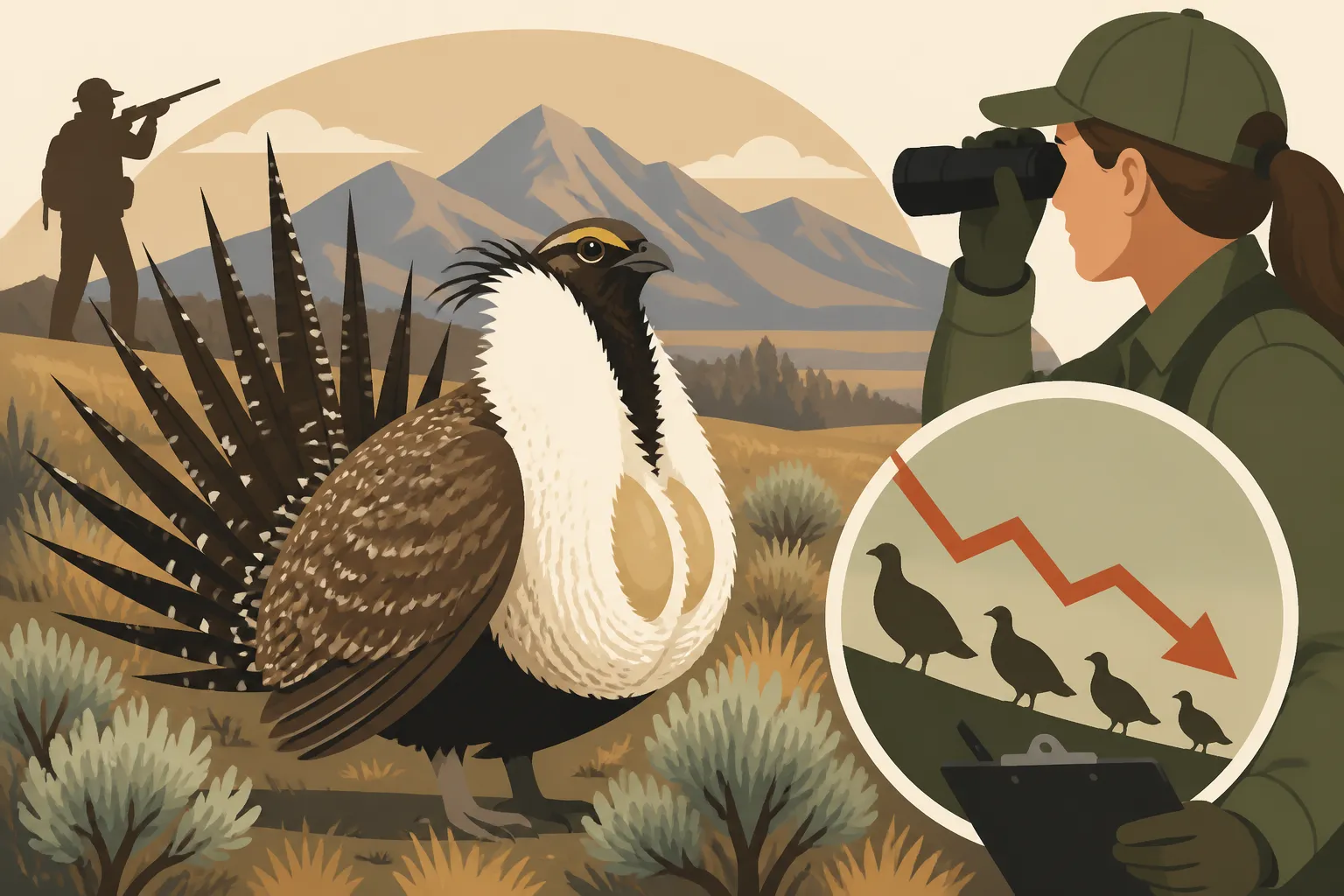
Sage grouse are truly something special. Their entire lives revolve around the sagebrush plant – they eat its leaves, hide in its cover, and rely on it for shelter from predators and the harsh Wyoming weather. Come spring, the males put on one of nature's most spectacular shows on communal breeding grounds known as "leks." Watching them strut, fan their tail feathers, and inflate those bright yellow air sacs on their chests, producing a distinctive popping sound, is an experience every outdoors enthusiast should witness at least once. It's an ancient ritual, passed down through generations, and it's a testament to the wild spirit of our state. Without healthy sagebrush landscapes, these leks cannot persist, and the sage grouse's unique life cycle breaks down.
Why Their Decline Matters So Much
The sage grouse is often called a "bellwether species," meaning its health is a direct reflection of the health of its habitat. Think of it like a canary in a coal mine. When sage grouse populations are in trouble, it tells us that the expansive sagebrush ecosystem, which supports so many other species, is also under stress. This isn't just about one bird; it's about the intricate web of life that makes Wyoming's high desert unique. If the sagebrush habitat degrades to the point where grouse can't thrive, it impacts everything else: the availability of forage for elk and deer, nesting sites for other ground-dwelling birds, and crucial winter range for countless animals. Their decline signals a broader ecological imbalance that affects the very fabric of our wild places. It's a wake-up call that demands our attention, whether we're hunters, ranchers, or simply lovers of the Wyoming landscape.
Understanding the Threats to Wyoming's Sage Grouse
The challenges facing sage grouse are complex and interconnected, often stemming from human activities that alter their critical habitat. It's not just one big thing; it's a combination of pressures that chip away at their ability to survive and reproduce.
Habitat Loss and Fragmentation
This is arguably the biggest threat to sage grouse. Wyoming's sagebrush country, while seemingly endless, is being increasingly broken up and reduced. Energy development, particularly oil and gas, means roads, well pads, and power lines crisscrossing once undisturbed areas. While these industries are vital to our economy, their footprint can fragment the very habitat sage grouse need for survival. Agricultural expansion, even if it's just tilling a new field, removes sagebrush permanently. Even fences, while necessary for ranching, can become barriers or collision hazards for grouse, especially near leks. Urban and exurban sprawl, though less extensive than in other states, also plays a role around communities. When you break up large, continuous swathes of sagebrush, you create smaller, isolated pockets where grouse populations become more vulnerable to other threats and genetic isolation. It's a death by a thousand cuts for a species that needs vast, undisturbed spaces.
Predation and Disease
While predators like coyotes, foxes, badgers, and raptors are a natural part of the sagebrush ecosystem, their impact can become disproportionate when habitat is degraded. Human activities, such as building roads or planting trees in open sagebrush, can inadvertently create perches for raptors or travel corridors for mammalian predators, giving them an unnatural advantage over ground-nesting birds like sage grouse. More fragmented habitat also means less cover for young chicks, making them easier targets. Disease also poses a significant threat. West Nile Virus, for example, is carried by mosquitoes and can decimate local sage grouse populations, especially during outbreaks. These outbreaks can be more severe in areas where water sources are altered or where birds are concentrated in smaller areas due to habitat loss. It's a constant struggle for these birds, and anything that tips the balance further against them is a serious concern.
Climate Change and Drought
The changing climate presents a growing, unpredictable threat to sage grouse. Wyoming is no stranger to drought, but prolonged periods of dry weather, exacerbated by climate shifts, can have devastating effects. Sage grouse rely on tender forbs and insects in the spring and summer, especially for their chicks, to get the protein and moisture they need to grow. Extended droughts dry up these crucial food sources, leading to poor chick survival rates. Furthermore, altered weather patterns can impact the timing of snowmelt and plant green-up, potentially mismatching the grouse's breeding and nesting cycles with the availability of critical resources. Extreme weather events, such as unusually harsh winters or sudden, severe storms, can also impact adult survival. These environmental stressors add another layer of vulnerability to a species already under pressure from habitat loss, making recovery even more challenging. GoHunt provides useful resources that help hunters understand how climate conditions might be impacting game populations and access.
The Role of Conservation Efforts and Management
Thankfully, the challenges facing sage grouse are not going unnoticed. There are dedicated efforts at multiple levels to protect and restore these iconic birds and their sagebrush homes.
Collaborative Conservation Initiatives
Protecting a species that ranges across millions of acres, often on a patchwork of private and public land, requires a truly collaborative approach. In Wyoming, and across the West, federal agencies, state wildlife departments, private landowners, conservation groups, and even industry are coming together. Programs like the Sage-Grouse Initiative (SGI) work directly with ranchers to implement practices that benefit both livestock and sage grouse, such as rotational grazing, removing invasive conifers, and improving water sources. These efforts recognize that private landowners are critical stewards of much of the sage grouse habitat. State agencies, including our own Wyoming Game and Fish Department, actively monitor populations, conduct research, and implement targeted habitat projects. It's a massive undertaking, built on the understanding that no single entity can solve this problem alone, and that true conservation happens when everyone at the table commits to a shared goal.
Balancing Energy Development with Wildlife Needs
Wyoming is a state rich in natural resources, and responsible energy development is a key part of our economy. The challenge lies in balancing these economic needs with the imperative to protect our wildlife. For sage grouse, this means implementing strategies to minimize the impact of oil, gas, and renewable energy projects. This might include directional drilling to reduce surface disturbance, reclaiming disturbed lands quickly, or implementing seasonal restrictions on activity near active leks. Efforts are often made to site new infrastructure in areas that are already disturbed or to consolidate facilities to reduce fragmentation. It's a constant negotiation and innovation process, where the goal is to extract resources in a way that allows sage grouse and other wildlife to persist and thrive. Hunters can research specific areas they intend to hunt through platforms like GoHunt to understand if there are specific energy development impacts they might encounter.
Hunter Contributions to Conservation
Hunters have always been, and continue to be, some of the most ardent conservationists. Every time you purchase a hunting license or a Wyoming Conservation Stamp and Who Needs One, a significant portion of those funds goes directly to wildlife management and habitat improvement projects. This includes vital work for sage grouse, even if you're primarily pursuing elk or deer. Hunters also contribute by being eyes and ears on the ground, reporting unusual observations, and participating in habitat restoration efforts. Ethical hunting practices, respecting closures, and understanding the ecology of the animals we pursue are all ways hunters directly support the broader conservation mission. It’s a proud tradition of giving back more than we take, ensuring that these wild places and wild creatures are here for future generations.
What Hunters Can Do to Help Support Sage Grouse
As hunters, we have a unique connection to the land and its wildlife. Our actions in the field, and our choices outside of it, can make a real difference for sage grouse. It's about being a conscious steward of the wild.
Respecting Seasonal and Area Closures
One of the simplest yet most effective ways to help sage grouse is to understand and respect seasonal and area closures. You'll often find closures around active leks during the spring breeding season, or restrictions on vehicle access to specific winter range areas. These closures aren't put in place to inconvenience you; they are designed to give these vulnerable birds the space and quiet they need during critical periods of their life cycle. Disturbing a lek can cause birds to abandon it, directly impacting reproductive success. Driving off-road in crucial winter habitat can stress birds when they are already trying to conserve energy. Always check the current regulations for your Wyoming sage grouse season dates and bag limits and any specific unit you plan to hunt or recreate in. A little research can go a long way in ensuring you're not inadvertently harming the very populations you hope to see thrive.
Responsible Land Use and Education
Being a responsible user of our public and private lands is paramount. This means staying on designated roads and trails, avoiding sensitive areas, and practicing Leave No Trace principles. Every time we leave litter, build an illegal fire ring, or drive where we shouldn't, we contribute to habitat degradation. Educate yourself about sage grouse and their habitat needs. The more you understand about their life cycle, their reliance on sagebrush, and the threats they face, the better equipped you'll be to make responsible decisions in the field. Share that knowledge with friends and family. Even if you're not specifically hunting grouse, understanding their ecology deepens your appreciation for the entire ecosystem. Tools like GoHunt can help you identify public land boundaries and potentially sensitive habitat areas, helping you plan your outdoor adventures responsibly. Remember, our individual actions accumulate, and responsible choices contribute to a healthier landscape for everyone.
Supporting Conservation Organizations
While our license fees contribute significantly, there are many dedicated conservation organizations working directly on sage grouse habitat restoration and protection. Organizations like the Mule Deer Foundation, Rocky Mountain Elk Foundation, and the National Wild Turkey Federation often undertake projects that have broader benefits for sagebrush ecosystems. Supporting these groups through membership, donations, or volunteering your time directly contributes to hands-on conservation work. This might include removing invasive species, planting sagebrush, or installing wildlife-friendly fencing. Every bit of support, whether financial or through sweat equity, helps to bolster the efforts of biologists and land managers who are on the front lines of sage grouse recovery. It’s an investment in the future of Wyoming’s wild places and the unique species that call them home.
| Threat Category | Specific Threats | Conservation Actions |
|---|---|---|
| Habitat Degradation | Oil/gas development, agriculture, urban sprawl | Habitat reclamation, directional drilling, conservation easements |
| Habitat Fragmentation | Roads, fences, power lines | Wildlife-friendly fencing, infrastructure consolidation |
| Increased Predation | Perches for raptors, travel corridors for mammals | Conifer removal, habitat restoration to increase cover |
| Disease Outbreaks | West Nile Virus (mosquito-borne) | Monitoring, habitat management to reduce mosquito breeding |
| Climate Change & Drought | Reduced food sources, altered plant cycles, extreme weather | Water source enhancement, resilient habitat management |
| Human Disturbance | Off-road travel, lek disturbance during breeding season | Seasonal closures, public education, responsible recreation |
Disclaimer
This article is for general informational purposes only and does not constitute professional advice. Laws, prices and regulations vary by location and change over time. Consult a qualified professional for guidance on your specific situation.