Where Wyoming Releases Pheasants Each Fall
It's no secret that finding consistent pheasant hunting on public land in Wyoming can feel like searching for a needle in a haystack. While we have some incredible wild bird populations in certain pockets, habitat challenges and harsh winters can make traditional wild pheasant hunting a real tough go for the average hunter. That's why the Wyoming Game and Fish Department's pheasant release program is such a welcome relief, offering fantastic opportunities to get out with your shotgun and dog each fall. This guide is all about shedding light on where those pheasants are typically released, helping you plan a more successful and enjoyable hunt.
The Why and How of Wyoming's Pheasant Stocking Program
Many hunters, myself included, have spent countless hours trudging through promising-looking cover, only to find no feathers flying. It's easy to get discouraged when you're dedicated to ethical hunting but the wild bird numbers just aren't there on public access. This isn't for lack of effort on the part of the Game and Fish, but rather a reflection of the realities of habitat loss and environmental pressures that make robust, self-sustaining wild pheasant populations difficult to maintain in many areas. That's where the stocking program steps in, providing a vital bridge to keep the tradition of pheasant hunting alive and well across the state.
Addressing the Reality of Wild Pheasant Populations
Wyoming is a vast state, but prime pheasant habitat, the kind that can support truly wild, breeding populations, is actually quite limited. These birds thrive in areas with diverse cover: dense cattails for wintering, tall grasses for nesting, and agricultural fields for food. Unfortunately, agricultural practices change, development encroaches, and the extreme weather swings we often experience in Wyoming can decimate wild bird numbers. A severe winter with deep snow can be particularly brutal, making it impossible for pheasants to find food and shelter, leading to significant mortality even in established areas.
When hunters feel that frustration of empty fields, it's often a direct result of these environmental factors. The stocking program, therefore, isn't about creating "easy" hunts but about supplementing these wild populations and ensuring that there's enough game to pursue, especially for new hunters, youth hunters, or those who simply don't have access to private ground with strong wild populations. It’s about managing expectations and delivering on the promise of opportunity.
How the Program Works
The Wyoming Game and Fish Department operates an impressive program to raise and release pheasants specifically for public hunting opportunities. These birds are typically raised in controlled environments, ensuring they are healthy and robust when they hit the ground. The goal isn't necessarily for these birds to establish permanent, breeding wild populations – though some undoubtedly survive and adapt – but to provide a consistent supply for hunters during the designated season.
Releases usually begin around the pheasant opener and continue periodically throughout the season, often weekly or bi-weekly at key locations. This staggered approach helps to spread out hunting pressure and provide fresh birds for hunters throughout the season. These birds, while not "wild" in the sense of being born and raised entirely free, are often quite athletic and provide challenging shooting opportunities once they've had a few days to acclimate to their new surroundings. The success of the program really hinges on careful planning of release dates and locations to maximize hunter success and enjoyment.
Key Public Land Release Sites for Fall Pheasants
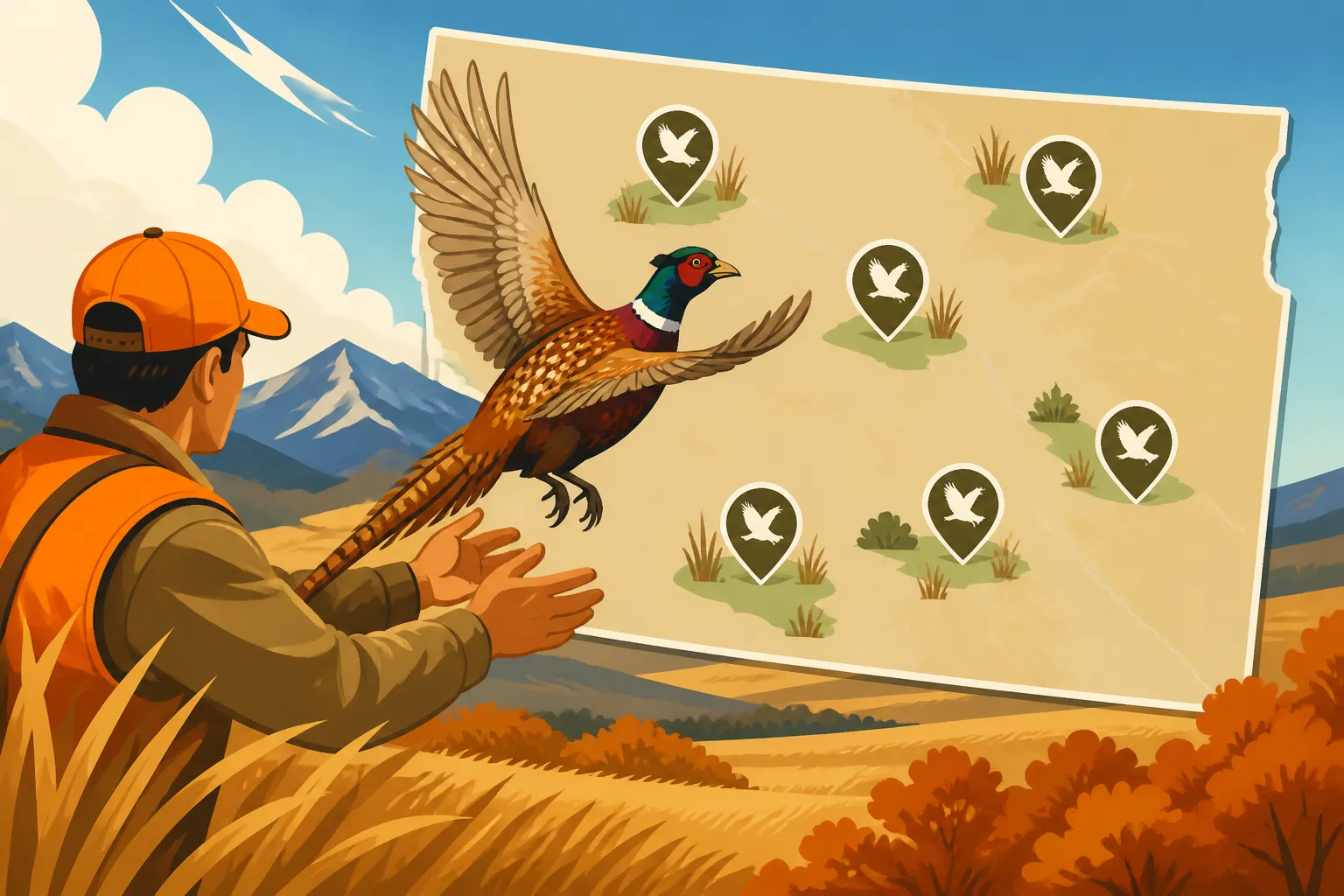
When you're looking for pheasants in Wyoming, especially on public land, knowing the designated release areas is absolutely critical. These aren't random spots; they are carefully selected areas that offer good habitat for the birds, access for hunters, and the infrastructure to manage the releases. For those of us who rely on public access, these locations are goldmines of opportunity. Many hunters use tools like GoHunt to overlay public land maps with potential pheasant habitat to narrow down their search before the season even begins.
Habitat Management Areas HMAs and Specific Locations
Wyoming's Habitat Management Areas (HMAs) are the cornerstone of the pheasant release program. These lands are managed by the Game and Fish Department with specific wildlife goals in mind, making them ideal for stocking. You'll find a variety of cover types within these areas, from dense cattail swamps to cut grain fields and brushy draws. It's this mosaic of habitat that helps the released birds find food and shelter, giving hunters a chance to work their dogs and flush some roosters.
- Springer HMA (Goshen County): Located near Torrington, this HMA is arguably the most well-known and heavily utilized pheasant release site in the state. It's a fantastic area, rich with dense cattail sloughs, standing corn, and brushy draws. The habitat here is specifically managed for pheasants and other upland birds, making it a prime destination. Because it's so popular, be prepared for company, especially on opening weekend and holidays. Working the edges of the cattails and the food plots can be particularly productive.
- Table Mountain HMA (Goshen County): Also in Goshen County, not far from Springer, Table Mountain offers similar excellent habitat. It's another highly managed area that sees regular pheasant releases. You'll find plenty of corn, milo, and other food plots alongside thick cover, making it ideal for working a bird dog. Like Springer, it draws a crowd, so planning your hunt for weekdays or later in the season can offer a more solitary experience.
- Ocean Lake HMA (Fremont County): Over in central Wyoming, near Riverton, Ocean Lake HMA provides a different kind of pheasant experience. While perhaps not as densely populated with released birds as the Goshen County HMAs, it still receives significant attention. The habitat here often includes thick riparian zones, cattails along the lake, and some agricultural fields. It can offer a great opportunity for hunters in the central part of the state who might not want to drive all the way to the eastern plains.
- Yellowstone Wildlife Management Area (Platte County): While not exclusively a pheasant HMA, this area sometimes sees releases or holds good wild bird populations, especially in good habitat years. It’s worth checking the regulations for specific details each season.
Identifying Other Potential Release Areas
While HMAs are the primary focus, the Game and Fish Department sometimes utilizes other state-owned lands or partners with private landowners to expand pheasant hunting access. It pays to do your homework each year. The official Wyoming Game and Fish Department website is your absolute best friend here. They publish annual hunting regulations and often provide maps or lists of specific pheasant release sites. These resources are updated seasonally, so always check the latest version.
Beyond the official lists, use your hunting app, like GoHunt's mapping features, to scout areas digitally. Look for regions that mimic prime pheasant habitat: proximity to water sources, dense shrub cover, standing crops, or even just old, overgrown fence lines that can offer escape cover. Remember, even if an area isn't a "designated" release site, nearby private land releases or naturally occurring wild birds can sometimes spill over into accessible public parcels. Understanding Wyoming's Habitat Management Areas and how they're managed is key to finding consistent success.
Strategies for Hunting Stocked Pheasants in Wyoming
Hunting pheasants, whether wild or stocked, is an exhilarating experience, but stocked birds can present their own unique challenges and opportunities. They might hold tighter or flush wilder depending on how long they've been on the ground and how much pressure they've experienced. Success often comes down to understanding the birds' behavior and employing the right tactics.
Timing Your Hunt for Freshly Released Birds
The timing of your hunt in relation to the release schedule can make a huge difference. Freshly released birds, often still a bit disoriented from transport, tend to hold very tight to cover. This is when a good flushing dog can really shine, as birds might not run as much, allowing for closer flushes and better shooting opportunities. If you can hunt shortly after a known release, you might experience some of the best action of the season.
However, hunting freshly released birds can also mean encountering more hunters. Popular HMAs on weekends, especially during the first few weeks of the season, can feel like a pheasant hunting convention. If you prefer a more solitary experience, consider hunting mid-week or later in the day. Birds that have been on the ground for a few days or weeks, and have been pushed by other hunters, become much more "educated." They learn to run, hide better, and can flush out of range, making them incredibly challenging to hunt, almost like wild birds.
Tactics for Success on Public Release Sites
Successfully hunting stocked pheasants requires a blend of strategy, patience, and often, a good bird dog.
- Work the Cover Thoroughly: Don't just walk through. Pheasants love thick, nasty cover – cattails, dense willow thickets, thorny bushes, and tall weeds. These are the places they feel safe. Work these areas slowly and methodically. If you have a dog, let them do their job and trust their nose. When you're in heavy cover, it's easy to miss birds that are holding tight, so move slowly and be ready for a sudden flush.
- Hunt with a Dog: A well-trained bird dog is almost indispensable for pheasant hunting, especially for finding downed birds in thick cover. They'll locate birds you'd walk past and retrieve birds that would otherwise be lost. Whether it's a pointing dog or a flushing dog, their ability to cover ground and find scent is unmatched. Make sure your dog is up to date on its training and well-conditioned for the outing. Check out Bird Dog Rules for Upland Game Hunting for more on what's expected.
- Use Blocking and Pushing: If you're hunting with a group, coordinate your efforts. One or two hunters can push through a block of cover, while others position themselves at the end to intercept running or flushing birds. This strategy is particularly effective in longer, narrower strips of cover or along the edges of fields. Just be sure to communicate clearly and always be aware of where other hunters are for safety.
- Be Patient and Persistent: Not every piece of cover will hold a bird, and you might walk a lot of ground before hearing that exhilarating cackle. Keep at it. Pheasants can be anywhere within suitable habitat. Don't be afraid to revisit areas, as new birds might have been released or old birds might have moved in.
- Respect Other Hunters: Public release sites can get crowded. Be courteous, give other hunters space, and understand that everyone is there for the same reason. Safety should always be your top priority. Wearing blaze orange is not just a good idea, it's often a legal requirement, particularly during rifle seasons that overlap with upland bird hunting.
Planning Your Wyoming Pheasant Adventure
A successful pheasant hunt isn't just about showing up at the right spot; it's about preparation. From understanding the rules to having the right gear, a little planning goes a long way in Wyoming. It’s also important to remember that general hunting principles, such as those covered in Reading Wind on an Open-Country Stalk, can apply even to bird hunting, especially when considering how scent might carry when working your dog.
Checking Regulations and Season Dates
Wyoming's hunting regulations are comprehensive and change annually, so it's absolutely vital to consult the current year's regulations booklet. This booklet will detail everything you need to know:
- Season Dates: When the pheasant season opens and closes. Remember, these can vary by region or even specific HMA. You can find more detail on Wyoming's Pheasant Opener and Bag Limit.
- Bag and Possession Limits: How many pheasants you can harvest per day and how many you can have in your possession. You'll want to review The Pheasant Bag Limit Explained.
- License Requirements: What hunting licenses you need (e.g., small game license, conservation stamp).
- Hunter Management Area (HMA) Rules: Many HMAs require a free permit or sign-in, which helps the Game and Fish manage pressure and track hunter effort. You can learn more about Hunter Management Areas Do Need One.
- Blaze Orange Requirements: Whether blaze orange is required, especially during rifle big game seasons.
The Wyoming Game and Fish Department website is the official source for this information. Don't rely on old booklets or hearsay. A quick check before you head out can save you a lot of grief. Using resources like GoHunt can also help you find current regulations linked to specific units.
Essential Gear and Dog Considerations
Having the right gear makes your hunt safer and more enjoyable. Think beyond just your shotgun and shells.
- Shotgun and Ammunition: A 12- or 20-gauge shotgun is standard for pheasants. Use lead shot in appropriate sizes (e.g., 4, 5, or 6 shot) unless regulations for a specific area require non-toxic shot. Always carry enough shells, as pheasants can be tough birds to bring down.
- Protective Clothing: Pheasant hunting often means pushing through thick, thorny cover. Invest in good briar-proof pants or chaps, a durable hunting coat, and sturdy, waterproof boots. You'll thank yourself when you're not getting scratched up or soaked.
- Blaze Orange: This is crucial for safety, especially on crowded public lands or when hunting during big game seasons. A blaze orange vest and hat make you highly visible to other hunters.
- Dog Gear: If hunting with a dog, bring plenty of water for them, a leash, and maybe a protective vest to prevent injuries from briars or sharp stubble. Always pick up after your dog. Remember, even on public land, many HMAs have specific rules about where and when dogs can be off-leash, so always check first.
- Navigation Tools: A good GPS unit or a reliable mapping app on your phone (like GoHunt) is invaluable for staying on public land, navigating thick cover, and marking where you've found birds. Having downloaded maps for offline use is a smart move, as cell service can be spotty in many remote areas of Wyoming.
- Water and Snacks: Staying hydrated and fueled is important for both you and your dog, especially when covering a lot of ground in varying weather.
- Game Vest/Bag: A comfortable vest or bag to carry your birds, extra shells, and other small gear.
Table of Common Pheasant Release Areas
| HMA (Habitat Management Area) | County | Primary Cover Types | Notes |
|---|---|---|---|
| Springer HMA | Goshen County | Cattails, corn, milo, brushy draws | Very popular, high hunting pressure. Check for HMA permits. |
| Table Mountain HMA | Goshen County | Corn, milo, tall grass, riparian areas | Similar to Springer, can be crowded. Check for HMA permits. |
| Ocean Lake HMA | Fremont County | Riparian zones, cattails, agricultural fields | Offers opportunities in central Wyoming. Check for HMA permits. |
| Yellowstone WMA | Platte County | Grasslands, some dense cover near water | Potential for released birds, check current year regulations. |
| Sand Mesa HMA | Fremont County | Sagebrush, pockets of riparian, some food plots | Primarily known for other species, but worth checking seasonally. |
This table provides a snapshot, but remember to always consult the current Wyoming Game and Fish regulations for the most up-to-date and specific information on release sites and requirements. Some areas, like Wyoming State Trust Land Hunting, may also hold pheasants but typically not through a formal stocking program, making them more of a wild bird opportunity.
Disclaimer
This article is for general informational purposes only and does not constitute professional advice. Laws, prices and regulations vary by location and change over time. Consult a qualified professional for guidance on your specific situation.