The Turkey Hunting Units Explained
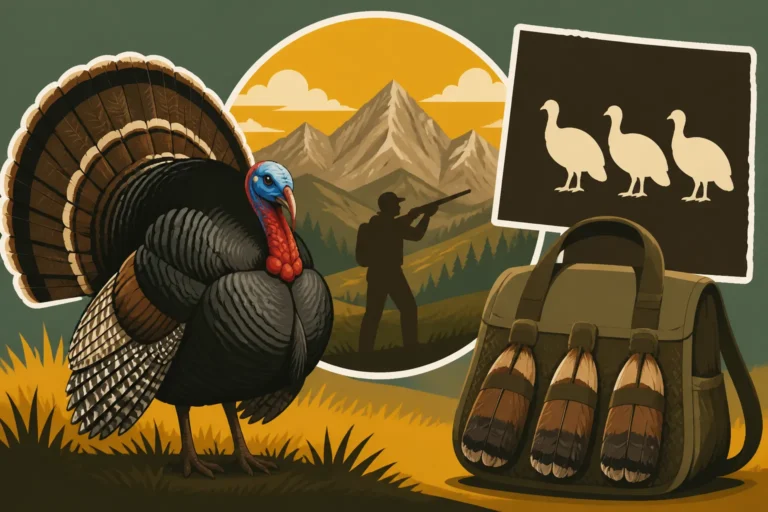
For many hunters, when you mention Wyoming, their minds immediately jump to giant elk, elusive mule deer, or fast-running antelope. And while those iconic big game species certainly define a huge part of the state's hunting identity, overlooking the fantastic turkey hunting opportunities would be a big mistake. It’s a completely different game out here, and understanding the specific turkey hunting units and what they offer is absolutely crucial for any hunter hoping to fill a tag. This guide will walk you through the nuances of Wyoming's turkey units, helping you decode where to go and what to expect when chasing these wily birds across the Cowboy State.
Understanding Wyoming's Turkey Management Areas
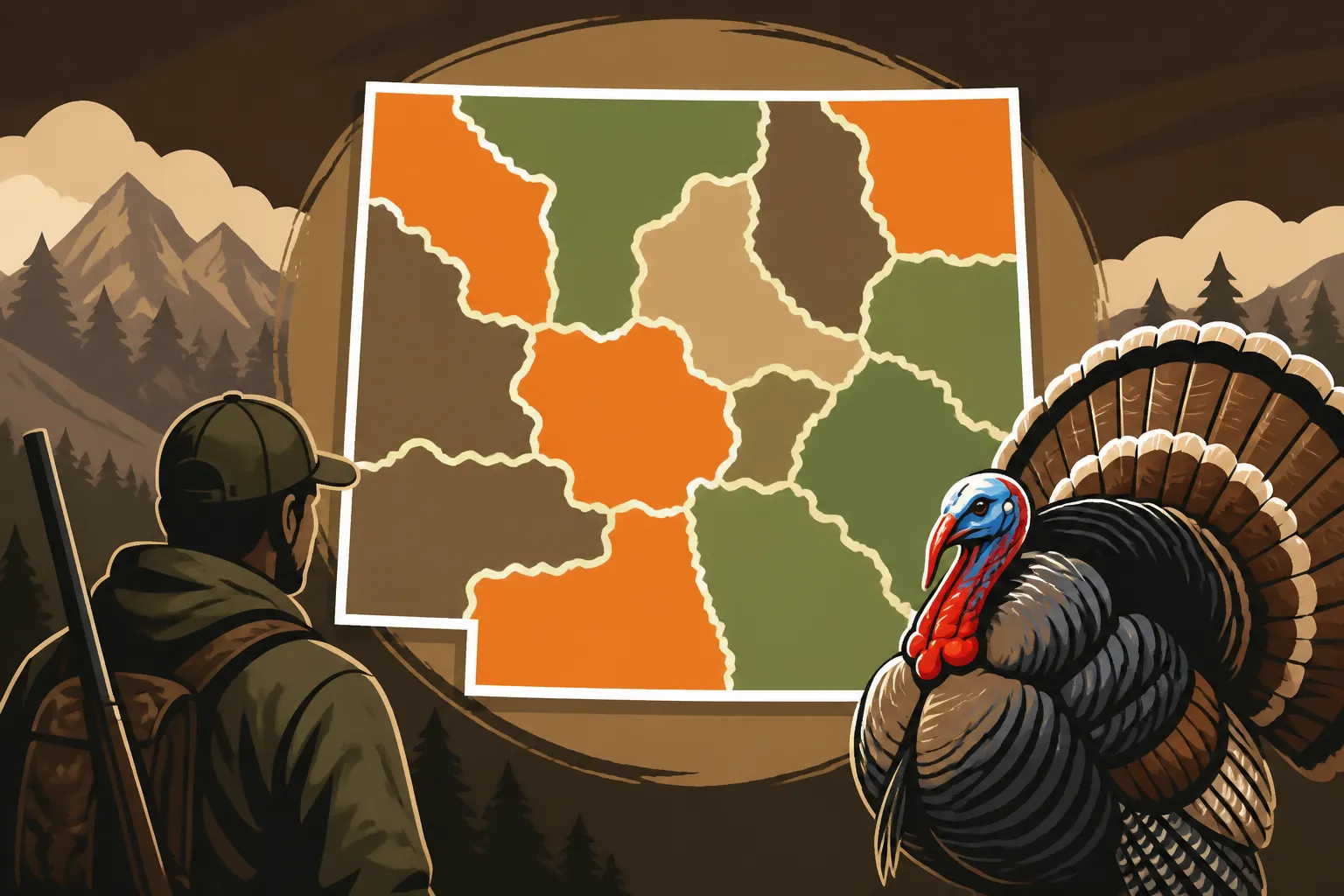
Wyoming approaches turkey management a little differently than some other states you might be familiar with. Instead of a statewide free-for-all, the state divides its turkey habitats into designated hunt areas, each with its own specific regulations, season dates, and sometimes, even different bag limits. This system is designed to manage local populations effectively, ensuring sustainable hunting opportunities while accounting for varying habitat conditions and bird densities across a vast and diverse landscape. It’s not just about drawing a tag; it’s about drawing the right tag for the right area.
Why Units Matter for Turkey Hunters
The unit system is absolutely paramount for turkey hunters because it dictates everything from when you can hunt to how many birds you can take. You can't just buy a tag and go anywhere. Each unit is a distinct management zone, and what's legal in one unit might be strictly forbidden in another. This specificity means that your pre-season homework isn't just about finding birds, but about deeply understanding the regulatory framework of your chosen unit. Ignoring these boundaries or rules can quickly turn an exciting hunt into a frustrating, and potentially illegal, experience. It adds a layer of complexity, but it also means that good planning is often rewarded.
Consider a situation where you scouted an incredible flock of Merriam's on public land. You've watched them for weeks, patterned their movements, and you're ready for opening day. But if you haven't checked the specific unit regulations, you might find that the public land you're on falls into a unit with a later opening date, or perhaps even an archery-only restriction you weren't aware of. Suddenly, all that hard work feels like it's been wasted. This is why the unit system isn't just a bureaucratic detail; it's the very foundation of your hunt plan.
Decoding Unit Boundaries and Regulations
Navigating the various turkey hunt units requires careful attention to the Wyoming Game and Fish Department's current regulations. These regulations are published annually and provide detailed maps and descriptions of each unit's boundaries. They also specify the season dates for both spring and fall hunts, bag limits (often one bearded turkey in spring, either sex in fall, but always check!), and any weapon restrictions. It's not uncommon to find areas where shotgun use is permitted, while others might be limited to archery or even specific types of firearms.
When you're poring over these regulations, pay close attention to the descriptions that define the unit borders. These often follow distinct geographical features like rivers, major roads, mountain ranges, or county lines. Sometimes, a unit might even encompass parts of two different counties. This is where tools like GoHunt, with its detailed mapping overlays, can become an invaluable asset for visually interpreting these boundaries and ensuring you're always within the legal hunting area. Don't assume you know a boundary based on a general map; always double-check the official regulation booklet. You can find out more about where to find this critical information in Where the Current Wyoming Regulations Are Posted.
Key Turkey Hunting Regions and Their Characteristics
Wyoming's turkey populations are not evenly distributed, nor is the habitat they call home. While Merriam's are the dominant subspecies you'll find, their behavior and the challenges of hunting them can vary dramatically depending on the specific region and unit you choose. Understanding these regional differences is crucial for planning a successful hunt.
The Black Hills: A Prime Merriam's Destination
When most people think of Wyoming turkey hunting, their minds often go straight to the Black Hills in the state's northeastern corner. This region, shared with South Dakota, is renowned for its robust Merriam's turkey population and classic Ponderosa pine forest habitat. The units here are often highly sought after, and for good reason—the bird numbers can be impressive. The terrain generally consists of rolling hills, deep draws, and dense pine stands, interspersed with meadows and open clearings.
Hunting the Black Hills is often a game of listening for gobblers echoing through the timber, then trying to close the distance without spooking them. Access to public land, primarily through the Black Hills National Forest, is generally good, but you'll still encounter a fair amount of private ground that requires permission. Expect to do a lot of walking, climbing, and strategic calling. The birds here can be callable, but they've also heard it all, so patience and realistic setups are key. It's a classic turkey hunting experience, offering the full range of challenges and rewards.
River Bottoms and Riparian Corridors: Eastern Wyoming
Moving west and south from the Black Hills, you'll find significant turkey populations in the riparian corridors and river bottoms of eastern Wyoming. These areas are quite different from the pine forests, often characterized by cottonwood galleries, dense brush, and agricultural fields along waterways like the North Platte River, Powder River, and their tributaries. While Merriam's still dominate, their behavior here can be influenced by the mix of cover, water sources, and agricultural food plots.
Hunting these river bottom units typically involves more focus on roosting areas along the waterways and identifying travel corridors between feeding grounds and roosts. The dense cover can make visual communication with a gobbler difficult, requiring more precise calling and careful positioning. While some public land exists along these rivers, a significant portion is private ranch land. This means gaining permission from landowners or exploring areas like state trust lands with defined access rules is often necessary. These birds can be especially wary due to frequent encounters with humans, so your approach needs to be stealthy and your calls convincing. It’s a different kind of chess match than the mountain country, often requiring more patience and less running and gunning.
Mountain Ranges and Foothills: Central and Western Wyoming
Beyond the Black Hills and eastern river bottoms, you'll also find scattered turkey populations in various mountain ranges and their foothills throughout central and western Wyoming. Areas like the Bighorn Mountains, Laramie Range, and even parts of the Shoshone National Forest can hold turkeys, particularly where suitable Ponderosa pine, Douglas fir, and mixed conifer forests provide good roosting and foraging habitat. These populations are often smaller and more localized compared to the Black Hills, but they can offer a unique and rewarding hunting experience.
Hunting in these mountain units presents its own set of challenges, primarily related to elevation, rugged terrain, and potentially larger distances between turkey groups. You might encounter more sparse populations, meaning more scouting is required to locate birds. The payoff, however, can be a truly wild turkey hunt in some of the most stunning landscapes Wyoming has to offer. Access will vary between national forest, BLM, and private lands, so understanding land ownership maps is critical. These birds tend to be less pressured than their Black Hills counterparts, but the vastness of the landscape can make finding them a monumental task. The physical demands of hunting these units are generally higher, but the views alone can make it worth the effort.
Here's a quick comparison of general turkey hunting unit characteristics in Wyoming:
| Region | Primary Habitat | Typical Terrain | Access Challenge | Turkey Behavior | Best Strategy |
|---|---|---|---|---|---|
| Black Hills | Ponderosa Pine Forests | Rolling Hills, Draws, Timber | Mix of Public (NF) & Private | Callable but pressured, vocal | Roosting, calling, patient setups |
| Eastern River Bottoms | Cottonwood Galleries, Brush | Flat, Riverine, Agricultural | Mostly Private, some State/BLM | Wary, respond to soft calls, travel | Intercepting, blind calling, permission |
| Mountain Ranges | Conifer/Mixed Forests | Steep, Rugged, High Elevation | Mix of Public (NF, BLM) & Private | Less pressured, nomadic, harder to find | Extensive scouting, covering ground, patience |
Drawing a Turkey Tag and Season Structure
Unlike some other states where turkey tags are over-the-counter and plentiful, Wyoming's system can sometimes require a bit more planning, especially for nonresidents. Understanding how to acquire your tag and the general season frameworks is essential before you even start looking at maps.
Applying for Your Turkey Tag
Wyoming offers both resident and nonresident turkey licenses. While residents often have a more straightforward path to acquiring tags, nonresidents typically need to apply through a draw process, particularly for the more popular units or during certain seasons. It's not as complex as an elk draw, but it still requires attention to deadlines and knowing which units are available. Some units might have over-the-counter (OTC) sales, while others will be draw-only. Always check the current year's regulations to determine the exact application process and specific unit availability.
The timing of these applications is critical. Missing a deadline means missing out on the opportunity to hunt. Many hunters use resources like GoHunt to keep track of application dates and odds, ensuring they don't miss these crucial windows. The fees for turkey licenses are also relatively modest compared to big game, making it an accessible hunt for many. However, don't let the lower cost fool you into thinking it's an easy hunt—Wyoming turkeys can be as challenging as any.
Spring vs. Fall Seasons: Different Approaches
Wyoming generally offers both spring and fall turkey seasons, each with its own character and hunting strategies.
Spring Season: Gobbling and Breeding
The spring season, typically running from late April through May, is all about the gobble. This is when the Merriam's are most vocal as they engage in their breeding rituals. Hunters primarily pursue bearded turkeys (gobblers), and the focus is often on locating birds on the roost at dawn, then using various calls to entice them into range. The high energy of the spring woods, with fresh green-up and active wildlife, makes it an incredibly exciting time to be out.
However, spring hunting also comes with its challenges. Birds can be "henned up," meaning they have hens with them and are less likely to break away for a lone call. The weather can also be highly unpredictable, ranging from warm sunshine to late-season snowstorms. Your calling strategy needs to be adaptable, and your patience endless. Early mornings are paramount, as the first gobblers of the day are often the most responsive. You can read more about specific timing in The Turkey Season Bag Limit Explained.
Fall Season: Flock Dynamics and Foraging
The fall turkey season, usually held in October and November, is a completely different game. The breeding season is over, and birds have typically regrouped into larger, mixed-sex flocks focused on foraging for food before winter sets in. Gobbling activity is minimal, if present at all, so traditional calling strategies become less effective. Instead, fall hunting often revolves around locating flocks, scattering them, and then using "assembly calls" (like lost hen yelps and kee-kees) to bring them back together.
Fall hunting also allows for the harvest of either sex, which can make it a bit less pressured and potentially more successful if you're skilled at breaking up flocks and calling them back. Success in the fall is often tied to finding consistent food sources, whether that's acorns in the timber, grasshoppers in fields, or agricultural waste grains. The challenge is in understanding flock movements and being able to effectively scatter and then call birds back without alerting them to your presence. The crisp fall air and changing foliage also offer a beautiful backdrop for a hunt.
Strategic Considerations for Hunting Wyoming Turkey Units
Hunting turkeys in Wyoming requires more than just a vest and a call. It demands strategic thinking, deep understanding of the local landscape, and a willingness to adapt. The diversity of habitats and the wariness of Merriam's turkeys here mean that a cookie-cutter approach rarely works.
Scouting is Non-Negotiable
Effective scouting, both physical and digital, is the cornerstone of a successful Wyoming turkey hunt. Given the vastness of the state and the localized nature of many turkey populations, simply showing up on opening day is often a recipe for disappointment. Before you ever leave the house, spend time on mapping software, looking for areas with the right habitat—Ponderosa pine, cottonwood river bottoms, or mixed conifer forests. Pay attention to water sources, potential roosting sites (tall trees near water), and any signs of recent logging or controlled burns that might improve foraging. Tools like GoHunt can be particularly useful for identifying public land boundaries and potential access points, saving you valuable time on the ground.
Once you’ve narrowed down some potential areas, ground scouting becomes vital. Look for tracks, droppings, feathers, and dusting bowls. Listen for distant gobblers, even outside of hunting season, to get an idea of where birds are congregating. Identifying roost sites is incredibly valuable, as it gives you a starting point for an opening morning setup. Remember, turkeys move, so what was true a week ago might be different today. Constant observation and adaptation are key. This is a lot like E-Scouting a Unit Before the Season Opens, but for turkeys!
Tailoring Your Calling to the Conditions
Wyoming turkeys, especially in the more accessible units, can be highly pressured. This means that a loud, aggressive calling style might actually turn birds away. It's crucial to adapt your calling to the specific situation and the birds' behavior.
- Soft and Subtle: In pressured areas or when birds are henned up, soft clucks, purrs, and quiet yelps can be far more effective than aggressive gobbling. The goal is to pique their curiosity, not scare them.
- Locating vs. Enticing: Use locator calls (owl hoots, crow calls, coyote howls) to get a bird to gobble without giving away your exact position. Once a bird gobbles, switch to more realistic turkey vocalizations to entice him.
- Reading the Bird: Pay close attention to a gobbler's responses. Is he moving towards you? Moving away? Gobbling frequently or sparingly? His behavior will tell you how to adjust your cadence and intensity. Sometimes, silence is the best call of all.
- Decoys: Decoys can be incredibly effective, especially in open country where birds need visual confirmation. However, use them wisely. A single hen or a jake decoy can be enough, and sometimes, less is more. Ensure your decoy is visible but doesn't look out of place.
Respecting Land Ownership and Access
Wyoming is a checkerboard of public and private land, and this is especially true in many of the prime turkey habitats. Knowing your exact location and respecting private property boundaries is not just good etiquette, it's the law. Always carry detailed maps (physical and digital) that show land ownership. If hunting private land, ensure you have explicit, written permission from the landowner. Retrieving Game From Private Land in Wyoming is a good read on how seriously land ownership is taken in the state.
Many units offer access to Bureau of Land Management (BLM) land or National Forests, which are open to public hunting. However, even these areas can be landlocked by private ground, requiring careful planning to find legal access points. The Wyoming Game and Fish Department's Access Yes program is a fantastic resource that secures public hunting access on private lands, often for specific species or seasons. Always check the Access Yes program for potential opportunities in your chosen unit.
Gear Considerations for Wyoming Turkeys
Your gear needs to match the terrain and conditions you'll encounter.
- Optics: Binoculars (8x or 10x) are essential for spotting birds at a distance, especially in more open terrain or when glassing across draws. They also help identify subtle movements when trying to sneak in. For big game hunters, this is second nature, and for turkey hunting here, it's just as important. You might even find yourself grid glassing for turkeys, just like you would for antelope!
- Footwear: Comfortable, durable, and waterproof hiking boots are a must. You'll be covering miles, often on uneven terrain, in conditions that can range from dry dust to mud or snow.
- Clothing: Layering is crucial. Wyoming weather can change rapidly. Start with moisture-wicking base layers, add insulating mid-layers, and top it off with a quiet, camouflage outer shell that offers protection from wind and precipitation. Don't forget a blaze orange vest or hat to wear while moving, especially during the fall season when other hunters may be in the woods for big game. While Is Blaze Orange Required for Archery Hunting? usually focuses on deer, it’s a good idea to understand the general safety rules.
- Calls: Bring a variety of calls – slate, box, diaphragm – to be versatile and mimic different hen vocalizations.
- Pack: A comfortable daypack to carry water, snacks, extra layers, emergency supplies, and of course, your turkey once you've harvested it.
- Shotgun/Bow: Ensure your chosen weapon is legal for the unit and season you're hunting. Pattern your shotgun with your chosen turkey load before the season to know its effective range. For bowhunters, practice at realistic distances.
Wyoming offers a fantastic and often overlooked turkey hunting experience. By understanding the unit system, researching the diverse regions, and employing strategic hunting tactics, you can greatly increase your chances of calling in a big Merriam's gobbler.
Disclaimer
This article is for general informational purposes only and does not constitute professional advice. Laws, prices and regulations vary by location and change over time. Consult a qualified professional for guidance on your specific situation.