Optics Power for Wyoming’s Long Sightlines
Hunting optics magnification and objective lens size choices explained for spotting game across long sightlines in Wyoming.
Close the distance.
Archery, muzzleloader, and firearm techniques — calling, stand placement, still-hunting, spot-and-stalk, and the weapon rules that change at the state line.
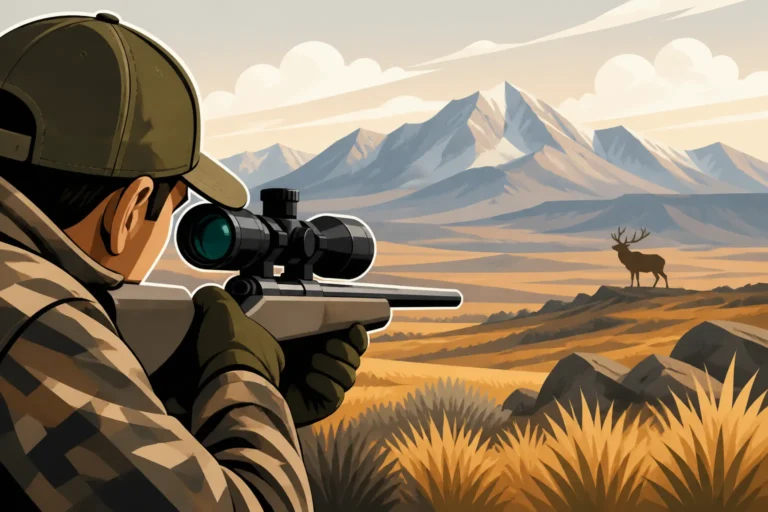
Hunting optics magnification and objective lens size choices explained for spotting game across long sightlines in Wyoming.
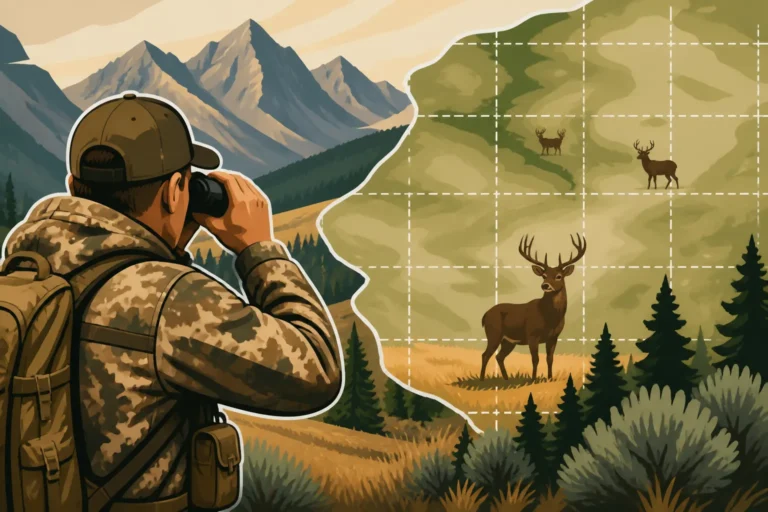
Systematic grid glassing methods help hunters methodically search Wyoming basins to spot bedded mule deer bucks and big game.
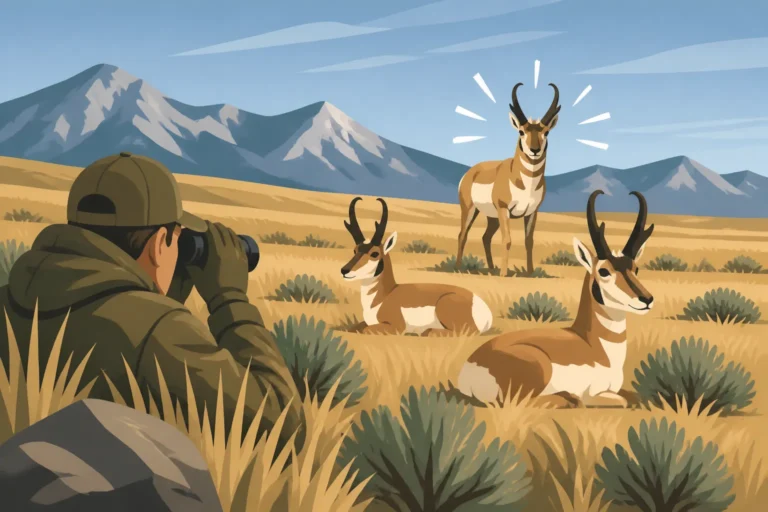
Wyoming pronghorn decoy setups and territorial rutting behavior help hunters draw wary bucks within shooting range during late August and September.
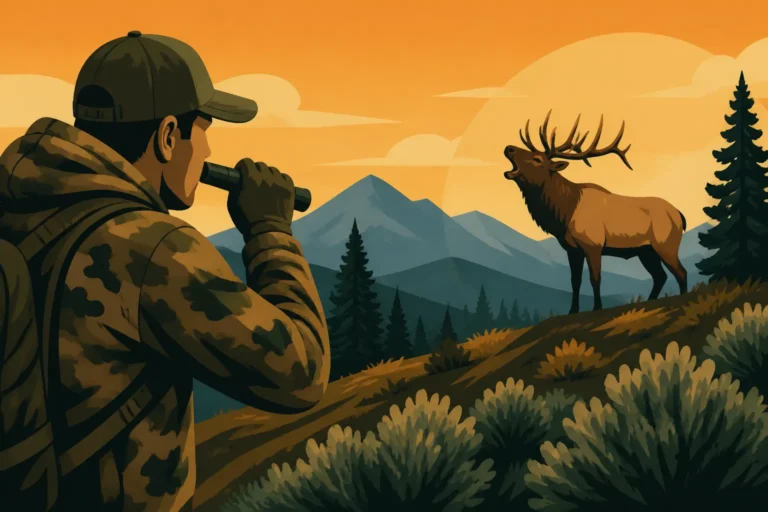
Wyoming public land elk hunting strategies using subtle cow mews and behavior cues help hunters locate wary animals.
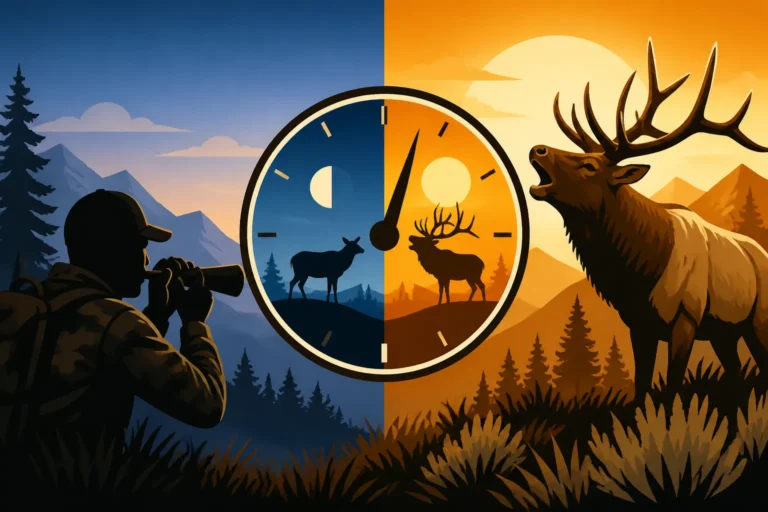
Wyoming elk bugle and cow call timing strategies explain behavior changes across pre-rut, peak rut, and post-rut hunting phases.
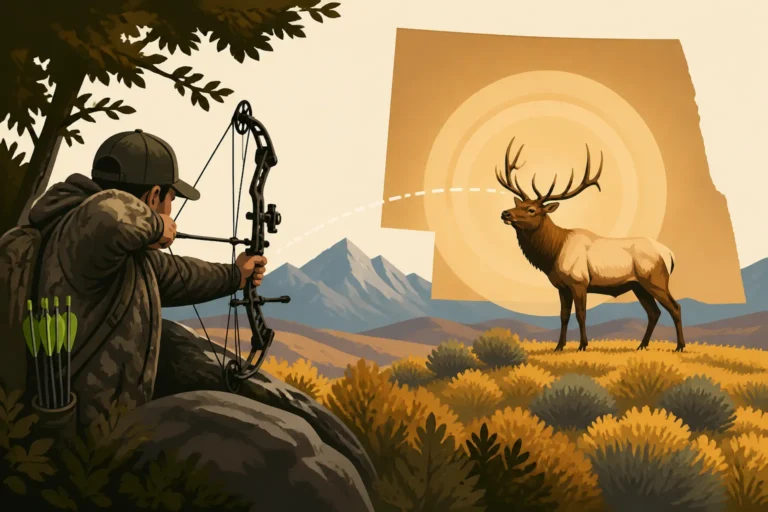
Wyoming bowhunting distance requirements for big game determine ethical shot ranges based on wind, terrain, and archery equipment limits.
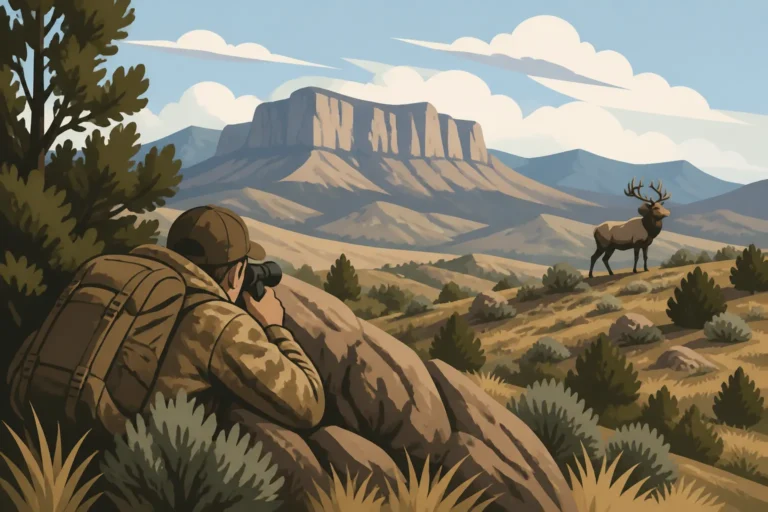
Wyoming hunting stalking techniques explain how to use sagebrush flats, canyons, and timber for close shots on antelope and mule deer.
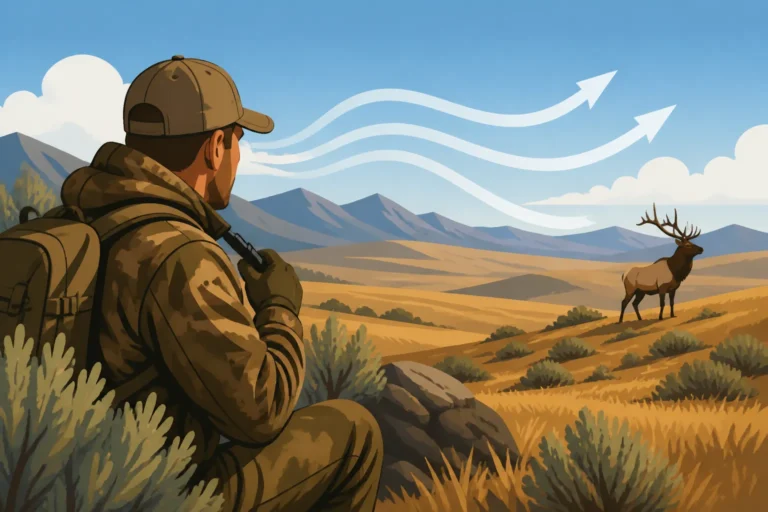
Wyoming wind patterns, including updrafts, downdrafts, and swirling currents, dictate scent dispersal during open-country stalks.
Wyoming hunting laws and the National Firearms Act outline legal requirements for using firearm suppressors to hunt big game animals.
Wyoming hunt areas with specific weapon restrictions, general firearm rules, archery bow weights, and muzzleloader requirements.