How Far to Stalk a Bedded Pronghorn
Stalking bedded pronghorn in Wyoming requires downwind approaches across sagebrush flats for close bow or rifle shots.
Close the distance.
Archery, muzzleloader, and firearm techniques — calling, stand placement, still-hunting, spot-and-stalk, and the weapon rules that change at the state line.
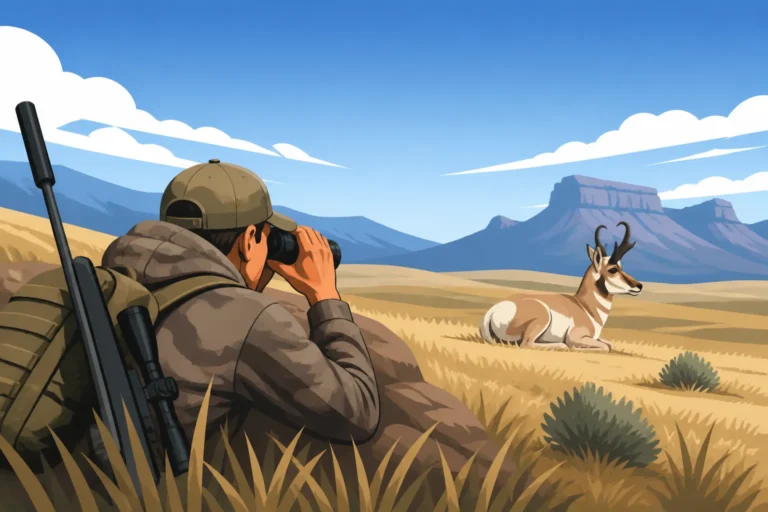
Stalking bedded pronghorn in Wyoming requires downwind approaches across sagebrush flats for close bow or rifle shots.
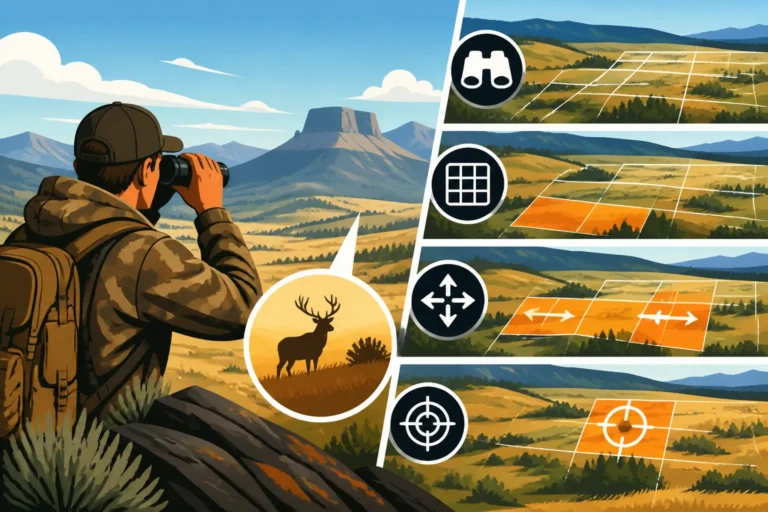
The grid glassing method helps hunters systematically scan Wyoming terrain and examine every square inch to locate game animals.
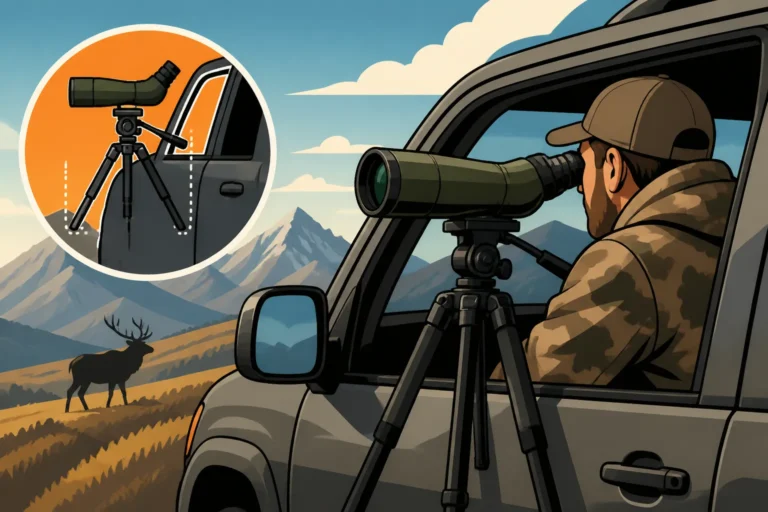
Tripod setup inside a vehicle provides stability and comfort for spotting antelope and mule deer across Wyoming terrain.
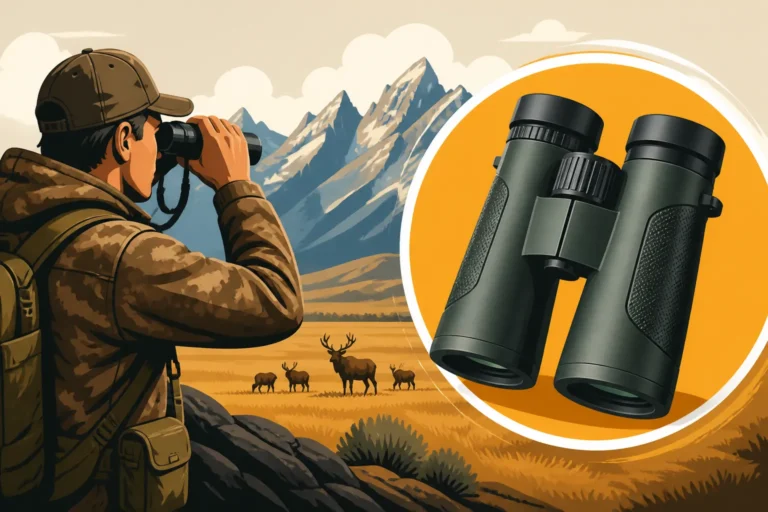
Binocular size and weight determine neck fatigue, image stability, and glassing endurance during Wyoming big game hunts.
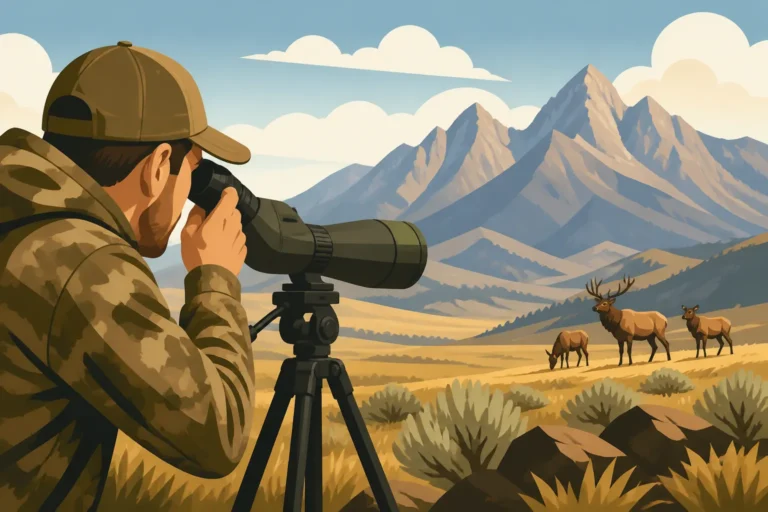
Spotting scope magnification and power requirements for hunting mule deer and elk across vast Wyoming landscapes and distant ridges.

Mule deer glassing strategy focuses on dawn and dusk timing, weather factors, and morning movement patterns to spot bucks.
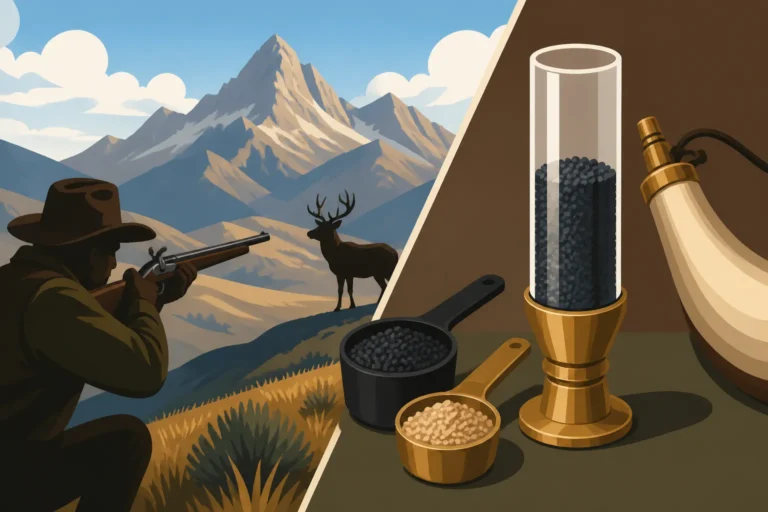
Blackpowder substitutes require volumetric measurement instead of weighing to ensure safe muzzleloader pressure, velocity, and consistent hunting accuracy.
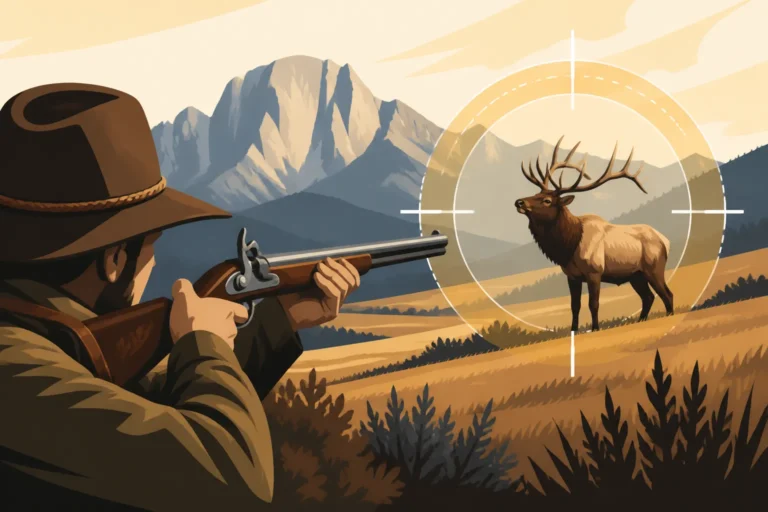
Muzzleloader ballistics, bullet construction, and powder charges determine the effective range for ethically hunting elk in Wyoming.
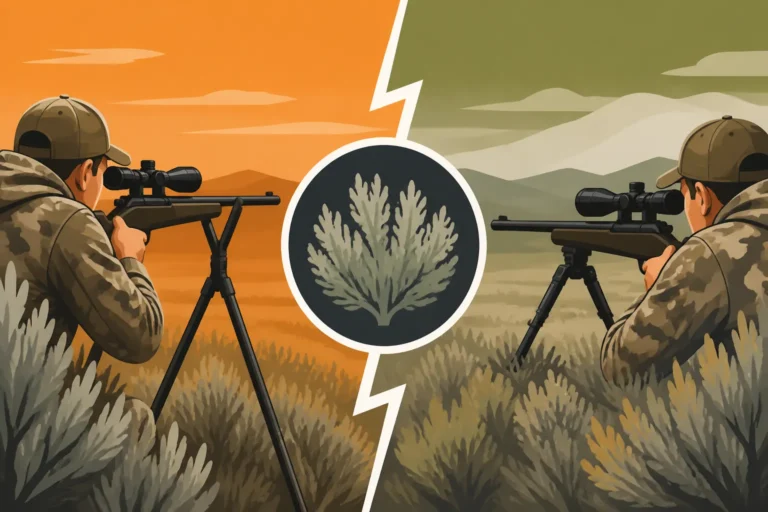
Wyoming sagebrush terrain requires stable shooting rests, so this compares bipods and shooting sticks for hunting success.
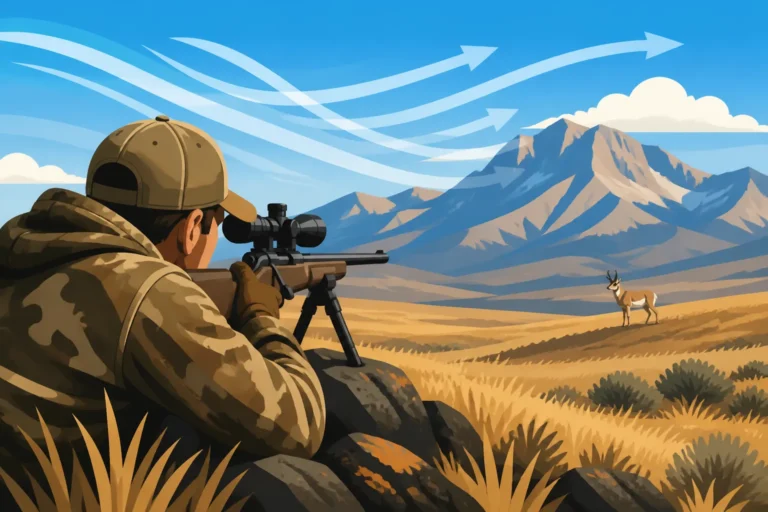
Wyoming wind drift compensation for rifle hunting beyond four hundred yards helps hunters make accurate long-range shots.