What Meals Look Like on a Guided Hunt
One of the many thoughts that can swirl through your head when you're planning a guided hunting trip, especially if it's your first time out West, is "What in the world are we going to eat?" It's a completely valid question! You're putting a lot of time, effort, and money into this experience, and the last thing you want is to be starving or miserable from bad food. This guide aims to pull back the curtain on the culinary side of guided hunts in Wyoming, helping you understand what to expect and how to prepare for your fuel-for-the-hunt experience.
The Range of Culinary Experiences on a Guided Hunt
When you book a guided hunt, you're not just buying access to prime hunting ground and the expertise of a seasoned professional; you're also signing up for a complete logistical package, and that absolutely includes food. However, "food" can mean a lot of different things depending on the type of hunt you've booked. It’s rarely a one-size-fits-all scenario, and the meals you experience can be as varied as Wyoming's incredible landscapes.
From Backcountry Freeze-Dried to Lodge-Style Feasts
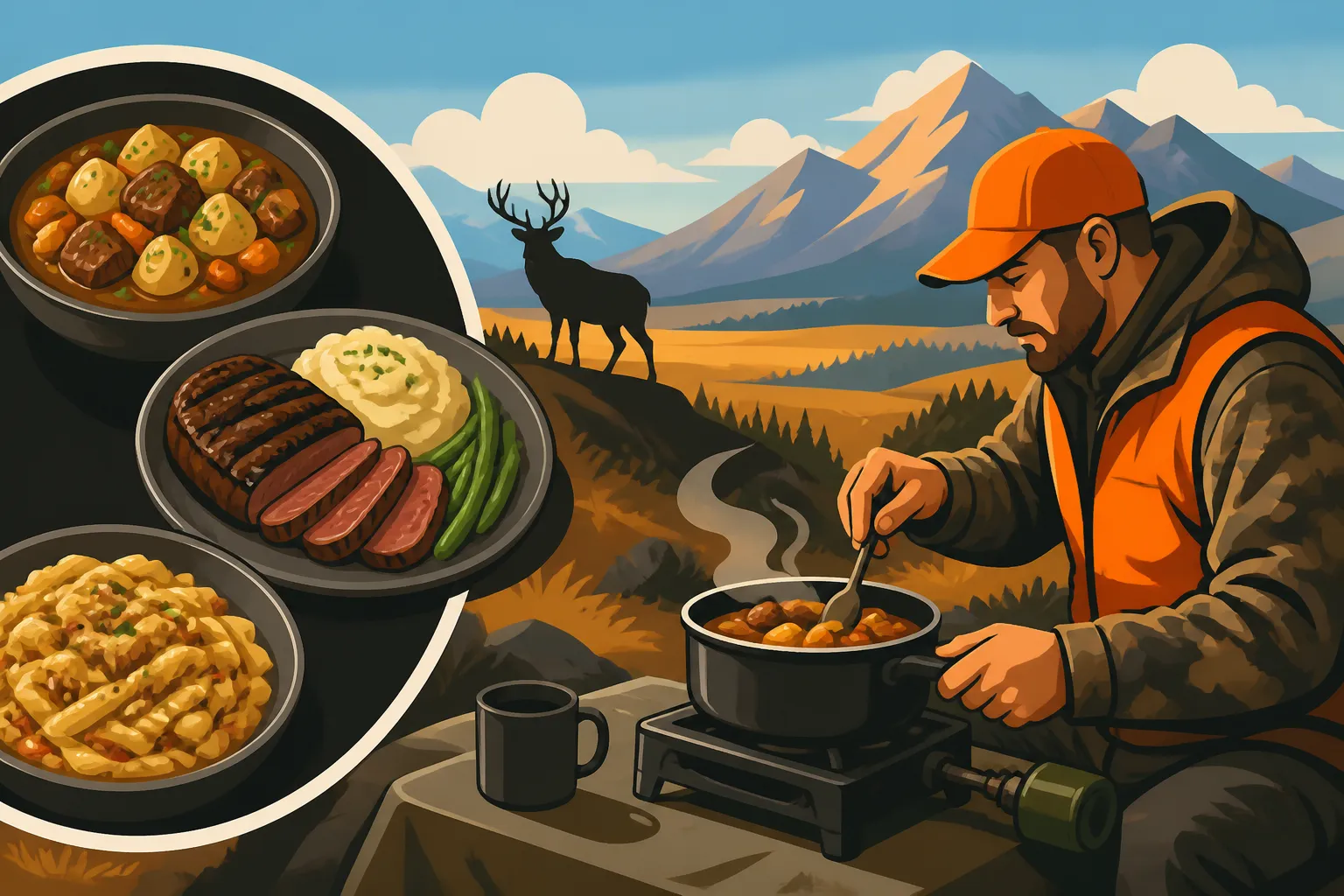
Let's be realistic from the start: you're probably not going to be dining on five-star gourmet meals deep in a wilderness camp. But that doesn't mean the food won't be delicious and, more importantly, absolutely vital for keeping you energized. On one end of the spectrum, you might be in a remote spike camp, miles from the nearest road, relying on horse-packed supplies. In these situations, the food often leans towards practical, calorie-dense, and easy-to-prepare items. Think hearty mountain house meals, dehydrated stews, pasta, rice, and plenty of instant coffee. The goal here is pure function: to fuel your body for long days of climbing and stalking.
On the other end, if you’re staying in a comfortable lodge or a base camp that’s accessible by vehicle, your meals might resemble what you’d cook at home, or even better! Some outfitters pride themselves on the quality and variety of their camp cuisine, offering everything from prime rib nights to homemade desserts. These hunts might involve daily trips out from a central location, returning to a warm meal and a comfortable bed. It really boils down to the specific outfitter and the style of hunt you've chosen. For a better understanding of what your overall investment might look like, you might want to read up on What a Guided Wyoming Elk Hunt Costs.
Factors Influencing Your Camp Menu
Several key elements play a significant role in dictating what lands on your plate during a guided hunt:
- Location, Location, Location: This is arguably the biggest factor. Are you in a remote wilderness area requiring packhorses or mules to carry supplies? Then expect lighter, more shelf-stable, and often dehydrated options. If your camp is a permanent structure with vehicle access, then fresh ingredients, larger cooking appliances, and more varied menus become feasible. Think about an outfitter operating out of a cozy cabin near a main road versus one with a tent camp deep in the Bridger-Teton National Forest; the logistics of resupply drastically impact the menu.
- Hunt Duration and Intensity: A four-day antelope hunt from a truck will have a different meal plan than a 10-day backcountry elk expedition. Longer, more strenuous hunts demand more calorie-dense food to sustain energy levels. For shorter, less physically demanding hunts, there's more leeway for variety and fresh ingredients.
- Outfitter's Philosophy and Style: Some outfitters view food purely as fuel, focusing on efficiency and sustenance. Others see it as a crucial part of the overall experience, going the extra mile to provide memorable meals. This often aligns with the overall price point and reputation of the outfitter. High-end operations often tout their culinary offerings as a selling point. When researching, don't hesitate to use resources like BookYourHunt to look at outfitter reviews, which often touch on the food experience.
- Cost of the Hunt: As with most things, you often get what you pay for. Hunts that command a premium price might include more elaborate menus, a dedicated camp cook, and higher-quality ingredients. More budget-friendly options will focus on feeding you adequately and efficiently. For instance, a basic What a Wyoming Drop Camp Actually Includes might leave more of the cooking responsibility to you, while a fully guided trip would cover it all.
Typical Meal Structures and Offerings
Regardless of the camp's luxuries or lack thereof, most guided hunts follow a pretty consistent rhythm for meals: a hearty breakfast to start the day, a packed lunch for the field, and a substantial dinner to recharge.
Breakfast: Fueling Up for the Morning Push
Breakfast is often the most important meal of the day on a hunting trip, setting the tone for the long hours ahead. Outfitters understand this, so you can generally expect a robust spread designed to give you lasting energy. Common breakfast items include:
- Eggs: Scrambled, fried, or even omelets if the camp setup allows.
- Meats: Bacon, sausage, or ham are staples, providing essential protein and fat.
- Carbohydrates: Pancakes, French toast, oatmeal, or toast are frequently offered. These provide the slow-burning energy you'll need for those steep climbs and long walks.
- Sides: Potatoes (hash browns or fried), fresh fruit (when available), and sometimes yogurt.
- Coffee, Coffee, Coffee: This is non-negotiable for many hunters! Expect plenty of hot coffee, often brewing before you even roll out of your sleeping bag, along with tea and hot chocolate.
For early morning starts, especially if you're hitting the trail well before dawn, breakfast might be a quick, grab-and-go affair. Think breakfast burritos you can eat on the move, granola bars, fruit, and of course, a thermos of coffee. The focus is on getting you out the door and into position as quickly and efficiently as possible. Remember, successful hunting often relies on early mornings, so preparing your body with proper nutrition is key, much like preparing for Physical Conditioning for a Mountain Hunt.
Lunch: On-the-Go Sustenance in the Field
Lunch during a guided hunt is almost always a "field lunch." This means you'll typically pack your lunch each morning from a selection of items available in camp, or your guide might prepare a standard sack lunch for everyone. The goal is portability, sustenance, and something that can withstand being bounced around in a backpack all morning.
Common field lunch items include:
- Sandwiches: Deli meat (turkey, ham, roast beef), cheese, and various condiments on bread or wraps. Sometimes a simple peanut butter and jelly sandwich can hit the spot.
- Snacks: Granola bars, protein bars, candy bars, nuts, trail mix, and jerky are almost universally available. These are great for quick energy boosts throughout the day.
- Fruit and Vegetables: Apples, oranges, bananas (if they can survive the journey), and sometimes baby carrots or celery sticks.
- Drinks: Water, often supplemented with a powdered drink mix like Gatorade or similar electrolyte packets to help replenish what you're sweating out.
On rare occasions, if your hunt involves returning to a vehicle or a more accessible part of the hunting area, your guide might have a hot lunch waiting, like a thermos of soup or chili. But for the most part, plan on eating your lunch sitting on a rock, leaning against a tree, or glassing from a ridge top, soaking in the wild country around you. Ensuring you have a good selection of these items is part of preparing The Gear List Your Outfitter Will Send.
Dinner: Recharging After a Long Day
After a full day of hunting, whether you've been chasing elk through the mountains or still-hunting timber for mule deer, dinner is your chance to really refuel and relax. This is often the most substantial and appreciated meal of the day, a time for hunters and guides to gather, share stories, and prepare for the next day.
Dinner offerings can be quite varied but usually consist of a hot, satisfying meal. You might see:
- Hearty Main Courses: Roasts (pork, beef), grilled chicken or steak, pasta dishes (like lasagna or spaghetti), stews, chili, or even tacos. Some outfitters might even serve a cut of game meat if they've had success earlier in the season and it's permitted.
- Sides: Potatoes (mashed, baked, or roasted), rice, corn, green beans, or other vegetables. Fresh bread or rolls are also common.
- Dessert: Sometimes a simple dessert like cookies, brownies, or a fruit cobbler is offered, providing a sweet end to the day.
The atmosphere around dinner is usually communal. It's a chance to discuss the day's events, strategize for tomorrow, and enjoy the camaraderie that comes with a shared hunting experience. This is where the bonds are often formed, whether you've been chasing What a Wyoming Cow Elk Tag Costs or a trophy bull.
Special Dietary Needs and Expectations
In today's world, dietary restrictions, allergies, and preferences are common, and outfitters are increasingly accustomed to accommodating them. However, clear and early communication is absolutely critical to ensure your needs are met.
Communicating Your Requirements to Your Outfitter
Do not wait until you arrive at camp to spring your dietary needs on your outfitter. Outfitters operate on tight schedules and often have their food supplies planned and purchased weeks, if not months, in advance. Many operate in remote areas where a quick run to the grocery store for gluten-free bread or almond milk simply isn't an option.
As soon as you book your hunt, or at the very least several months before your departure date, make sure to:
- Be Specific: Don't just say "I eat healthy." Explain exactly what you need. Are you vegetarian, vegan, gluten-free, dairy-free? Do you have a life-threatening allergy to peanuts or shellfish?
- Explain the Severity: For allergies, clearly state whether it's a mild intolerance or a severe, anaphylactic reaction that requires an EpiPen.
- Offer Solutions: If you have very specific needs, ask if they can accommodate, and be prepared to offer suggestions or even bring your own specialty items if necessary.
- Confirm in Writing: Follow up any phone conversations with an email outlining your dietary needs so there's a written record.
A good outfitter will always ask about dietary restrictions when you book. If they don't, that's a red flag, and you should bring it up proactively. Resources like BookYourHunt or GoHunt often have sections in their outfitter profiles or review systems where you can see how well outfitters handle special requests. Asking Questions Worth Asking Before You Book is vital, and diet should be near the top of that list.
What to Pack if You Have Specific Preferences
Even if your outfitter says they can accommodate your needs, it's always a good idea to pack some supplementary items for your personal comfort and peace of mind, especially if you have very specific or unusual dietary requirements. Think of these as your personal emergency rations or comfort foods.
Consider bringing:
- Favorite Snacks: If you have a particular brand of protein bar, trail mix, or candy that you know you like and that gives you energy, bring a good supply.
- Dietary Staples: If you're gluten-free, bringing your own gluten-free bread or crackers can be a game-changer for field lunches. If you need a specific type of milk alternative, consider shelf-stable cartons.
- Electrolyte Mixes or Supplements: High altitude and strenuous activity can quickly lead to dehydration. If you have a preferred electrolyte powder or vitamin supplement, pack it. This is especially important when you're Preparing for Altitude on a Wyoming Hunt.
- Personal Drink Mixes: If you're particular about your coffee or tea, or like a specific type of powdered drink mix, bring your own.
Having these personal items ensures that even if there's a misunderstanding or a limitation in the camp's supplies, you'll still have options to keep yourself well-fueled and comfortable.
Hydration and Drinks in Camp
Beyond the food, what you'll have to drink is just as important, especially in the dry, often high-altitude environment of Wyoming. Staying properly hydrated is not just about comfort; it's a critical component of safety and performance in the field.
Water, Coffee, and the Occasional Treat
Water will always be available and is your primary source of hydration. Outfitters will ensure a clean, potable water supply, whether it's brought in, filtered from a natural source, or from a well.
In addition to water, you can almost always count on:
- Coffee: As mentioned, a constant supply of coffee is a given at most hunting camps.
- Tea: Various tea bags are usually on hand.
- Hot Chocolate: A welcome treat, especially on cold mornings or evenings.
- Powdered Drink Mixes: Sometimes available to add flavor to water.
For "treat" drinks like soda, juice, or specialized beverages, availability will depend entirely on the camp's accessibility. In remote backcountry camps, these are rare due to weight and storage limitations. In more accessible lodge-style camps, you might find a wider selection.
Regarding alcohol, most outfitters have a strict policy of "BYOB" (Bring Your Own Beverage) and generally discourage or prohibit alcohol consumption during hunting hours. A quiet drink in the evening after the day's hunting is often permitted, but excessive drinking is usually frowned upon for safety and respect for the hunt.
Staying Hydrated in Wyoming's Environment
Wyoming's climate can be very dry, and many hunting areas are at significant elevation. Both factors contribute to faster dehydration. It's not uncommon for hunters to experience headaches, fatigue, or muscle cramps, which are often symptoms of inadequate hydration, especially in the early days of a hunt.
Here are some tips for staying hydrated:
- Drink Constantly: Don't wait until you're thirsty. Sip water throughout the day, even when you don't feel like it.
- Electrolytes are Your Friend: Supplementing your water intake with electrolyte powders can make a big difference, especially on physically demanding days.
- Understand Water Sources: If you're in a drop camp or a wilderness area, your guide will show you the water source and explain any purification methods. Always err on the side of caution and purify water unless you are 100% certain it's safe.
- Pack Personal Hydration: Consider bringing a hydration bladder for your backpack and a sturdy water bottle. This ensures you always have water within reach, which is critical for maintaining peak physical condition for something like Physical Conditioning for a Mountain Hunt.
Here's a quick comparison of what to expect for meals across different hunt types:
| Hunt Type | Typical Location | Breakfast | Lunch | Dinner | Drink Availability |
|---|---|---|---|---|---|
| Fully Guided (Lodge/Cabin) | Accessible by vehicle | Hot, varied (eggs, bacon, pancakes) | Packed sandwiches, snacks | Hot, multi-course (roasts, pasta) | Water, coffee, tea, occasional soda |
| Fully Guided (Backcountry Tent Camp) | Remote, pack-in only | Hearty (oatmeal, instant eggs, sausage) | Packed sandwiches, high-calorie snacks | Hearty (stews, chili, pasta) | Water, coffee, tea, hot chocolate |
| Drop Camp (Outfitter-Assisted) | Remote, pack-in only | Basic supplies provided | Basic supplies provided | Basic supplies provided | Water (purified), coffee, tea |
| Semi-Guided | Variable (some lodge, some field) | Often includes basic breakfast | Packed lunches usually self-provided | May or may not include dinner | Variable |
When you head out on a guided hunt in Wyoming, you're embarking on an adventure that demands physical and mental stamina. The meals provided by your outfitter are an essential part of that experience, designed to keep you energized and ready for whatever the wild throws your way. While you might not find linen tablecloths and crystal glasses, you can expect nourishing, functional, and often surprisingly delicious food. The key is to communicate any dietary needs well in advance, understand the style of your hunt, and be prepared to supplement with your own favorite snacks if needed. Enjoy the camaraderie around the campfire and the fuel that will power your pursuit of Wyoming's incredible big game.
Disclaimer
This article is for general informational purposes only and does not constitute professional advice. Laws, prices and regulations vary by location and change over time. Consult a qualified professional for guidance on your specific situation.