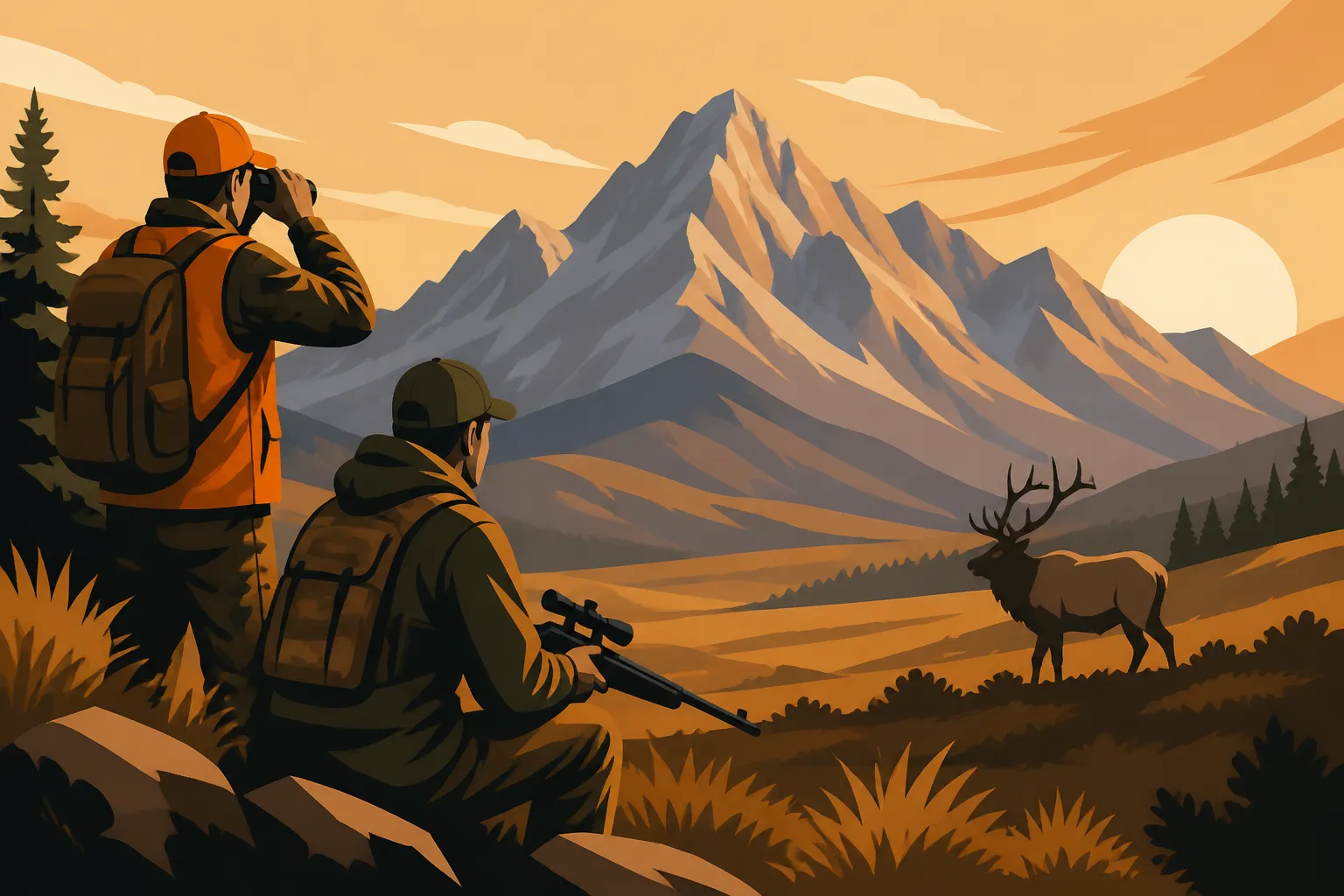
Semi-Guided Options in Wyoming
For many hunters, the dream of a Western big game hunt in Wyoming is strong, but the reality of either a grueling, completely self-sufficient DIY trip or the high cost of a fully guided expedition can feel like a brick wall. It’s a common frustration, trying to find that sweet spot where you get some expert help without giving up all your independence or breaking the bank. This guide is here to shed some light on semi-guided hunting options in Wyoming, explaining what they entail, who they're for, and how they might just be the perfect middle ground for your next adventure.
Understanding the Spectrum of Guided Hunts
Hunting in a place like Wyoming offers a vast array of experiences, from the pure grit of a do-it-yourself trek into the wilderness to the comfort and assurance of a fully outfitted and guided adventure. Understanding where "semi-guided" fits into this spectrum is crucial for setting your expectations and planning your hunt.
The DIY Hunter's Challenge
Going completely DIY means you're responsible for absolutely everything: scouting, transportation, camp setup, cooking, finding game, making the shot, field dressing, and getting your animal out of the mountains. It's incredibly rewarding, offering a deep sense of accomplishment, but it's also incredibly demanding. For many, especially non-residents unfamiliar with Wyoming's vast public lands, the sheer logistics of a DIY hunt for elk or deer can be overwhelming. You need significant time for pre-season scouting, extensive gear, strong navigation skills, and the physical endurance to tackle challenging terrain. You also have to consider things like How to Reach Landlocked Public Land in Wyoming and the complex land ownership patterns.
What a Fully Guided Hunt Promises
On the other end of the spectrum, a fully guided hunt takes care of nearly all the details. You typically arrive at a designated meeting point, and from there, the outfitter provides the camp, meals, horses, guides to lead you to game, help with field dressing, and pack-out services. This option is fantastic for those who want to maximize their hunting time, learn from experienced professionals, or simply prefer to focus solely on the hunt itself without the burden of logistics. It's a premium service, and the costs reflect that, but it offers a seamless experience. Many hunters will ask What a Guided Wyoming Elk Hunt Costs and quickly see the investment required.
Bridging the Gap: The Semi-Guided Philosophy
A semi-guided hunt is exactly what it sounds like – a blend of independent hunting and professional support. It's designed for hunters who crave the autonomy of making their own decisions in the field, enjoy the challenge of finding their own game, and want to keep costs down compared to a fully guided trip, but still want some critical assistance. This often means the outfitter provides a base camp, some local knowledge, perhaps a wilderness drop-off, and definite assistance with game retrieval. It’s about leveraging an outfitter’s expertise and resources for the big logistical hurdles, while you retain control over the day-to-day hunting.
What a Semi-Guided Hunt Typically Includes
The specific services offered in a semi-guided package can vary quite a bit from one outfitter to another, so it’s essential to clarify every detail before booking. However, there are some common elements you can generally expect. These services are designed to remove some of the heaviest burdens of a DIY hunt, allowing you more time and energy to focus on the actual hunting.
Pre-Scouting and Intel
One of the biggest advantages of a semi-guided hunt is gaining access to an outfitter’s hard-won local knowledge and scouting efforts. While they won't typically hold your hand and show you the exact bedding area, many semi-guided operations will provide detailed maps, information on current game movement, and suggestions for promising areas to hunt within your designated unit. They've likely been E-Scouting a Unit Before the Season Opens for weeks or months, and their understanding of terrain, water sources, and game patterns is invaluable. This pre-hunt intel can save you days of searching and allows you to hit the ground running, rather than spending precious hunting time figuring out where to even start. Some outfitters might even have pre-set blinds or stands in key areas, or point you towards specific ridges for glassing.
Camp Support and Logistics
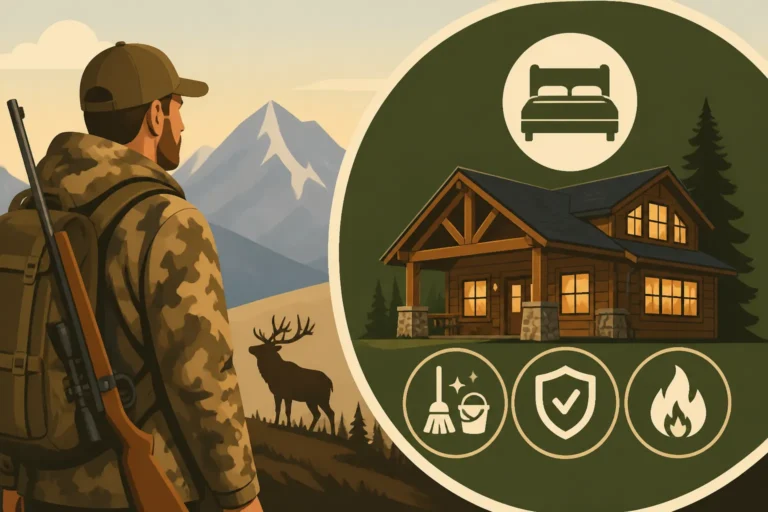
This is often the cornerstone of a semi-guided hunt. Forget hauling in all your own camping gear, setting up a backcountry tent in the dark, and worrying about fresh water or cooking. Semi-guided outfitters frequently provide a comfortable, pre-established camp. This could range from a basic wall tent setup with cots and a wood stove in the backcountry to a more rustic cabin or bunkhouse facility. They often handle water, cooking essentials (sometimes even some basic meals or cooking facilities), and firewood. This allows you to focus on your hunting gear and personal essentials, dramatically reducing the amount of equipment you need to pack in. Imagine finishing a long day of hunting, knowing a warm, dry camp is waiting for you, rather than having to pitch your own tent in the dark.
Game Retrieval Assistance
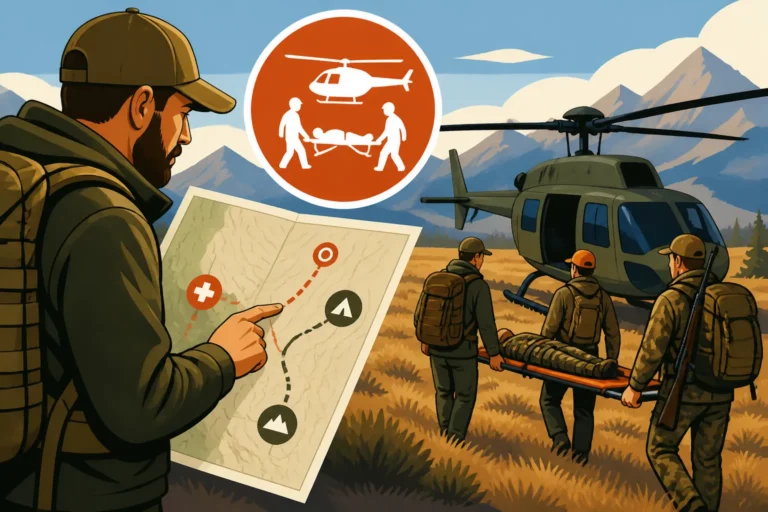
This is arguably the most valuable service a semi-guided hunt offers, especially when hunting large animals like elk in rugged Wyoming terrain. Down a bull elk miles from the nearest road, and suddenly the real work begins. Many semi-guided packages include assistance with packing out your downed animal. This might mean horses or mules, ATVs, or even a vehicle accessible close to camp. This service is a game-changer, turning what could be a multi-day, physically exhausting ordeal into a manageable task. Knowing you have help for meat retrieval greatly reduces the stress and physical demand, allowing you to focus on the shot and ethical recovery without the looming dread of a monumental pack-out. This service alone makes the semi-guided option incredibly appealing for many.
The Advantages of Choosing Semi-Guided
The allure of a semi-guided hunt lies in its unique balance, offering distinct benefits that cater to a specific type of hunter. It’s not just a compromise; it’s a strategic choice for those seeking a richer, more engaging experience without the full commitment of a DIY expedition or the higher price tag of a fully guided trip.
Cost Savings Over Fully Guided
Let’s be honest, hunting in Wyoming, especially for non-residents, can be an expensive endeavor. Between licenses, travel, gear, and food, costs add up fast. Fully guided hunts, while offering a comprehensive service, come with a significant price tag. Semi-guided options, however, typically offer a more budget-friendly alternative. You're paying for specific services – like camp support and game retrieval – but not for the constant presence of a professional guide in the field. This reduction in labor costs for the outfitter translates directly into savings for you. It means you might be able to afford that dream elk hunt or an additional species hunt that would otherwise be out of reach. Thinking about What Outfitter Prices Leave Out is important here, as even with cost savings, you'll still have expenses for licenses, travel, and personal gear.
Retaining Independence and Challenge
For many hunters, the essence of the experience lies in the challenge and the independence of the pursuit. You want to make your own decisions, read the sign yourself, plan your stalks, and ultimately, be the one to find and harvest your animal. A semi-guided hunt preserves this crucial aspect. You're still the hunter, calling the shots in the field. The outfitter isn't telling you where to go or what to do moment-to-moment; they're providing the infrastructure and knowledge to empower your hunt. This autonomy is incredibly satisfying and can lead to a deeper connection with the landscape and the animals. It allows you to truly test your skills in navigation, tracking, and calling, making the eventual success all the more meaningful.
Learning Opportunity and Skill Development
A semi-guided trip offers an incredible opportunity for growth as a hunter. You get to interact with experienced outfitters and their staff, picking their brains for insights into local game behavior, terrain navigation, and hunting strategies. While they might not be actively guiding you, their presence, advice, and the pre-hunt information they provide act as a fantastic learning resource. You'll likely spend more time independently Glassing Wyoming Basins Before You Take a Step or figuring out Reading Wind on an Open-Country Stalk, refining these crucial skills. This mentorship, even if informal, can significantly elevate your hunting acumen, preparing you for future fully DIY adventures. It's an investment not just in a successful hunt, but in your development as a self-sufficient sportsman or sportswoman.
Potential Drawbacks and What to Consider
While semi-guided hunts offer a fantastic middle ground, they aren't without their unique considerations and potential challenges. Understanding these before you commit is key to ensuring your hunt aligns with your expectations and capabilities. This option demands a different kind of preparation and mindset than either a fully DIY or fully guided trip.
Increased Personal Responsibility
The biggest difference between a semi-guided and a fully guided hunt is the level of personal responsibility placed squarely on your shoulders. You are still the primary decision-maker in the field. This means you need to be proficient in navigation, field dressing, and making sound ethical decisions. If you get lost, it's on you to find your way back. If you misjudge a stalk or make a poor shot, the consequences are yours to bear. While game retrieval might be assisted, the immediate responsibility for tracking and making the recovery falls to you. This level of autonomy can be incredibly rewarding, but it requires a hunter who is confident in their abilities and prepared for self-reliance. It's not a hunt for someone expecting a guide to solve every problem.
Less Direct Assistance in the Field
Unlike a fully guided hunt where a seasoned guide is with you every step of the way, a semi-guided trip means less direct assistance in the field. The outfitter might drop you off at a trailhead or near a promising area, but from that point, you're on your own for the day. This means no one is whispering advice in your ear, glassing alongside you, or helping you formulate a stalk plan in real-time. If you encounter unexpected weather, difficult terrain, or struggle to locate game, you're relying on your own skills and experience to adapt. For hunters who are still building their confidence or are completely unfamiliar with the species or terrain, this lack of immediate expert presence can be a significant hurdle. You need to be capable of handling the unexpected, from dealing with bear encounters to navigating challenging weather conditions.
Navigating Public Land Complexities
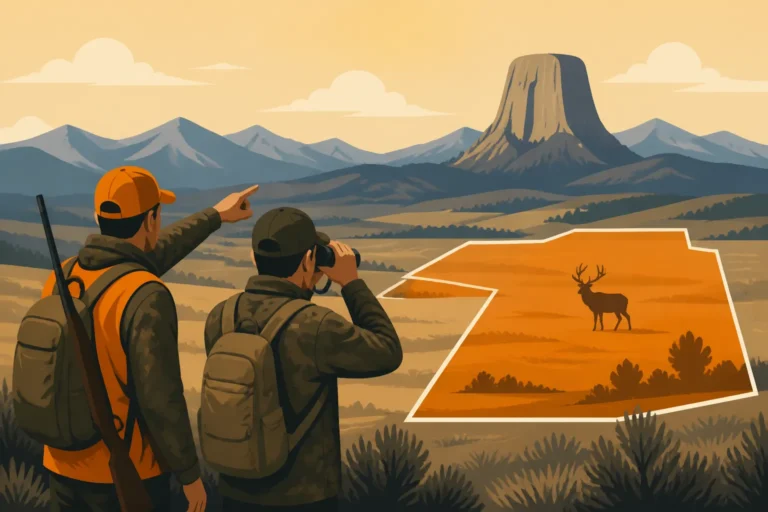
Wyoming boasts an incredible amount of public land, but it also has a complex mosaic of land ownership, including federal, state, and private parcels. On a semi-guided hunt, especially if the outfitter is setting you up on public ground, you are responsible for understanding and respecting these boundaries. While your outfitter will provide guidance, the onus is on you to ensure you're not trespassing or inadvertently straying into closed areas. Using tools like mapping apps such as GoHunt's platform can be invaluable for understanding property lines, but remember that technology isn't infallible. You also need to be aware of Wyoming's Wilderness Guide Law for Nonresidents if your hunting takes you into designated wilderness areas, as some exceptions apply, but it's vital to know the rules. Navigating these complexities requires diligent map reading, awareness, and a commitment to staying within legal and ethical bounds.
Finding and Vetting a Semi-Guided Outfitter
Securing a great semi-guided hunt isn't just about finding someone who offers the service; it's about finding the right someone. Just like any major investment, doing your homework on outfitters is crucial. There are many reputable operators, but also some who might not deliver on their promises.
Key Questions to Ask
When you’re considering a semi-guided hunt, don’t be shy about asking a lot of questions. This isn't just a casual booking; it's an investment in your hunt. Start with the basics:
- "What exactly is included in the price? Is there a list of what's provided in camp (e.g., stove, fuel, cots, cooking utensils)?"
- "What level of pre-scouting and current intel do you provide? Will you show me specific areas on a map, or just general advice?"
- "Describe your game retrieval policy. How far are you willing to go? What equipment is used? Is there an extra charge if the animal is very far from camp?"
- "What is the typical success rate for your semi-guided clients in this unit?" (Though remember, success is highly dependent on your skills on this type of hunt).
- "What are the sleeping arrangements, and how many other hunters will be in camp at the same time?"
- "What’s your communication plan for emergencies or successful harvests while I’m in the field?"
- "Can you provide references from past semi-guided clients?"
- "Are there any additional fees I should be aware of, like trophy fees, tips, or transportation from the nearest town?" It's important to understand What Outfitter Prices Leave Out beyond the base package.
Don't just listen to the answers; gauge the outfitter's willingness to be transparent and helpful.
Reading Contracts and Understanding Inclusions
Once you’ve narrowed down your choices, you'll inevitably receive a contract. This isn't just a formality; it's the legally binding agreement outlining what both parties are committing to. Read every single clause carefully. Pay close attention to:
- Deposit and Payment Schedule: What are the deadlines, and are deposits refundable under any circumstances (e.g., if you don't draw a tag)? Many outfitters have a strict no-refund policy if you cancel, but what if they cancel?
- Inclusions and Exclusions: Is the list of what's provided exhaustive? If it's not explicitly listed, assume it's not included. This helps avoid misunderstandings later on.
- Cancellation Policy: What happens if you get sick, have a family emergency, or simply can't make the hunt? What if the outfitter cancels due to unforeseen circumstances?
- Liability Waivers: Most outfitters will have you sign one. Understand what you’re agreeing to in terms of risk.
- Game Retrieval Specifics: Re-verify the details from your questions in writing.
A clear, comprehensive contract protects both you and the outfitter. If anything is unclear, ask for clarification in writing before signing.
Researching Outfitter Reputations
Before you send a deposit, a deep dive into an outfitter's reputation is absolutely critical. This is where modern tools and good old-fashioned networking come into play. Start by looking for their licensing information through the Wyoming Board of Outfitters and Professional Guides. Ensure they are currently licensed and check for any past complaints.
Then, expand your search:
- Online Reviews and Forums: Websites like BookYourHunt can be a great place to find outfitters and often have reviews from past clients. Hunting forums (like those you might find on GoHunt's community sections) can also be goldmines for honest, firsthand accounts. Look for patterns in reviews, both positive and negative.
- References: Always ask for client references, and actually call them. Ask specific questions about the outfitter’s communication, the accuracy of their description of services, the condition of the camp, and the effectiveness of their game retrieval assistance. Ask if they’d hunt with them again.
- Social Media: Look at their social media presence. Are they active? Do they post recent pictures that align with what they claim?
- Hunting Shows/Expos: If possible, meet the outfitter in person at a hunting expo. A face-to-face conversation can tell you a lot about their personality and professionalism.
This thorough vetting process, outlined further in resources like Vetting a Wyoming Outfitter Before You Send a Deposit, dramatically increases your chances of a successful and enjoyable semi-guided experience.
Preparing for Your Semi-Guided Wyoming Adventure
Even with some support from an outfitter, a semi-guided hunt in Wyoming is not a casual undertaking. Your personal preparation, both physical and mental, will heavily influence your success and enjoyment. This is where the "semi" part truly comes into play – you're still largely responsible for your own capabilities in the field.
Physical and Mental Conditioning
Wyoming's diverse landscape, from high mountain ranges to expansive sagebrush flats, can be physically demanding. On a semi-guided hunt, you'll likely be covering significant ground on foot, potentially at altitude, and carrying your pack. There won't be a guide pushing you or carrying your load. Therefore, serious physical conditioning is non-negotiable. Start an exercise regimen well in advance: hiking with a loaded pack, cardio to build endurance, and strength training. Don't underestimate the impact of altitude; if you're coming from sea level, even moderate elevations can be taxing.
Beyond the physical, mental toughness is crucial. You'll face challenges: bad weather, long days without seeing game, frustrating misses, or difficult pack-outs. The ability to stay positive, persist through discomfort, and maintain focus when tired is a huge asset. A semi-guided hunt tests your resolve and your independence.
Gear Essentials and Self-Sufficiency
Your outfitter will handle the major camp logistics, but everything you take into the field each day is your responsibility. This means being meticulously prepared with your personal hunting gear. Think about:
- Optics: High-quality binoculars and a spotting scope are critical for glassing vast Wyoming landscapes. Consider Optics Power for Wyoming's Long Sightlines.
- Navigation: A reliable GPS device (and knowing how to use it!), maps (physical and digital), and a compass are essential. Do not rely solely on your phone.
- Clothing: Layering is key for Wyoming's unpredictable weather. Be prepared for everything from warm sun to snow, often in the same day.
- First Aid: A comprehensive personal first-aid kit is a must, as you'll be on your own in the field.
- Firearm/Bow: Ensure your weapon is sighted in and you're proficient with it. For bowhunters, practice at distances you expect to shoot, understanding Realistic Archery Practice Distance for Big Game.
- Survival Gear: Always carry essentials like a headlamp, fire starter, water filter, and emergency shelter.
The key is self-sufficiency for the time you're away from base camp. You need to be able to handle unexpected situations without immediate support.
Understanding Wyoming Regulations
Ignorance of the law is never an excuse. Even with an outfitter providing some guidance, you are personally responsible for knowing and adhering to all Wyoming hunting regulations. This includes:
- Tagging Requirements: Know exactly where and how to attach your tag immediately after a kill.
- Evidence of Sex/Species: Understand what parts of the animal must accompany the carcass until it reaches final processing.
- Carcass Transport Rules: Especially concerning Chronic Wasting Disease (CWD) management areas.
- Shooting Hours: Be aware of legal shooting light.
- Weapon-Specific Rules: If you're bowhunting, know the minimum draw weight and broadhead rules. If rifle hunting, understand legal calibers. Wyoming Sets Bow Draw Weight at 40 Pounds, 50 for Elk and Wyoming's 40-Pound Minimum for Deer, Antelope and Sheep are examples of specific rules you must know.
Always carry a copy of the current year's regulations with you. Review them thoroughly before your hunt, and don't hesitate to ask the Wyoming Game and Fish Department directly if you have any questions. Your outfitter can provide general advice, but the ultimate responsibility rests with you.
| Feature | DIY Hunt | Semi-Guided Hunt | Fully Guided Hunt |
|---|---|---|---|
| Cost | Lowest (gear, licenses, travel only) | Medium (some outfitter services) | Highest (all-inclusive) |
| Independence | Maximum | High | Low |
| Responsibility | All aspects: scouting, logistics, field work, retrieval | Most field decisions, some logistics and retrieval support | Minimal field decisions, logistics handled |
| Camp/Logistics | You provide everything | Outfitter provides base camp, some amenities | Outfitter provides full camp, meals, etc. |
| Field Guidance | None | Pre-hunt intel, area suggestions | Guide with you actively hunting |
| Game Retrieval | Entirely on you | Outfitter assists with pack-out | Outfitter handles entire retrieval |
| Learning Curve | Steep | Moderate to high, with some mentorship | Lower, guided experience |
| Ideal For | Experienced, self-reliant hunters with time | Experienced hunters wanting some support and independence | Hunters seeking maximum convenience, learning, or a higher success chance |
Disclaimer
This article is for general informational purposes only and does not constitute professional advice. Laws, prices and regulations vary by location and change over time. Consult a qualified professional for guidance on your specific situation.