Tribal Permits on the Wind River Reservation
Hunting on Native American tribal lands is often a big question mark for many hunters, especially those new to Wyoming or accustomed to strictly state-regulated seasons. It’s a common frustration to look at a map, see a vast expanse of potential hunting ground like the Wind River Reservation, and not understand how to legally access it, or even if it's possible. This guide is here to untangle that complexity, explaining exactly what you need to know about tribal permits and the unique hunting opportunities on the Wind River Reservation.
Understanding the Unique Jurisdiction of the Wind River Reservation
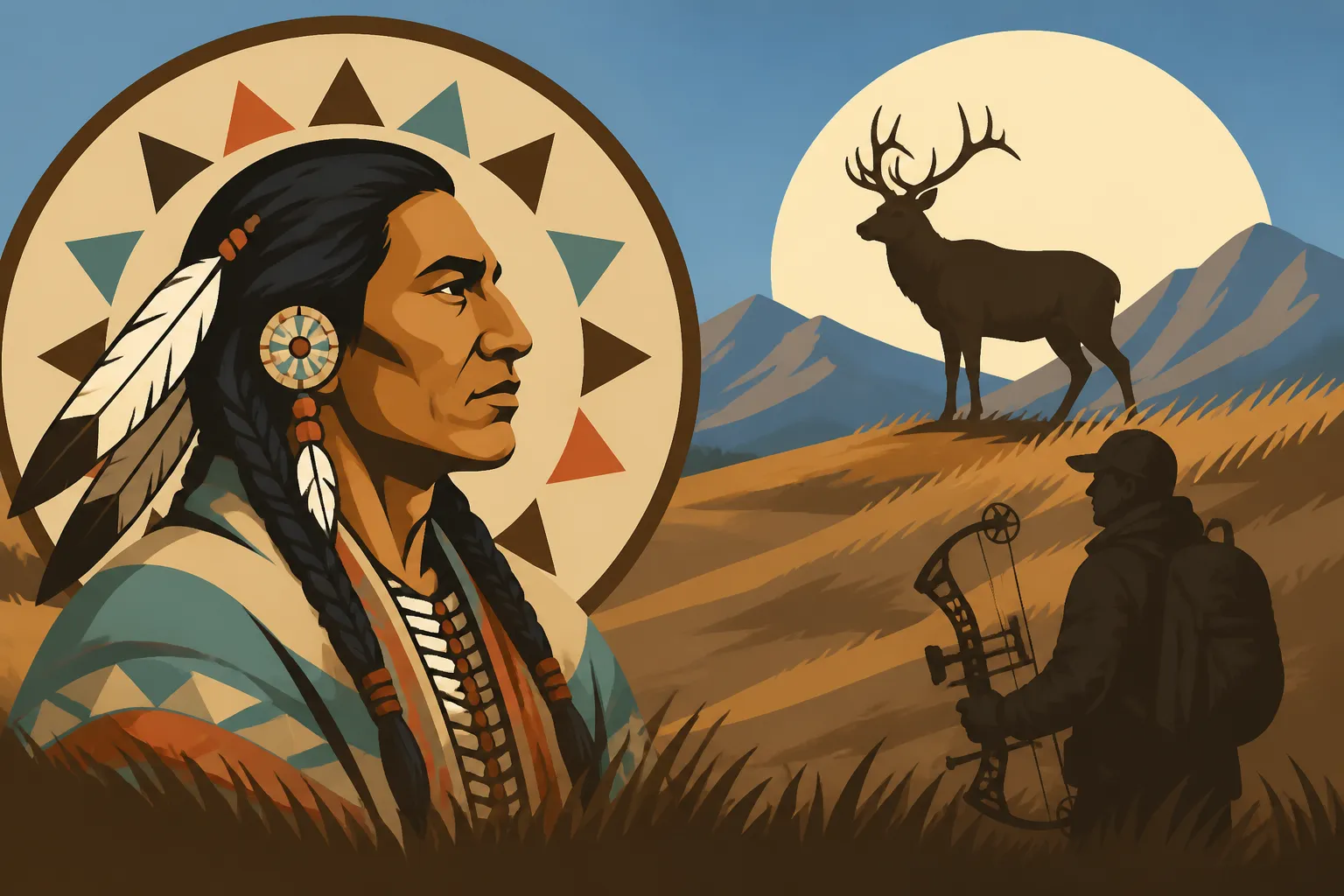
The first and most important thing to grasp about the Wind River Reservation is that it operates under a different set of rules than the rest of Wyoming. It's not public land in the typical sense, nor is it private land where you can just ask for permission from a single landowner. The Wind River Reservation is the sovereign territory of the Eastern Shoshone Tribe and the Northern Arapaho Tribe, who jointly manage its resources. This means that Wyoming state hunting licenses, tags, and regulations generally do not apply within the reservation boundaries.
Tribal Sovereignty and Hunting Regulations
When you step onto the Wind River Reservation, you are entering lands where the tribal governments hold primary jurisdiction over wildlife and natural resources. This is a fundamental aspect of tribal sovereignty, meaning they have the authority to establish and enforce their own hunting laws, seasons, and permitting systems, independent of the Wyoming Game and Fish Department. Many hunters are surprised by this, having previously thought "Wyoming is Wyoming," but it's a critical distinction. It means that while state regulations might dictate something like Wyoming Legal Firearm List for Big Game for a hunt just outside the reservation, those rules might not be the same once you cross the boundary onto tribal lands.
The reason for this distinction goes back to treaties and the inherent rights of tribal nations. They maintain the right to manage their lands and resources for the benefit of their tribal members. This includes everything from setting bag limits and season dates to determining who can hunt and what they must do to obtain permission. It's a system designed to preserve cultural heritage, sustain wildlife populations for tribal members, and manage the reservation's ecosystem holistically.
Differences from State of Wyoming Regulations
The differences between tribal and state regulations can be quite significant. For instance, while Wyoming Game and Fish sets specific statewide seasons and draw odds for elk, deer, and antelope, the Shoshone and Arapaho Fish and Game Department establishes its own, often separate, seasons and quotas for these same species within the reservation. The application process, the fees, and even the types of licenses available can vary wildly.
It's not just about big game either. Regulations for small game, upland birds, and even fishing can differ. You won't find information about Wind River Reservation hunting in the standard Wyoming Game and Fish regulations booklet. Instead, you must consult the official sources provided by the Shoshone and Arapaho Tribes. This requires a dedicated effort to research and understand their specific rules, which can feel like starting from scratch for experienced hunters. The good news is that these tribes do have established departments and websites for non-tribal members to inquire and apply.
Who Can Hunt on the Wind River Reservation?
Hunting opportunities on the Wind River Reservation are primarily reserved for tribal members. However, the tribes have, at times, offered permits to non-tribal members, creating unique opportunities that don't exist anywhere else in the state. Understanding who is eligible and under what circumstances is key.
Tribal Member Privileges
For enrolled members of the Eastern Shoshone and Northern Arapaho Tribes, hunting on the Wind River Reservation is a deeply ingrained cultural practice and a subsistence right. They have access to licenses and seasons specifically for their use, often with different fee structures or no fees at all. These privileges are part of their sovereign rights and ensure that tribal members can continue traditional hunting practices and provide for their families. The management of wildlife is often guided by both biological science and traditional ecological knowledge, a blend that can result in unique conservation approaches.
It's important to recognize that these are not "Wyoming residents" in the state hunting context; they are citizens of their respective tribal nations with their own set of hunting rights on their ancestral lands. This internal system is distinct and operates separately from the state's resident/non-resident classifications.
Opportunities for Non-Tribal Members
While the primary focus is on tribal members, the Wind River Reservation has historically offered limited hunting opportunities to non-tribal members. These permits are typically highly sought after and are often managed through their own application process, which will not be found on the Wyoming Game and Fish website. Historically, these might include special draw permits for elk, deer, or antelope, and sometimes opportunities for black bear or mountain lion.
These non-tribal permits serve several purposes: they can generate revenue for tribal wildlife management and conservation programs, and they allow for controlled harvest that aligns with the tribes' overall wildlife management objectives. The availability of these permits can change year to year based on herd health, population objectives, and tribal council decisions, so constant vigilance and direct communication with the tribal game and fish department are essential. These are not typically "over-the-counter" tags, and usually involve some form of application or lottery, similar in spirit, though not in execution, to Wyoming's limited quota draws.
Navigating the Permit Process for Non-Tribal Members
So, you're a non-tribal member and you're interested in hunting on the Wind River Reservation. How do you actually get a permit? This is where many hunters get stumped because the process is entirely separate from what they're used to with state drawings.
Contacting the Shoshone and Arapaho Fish and Game Department
The absolute first step is to contact the Shoshone and Arapaho Fish and Game Department directly. This is the sole authority for issuing hunting permits on the reservation to both tribal and non-tribal members. Do not assume any information you find on state websites or general hunting forums is accurate for tribal lands; always go to the source.
You'll need to research their official website or contact them via phone or email to inquire about non-tribal hunting opportunities. They will provide the most up-to-date information regarding:
- Permit Availability: Which species, if any, are open to non-tribal hunters for the upcoming season.
- Application Periods: When you can apply, as these dates will differ from state deadlines.
- Application Requirements: What documents you need, application forms, and any specific eligibility criteria.
- Fees: The cost of permits, which can be different from state license fees.
- Regulations: A copy of their specific hunting regulations, which are paramount to understand.
This direct communication is vital, as information about tribal hunts is not as widely disseminated as state-level regulations. A resource like GoHunt might help you with general state draw odds and regulations, but for tribal land, you're stepping into a different information ecosystem entirely.
Application and Eligibility Requirements
When you apply for a tribal permit, expect requirements that mirror, but are not identical to, state applications. You'll likely need to provide personal identification, and potentially demonstrate hunter education certification, though the specific requirements are set by the tribes. Some tribal permits may even require a tribal guide, particularly for non-tribal hunters seeking to navigate specific areas or target certain species. This is similar to how Wyoming's Wilderness Guide Law for Nonresidents applies in certain state-managed wilderness areas.
Table: Key Differences in Permit Acquisition
| Feature | Wyoming State Permit Process | Wind River Reservation Tribal Permit Process |
|---|---|---|
| Issuing Authority | Wyoming Game and Fish Department | Shoshone and Arapaho Fish and Game Department |
| Primary Beneficiaries | Residents & Nonresidents via draws/OTC | Tribal Members First, then Non-Tribal opportunities |
| Application Platform | Wyoming Game and Fish ELS online system | Direct application to Tribal Fish & Game Dept. |
| Information Source | WGFD website, regulations booklets | Tribal Fish & Game website, direct contact |
| License Applicability | Statewide (outside reservations) | Within Reservation boundaries only |
| Guide Requirement | For non-residents in specific wilderness areas | Potentially required for some non-tribal hunts |
It's also crucial to ask about any specific ethical guidelines or cultural considerations the tribes expect of hunters on their land. Respecting the land and its traditions is paramount when hunting on the Wind River Reservation. Mapping tools like onX Hunt can be incredibly useful once you have a permit to understand specific boundaries and navigate the terrain, but they won't replace direct engagement with the tribal authorities for the permit itself.
Species and Seasons on the Reservation
The Wind River Reservation boasts a diverse landscape, from vast sagebrush plains to mountainous timber, supporting a wide array of big game and other species. The tribes manage these populations with care, aligning seasons and quotas with their conservation goals.
Big Game Opportunities
Historically, the reservation has offered opportunities for several iconic Wyoming big game species.
- Elk: The mountainous regions and timbered areas can hold significant elk populations. These hunts are often highly challenging and rewarding.
- Mule Deer: Much like the surrounding state lands, mule deer are a prevalent species across the reservation, from the high country to the lower sage flats. Hunters can apply for permits similar to those found on state lands, though the specific Best Time of Day to Glass Mule Deer or the methods of Reading Fresh Elk Sign in Dark Timber might be applied to different seasons or in different areas.
- Pronghorn: The open plains and rolling hills of the reservation are classic pronghorn country. These swift animals offer exciting hunts, often requiring precise stalking skills like Playing Wind Direction on an Open Sagebrush Stalk.
- Black Bear and Mountain Lion: Opportunistic hunts for predators like black bear and mountain lion may also be available. These are typically quota-based and require specific permits. Understanding details like The Black Bear Population Estimate Explained might not directly translate from state to tribal lands, but the biological principles are similar. For mountain lions, specific rules around Mountain Lion Quotas by Hunt Area or even the use of hounds might apply.
The seasons for these species will be set by the Shoshone and Arapaho Fish and Game Department, and they will likely have their own start and end dates that do not necessarily align with the general Wyoming state seasons. Always verify the current year's regulations directly with the tribes.
Other Game and Considerations
Beyond big game, there may be limited opportunities for other species, such as upland birds or waterfowl, depending on tribal management decisions. Fishing is also regulated by the tribes, and a separate tribal fishing permit is typically required for reservation waters.
It's vital to remember that hunting on the reservation is a privilege, and strict adherence to all tribal regulations is expected. This includes not just bag limits and season dates, but also rules around trespass, vehicle use, and respectful conduct. The tribes often have their own game wardens who enforce these regulations rigorously. Hunters considering an application should also think about Preparing for Altitude on a Wyoming Hunt, as much of the reservation is at significant elevation, and physical conditioning is crucial.
Respecting the Land and Culture While Hunting
Hunting on the Wind River Reservation isn't just about bagging an animal; it's about engaging with a landscape and a culture that has deep historical and spiritual significance to the Eastern Shoshone and Northern Arapaho people. As non-tribal visitors, respecting this heritage is paramount.
Cultural Sensitivity and Etiquette
When you are granted the privilege to hunt on tribal lands, you are a guest. This means conducting yourself with the utmost respect for the land, the wildlife, and the tribal community. This includes:
- Understanding Sacred Sites: Be aware that certain areas may be considered sacred or culturally significant. Avoid disturbing these areas, even if they aren't explicitly marked as off-limits to hunting.
- Respecting Tribal Customs: If you encounter tribal members, especially those engaged in traditional activities, always be respectful and courteous. Learn about the tribes' history and relationship with the land to deepen your appreciation for the opportunity you've been given.
- Adhering to All Rules: This goes beyond just hunting regulations. Pay attention to rules about camping, fire restrictions, waste disposal, and any other guidelines provided by the Shoshone and Arapaho Fish and Game Department. Leave no trace.
This level of respect is not just a polite suggestion; it's a fundamental requirement for anyone wishing to hunt on the reservation. The continuation of non-tribal hunting opportunities often depends on positive relationships and responsible behavior from visitors.
Navigating Boundaries and Access
The Wind River Reservation encompasses a vast area, and understanding its boundaries is critical for legal hunting. While mapping applications like onX Hunt are incredibly helpful for visualizing property lines, they should always be used in conjunction with official tribal maps and your permit documentation. Remember, the rules of How to Read a Wyoming Hunt Area Number or state land designation don't apply here.
You must be absolutely certain that you are within the designated hunting areas specified by your tribal permit and that you are not trespassing on private tribal allotments or other restricted areas. Access points might be different from state public land access. Always clarify access routes and boundaries with the Shoshone and Arapaho Fish and Game Department before your hunt. There may be specific roads or trails designated for hunter access, and others that are not. Misunderstanding a boundary can lead to serious consequences, including fines and loss of hunting privileges.
Planning your trip well in advance, much like you would for a challenging state hunt, is essential. This includes understanding the terrain, scouting (if permitted), and making sure you have all the necessary supplies. Knowing How Far Ahead to Book a a Wyoming Hunt is a good mindset, even if the timeline for tribal permits is different. Hunting on the Wind River Reservation can be a truly unique and rewarding experience, offering a glimpse into the rich heritage and diverse wildlife of this special part of Wyoming, provided you approach it with respect and thorough preparation.
Disclaimer
This article is for general informational purposes only and does not constitute professional advice. Laws, prices and regulations vary by location and change over time. Consult a qualified professional for guidance on your specific situation.