Blaze Orange Rules While Decoying in Wyoming
The thrill of a decoy hunt in Wyoming is truly something else – watching an antelope buck charge in, or a bull elk trying to intimidate a rival. But let's be honest, trying to navigate the rules, especially when it comes to something as critical as blaze orange, can feel like walking through a minefield. Many hunters wonder if they need to be decked out in orange when using decoys, and the answer isn't always as straightforward as we'd like. This guide is here to clear up that confusion, diving deep into Wyoming's regulations and offering practical advice so you can decoy with confidence and safety.
General Blaze Orange Requirements in Wyoming
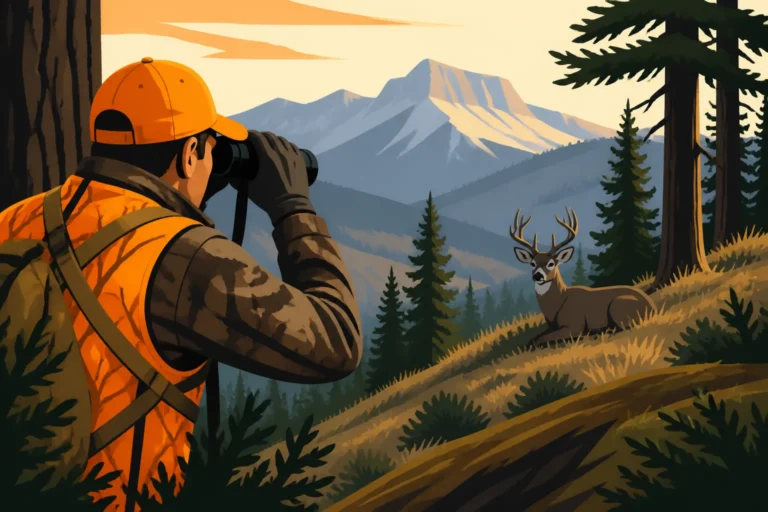
First, let's lay down the groundwork. Wyoming takes hunter safety seriously, and blaze orange is a cornerstone of that. The state mandates specific blaze orange requirements primarily during rifle seasons for big game. This isn't just a suggestion; it's a legal obligation designed to ensure maximum visibility and reduce the risk of mistaken identity in the field. Think about those wide-open plains or dense timber – anything that makes you stand out from the natural landscape is a good thing.
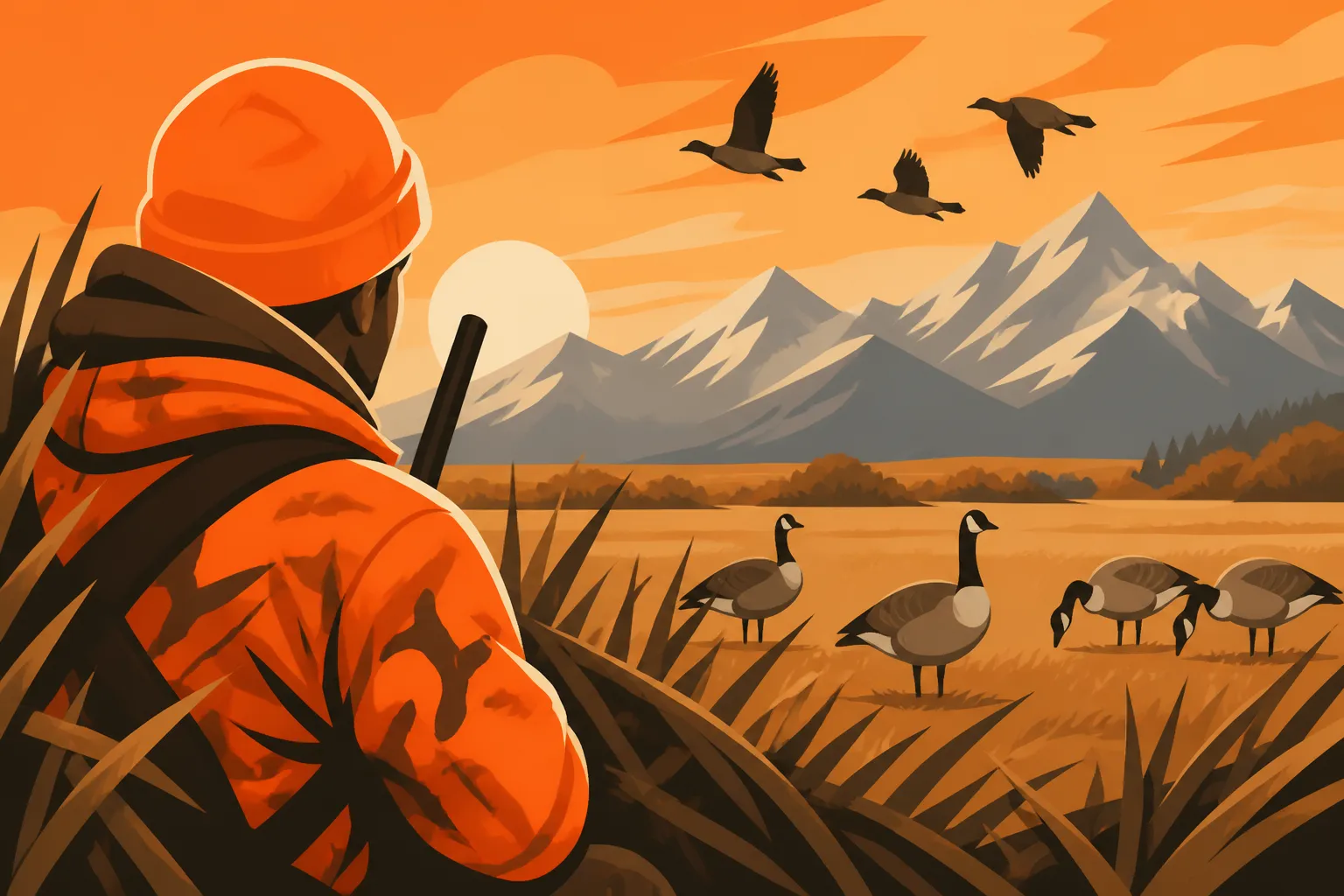
The general rule of thumb is that any person hunting big game (like elk, deer, moose, or antelope) during a firearm season that runs concurrently with a general big game firearm season must wear a minimum of 500 square inches of fluorescent orange. This includes a head covering, which must be visible from all directions. This rule is in place whether you're stalking, still-hunting, or sitting on a stand. It's all about making sure that every other hunter in the vicinity can easily identify you as a human, not an animal. The regulations are pretty clear on this point, aiming for unambiguous identification. For instance, when the general rifle season opens for deer, everyone out there pursuing deer with a firearm, or even just in the field pursuing other big game that have open firearm seasons, needs to be wearing that orange. It's a critical safety measure, especially when so many hunters are sharing the vast public lands that make Wyoming such a fantastic destination. You can find detailed breakdowns of these regulations in resources like the official Wyoming Game and Fish Department website or apps like GoHunt, which often compile these rules for easy access.
When Blaze Orange is Mandated by Law
The requirement for blaze orange kicks in when you're hunting big game during an open general firearm season. This includes species like elk, deer, and antelope. It's not limited to just your season; if a general rifle season for any big game is open in your unit, and you're hunting big game, you need to wear orange. This is where a lot of the confusion can arise. You might be hunting antelope during an archery-only period, but if there's an overlapping general rifle deer season, technically, you need to be wearing orange. The state's goal is to prevent accidents by making sure no one is mistaken for game, regardless of what weapon they are using if other firearm seasons are open.
It’s about protecting everyone, not just those carrying a rifle. Imagine being in a popular elk unit; even if you're bowhunting, if the general rifle elk season is also open, you're expected to wear orange. This crossover protection is why understanding the specific season dates for all species in your hunt area is absolutely vital. Websites like GoHunt provide excellent tools for navigating these complex season structures. Always check the current year's regulations booklet for your specific hunt area. You'll often see distinct rules for different license types, such as a Wyoming General Elk Licenses and Where They Work compared to limited quota tags. Similarly, understanding the specifics of Wyoming's Statewide September Archery Deer Season versus the later rifle seasons will dictate your orange requirements.
Exceptions to the General Rule
There are specific scenarios where blaze orange isn't required by Wyoming law. Typically, these exceptions revolve around seasons or methods where the risk of mistaken identity is deemed lower, or where wearing orange would fundamentally hinder the hunting method. For instance, during archery-only seasons for big game, or during specified short-range weapon seasons (like muzzleloader-only hunts that don't overlap with general firearm seasons), blaze orange is generally not legally required. However, even if it's not mandated, many seasoned hunters choose to wear a blaze orange vest or hat while walking in and out of their stand or scouting, only removing it when actively hunting from a concealed position. This voluntary safety measure highlights the core principle: visibility is always a good idea, legal requirement or not.
Waterfowl hunters, small game hunters, and predator hunters generally do not have a blaze orange requirement, unless they happen to be hunting in an area and during a time when a big game rifle season is simultaneously open. This is where detailed planning comes into play. You need to know not just your own season, but what other seasons might be active in your chosen hunting grounds. It's a small detail that can have big implications for safety and compliance. It’s also important to differentiate decoying from other hunting methods. For example, the rules around Is Baiting Ever Legal for Deer Hunting? are entirely separate from those covering decoying.
Decoying Strategies and Blaze Orange Application
Decoying is an exciting and effective way to hunt, particularly for species like antelope and elk. The entire premise is to fool an animal into coming closer, often by presenting a visual challenge or an attractive target. This method inherently relies on camouflage and blending into the environment, which seems to directly conflict with wearing bright blaze orange. This is where the nuances of Wyoming's regulations, and good old common sense, really come into play.
The legal requirement for blaze orange hinges on the type of season you're participating in. If you're decoying during an archery-only season, where no general firearm seasons for big game are open, then legally, you are not required to wear blaze orange while actively hunting. However, the moment that archery season overlaps with a general rifle season, or if you're using a firearm (where legal) during a general rifle season, the blaze orange rules snap back into effect. This means you might need to adapt your decoy setup, or even your decoying strategy, to incorporate safety elements.
Decoying During Archery-Only Seasons
When you're out there with a bow and arrow, during a season designated as archery-only, the regulations typically don't require you to wear blaze orange while you're actively hunting from a concealed position. This is fantastic for decoying, as it allows you to fully commit to blending in. Think about those early September elk hunts when you're using an elk decoy to pull in a bull, or trying to lure in a wary pronghorn buck with a silhouette. In these scenarios, every bit of camouflage helps, and wearing bright orange would completely defeat the purpose. The state understands this, and the regulations reflect the specialized nature of archery hunting.
However, even though it's not legally mandated, many bowhunters choose to carry a blaze orange vest or hat in their pack. They'll wear it while walking to and from their hunting spots, or if they need to move through an area where visibility is poor. They'll only remove it once they've set up their decoy and are ready to take a shot. It's a pragmatic approach to safety, acknowledging that even in archery seasons, other hunters might be in the area, or you might encounter unexpected situations. Remember, during seasons like Wyoming Antelope Archery Opens Before Rifle, you're often among the first hunters out, but that doesn't mean you're the only one. Using your GoHunt mapping tool can help identify potential areas where other hunters might be, prompting an extra layer of caution.
Decoying During Overlapping Seasons
Here's where it gets tricky, and where a lot of hunters find themselves scratching their heads. What happens when your archery season, where you're decoying, overlaps with a general firearm season for another species, or even the same species, in the same hunt area? Wyoming's regulations are clear: if you are hunting big game during any general firearm season for big game that is open in that hunt area, you must wear blaze orange. This means that if you're trying to decoy an antelope with your bow, but a general rifle deer season is also open in your area, you are legally obligated to wear 500 square inches of blaze orange, including a head covering.
This requirement often frustrates decoy hunters, as it can drastically impact the effectiveness of their setup. A bright orange hat or vest can alert game, negating the stealth advantage of a decoy. In these situations, hunters often have to make a tough choice: either abandon the decoying strategy for that period, or find ways to integrate the orange while minimizing its impact. Some hunters might try to place their blaze orange behind the decoy, or on a non-shooting partner who stays farther back. Others opt for seasons that don't overlap with general firearm hunts. It's a compromise between legal compliance and hunting effectiveness. Always consult the official regulations for your specific hunt area and dates, as these can vary significantly. You can compare this to the general requirements outlined in Blaze Orange Requirements Through the Rifle Season.
Safety Best Practices for Decoying with Orange
Even when you're legally required to wear blaze orange while decoying, there are still ways to maximize safety without completely ruining your hunt. The goal is always to remain visible to other humans while trying to remain invisible (or appear non-threatening) to your target animal. This often involves strategic placement of your orange and constant awareness of your surroundings.
The fundamental rule of thumb is to wear your blaze orange when moving, or when you are not actively concealed. When you're making your way to your decoying spot, setting up, or breaking down, wear your full complement of orange. Once you're in position, and if the regulations allow for an exception during your specific hunting method within that season, you might remove a portion of it. However, if any general firearm season for big game is open in that area, you must maintain the 500 square inches. This often means finding creative solutions.
Strategic Placement of Blaze Orange
If you're in a situation where you must wear blaze orange while decoying, strategic placement becomes paramount. The primary aim of a decoy is to draw attention to itself, not to you. So, the goal is to keep your blaze orange as far away from the decoy as possible, while still fulfilling the legal requirement of being worn by you. One common tactic, especially for two-person teams, is for the shooter to be fully camouflaged and concealed, while a partner (also camouflaged) positions themselves slightly behind and to the side of the shooter, wearing the mandated blaze orange. This partner acts as the "safe" person, drawing any potential attention from other hunters away from the concealed shooter and the decoy.
Another approach, when hunting solo, is to place your blaze orange hat or vest behind you, perhaps hung on a bush or small tree, in a way that is still clearly visible from multiple directions, while you remain camouflaged and ready to shoot. However, you must ensure that the orange is still considered "worn" by you or is clearly associated with your position and meets the square inch requirement. This interpretation can be tricky, so it's always best to err on the side of caution and ensure the orange is directly on your person if there's any doubt. Never sacrifice safety for a shot. Always verify your target and be absolutely certain of what lies beyond it before taking any shot. The same principles that guide Reading Wind on an Open-Country Stalk also apply to understanding how other hunters might perceive your position.
Communicating with Hunting Partners
When decoying with a partner or a group, clear communication is your best defense against accidents. Before you even head out, discuss your setup, your roles, and your blaze orange strategy. Who will wear the orange? Where will the decoy be placed in relation to the shooter? How will you signal each other? Will one person be solely responsible for calling or decoying, while the other is the designated shooter? These are all critical questions. Tools like GoHunt's mapping features allow you to share your planned locations with partners, adding another layer of awareness.
Consider using two-way radios, especially in open country or dense timber where visual contact can be lost. Establish clear verbal commands or hand signals. If a bull is coming in hot, and your partner needs to adjust their position or confirm they are seen by other hunters, you need a system. Remember, the rule of Wyoming Requires One Guide for Every Two Nonresident Hunters during wilderness hunts exists for a reason: group safety and accountability are paramount. Even without a professional guide, this principle applies to any hunting party. Having a plan, and sticking to it, ensures everyone knows what's happening and can react safely, minimizing the chances of any dangerous miscommunication.
Decoying Specific Species and Blaze Orange Nuances
Different species often require different decoying techniques, and these differences can subtly influence how blaze orange rules are applied or interpreted. While the legal mandate remains consistent based on season type, the practical implications vary.
Antelope, for example, are often decoyed in wide-open country. A life-sized buck decoy can be remarkably effective at drawing in a territorial male. In these vast landscapes, visibility is both a blessing and a curse. It's easy for other hunters to spot your blaze orange from a distance, but also easy for them to mistake your decoy (or you, if improperly camouflaged) for an actual animal if you're not careful. For antelope, especially during archery season before general rifle seasons open, the lack of a blaze orange requirement is a huge advantage for decoying. When you are putting out Decoy Setups That Pull Pronghorn Bucks, you want them to focus solely on that silhouette.
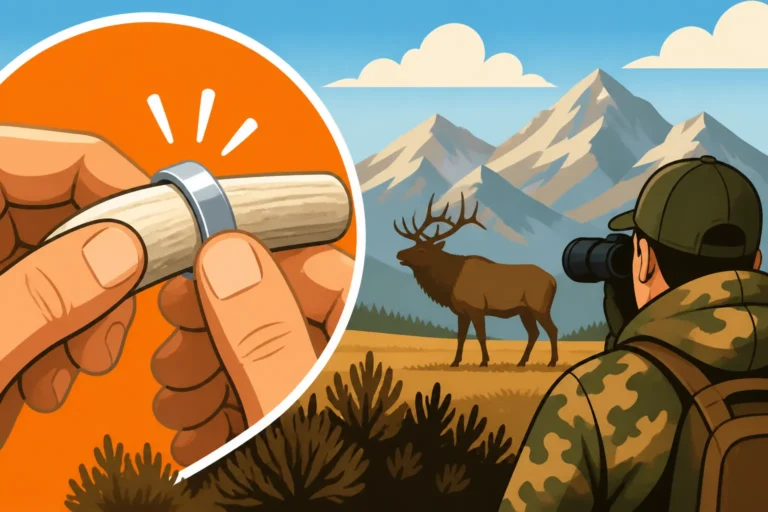
Elk decoying, particularly bugling with a decoy, often takes place in timber or broken terrain. While a legal requirement for orange during overlapping rifle seasons still stands, the broken landscape can make strategic concealment easier. A hunter could wear their blaze orange while moving through thick timber, then remove it and conceal it when setting up in a dense patch, still adhering to the spirit of safety by being visible during transit.
Pronghorn Antelope Decoying
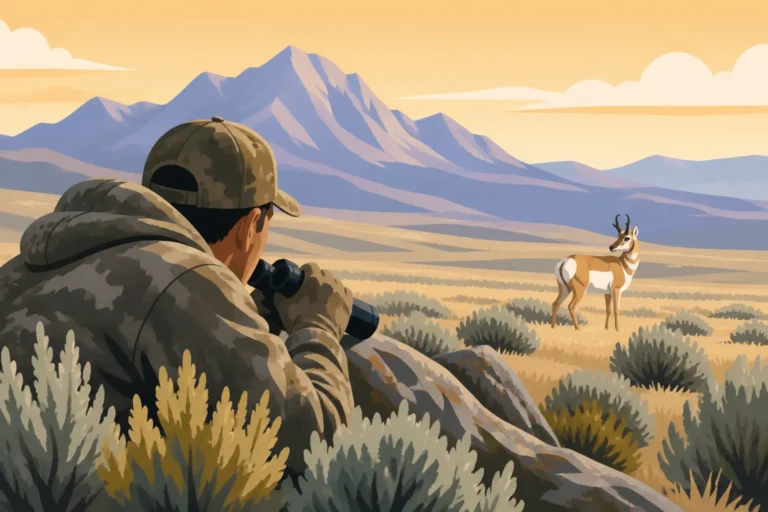
Pronghorn hunting in Wyoming is often synonymous with wide-open spaces, speed, and keen eyesight. Decoying is a thrilling way to bring those incredibly wary animals into bow range. During the early Wyoming Antelope Archery Opens Before Rifle season, you're generally not required to wear blaze orange while actively hunting. This is a massive advantage for antelope decoying, as you can fully utilize camouflage to blend into the sagebrush and prairie. Your decoy will be the focal point, not your bright vest.
However, if you're decoying pronghorn during a general firearm season, or an archery season that overlaps with a general firearm season for any big game in your unit, you must wear that 500 square inches of blaze orange. This presents a unique challenge for pronghorn hunters. One effective tactic is to have a partner, wearing the orange, position themselves further back and to the side, maintaining a safe distance from the shooter and the decoy. This way, the shooter and decoy can remain camouflaged while the orange-clad partner acts as a beacon to other hunters. For solo hunters, the challenge is greater, and careful consideration of wind, terrain, and visibility becomes even more critical. Using natural contours and draws can help conceal both you and your orange until the moment of truth.
Elk Decoying in Timber and Openings
Elk decoying often happens during the archery season, especially through September when the rut heats up. In many areas, this is an archery-only period, meaning blaze orange is not legally required while actively hunting. This allows elk hunters to maximize their camouflage, which is crucial when trying to fool a sharp-eyed bull. The dense timber and broken terrain where elk often reside offer more opportunities for concealment. Hunters can wear blaze orange while traversing known travel corridors or when entering/exiting their hunt area, then stash it when they move into their ambush position for decoying.
However, as with other species, if you are decoying elk during a general firearm season, or an archery season that overlaps with a general firearm big game season in your unit, then the blaze orange requirement applies. This is particularly challenging in timber, where visibility can already be limited. In such cases, having a dedicated "orange carrier" partner, as discussed, can be highly effective. If solo, ensure your orange hat or vest is visible from all angles while you remain as concealed as possible. Always be aware of your backdrop, your shooting lanes, and the potential presence of other hunters. For example, if you're calling elk on Calling Elk on Pressured Wyoming Public Land, the chance of encountering other hunters increases, making blaze orange even more important. Understanding Wyoming Elk Season Dates Are Set Hunt Area by Hunt Area will give you the specific window when these rules apply.
Navigating Regulations and Staying Safe
The world of hunting regulations can be dense, and it's easy to get lost in the details. However, when it comes to safety measures like blaze orange, ignorance is not an excuse. Taking the time to thoroughly understand the rules for your specific hunt, especially when employing specialized tactics like decoying, is non-negotiable.
The Wyoming Game and Fish Department is your primary resource for all official regulations. They publish an annual regulations booklet that details all seasons, weapon restrictions, and safety requirements. Many hunters find the digital versions or apps helpful, as they can be accessed in the field. Websites like GoHunt also provide excellent summaries and mapping tools that integrate regulation data, allowing you to visualize hunt unit boundaries and season overlays. Remember that regulations can change year to year, so always consult the most current version.
Essential Resources for Wyoming Hunters
For any hunter planning a trip to Wyoming, having the right resources at your fingertips is key to staying safe and legal. The Wyoming Game and Fish Department's official website is an invaluable starting point. They publish comprehensive regulations booklets for each species, which are updated annually. These booklets detail everything from license requirements to legal shooting hours, and crucially, blaze orange rules. You'll find specific dates for when different weapons are allowed, like What Wyoming Counts as a Legal Firearm for Big Game or Crossbow Hunting in Wyoming: 90 Pounds and a 16-Inch Bolt, and how these might influence your blaze orange needs.
Beyond the official state resources, digital tools have become indispensable. Mapping applications like onX Hunt, or comprehensive planning platforms like GoHunt, offer overlays for public and private land, hunt unit boundaries, and often integrate regulation summaries. These tools can help you identify if your chosen decoying spot falls within a general firearm season, even if you're primarily bowhunting. It's also wise to join online forums or social media groups dedicated to Wyoming hunting. These communities often share real-time insights, answer questions, and discuss specific scenarios, providing a practical layer of understanding that complements the official legal text. Always cross-reference any information you find online with the official Game and Fish regulations to ensure accuracy.
Making Informed Decisions in the Field
Even with all the research in the world, the actual hunting experience often throws curveballs. The ability to make quick, informed decisions in the field is a hallmark of an ethical and safe hunter. When it comes to blaze orange and decoying, this means constantly assessing your situation. Is visibility changing due to weather or time of day? Have other hunters entered your area? Are you in a location where a general firearm season is open, even if you're bowhunting?
If there's ever a doubt about whether you should be wearing blaze orange, err on the side of caution and put it on. A missed opportunity due to a spooked animal is far better than a tragic accident. Hunter education courses, which are required for Anyone Born After 1965 Needs Wyoming Hunter Education, emphasize these principles of safety and decision-making. Always identify your target beyond a shadow of a doubt, be aware of your surroundings, and know what lies behind your target. When decoying, consider the full 360 degrees. An animal might approach from an unexpected direction, and another hunter might be observing from an equally unexpected vantage point. Be mindful of The Rules on Hunting From a Vehicle if you're using a vehicle for access or to transport decoys; even then, blaze orange might be necessary depending on the circumstances. Safety is not just about following the letter of the law, but about embodying the spirit of responsible hunting.
Disclaimer
Please remember that hunting regulations, including those concerning blaze orange, can change. Always consult the most current Wyoming Game and Fish Department regulations for the specific year and hunt area before engaging in any hunting activities. This article is intended for informational purposes only and does not constitute legal advice.