Where Electronic Calls Are Legal for Big Game
It's easy to get caught up in the modern hunting tech boom, dreaming of that perfect bull elk lured in by a realistic bugle from an electronic call. We all want an edge, right? But when it comes to hunting big game in Wyoming, the rules are pretty specific about what you can and cannot use, especially when it comes to electronic calls. Understanding these regulations is crucial to staying legal and ethical in the field.
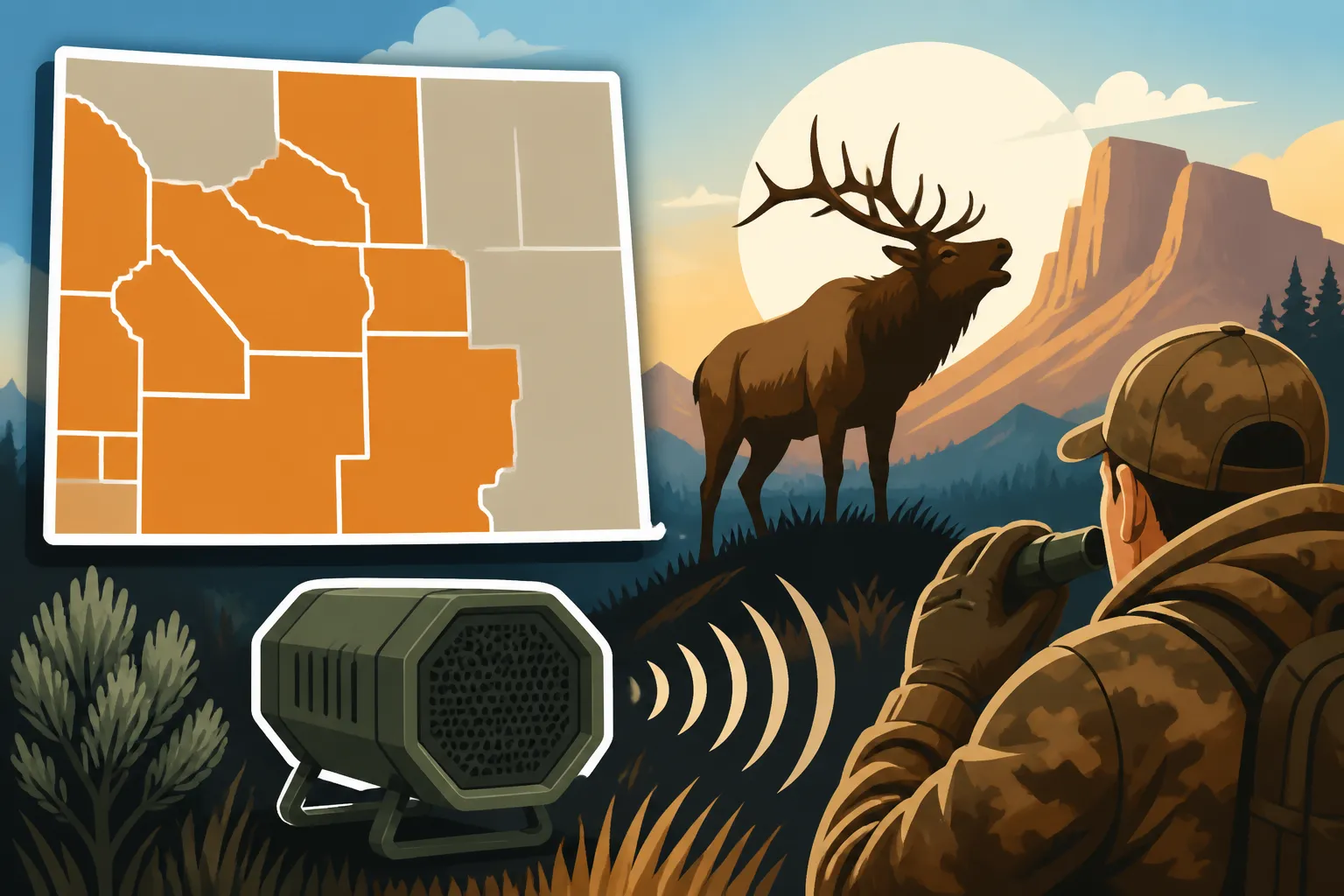
Wyoming's Stance: No Electronic Calls for Big Game or Trophy Game Animals
Let's cut right to the chase: if you're hunting elk, deer, antelope, or any other species classified as "Big Game" or "Trophy Game" in Wyoming, electronic calls are strictly off-limits. This isn't a gray area; it's a clear-cut rule that hunters need to adhere to. Trying to get around it can lead to serious legal trouble and fines.
Defining "Big Game" and "Trophy Game" in Wyoming
To truly understand the electronic call prohibition, we need to be clear about which animals fall under these designations in Wyoming. The Wyoming Game and Fish Department (WGFD) categorizes animals distinctly, and these classifications dictate many hunting regulations.
Big Game animals in Wyoming include:
- Elk
- Mule Deer
- Whitetail Deer
- Pronghorn Antelope
- Moose
- Bighorn Sheep
- Mountain Goat
- Bison
Trophy Game animals in Wyoming include:
- Black Bear
- Grizzly Bear (though hunting is currently restricted/prohibited, they are still classified)
- Mountain Lion
- Gray Wolf (within the designated Trophy Game Management Area)
When it comes to the use of electronic calls, the WGFD lumps these two categories together. This means the same prohibition applies across the board for all these species. Whether you're chasing a trophy bull elk or a savvy mountain lion, an electronic device emitting animal sounds is simply not allowed to aid in your hunt.
The Rationale Behind the Ban
You might wonder why such a strict rule exists, especially when technology is so prevalent in other aspects of life. The core reason lies in the principles of "fair chase" and ethical hunting that are deeply ingrained in Wyoming's hunting heritage. The idea is to ensure that hunters pursue animals using methods that give the animal a reasonable chance of escape, relying on the hunter's skill, woodcraft, and physical prowess rather than technological advantage.
Traditional calling, such as mastering a diaphragm call for elk or using a hand-blown fawn bleat, requires significant skill, practice, and an intimate understanding of animal behavior. It's a craft that's honed over seasons, often through trial and error, making the eventual success all the more rewarding. Using an electronic device, from a regulatory standpoint, is seen as circumventing this traditional challenge, potentially making the hunt too easy or unfair for the animal. It preserves the challenge and integrity of the hunt, ensuring that hunters truly earn their success.
What Constitutes an "Electronic Call"?
An electronic call is generally defined as any device that electronically produces or reproduces recorded or artificial sounds designed to attract game animals. This includes digital sound players, smartphone apps that play animal sounds, or any speaker system hooked up to mimic a bugle, grunt, or bleat. If it uses batteries and makes animal sounds, it's likely an electronic call.
It's important to differentiate these from traditional, non-electronic calls. Mouth calls, such as diaphragm calls for elk or turkey, and hand-operated bugles or fawn bleat calls, are perfectly legal and widely used. These devices rely on the hunter's breath and manipulation to create sounds, requiring genuine skill.
To illustrate the distinction, here's a quick breakdown:
| Device Type | Legal for Big Game/Trophy Game | Legal for Predators/Varmints |
|---|---|---|
| Electronic Game Call | No | Yes |
| Smartphone App with Calls | No | Yes |
| Mouth Call (e.g., Diaphragm) | Yes | Yes |
| Hand-blown Bugle/Grunt Call | Yes | Yes |
| Rattling Antlers | Yes | Yes (for deer) |
| Human Voice | Yes | Yes |
This table makes it pretty clear: if it's electronic and produces animal sounds, it's out for big game and trophy game animals.
Where Electronic Calls Are Permitted in Wyoming
While the ban for big game and trophy game is strict, there is a very important exception that many hunters utilize: predators and varmints.
Predators and Varmints: The Key Exception
This is where electronic calls truly shine and are perfectly legal in Wyoming. For species not classified as Big Game or Trophy Game, particularly predators and varmints, electronic calls are a widely accepted and often highly effective tool.
Examples of species you can use electronic calls for include:
- Coyotes
- Foxes (Red, Swift, Kit)
- Prairie Dogs
- Rabbits (Cottontail, Jackrabbit)
- Badgers
- Skunks
- Raccoons
- Crows
- And other non-game animals
Many hunters, both residents and non-residents, flock to Wyoming specifically for predator hunting, often relying heavily on advanced electronic call systems. Devices like the Foxpro Shockwave or Lucky Duck calls are popular choices for luring in coyotes and foxes, providing realistic distress calls, howls, and other sounds that mimic their prey or fellow canids. This creates an exciting and challenging hunting experience that is entirely legal within the state's regulations.
The reason for this distinction is largely management-based. Predator and varmint populations are often managed differently than big game, and the goal for these species can sometimes lean towards population control or simply providing additional recreational hunting opportunities without the same fair chase considerations applied to more regulated species.
It's All About Intent and Species
The critical takeaway here is that the legality of your electronic call hinges entirely on the species you are pursuing. If you're heading out for deer or elk, leave the electronic calls at home. If your intent is to call in coyotes or prairie dogs, then, by all means, power up your device.
It's not just about using the call, but also about possessing it in a manner that could be interpreted as aiding in the taking of big game. For instance, if you're on an elk hunt and have an electronic elk bugle in your pack, even if you claim you weren't going to use it, you could potentially face issues. The safest bet is to clearly separate your gear for big game hunting from your predator hunting gear. Don't carry any electronic calls when you're targeting big game or trophy game animals.
Navigating Common Misconceptions and Practical Advice
The world of hunting regulations can feel like a labyrinth, and there are definitely some common pitfalls and misunderstandings when it comes to calls and other attractants.
Electronic Calls vs. Physical Decoys
This is a frequently confused area. Many hunters wonder if the same rules apply to physical decoys as they do to electronic calls. The good news is, they generally don't! In Wyoming, using physical decoys for big game is generally legal and can be an incredibly effective strategy, particularly for species like pronghorn.
Think about a classic antelope hunt: you're stalking across the open sagebrush, and you pop up a Montana Decoy or similar realistic cutout to grab the attention of a curious buck. This visual trickery is a time-honored tactic and is allowed. Similarly, some elk hunters might use a raghorn elk decoy to draw in a bull. This is about visual deception, not electronic sound. So, while an electronic fawn bleat is out, a 2D antelope decoy is in. Just remember to always be mindful of hunter orange requirements, especially if you're decoying, to ensure you're clearly visible to other hunters. For more on getting up close, check out strategies like how "The Decoy Distance That Actually Pulls Antelope Bucks" can really make a difference.
The Difference Between Scouting and Hunting
Another common question is whether it's okay to use an electronic call for "scouting" purposes, even if you don't intend to use it during the actual hunt. For big game and trophy game in Wyoming, the spirit of the law, and often the letter, is to prevent any form of electronic sound assistance in pursuing these animals. While you might argue you're just trying to locate animals, a game warden could interpret the use of such a device, even during scouting, as aiding in the "taking" of game, which is prohibited.
It's always better to err on the side of caution. When scouting for big game in Wyoming, focus on traditional methods: glassing, tracking, checking trail cameras (where legal), and using mapping tools. Modern platforms like GoHunt are invaluable here, providing detailed maps, public/private land overlays, and historical draw odds that can help you scout a unit thoroughly from your couch. This kind of e-scouting, exploring a unit before the season opens, is a powerful and legal alternative to electronic sound devices. For deeper dives, look into "E-Scouting a Unit Before the Season Opens" and effective techniques like "Grid Glassing a Basin Without Missing Bucks".
Embracing Traditional Calling Techniques
Instead of lamenting the inability to use electronic calls for big game, view it as an opportunity to sharpen your skills with traditional methods. There's a profound satisfaction that comes from calling in an animal with nothing but your own breath and a piece of equipment that requires genuine mastery.
For elk hunters, learning to properly use a diaphragm call for cow calls and a bugle tube for bull sounds is a rite of passage. There are countless nuances to timing, tone, and volume that you simply can't replicate with a push of a button. Understanding when to use an aggressive bugle versus a soft chuckle, or a nervous cow call versus an estrus whine, can be the difference between success and failure. Consider exploring resources like "How to Bugle a Wyoming Bull Into Bow Range" or understanding "Bugle and Cow Call Timing Through the Rut" to elevate your game.
Deer hunters can also benefit from traditional calls, using grunt tubes or bleat calls to attract bucks. It forces you to become more attuned to the animal's natural sounds and behaviors, making you a more knowledgeable and successful hunter in the long run.
Essential Resources for Wyoming Hunters
Staying informed is your best defense against inadvertently breaking a regulation. Wyoming's hunting rules, like those in any state, can be complex and sometimes change from year to year.
Always Check Current Regulations
Before you even think about heading out into the field, whether it's for big game, trophy game, or predators, you absolutely must consult the most current Wyoming Game and Fish Department regulations. These are updated annually and are the definitive source for all legal hunting practices. You can usually find them online, and many sporting goods stores in Wyoming will have physical copies. A fantastic resource for navigating these rules is the "The Wyoming Hunt Planner", which provides interactive maps and detailed regulations by hunt area.
Don't rely on what you heard from a friend or what was legal five years ago. Take the time to read through the current rulebook, paying close attention to the "Methods of Take" sections for each species.
Utilize Mapping and Information Platforms
Beyond the official regulations, modern mapping and information platforms have revolutionized how hunters prepare. Tools like GoHunt offer incredible insights into hunt units, public land boundaries, private land overlays, and even past draw odds, allowing you to scout and plan your hunt with unparalleled precision. While it won't tell you if an electronic call is legal (you still need to check the WGFD regs for that!), it can help you understand the terrain, access points, and game distribution without needing any prohibited electronic sound devices. This is especially useful when you're "Scouting a Wyoming Unit From Your Kitchen Table", allowing you to formulate a solid strategy based on legal and ethical practices.
Disclaimer
Please remember that hunting regulations can change, and interpretations may vary. This article provides general information and should not be considered legal advice. Always consult the most current Wyoming Game and Fish Department regulations or contact the WGFD directly for the most accurate and up-to-date information before your hunt. Your responsibility as a hunter is to know and abide by all applicable laws and regulations.