Prairie Dog Shooting Rules on Wyoming Land
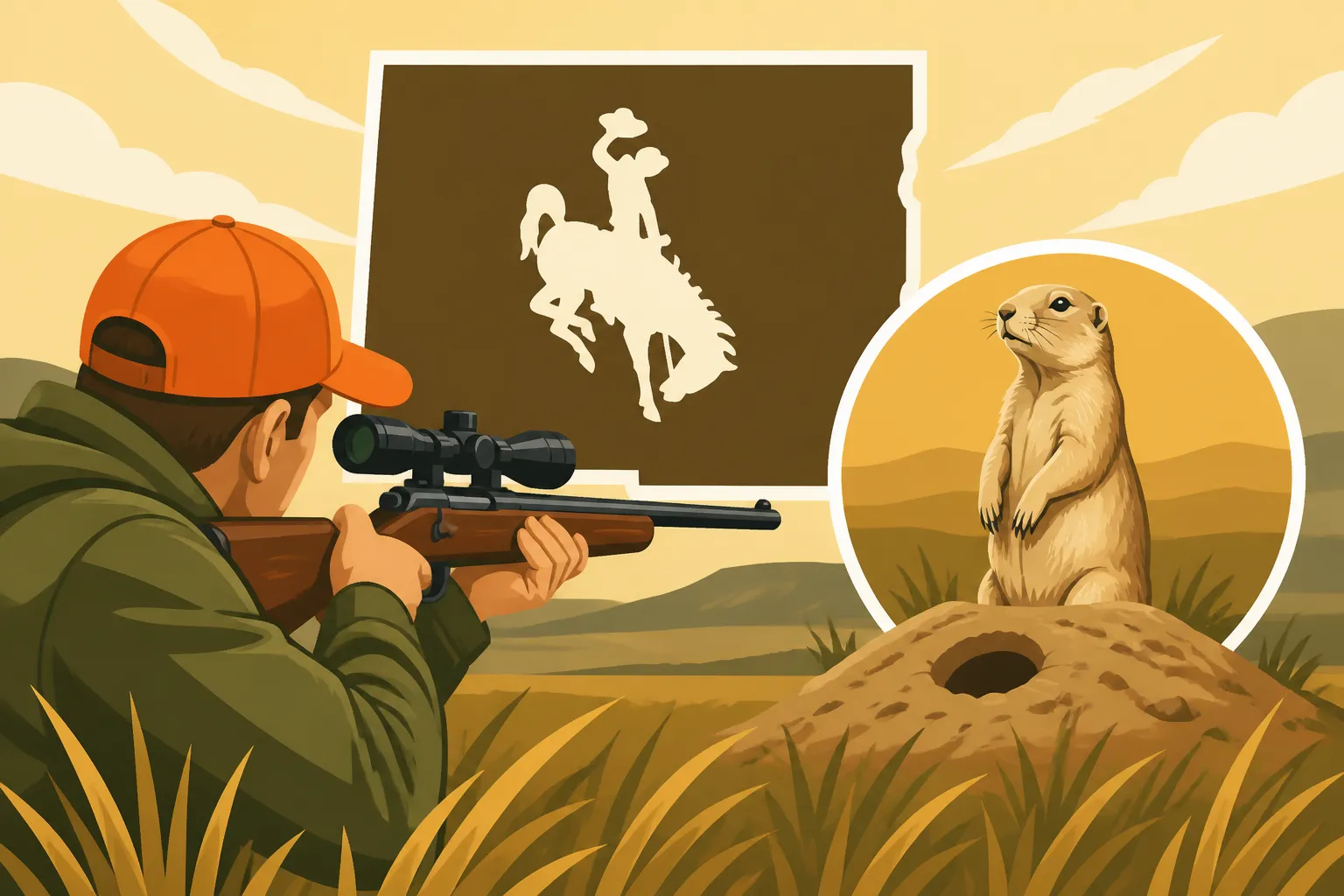
For many folks who cherish the wide-open spaces of Wyoming, the thought of a good prairie dog shoot brings a smile. It's a fantastic way to hone your marksmanship, spend time outdoors, and even help landowners manage a species that can be quite impactful on grazing lands. However, like anything in the Cowboy State, there are specific rules and unwritten codes of conduct you absolutely need to understand before you head out. This guide will walk you through the regulations, ethical considerations, and practical tips for responsibly enjoying prairie dog shooting on Wyoming land.
The Role of Prairie Dogs in Wyoming's Ecosystem and Hunting Scene
Before we dive into the nuts and bolts of shooting them, it’s worth understanding what prairie dogs are and why they've become such a popular target for shooters. They're a cornerstone species in many grassland ecosystems, but their prolific nature and burrowing habits also put them in direct conflict with agricultural interests.
What Exactly is a Prairie Dog?
When we talk about "prairie dogs" in Wyoming, we're primarily referring to the Black-tailed Prairie Dog, which is the most widespread species across the state's vast plains. These aren't actually dogs, of course, but rather a type of ground squirrel, known for their elaborate underground colonies and distinct "barking" calls that serve as alarm signals. They live in highly organized communities, often called "towns," which can span many acres and contain hundreds, even thousands, of individuals.
These creatures are incredibly social and industrious, constantly digging and maintaining their burrow systems. While their burrows provide habitat for other species like burrowing owls and black-footed ferrets, their grazing and digging can significantly impact forage for livestock. Ranchers often see them as pests, as their expansive colonies can degrade pastures, create tripping hazards for cattle and horses, and compete with livestock for available grasses. This direct impact on ranching operations is a primary reason why prairie dog control, often through shooting, is widely accepted and even encouraged by many landowners.
Why Hunters Target Prairie Dogs
Prairie dog shooting isn't about bagging a trophy in the traditional sense; it's more about the experience, skill development, and ecological management. For many, it's the ultimate form of target practice. The small size of a prairie dog, combined with the often-windy conditions and long shooting distances found in Wyoming's open country, presents a real challenge to marksmanship. It demands precision, a keen understanding of ballistics, and the ability to read wind, which translates directly to improved skills for big game hunting.
Beyond the challenge, there's a practical aspect. Landowners, burdened by the impact of large prairie dog towns on their grazing lands, often welcome shooters as a cost-effective method of population control. This symbiotic relationship allows shooters access to private land they might not otherwise get, while helping ranchers protect their livelihood. It's a way to contribute to land management while enjoying the sport, a win-win for both parties. It also serves as a critical off-season activity, keeping your shooting skills sharp for when those hard-earned big game tags finally come your way.
Navigating Wyoming's Legal Framework for Prairie Dog Shooting
Unlike big game or even upland birds, prairie dogs fall into a different regulatory category in Wyoming, which simplifies some aspects but still requires adherence to general hunting principles and laws. Understanding this classification is key to a legal and responsible outing.
Prairie Dogs as Unprotected Predatory Animals
In Wyoming, prairie dogs are officially classified as "predatory animals." This designation is important because it means they are unprotected. What does "unprotected" mean for you, the shooter? It means there are generally no closed seasons, no bag limits, and no specified legal shooting hours for prairie dogs throughout most of the state. You can hunt them year-round, at any time of day or night, if you have lawful access to the land.
This classification sets them apart from species like deer, elk, or even coyotes, which have specific seasons or regulations. However, this freedom doesn't mean a complete free-for-all. While the Wyoming Game and Fish Department (WGFD) doesn't manage prairie dog populations with season dates or harvest quotas, you are still subject to all other relevant state laws regarding firearms, trespassing, and safe shooting practices. You can often pursue species like coyotes or foxes under similar rules, which you can learn more about in resources like Hunting Coyotes in Wyoming Year Round. It's crucial not to confuse "unprotected" with "unregulated" entirely; general conduct rules always apply.
Licensing Requirements and Exceptions
This is where it gets interesting, and often confusing, for new prairie dog shooters. Because prairie dogs are classified as predatory animals, you generally do not need a Wyoming hunting license to shoot them. This stands in stark contrast to nearly every other game animal in the state, from elk to pheasants. This exception is a significant draw for many recreational shooters, including non-residents, who might find the draw system and license costs for big game prohibitive.
However, there's a crucial caveat: if you are pursuing any other animal that requires a hunting license – even if your primary intent is prairie dogs – you must possess the appropriate license. For example, if you're also hoping to call in a coyote while you're out, or if you happen to be in an area where small game is also legal to hunt, then you'd need the relevant Wyoming hunting license. It's best practice to always check the most current regulations from the WGFD, as rules can change, and it's your responsibility to be informed. Even for purely predatory animals, understanding broader regulations, like those discussed in Electronic Calls for Predators and Varmint Hunting, can enhance your experience.
Legal Shooting Hours and Methods
As unprotected predatory animals, prairie dogs are not subject to the same legal shooting hours that apply to big game or other regulated species. This means you can technically shoot them from before sunrise to after sunset, or even at night, provided you have legal access to the land and are doing so safely. This flexibility allows for unique shooting opportunities, such as using night vision or thermal optics, which can add another layer of challenge and excitement to the sport.
When it comes to methods, common sense and safety are your primary guides. Most prairie dog shooting involves rifles, with calibers ranging from small rimfires like .22LR up to centerfire cartridges like .223 Rem, .204 Ruger, or even larger, depending on the desired range and impact. The use of suppressors is legal for hunting in Wyoming, which can be a real asset for reducing noise pollution and recoil, especially during extended shooting sessions. Similarly, there are no specific restrictions on ammunition type, but ethical considerations regarding bullet fragmentation and ricochet are paramount, especially in dry, open country. It is also important to remember that all methods must comply with local county ordinances and any specific rules set by the landowner on private property.
Accessing Land for Prairie Dog Hunting: Public vs. Private
One of the biggest challenges for any hunter or shooter in Wyoming is knowing where you can legally go. Prairie dogs, being widespread, can be found on both public and private lands, but the rules for accessing these areas differ significantly.
Public Land Access: BLM and State Trust Lands
Wyoming boasts an incredible amount of public land, primarily managed by the Bureau of Land Management (BLM) and the U.S. Forest Service, alongside State Trust Lands. Much of this land is open for recreational use, including prairie dog shooting, provided it's not designated as a wilderness area or subject to other specific closures. BLM lands, in particular, often host extensive prairie dog towns.
Accessing these lands requires diligence. You'll need to consult detailed maps, such as those provided by services like GoHunt or other mapping apps, to identify public land boundaries. These tools are invaluable for e-scouting, helping you find potential prairie dog hot spots and verify access points. Remember, even if land is public, getting to it might require crossing private property, and you must have permission for that. Using onX Public Land Layers in Wyoming offers a deep dive into using such digital tools to navigate the complex land ownership patterns, including the checkerboard pattern found in many areas. Always carry a physical map and compass as a backup, and check for any seasonal or temporary closures, like those for wintering wildlife or fire restrictions, which are common concerns in the West. How Many Square Miles of BLM Wyoming Holds gives you an idea of the sheer volume of land available, but knowing how to access it legally is the real trick.
Obtaining Permission for Private Land
While public land offers opportunities, some of the best prairie dog shooting often takes place on private ranches. This is where those landowner relationships truly shine. Ranchers, as mentioned, are often keen to reduce prairie dog populations, and many are willing to grant access to responsible shooters. However, permission is not assumed; it must always be obtained.
The process is straightforward but requires respect and persistence. Start by identifying potential ranches in areas known for prairie dogs. A good mapping application, such as GoHunt, can often help you identify landowner names and contact information, though direct contact details may not always be readily available. The best approach is often a polite phone call or an in-person visit to introduce yourself, explain your intentions, and ask for permission. Be prepared to share your experience, demonstrate your commitment to safety, and perhaps even offer to help with other tasks around the ranch. Building a good reputation is key, as word travels fast in rural communities. Always confirm the boundaries of where you're allowed to hunt and any specific rules the landowner might have, such as designated shooting lanes or areas to avoid. Respecting these boundaries and rules ensures you'll be welcomed back.
Seasonal and Area Closures to Be Aware Of
Even though prairie dogs are unregulated in terms of season, other factors can impact when and where you can shoot them. Understanding these closures is vital for responsible outdoor recreation and safety.
- Seasonal Closures: Many areas of Wyoming, particularly those managed by the BLM or Forest Service, implement seasonal closures to protect wintering wildlife or critical habitats. These closures are designed to minimize disturbance to big game animals like elk and deer during crucial times of the year. Always check with the local land management agency for specific dates and locations of these closures. Entering a closed area, even for prairie dog shooting, can result in hefty fines and penalties.
- Fire Restrictions: Wyoming is prone to dry conditions, especially in the summer months, which often leads to fire restrictions or even full fire bans. Shooting can create sparks, particularly if bullets strike rocks. During periods of high fire danger, shooting activities may be restricted or prohibited altogether. It's imperative to check local conditions before heading out. Websites for the local BLM office, Forest Service district, or county sheriff's department are good resources.
- Safety and Public Use Areas: Some public lands, especially those near campgrounds, trails, or developed recreation sites, may have restrictions on shooting for public safety reasons. Always be aware of your surroundings and ensure you are in an appropriate area for shooting. A good resource for understanding general rules regarding access can be found in Reaching Public Land on Foot From Adjoining Ground. Planning ahead and consulting all available information sources will prevent any unpleasant surprises and ensure your trip is both legal and safe.
Practical Considerations and Responsible Shooting Practices
Prairie dog shooting, while seemingly straightforward, benefits immensely from careful planning, the right gear, and a strong commitment to safety and ethical conduct.
Choosing the Right Equipment and Caliber
The vast open spaces of Wyoming mean you'll often be taking shots at considerable distances, making precision equipment a must. Here's what to consider:
- Rifle: Bolt-action rifles are popular for their accuracy. Common calibers include .22LR for close-range plinking, .17 HMR for a bit more reach, and .223 Rem, .204 Ruger, .22-250 Rem, or even 6mm ARC for long-range challenges. The choice depends on your budget, desired range, and tolerance for recoil.
- Optics: A high-quality scope with significant magnification (e.g., 10-25x or higher) is essential for spotting small targets at long distances and making precise adjustments. A good spotting scope, perhaps 20-60x, is also invaluable for locating prairie dogs, watching for impacts, and glassing larger areas, similar to techniques used for big game, as discussed in Optics Power for Wyoming's Long Sightlines. Binoculars, like 10×42, are also useful for initial scanning.
- Ammunition: Varmint-specific ammunition, often with lighter, frangible bullets, is preferred. These bullets are designed to expand rapidly upon impact, minimizing ricochets and maximizing energy transfer to the target. Avoid full metal jacket (FMJ) ammunition, which can ricochet dangerously.
- Support: A sturdy bipod or shooting sticks are critical for stability in the field. A shooting mat can make long sessions more comfortable.
Safety, Ethics, and Environmental Stewardship
Responsible prairie dog shooting goes beyond just hitting your target. It's about ensuring safety for everyone and minimizing your impact on the environment.
- Backstops: Always know what’s beyond your target. Prairie dog terrain often involves rolling hills, but ensure your bullet will safely impact a berm or hillside, or travel harmlessly into open ground without risk to livestock, other people, or property. High-powered rifle rounds can travel for miles.
- Identifying Targets: While prairie dogs are pests, ensure you're shooting only prairie dogs. Avoid disturbing other wildlife.
- Carcass Disposal: This is a contentious issue. While prairie dogs are not typically consumed, leaving carcasses scattered around can be unsightly and attract scavengers close to roads or human activity. If you are on private land, check with the landowner about their preference for carcass management. On public land, follow Leave No Trace principles. Some shooters choose to move carcasses away from main roads or dig small pits for them, while others simply leave them, understanding they will be naturally scavenged.
- Fire Danger: As mentioned before, dry grass and rocks struck by bullets can easily start fires. Always carry a fire extinguisher or plenty of water, especially during dry seasons. Consider shooting only over dirt or gravel, and avoid shooting into rocks.
- Respecting the Land: Pack out all your trash, including spent shell casings. Leave the land cleaner than you found it. This simple act can go a long way in ensuring continued access for all recreational shooters.
Planning Your Prairie Dog Outing
A successful and enjoyable prairie dog shoot requires some forethought.
- Scouting: Whether using digital tools like GoHunt, which can show terrain features and land ownership, or driving actual roads, scouting beforehand is crucial. Look for active prairie dog towns, identify safe shooting positions, and confirm access. Pay attention to wind direction and topography; prevailing winds often make certain shooting positions more favorable.
- Timing: While you can shoot year-round, early summer (June-July) often sees the most active prairie dogs, as young pups emerge and the weather is generally pleasant. Be mindful of summer heat, however, and carry plenty of water.
- Group Dynamics: Prairie dog shooting is often a social activity. If you're going with a group, establish clear communication and safety protocols. Assign spotters and shooters, and ensure everyone understands the range and direction of fire.
- Table of Key Considerations:
| Feature | Public Land (BLM/State Trust) | Private Land |
|---|---|---|
| License | Not required for prairie dogs only | Not required for prairie dogs only |
| Access | Open, but verify boundaries and access routes (e.g., GoHunt maps) | Requires explicit landowner permission |
| Seasons/Hours | Generally year-round, no hour limits (check for area-specific closures) | Generally year-round, no hour limits (landowner discretion) |
| Vehicle Use | Restricted to designated routes (MVUMs), dispersed camping often allowed | Depends on landowner rules |
| Carcass Rules | Leave No Trace (usually means leaving as is), consider aesthetics | Landowner preference is key |
| Fire Risks | Always a concern, check local restrictions & carry suppression | Always a concern, check local restrictions & carry suppression |
| Other Rules | All state & federal laws, area-specific closures | All state laws, plus landowner-specific rules |
By taking the time to plan, understand the regulations, and practice responsible shooting, you can enjoy some of the finest varmint hunting opportunities Wyoming has to offer while being a good steward of the land and a respectful guest to its residents.
Disclaimer
This article is for general informational purposes only and does not constitute professional advice. Laws, prices and regulations vary by location and change over time. Consult a qualified professional for guidance on your specific situation.