Why Park County Is Known for Elk
For many elk hunters, the dream of a successful Western hunt often comes with the daunting question of where. Wyoming, with its vast wild spaces, certainly offers incredible opportunities, but narrowing down the ideal spot can feel like sifting through a mountain range of information. If you've been poring over maps and draw odds, and you keep seeing "Park County" pop up as a top contender for elk, you're not imagining things. This guide will explore exactly why this corner of the state has earned its formidable reputation among elk hunters and what makes it such a special, albeit challenging, destination.
The Geographical Edge: Why Park County’s Landscape is an Elk Haven
Park County, located in northwest Wyoming, isn't just known for its proximity to Yellowstone National Park; it's a geographic marvel that naturally lends itself to supporting robust elk populations. The sheer scale and diversity of its terrain provide everything an elk herd needs to thrive, year-round. From towering mountain ranges to deep river valleys, this area creates a mosaic of habitats crucial for survival and growth.
A Confluence of Prime Habitat Features
Imagine the majestic Absaroka and Beartooth Mountains dominating the northern and western horizons, their peaks often holding snow long into summer. These high-elevation strongholds offer cooler temperatures, abundant feed in alpine meadows, and crucial escape cover in dense timber during the warmer months. As the seasons change, elk will migrate down through the countless drainages and river systems, like the North Fork of the Shoshone River, finding refuge and sustenance in lower-elevation winter ranges. These complex migratory patterns are a hallmark of elk behavior in mountainous regions, and Park County provides the full spectrum of necessary terrain. You'll find a mix of timber, open parks, and rugged canyons that offer both feeding grounds and secure bedding areas. This diverse landscape ensures that elk aren't confined to one type of habitat, allowing them to adapt to pressure and seasonal changes.
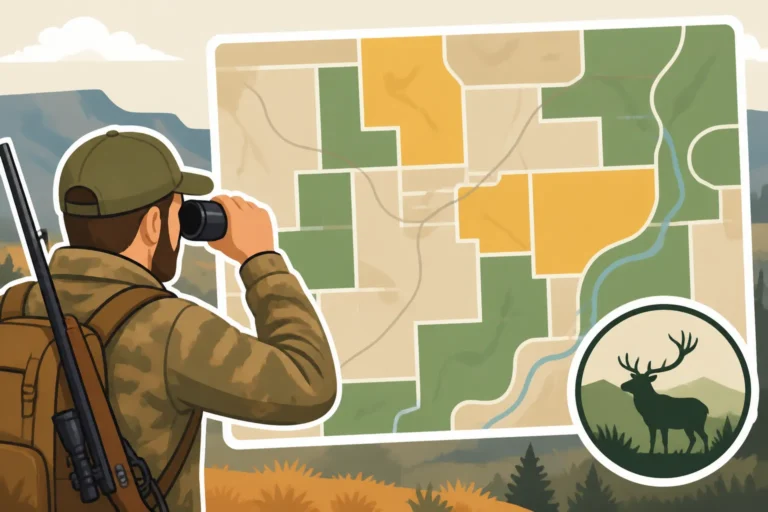
Much of this prime habitat falls within the boundaries of the Shoshone National Forest, America's very first National Forest. This designation means vast tracts of public land, often accessible to hunters, are managed to sustain wildlife populations, including elk. Understanding these public land designations is crucial for planning any hunt here; you can utilize tools like onX Hunt to visualize these boundaries and identify potential access points. The sheer scale of these federal lands, often interspersed with BLM ground, provides the necessary space for large elk herds to roam relatively undisturbed for much of the year, even with increasing hunting pressure.
Proximity to Wilderness Areas and Their Impact
Park County also shares borders with several significant wilderness areas, including portions of the Absaroka-Beartooth Wilderness and the Washakie Wilderness. These designated wilderness areas are, by law, roadless and motorized vehicle-free, creating sanctuaries where elk can find ultimate refuge from human disturbance. While hunting within these wilderness areas often comes with specific rules and requires a nonresident to hire a licensed guide (a topic covered in detail in Wyoming's Wilderness Guide Law for Nonresidents), their existence has a profound impact on the overall elk population of Park County.
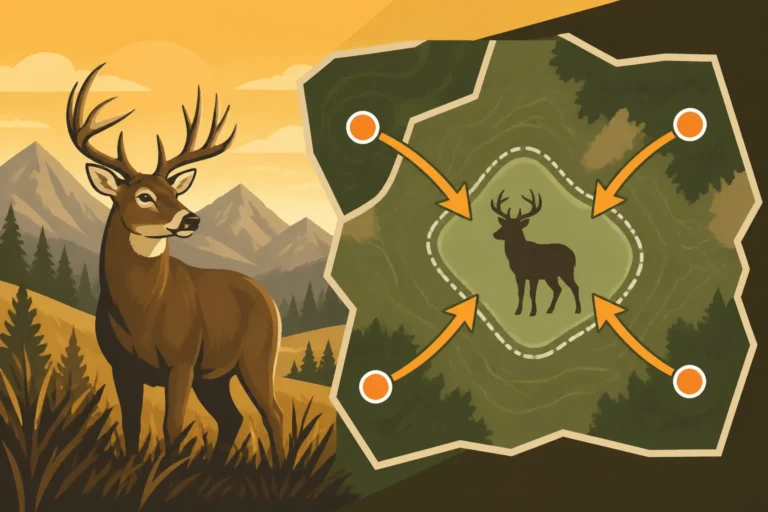
The wilderness acts as a huge, relatively unpressured nursery and summer range. Elk that summer in these remote areas might migrate out to more accessible lands during hunting season, creating opportunities for hunters on the fringes. This dynamic ensures a constant influx of elk into the more accessible hunting units, helping to sustain hunter success rates and herd health. The challenge, of course, is that these elk are often wild, educated animals, making for a truly authentic backcountry hunting experience. Scouting these areas, even from afar using satellite imagery and topography on a platform like GoHunt, can give you an edge in understanding migration corridors and escape routes.
Robust Elk Herds and Strategic Management
Park County isn't just visually stunning; it's home to some of Wyoming's most substantial elk herds. This isn't by accident. The Wyoming Game and Fish Department (WGFD) works tirelessly to manage these herds through careful quota setting, season structuring, and monitoring, aiming for a balance between healthy wildlife populations and hunting opportunity.
Healthy Populations and Management Objectives
The elk herds in Park County, particularly those associated with the Shoshone National Forest and the areas around Cody, are historically strong. While herd numbers fluctuate due to winter severity, disease, and hunting pressure, the core populations remain robust, often exceeding management objectives in certain areas. This means more elk on the landscape, and potentially, more tags available for hunters. The WGFD sets specific population objectives for each herd unit, striving to maintain numbers that are biologically sustainable while also considering social tolerance and potential impacts on private lands.
This diligent management is why you'll see a variety of license types and season dates across different units within Park County, some geared towards managing overall herd size (often with antlerless tags), and others focused on trophy potential (bull-only tags in specific areas). It's crucial for hunters to dive deep into the specific regulations for each hunt area, as dates and legal animals can change dramatically from one unit to the next. Details about these variations can be found in resources like Wyoming Elk Season Dates Are Set Hunt Area by Hunt Area.
The Role of Winter Range and Feedgrounds
Wyoming, like other Western states, faces the challenge of providing adequate winter range for its large ungulate populations. In some parts of the state, particularly further south in areas like Jackson, supplemental winter feeding grounds exist to help elk survive harsh winters and mitigate depredation on private agricultural lands. While the primary elk feedgrounds are not directly within Park County, understanding their broader impact on Wyoming's elk populations and disease management is important context. Discussions around Wyoming Elk, the Feedgrounds and the Disease Question are ongoing and shape management strategies statewide.
For Park County, the vast lower-elevation river bottoms and sagebrush flats often serve as natural winter ranges. However, these areas are finite, and elk can congregate in large numbers, sometimes leading to increased risk of disease transmission or conflicts with landowners. Game and Fish biologists closely monitor these wintering areas, and their assessments directly influence the following year's hunting quotas and unit boundaries. A severe winter, for example, might lead to reduced tag allocations in subsequent years to allow the herd to rebound, emphasizing the dynamic nature of wildlife management.
The Hunter’s Experience: Challenges and Rewards
So, if Park County has all these elk and incredible habitat, why isn't it easy to draw a tag or fill a freezer? The reputation of Park County isn't just about abundance; it's about the quality and challenge of the hunt. This is not a "gimme" hunt; it demands preparation, perseverance, and a deep understanding of elk behavior.
High Demand and Draw Odds
Because of its reputation for healthy elk populations and the potential for mature bulls, Park County hunt areas are highly sought after. This translates into competitive draw odds, especially for premium bull tags. Nonresident hunters, in particular, will find that accruing preference points is almost a necessity to draw a desirable license in many of Park County's units. Understanding How Wyoming Splits Every Draw 75 Percent Points and 25 Percent Random is key to navigating the application process.
The demand means that successful applicants are often those who have invested years in the preference point system or have meticulously researched less popular, but still productive, hunt areas. It also means that when you do draw a tag, you're hunting in an area where many other hunters have dreamed of being, reinforcing the value of the experience.
Rugged Terrain and Physical Demands
Hunting in Park County is inherently physically demanding. Whether you're chasing elk in the high country of the Shoshone National Forest or covering miles of sagebrush foothills, you'll be putting your body to the test. Elevations can range from around 5,000 feet in the valleys to over 10,000 feet in the mountains, meaning altitude sickness can be a real concern for hunters coming from lower elevations. Preparing for altitude on a Wyoming hunt is critical, often requiring a dedicated fitness regimen and time to acclimatize.
The terrain is unforgiving: steep slopes, rocky outcroppings, dense timber, and thick brush are common. This isn't merely a challenge; it's what makes the elk in this region so wild and truly earned. They've learned to use the landscape to their advantage, making them incredibly difficult to locate and approach. Hunters often rely on extensive glassing to locate animals from a distance, followed by long, arduous stalks across broken ground. Knowing how to efficiently quarter an elk and pack out heavy meat in this kind of country is as important as the shot itself.
A Diverse Range of Hunting Opportunities
Despite the challenges, Park County offers a diverse range of hunting experiences. You can find hunts that range from accessible general units to extremely rugged wilderness excursions. This versatility means that, with enough research and point accumulation, there's likely an elk hunting opportunity that aligns with your skillset and desired level of challenge.
Some areas might offer early archery seasons in September, providing a chance to chase bugling bulls before the rifle hunters arrive. Others might feature late-season rifle hunts when snow has pushed elk down to more accessible winter ranges. This variety allows hunters to tailor their experience, whether they're seeking a specific type of terrain, a particular weapon season, or simply the best chance at a mature animal. It's truly a county that exemplifies why Wyoming has a reputation for elk hunting, demanding respect from its hunters but offering unparalleled rewards in return.
Here's a quick look at some key considerations for elk hunting in Park County:
| Aspect | Characteristics in Park County | Hunter Considerations |
|---|---|---|
| Terrain | Rugged mountains (Absarokas, Beartooths), deep canyons, high-elevation timber, sagebrush foothills | High physical fitness required, elevation challenges, diverse cover for elk. Essential to pack light and be prepared for varied conditions. |
| Elk Herds | Generally healthy and robust, with strong migratory patterns between summer and winter ranges | Requires understanding of seasonal movements. Success often means adapting to where the elk are, not just where you want them to be. |
| Public Land Access | Extensive, primarily Shoshone National Forest and BLM lands, but also large wilderness areas | Excellent opportunity for DIY hunters, but wilderness areas may require guides for nonresidents. Digital maps like onX Hunt are invaluable for navigation and identifying access. |
| Hunting Pressure | Moderate to high, especially in accessible areas and during rifle seasons | Expect other hunters. Early season archery or deeper wilderness hunts can offer more solitude. Patience and persistence are key. |
| Draw Odds | Competitive for prime bull tags, often requiring preference points | Plan multiple years in advance. Research specific unit odds thoroughly using resources like GoHunt to maximize chances. Consider applying for antlerless tags for higher odds. |
| Season Dates | Highly varied by hunt area and weapon type, from early archery to late rifle | Study the regulations carefully for your chosen unit. Season timing directly impacts elk behavior (e.g., rut activity, migratory movements). |
Disclaimer
This article is for general informational purposes only and does not constitute professional advice. Laws, prices and regulations vary by location and change over time. Consult a qualified professional for guidance on your specific situation.