Airport Transfers From Casper for Wyoming Hunts
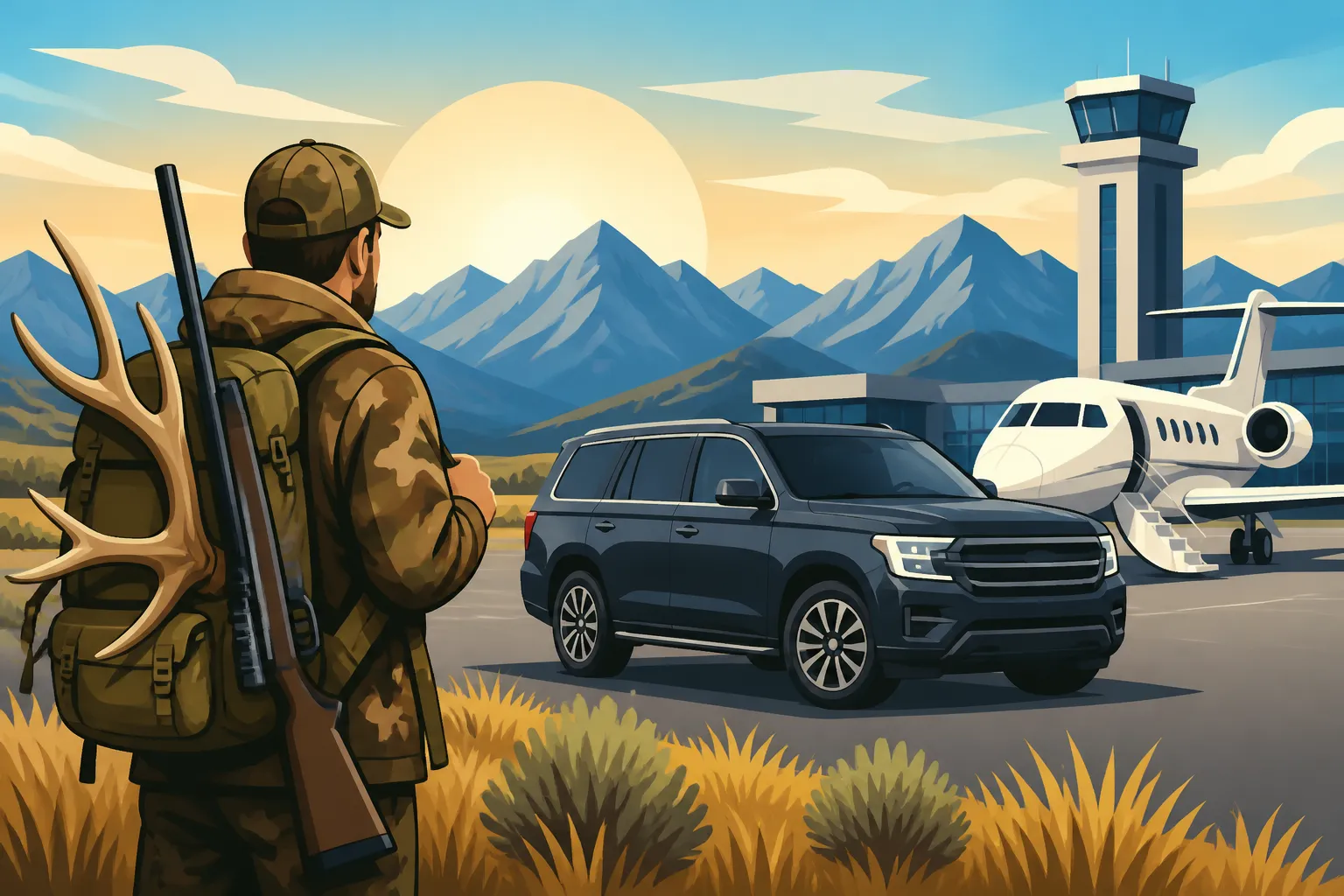
You've just landed at Casper-Natrona County International Airport (CPR), bags in hand, a rifle case clutched tight, and a head full of high-country dreams. But now the real challenge begins: how do you get from the rental car counter or arrival gate out to your remote hunt camp, especially when your outfitter is hundreds of miles away or your DIY plans involve rugged terrain? This guide is going to walk you through all the ins and outs of securing reliable transportation from Casper to your Wyoming hunting destination, ensuring your adventure starts off right.
The Big Picture: Why Casper is Your Gateway
When you're planning a Wyoming hunt, figuring out where to fly into can feel like a riddle. Cheyenne might seem like the obvious choice for some, being the capital, but for many of the state's prime hunting grounds, Casper, sitting right in the heart of Wyoming, often makes the most sense. It's not always about direct flights, but about how centrally located it is to some incredible wilderness.
Casper's Central Location for Hunts
Casper, Wyoming, isn't just a dot on the map; it’s strategically positioned for accessing a vast amount of the state's hunting opportunities. Think about it: whether you're heading north towards the Bighorn Mountains for elk or mule deer, west towards the Wind River Range, or even south into the Ferris and Seminoe mountains, Casper serves as a very practical hub. It cuts down on the long, often multi-state drives from airports further afield, turning a grueling cross-country journey into a more manageable drive from a single central point. This can be a huge relief after hours spent crammed into an airplane, especially when you're itching to hit the ground running for your hunt.
It's about minimizing travel time once you're on Wyoming soil. If you're coming from the East or South, flying into Denver and driving up is an option, but that's a longer drive through often varied weather conditions. Casper often offers a more direct path to the wild country, allowing you to get settled into your truck or outfitter's rig and on your way much faster. This saved time means more daylight for scouting, setting up camp, or just getting a good night's sleep before the opener.
What Hunters Typically Fly Into Casper For
Hunters flying into Casper are usually targeting the big game animals that Wyoming is famous for. We're talking about massive elk herds that roam the national forests, the trophy mule deer bucks that inhabit the sagebrush flats and high country, and the plentiful antelope that dot the open plains. For many, a Casper arrival signals the start of a guided elk hunt deep in the mountains, often with a pack string to take them into the backcountry. Others might be on a do-it-yourself mule deer hunt, picking up a heavy-duty rental truck capable of navigating rough two-tracks.
The convenience of Casper is particularly appealing for those venturing into areas like the Bighorn National Forest, which is a prime location for both elk and deer. It's also a common entry point for hunters heading towards the various hunt areas in central and western Wyoming, where opportunities for species like moose or bighorn sheep, if you've been lucky enough to draw one of those coveted tags, can be found. Even pronghorn hunters often use Casper, as it's a good jumping-off point for many of the state's antelope-rich areas. The type of hunt you have planned will definitely influence your ground transportation needs once you've arrived.
Navigating Your Transfer Options from Casper
Once you've touched down at CPR, the next logical step is figuring out how you're going to bridge that gap between the tarmac and your hunting grounds. Wyoming is a big state, and "getting there" can mean a significant drive. You've got a few main avenues to explore, each with its own set of pros and cons.
Rental Cars: The DIY Hunter's Choice
For the independent, do-it-yourself hunter, a rental car is often the default choice. It offers unmatched flexibility, allowing you to stop where you want, explore side roads, and generally operate on your own schedule. But picking the right rental from Casper isn't as simple as grabbing the cheapest sedan. Wyoming's hunting country often demands a capable vehicle.
You'll quickly realize that a standard two-wheel-drive sedan isn't going to cut it if your hunt takes you off pavement, which it very likely will. Many public land access roads, forest service roads, and even some routes to private land will be unpaved, rough, and potentially muddy or snowy depending on the season. A four-wheel-drive (4WD) or all-wheel-drive (AWD) SUV or pickup truck is almost a necessity for peace of mind, especially if you're hauling gear, driving through rain, or encountering early season snow. Always book your 4WD vehicle well in advance, especially during peak hunting seasons, as they get snatched up quickly. Remember that fuel costs can add up quickly over the vast distances you'll likely cover.
Think about the sheer amount of gear you'll have. Your rifle case, bow case, backpacks, coolers, and camp essentials take up a lot of space. A mid-size SUV might work for one or two hunters, but a full-size SUV or a pickup truck with a bed cover is often a better bet for groups or longer trips. Don't forget to account for potential game recovery; while you might debone an animal in the field, having space for meat bags and coolers is critical. Always check the rental company's policy on off-road use, as some have restrictions that could void your insurance if you get stuck far from the beaten path.
Outfitter Shuttles: Convenience at a Cost
Many hunters who book with a Wyoming outfitter will find that airport transfers from Casper are either included in their package or offered as an add-on service. This can be a huge convenience, especially after a long day of travel. Imagine stepping off the plane, seeing a friendly face holding a sign with your name or outfitter's logo, and knowing all your transportation logistics are handled. This is particularly appealing for those traveling from out of state who aren't familiar with Wyoming's vast distances or challenging road conditions.
If your outfitter offers a shuttle, it typically means they or one of their guides will meet you at the airport, assist with your luggage and firearms, and transport you directly to their lodge, spike camp trailhead, or even a pre-arranged drop camp rendezvous point. This eliminates the stress of navigating unfamiliar roads, dealing with rental car contracts, or worrying about getting stuck in a remote area. It also often means you're traveling with someone who knows the area, can share local insights, and might even be able to offer a few last-minute tips before your hunt begins.
However, this convenience usually comes at a cost, which is either baked into your overall What a Guided Wyoming Elk Hunt Costs or charged as a separate fee. Make sure you clarify this with your outfitter well in advance. Ask about their schedule for pickups and drop-offs. If your flight arrives at an odd hour, will they still accommodate you? What happens if your flight is delayed? Clear communication is absolutely vital here. If you're looking at different outfitters, remember to Vetting a Wyoming Outfitter Before You Send a Deposit and confirm all services, including transfers, before you commit. You might find that some outfitters use booking platforms like BookYourHunt, which often clearly outline what's included in their packages.
Private Drivers and Ride-Sharing: When Other Options Fall Short
Sometimes, neither a rental car nor an outfitter shuttle fits the bill. Maybe you're part of a smaller group, your outfitter doesn't offer transfers, or you just prefer a more personalized service than a typical rental. In these situations, exploring private driving services or ride-sharing options from Casper can be a viable alternative, though it requires a bit more legwork and realistic expectations.
Traditional ride-sharing services, like those found in larger cities, might be available in Casper, but their reach into rural hunting areas is often limited or non-existent. You might get a ride from the airport into Casper proper, but finding someone willing to drive you hundreds of miles into a remote area, especially with hunting gear, is unlikely.
Private shuttle services or local taxi companies, however, might be a better fit for longer distances or more specialized transport needs. These are often smaller, locally owned businesses that might be more flexible. They often operate on a pre-booked basis and charge by the mile or by the trip, which can quickly add up, especially for those long Wyoming hauls. You'll need to call around, get quotes, and explicitly communicate that you'll be traveling with hunting equipment, including firearms. Not all services are equipped or willing to transport rifles or bows, so verify this upfront. This option works best for hunters whose camps are relatively accessible by paved or well-maintained gravel roads, or who only need a ride to a rendezvous point where another vehicle will take them the rest of the way. When researching options, tools like GoHunt can help you identify outfitters or resources in specific hunt units, which might then lead you to local transport solutions.
| Transfer Option | Pros | Cons | Best For |
|---|---|---|---|
| Rental Car | Ultimate flexibility, personal schedule, widespread availability. | Can be expensive, vehicle limitations (4WD needed), navigation stress. | DIY hunters, small groups, exploring multiple areas. |
| Outfitter Shuttle | Stress-free, knowledgeable driver, often included in package. | Less flexible schedule, potentially higher overall cost, reliance on outfitter. | Guided hunters, those unfamiliar with the area, focus on the hunt. |
| Private Driver/Taxi | Personalized service, can accommodate specific needs (e.g., firearms). | Often very expensive for long distances, limited availability to remote areas. | Special circumstances, short distances to nearby towns, specific needs. |
Planning Ahead for a Seamless Transfer
The key to a smooth start to any Wyoming hunt, especially when it involves air travel and ground transfers, is meticulous planning. Don't leave your transportation to chance, as scrambling at the last minute can eat into your valuable hunting time and add unnecessary stress.
Timing Your Arrival and Departure
Think critically about your flight times. Arriving in Casper late at night or departing early in the morning can create logistical headaches, especially if you're relying on an outfitter or private driver. Rental car counters might have limited hours, and if your flight is delayed, you could be stuck waiting until they reopen. Aim for flights that put you on the ground in Casper during daylight hours, ideally mid-morning to late afternoon. This gives you ample time to collect your luggage, pick up a rental, meet your outfitter, and begin your drive in good light.
For your departure, build in a buffer. Don't schedule a flight too close to the end of your hunt, especially if you're coming from a remote location. Wyoming weather can change rapidly, and roads can become impassable. You also need time to get back to the airport, drop off your rental, check your firearms, and go through security. A night in a Casper hotel before an early morning flight can save a lot of last-minute rushing and stress. Consider that you might have venison or elk meat to transport, which adds another layer of logistics to your departure day.
Communication is Key: Talk to Your Outfitter
If you've booked a guided hunt, your outfitter is your best resource for transfer information. Don't assume anything. As soon as you Book Your Wyoming Hunt Before the Draw Runs and have your flight details, share them with your outfitter. Provide them with your flight number, arrival time, and any changes. Ask specific questions: Will they meet you inside the terminal or curb-side? What vehicle will they be driving? What's their policy if your flight is delayed? Is the transfer cost included in your What Outfitter Prices Almost Never Include? If you need to inquire about What a Wyoming Drop Camp Actually Includes, transfers should be part of that conversation.
Many outfitters will send out a detailed The Gear List Your Outfitter Will Send well in advance, and this is a great opportunity to discuss travel logistics. Confirm how much luggage, including your weapon, they can accommodate in their vehicle. If you're coordinating with other hunters in your group who might be on different flights, make sure everyone is on the same page regarding rendezvous points and times. Remember, Questions Worth Asking Before You Book extend to every aspect of your trip, including transportation.
Packing Considerations for Your Journey
Your packing strategy really impacts your transfer experience. Overpacking can make it difficult to fit everything into a rental vehicle or outfitter's shuttle. Try to consolidate your gear into as few bags as possible. Hard-sided cases for firearms are a must for air travel, and they'll protect your weapon during ground transport too. Bow cases are equally important.
Consider how you'll manage your gear once you're on the ground. Can you easily carry your bags, or will you need assistance? Remember that you'll be responsible for handling your own luggage at the airport. If you're heading into a backcountry hunt, you'll want to review Physical Conditioning for a Mountain Hunt and apply that same preparedness to handling your gear. Also, if you plan to Preparing for Altitude on a Wyoming Hunt, factor in that you might be feeling a bit sluggish after your flight and an immediate long drive.
A small day pack with essentials like medications, important documents (hunting license, ID, flight info), snacks, and a water bottle is always a good idea to keep with you. For a hunt in Wyoming, that's doubly true; you'll appreciate having immediate access to items for comfort or in case of an unexpected delay. Don't forget that if you need to buy hunting clothing or last-minute supplies, Casper has a few options, but relying on them for everything can be risky.
Disclaimer
This article is for general informational purposes only and does not constitute professional advice. Laws, prices and regulations vary by location and change over time. Consult a qualified professional for guidance on your specific situation.