Wyoming General Elk Licenses and Where They Work
The quest for a Wyoming elk tag can feel like navigating a maze, especially when you're dreaming of big bulls but facing astronomical draw odds. Many hunters get bogged down in the complexity of limited quota units and preference points, often overlooking a truly viable option: the Wyoming General Elk License. This comprehensive guide is here to demystify these general licenses, exploring exactly what they are, where they let you hunt, and how you can make the most of this often-accessible path to a Wyoming elk hunt.
Understanding Wyoming's Elk Licensing System
Okay, so you've heard whispers about "general tags" and "limited quota" and your head is probably spinning. It’s not just you; the Wyoming Game and Fish Department has a system that, while effective for managing game, can feel like a secret handshake to outsiders. But once you break it down, it's actually quite logical.
The Difference Between General and Limited Quota
At its heart, Wyoming's elk licensing system is built around two main categories: "General" licenses and "Limited Quota" licenses. Think of limited quota tags as specific lottery tickets. When you apply for a limited quota tag, you're usually applying for a very specific hunt area and a very specific type of animal – maybe an antlered elk (bull) in Unit 15, or an antlerless elk (cow) in Unit 30. These tags are, by definition, limited in number, and often require years of building preference points to draw, especially for prime bull units. The demand far outstrips the supply, leading to high point requirements and often discouraging odds for non-residents.
A General Elk License, on the other hand, is much broader. Instead of being tied to a single, hyper-specific hunt area, a general license grants you access to numerous hunt areas across the state. While it still might specify "antlered elk" or "antlerless elk," the geographical scope is significantly wider. This flexibility is its greatest strength, giving hunters more options without being locked into a single, often difficult-to-draw unit. It's designed to provide more widespread hunting opportunities, balancing the desire for quality hunts with the need to distribute hunting pressure and provide consistent access.
Why General Licenses Exist
The existence of general licenses is fundamentally about providing opportunity and managing elk populations across vast landscapes. Wyoming has a significant elk population, and not all areas require the intense, unit-specific management that limited quota draws facilitate. General licenses allow the Game and Fish Department to maintain a healthy harvest across a larger footprint, preventing overpopulation in certain areas while still offering hunters a chance to pursue elk. It's a pragmatic approach to wildlife management in a state with abundant public land and a strong hunting heritage.
For many hunters, especially non-residents who might not have accumulated years of preference points, general licenses are often the most realistic path to a Wyoming elk hunt. They bypass the fierce competition of high-demand limited quota units, opening up numerous areas where a hunter, with good scouting and effort, can still have a fantastic experience. While the odds of drawing a general license can still vary, they are generally much more favorable than for highly coveted limited quota tags. They represent a significant portion of the elk hunting opportunities available each year, making elk hunting a reality for many who might otherwise be relegated to applying for years without success.
How General Elk Licenses Work in Practice
So, you've got a general elk license in your pocket – congratulations! Now what? Unlike the laser-focused limited quota tags, a general license requires a bit more homework on your part to figure out where you can actually hunt. But don't let that intimidate you; it's a worthwhile endeavor that puts the control in your hands.
Hunt Area Boundaries and General Season Dates
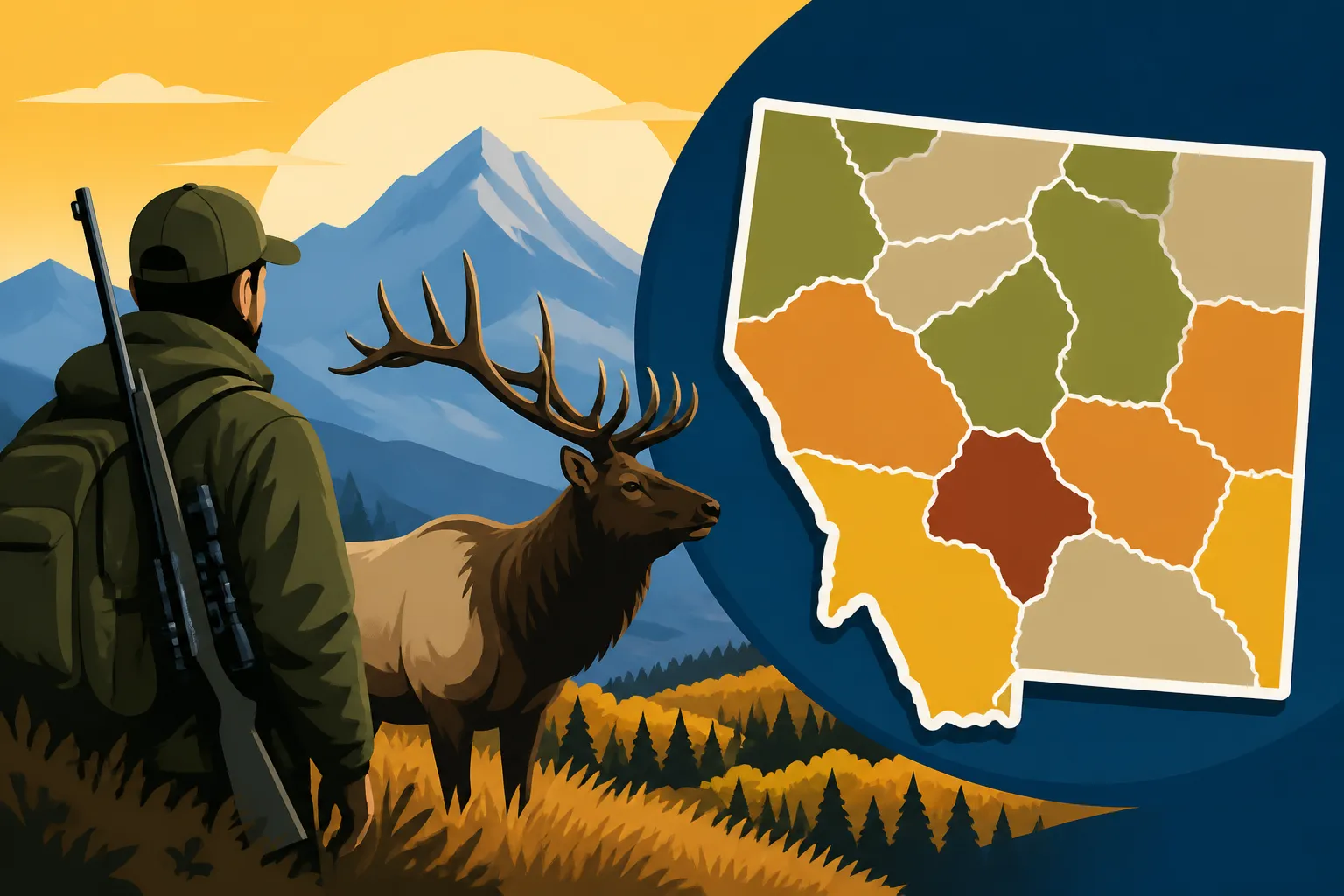
The magic of a general license lies in its applicability across a wide range of designated "General Elk Hunt Areas." When you look at the Wyoming Game and Fish regulations, you'll see a list of specific hunt areas, each with its own season dates and rules. Some of these areas are explicitly designated as "Limited Quota Only," meaning you must have a specific limited quota tag for that area. Others will clearly state they are open to "General License Holders" during specific timeframes. It's absolutely critical to pore over the official regulations for the current year to identify which hunt areas allow general licenses and, more importantly, what their specific season dates are.
These general season dates can vary wildly from one area to another. Some might open in September for archery and then transition to a rifle season in October, while others might have entirely different schedules. You might find some general units with very early seasons, and others that run quite late. This variation is actually a huge advantage, allowing you to potentially structure a hunt around a specific time of year that works for you or to even scout multiple general units as backup plans. Tools like The Wyoming Hunt Planner are invaluable for sifting through these regulations and visualizing where and when your general license is valid. Remember, your general license isn't a blanket pass for all elk areas; it's a pass for all general elk areas during their respective open seasons.
Over-the-Counter Versus Draw for General Tags
While the term "general license" might sound like something you can just walk into a store and buy, that's usually not the case for antlered elk tags in Wyoming, especially for non-residents. For most non-resident antlered (bull) general elk licenses, you still need to apply through the draw. However, the odds of drawing a general bull elk tag are significantly better than drawing a specific limited quota bull tag in a trophy unit. This is partly due to how Wyoming's 75/25 Draw Split Explained works, allocating a greater percentage of tags to residents, but also because general tags spread the demand across many areas.
Now, where it gets interesting is with antlerless (cow) general licenses. Depending on the year and specific herd management objectives, some general antlerless elk licenses can be available over-the-counter after the main draw, or even through a leftover draw. These often represent opportunities for residents or for hunters willing to focus on herd management rather than trophy hunting. For non-residents, securing a general bull elk tag almost always means going through the draw, but it's a draw many consider a much more attainable goal than the highly sought-after limited quota tags. It's vital to check the Wyoming Game and Fish Department's current regulations and draw results, perhaps using resources like GoHunt, to understand the current availability and draw odds for general tags.
| License Type | Availability (Non-resident Bull) | Draw Difficulty (Non-resident Bull) | Hunt Area Specificity | Primary Goal | Flexibility |
|---|---|---|---|---|---|
| General Elk License | Draw (often higher odds) | Moderate to High | Multiple general units | Opportunity, Herd Management | High (many areas, varying dates) |
| Limited Quota Elk License | Draw (often very low odds) | Very High to Extremely High | One specific unit | Quality, Trophy, Targeted Management | Low (tied to one unit, specific dates) |
Advantages and Disadvantages of a General Elk Tag
No hunting license is a one-size-fits-all solution, and Wyoming's General Elk License is no different. It comes with its own set of fantastic benefits that appeal to many hunters, but also some inherent challenges that you need to be realistic about. Understanding both sides will help you manage your expectations and plan for a successful hunt.
The Freedom of Flexibility
One of the most appealing aspects of a general elk license is the sheer flexibility it offers. Imagine the scenario: you've drawn your tag, and now you have the ability to pore over the regulations and choose from a multitude of general hunt areas. If your initial scouting reveals a specific area has received heavy hunting pressure, or perhaps the elk patterns aren't what you expected, you have the freedom to shift gears and explore other general units. This adaptability is gold, especially in a state as vast and diverse as Wyoming, where conditions can change rapidly from one drainage to the next.
This flexibility also extends to scheduling. With various general units having different opening and closing dates, you can often find a season that aligns with your personal availability. Perhaps you can only hunt the second week of October, or maybe you prefer an early archery hunt. A general tag opens up more possibilities than being locked into the rigid dates of a single limited quota unit. This can be particularly beneficial for non-residents who have to plan travel far in advance. It allows you to tailor your hunt to current conditions and personal preferences, rather than being stuck with a single, predetermined option.
The Challenge of Pressure and Access
While flexibility is a major plus, it's essential to acknowledge the flip side: general elk units, by their nature, tend to see more hunting pressure. Because more tags are issued and more hunters have access, you're likely to encounter other individuals and groups in the field. This increased pressure can push elk into thicker cover, onto private lands, or simply make them warier and harder to approach. It means you'll need to work harder to find unpressured animals, often by venturing further off the beaten path or hunting during less popular times.
Furthermore, access can be a double-edged sword. Many general units encompass vast tracts of public land, including areas managed by the Bureau of Land Management (BLM Holds 27,860 Square Miles of Wyoming) and National Forests. However, these public lands are often interspersed with private property, creating the notorious "checkerboard" land patterns. Navigating these boundaries, understanding where you can legally access public ground, and dealing with potential landlocked parcels can be a significant challenge. While programs like Access Yes Opens Private Wyoming Ground to Public Hunters help, it's crucial to diligently study maps and gain a thorough understanding of the specific land ownership in your chosen general unit to avoid trespassing and maximize your hunting time. This can feel daunting, but careful planning and map study are your best friends here.
Maximizing Your Success with a General License
Okay, so you've weighed the pros and cons, and you're ready to tackle a Wyoming general elk hunt. That's the spirit! Success with a general license often comes down to preparation, persistence, and smart strategy. You might not be hunting a world-famous limited quota unit, but with the right approach, you can absolutely have an incredibly rewarding experience.
Scouting and E-Scouting for General Units
Because general licenses cover a broad range of areas, your scouting strategy needs to be robust. Gone are the days of just showing up. The most successful hunters with general tags start their homework long before the season opens, often months in advance. "E-scouting," or electronic scouting, is your most powerful tool here. Utilize mapping software like onX Hunt or GoHunt's mapping features to dissect potential general units. Look for public land access points, identify areas of varied terrain that might hold elk (think dark timber, north-facing slopes, steep canyons), and pinpoint potential water sources or traditional elk migration corridors. The goal is to narrow down the vastness of "general" to a few specific, promising areas.
Don't just look at topography; consider vegetation, recent burn areas, and road systems. Are there areas with limited road access that might offer a refuge from pressure? Are there areas with specific forage that elk might favor at certain times of the year? Combining satellite imagery with topographical maps will give you a comprehensive picture. For example, knowing Wyoming Elk Herd Units and Winter Range can guide your early season scouting towards summer ranges, while understanding late-season patterns might push you towards lower elevations. If you can make a pre-season trip, even a short one, to drive through access roads and put boots on the ground in your top two or three e-scouted areas, that will drastically improve your chances. Look for fresh sign, identify bedding areas, and try to understand how elk are using the landscape. Further insights can be found in a guide on E-Scouting a Unit Before the Season Opens.
Accessing Public Land in General Areas
Hunting with a general license often means spending a lot of time on public land, which is fantastic. But as we touched on earlier, public land access can be tricky. You need to be incredibly diligent about knowing where you stand, literally. Mapping apps are indispensable for navigating land ownership boundaries, which are often a mix of state, federal (BLM, Forest Service), and private parcels. It's not uncommon to find elk moving between these different land types, so understanding legal access points is paramount. Walking in from bordering public land is a common strategy, as detailed in Walking In From Bordering Public Land, but always double-check local regulations and signs.
Remember that a general license doesn't give you permission to cross private land to reach public land unless you have explicit permission from the landowner. This is where programs like Wyoming's Access Yes come into play, providing designated walk-in areas or Hunter Management Areas (HMAs) on private land that are open to public hunting. Always check the Access Yes map for the current year to see what opportunities are available in or near your chosen general unit. Even if you're planning to hunt exclusively on national forest land, understanding that forest's specific rules, such as those for Bridger-Teton National Forest Hunting in Wyoming, for camping, motorized travel, and wilderness boundaries is crucial. The more you plan your access routes, the less time you'll spend guessing in the field, and the more time you'll spend hunting.
Comparing General Licenses to Other Tag Types
It’s easy to get tunnel vision when applying for tags, especially if you’ve heard about a mythical limited quota unit. But stepping back and understanding how general licenses fit into the broader Wyoming hunting landscape can illuminate different strategies and opportunities. It’s not about one being inherently "better" than the other, but about what fits your hunting goals and reality.
When to Consider a Limited Quota Tag Instead
While general licenses offer fantastic flexibility, there are certainly scenarios where pursuing a limited quota tag makes more sense. If your primary goal is to hunt a specific, high-quality, trophy bull unit that is known for producing exceptional animals, a limited quota tag is almost always the answer. These units have tightly controlled tag numbers specifically to manage for older age class animals and superior genetics. The trade-off, of course, is the much lower draw odds and the often-lengthy accumulation of preference points required to even have a chance. For hunters who prioritize a higher likelihood of encountering truly mature, large-antlered bulls, and who are willing to play the long game with the draw, limited quota tags are the path.
Furthermore, some limited quota areas might offer unique hunting experiences, perhaps in areas with less overall pressure due to their remote nature or specific regulations. If you're a hunter who wants to focus on a very particular type of hunt—say, an early season archery hunt in a specific wilderness area, or a late-season rifle hunt targeting migrating elk—then a limited quota tag might be the only way to access those highly specific opportunities. While general licenses offer wide geographical coverage, they might not always align with the precise timing or quality expectations of every hunter. This is where exploring options like Wyoming's Archery Only Elk Hunt Areas might lead you to a limited quota choice.
The Role of Preference Points in General vs. Limited Quota
Understanding how preference points work is key to navigating Wyoming's draw system, and their role differs significantly between general and limited quota draws. For most non-resident general elk licenses, you can accumulate preference points to increase your odds of drawing. However, the system is designed so that even with zero or very few points, you still have a reasonable chance to draw a general tag. The point creep, while present, isn't usually as severe as with the coveted limited quota units. This means you can often draw a general tag much sooner, or even on your first application, making it a great entry point to Wyoming elk hunting. Many hunters will apply for a general tag, knowing they have a decent chance, while simultaneously purchasing a preference point to build for a future limited quota hunt. This dual strategy is a smart way to maximize opportunities.
For limited quota tags, preference points are often the absolute currency. For some prime units, it can take 10, 15, or even 20+ points to draw a tag. These tags are almost impossible to draw without a significant accumulation of points, making the long-term strategy of Buying Wyoming Preference Points Without Applying for a Tag a necessity for many. This stark difference in point requirements is one of the clearest differentiators between the two license types. If you're looking for a relatively quicker path to a Wyoming elk hunt, a general license is usually your best bet, while limited quota tags are reserved for those with extreme patience and a willingness to commit to a multi-year draw strategy. If you're wondering what happens to your points if you don't draw, it's important to understand What Happens to Unused Wyoming Points.
Navigating the Application Process for General Elk Licenses
Alright, you're convinced. A general elk license sounds like the right move for your next Wyoming adventure. Now comes the nitty-gritty: the application process. While it's generally more accessible than limited quota draws, there are still crucial steps and deadlines you absolutely cannot miss.
Key Deadlines and Application Procedures
Applying for any Wyoming big game license, including the non-resident general elk tag, means going through the Wyoming Game and Fish Department's online Electronic Licensing System (ELS). It's a fairly straightforward portal, but familiarity with it before the crunch time is a huge advantage. The most critical piece of information you need to know, engraved into your memory, is the application deadline. For non-resident elk, this deadline typically falls in early February. Missing it means waiting another year, and nobody wants that! Always double-check the official Wyoming Game and Fish website for the exact dates each year, as they can shift slightly. You can find more specific details on when Wyoming Nonresident Elk Applications Close in Early February.
When you apply, you'll specify whether you're applying for an antlered (bull) or antlerless (cow) general license. You'll also have the option to apply with accumulated preference points or to purchase one for future use if unsuccessful. It's smart to plan your application well in advance of the deadline, perhaps a week or two, to avoid any last-minute technical glitches or website congestion. Take your time, review all your selections carefully, and ensure your payment information is correct. Once submitted, you'll usually receive a confirmation email. Keep this for your records! While waiting for the draw results, which for elk typically come out in May, you can start your detailed scouting with optimism. For more on results, see When Wyoming Elk Draw Results Are Posted. And don't forget to budget for the Wyoming Nonresident Elk License Price before you apply!
Using Resources Like GoHunt for Insights
In today's hunting world, you don't have to go it alone, especially with the wealth of data available. Resources like GoHunt have become indispensable tools for many hunters navigating complex draw systems like Wyoming's. GoHunt, for example, offers detailed draw odds, unit profiles, and even filtering tools that can help you identify general elk units that align with your preference point totals and hunting style. Instead of manually sifting through hundreds of pages of regulations and historical data, these platforms aggregate and present information in an easily digestible format.
You can use GoHunt's Insider service to look at historical draw success rates for general elk tags, which can give you a realistic expectation of your chances with your current number of preference points. They often provide insights into hunt area characteristics, public land percentages, and even estimated hunting pressure – all critical factors for a successful general tag hunt. While no platform can guarantee a tag or success, leveraging these types of resources can significantly refine your application strategy and focus your e-scouting efforts, transforming a potentially overwhelming task into a manageable and exciting planning phase.
Disclaimer
The information provided in this guide is for general informational purposes only and does not constitute legal advice. Hunting regulations and laws, including those pertaining to licensing, season dates, and hunt areas, are subject to change by the Wyoming Game and Fish Department. It is the responsibility of every hunter to consult the most current official Wyoming Game and Fish Department regulations and statutes before planning and undertaking any hunting activity. Failure to do so could result in fines, penalties, or loss of hunting privileges. Always prioritize safety and ethical hunting practices.