Doe and Fawn Antelope Licenses Explained
Trying to figure out the maze of Wyoming hunting licenses can feel like you need a degree in wildlife biology and a crystal ball. So many hunters, myself included, have stared at the application portal wondering if a specific tag is truly worth applying for, especially when it comes to maximizing your chances or simply putting meat in the freezer. This guide is here to unravel the specifics of doe and fawn antelope licenses in Wyoming, helping you understand their purpose, how to acquire them, and how they fit into your hunting strategy.
Understanding Wyoming's Antelope Management Goals
When you see "doe and fawn" licenses available, it’s not just about making more tags available; it’s a critical part of how Wyoming Game and Fish Department (WGFD) manages the health and population stability of its incredible pronghorn herds. These licenses are tools, strategically deployed to maintain balance in a complex ecosystem, and understanding this underlying philosophy can make you a much more informed and successful hunter.
The Role of Doe and Fawn Harvests in Herd Health
Think about it this way: for a population to thrive, it needs a healthy balance. If there are too many females, especially in certain areas, the population can grow beyond the land's capacity to support it. This leads to overgrazing, which degrades habitat for all wildlife, and can eventually result in widespread disease or a massive die-off when a harsh winter inevitably hits. Doe and fawn licenses are primarily issued to reduce the number of breeding females and young animals, bringing the herd closer to its established population objective.
This controlled harvest helps alleviate pressure on forage, ensuring that the remaining animals have enough to eat, especially during lean winter months. It also helps manage buck-to-doe ratios, preventing a skewed sex ratio that can sometimes lead to less successful breeding seasons. By targeting does and fawns, the WGFD aims to foster a resilient and healthy pronghorn population, benefiting not just the animals, but also the habitat and future hunting opportunities. It’s a proactive measure designed to prevent bigger problems down the line, ensuring that the next time the WGFD reports that Three Mild Winters Have Wyoming Pronghorn Climbing Again, it's a sustainable climb.
Population Objectives and Their Impact on License Availability
Every hunt area in Wyoming has a specific population objective for each species. These objectives aren't just arbitrary numbers; they are carefully determined based on habitat carrying capacity, historical population data, landowner tolerance, and disease considerations. For pronghorn, these objectives dictate how many licenses, of all types, will be issued in a given year. If a herd unit is significantly over its population objective, you can bet that more doe and fawn tags will be available, and often at reduced prices, to encourage harvest.
Conversely, if a severe winter, like the one we saw a few years back in some areas, causes a significant die-off, the WGFD might reduce or even eliminate doe and fawn licenses in those affected units to allow the population to recover. This responsiveness to current conditions is crucial. For instance, recent reports of Why Sweetwater County Pronghorn Numbers Are Climbing might suggest more antlerless opportunities in those specific regions. Hunters paying attention to these population trends, often available through WGFD reports or detailed hunting platforms like GoHunt, can make informed decisions about where and when to apply, greatly increasing their chances of drawing a tag.
Deciphering Doe and Fawn License Types
Navigating the various license types offered by the Wyoming Game and Fish Department can be a bit of a head-scratcher, especially for those new to the system or hunting pronghorn in the state for the first time. It's not just "antelope tag" or "buck tag"; there are specific codes, each with its own set of rules, areas, and seasons. Understanding these distinctions is key to successfully applying for and hunting doe and fawn pronghorn.
Type 6, 7, and 8 Antelope Licenses – What They Mean
When you look at the Wyoming regulations, you'll encounter different license types, and for antlerless pronghorn, Type 6, 7, and 8 are the ones you'll most commonly see. These aren't just random numbers; they denote specific permissions and restrictions designed to fine-tune harvest within a given hunt area.
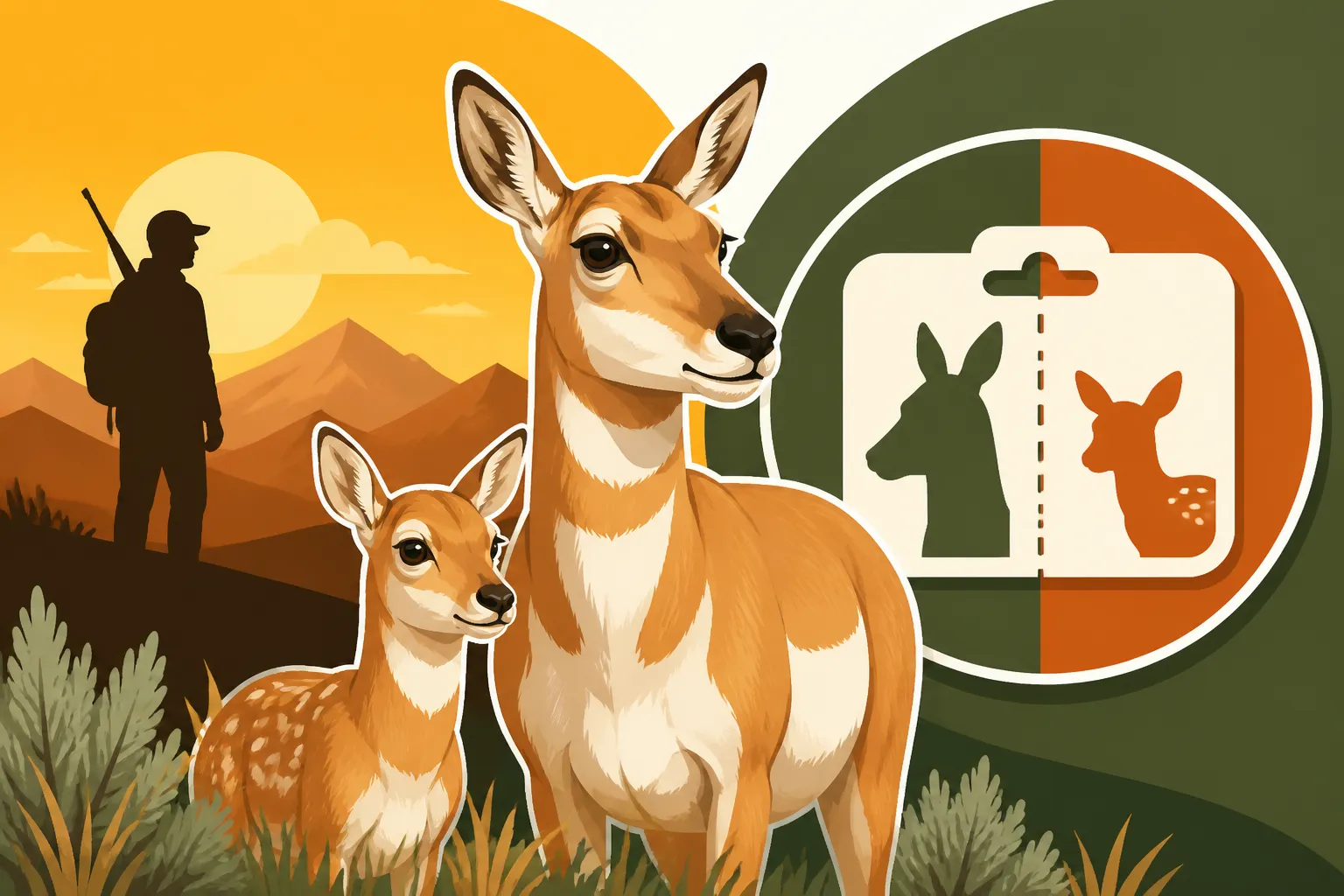
- Type 6 Licenses: These are typically for any antelope, but specifically antlerless. This means you can harvest either a doe or a fawn. These licenses are generally issued in areas where herd reduction is a priority and allows for a broader harvest. The season dates are usually set to coincide with the general rifle seasons, but sometimes they extend earlier or later, providing more opportunity.
- Type 7 Licenses: These are exclusively for fawns. They are often issued in areas where the WGFD wants to specifically target the recruitment class, perhaps to reduce competition for resources among older animals or to allow older does to continue breeding. Fawn hunts can be particularly challenging and are usually less common than doe or any antlerless tags.
- Type 8 Licenses: Similar to Type 6, these are for antlerless antelope (doe or fawn). The primary distinction often lies in the specific hunt area or, more frequently, the season dates. Type 8 licenses might offer extended seasons, or specific, limited early or late seasons to target animals during different times of year. They are often part of the "reduced price" category, making them attractive to hunters looking for a more affordable option.
It's crucial to consult the current year's regulations for the specific hunt area you're interested in, as the exact definitions, valid areas, and season dates can change annually based on herd objectives and local conditions. These tags are always antlerless, focusing on female and young animals, making them ideal for meat hunters or those looking to gain experience in the field without the pressure of finding a trophy buck.
Here’s a quick overview of these common antlerless license types:
| License Type | Harvestable Animal | Typical Purpose | Common Availability | Price Category |
|---|---|---|---|---|
| Type 6 | Any Antlerless | General herd reduction, population management | Common | Often reduced price, sometimes full price |
| Type 7 | Fawn | Target recruitment class, specific population control | Less Common | Usually reduced price |
| Type 8 | Any Antlerless | Extended seasons, specific timing for herd control | Common | Almost always reduced price (also known as "doe/fawn" tags) |
Reduced Price Antlerless Options and Their Advantages
One of the most appealing aspects of Type 6, 7, and 8 licenses, especially Type 8, is their reduced price point. This makes them significantly more accessible compared to a full-price buck tag, which can be a substantial investment, particularly for nonresidents, as detailed in articles like Wyoming Nonresident Antelope Tag Price Explained. The cost savings alone make these tags attractive for hunters primarily focused on harvesting meat for their freezer without breaking the bank.
Beyond the financial benefit, these reduced price antlerless options, often simply referred to as "doe/fawn" tags, offer a fantastic entry point into Wyoming hunting for a variety of reasons. For new hunters or youth, they provide an excellent opportunity to learn the ropes of spot-and-stalk hunting, field dressing, and shot placement without the added pressure of finding a specific-sized buck. They're also often much easier to draw than highly sought-after buck tags, meaning hunters can experience the thrill of a Wyoming antelope hunt sooner, even with zero or very few preference points. This accessibility also allows hunters to build up preference points over time by applying for a harder-to-draw buck tag while still getting to hunt antlerless animals in the current year. For a deep dive into these affordable options, you can check out details on Reduced Price Antlerless Licenses in Wyoming.
How to Apply for Doe and Fawn Antelope Tags
The application process for any Wyoming big game license, including doe and fawn antelope tags, can feel daunting. There are deadlines, specific hunt area codes, and the perennial question of draw odds. But with a bit of guidance and understanding of the system, it's a manageable process that opens the door to incredible hunting opportunities.
Navigating the Wyoming Game and Fish Application Process
The first step for any aspiring Wyoming hunter is to familiarize yourself with the Wyoming Game and Fish Department's Electronic Licensing System (ELS). This is where all big game applications are submitted. You’ll need to create an account if you don't already have one, and make sure all your personal information is up to date. The application period for deer and antelope typically runs in the spring, with a critical deadline often falling around June 1st. Missing this date means waiting another year, so mark your calendar! For specifics, look up Wyoming Deer and Antelope Applications Close June 1.
When applying, you'll need to select your species (antelope) and then choose a specific hunt area and license type (e.g., Area 10, Type 8). This is where your research comes into play. You'll want to study the WGFD regulations booklet, which details all available hunt areas, license types, season dates, and any special restrictions. Don't rush this part. Carefully read the regulations for each area you're considering, paying close attention to whether it's an "any antelope" area, a "buck or doe" area, or specifically for "doe or fawn" tags. The clarity in the regulations is paramount to a successful application. You can apply for up to two choices, your first and second, for each species. For antlerless tags, especially, often just one choice is enough given their higher availability.
Understanding Draw Odds and Preference Points for Antlerless Tags
One of the biggest advantages of applying for doe and fawn antelope tags is the significantly better draw odds compared to coveted buck tags. While a trophy buck tag in a popular unit might require many preference points and years of applying, many doe/fawn tags can be drawn with zero preference points, even for non-residents. This makes them a fantastic opportunity for new hunters, those on a budget, or anyone just looking to get out and enjoy a hunt in the coming season. You can often find units where the draw odds for a Type 6 or Type 8 tag are 100% or very close to it.
Platforms like GoHunt are invaluable resources for researching draw odds. They compile historical data, allowing you to see the success rates for drawing specific license types in specific hunt areas, both for residents and non-residents, and with varying numbers of preference points. This data can help you confidently choose a unit where your chances of drawing an antlerless tag are exceptionally high. For instance, if you're curious about Wyoming Antelope Odds With Zero Preference Points, GoHunt will likely have the precise numbers to guide you. Even if your primary goal is to eventually draw a top-tier buck tag, applying for a doe/fawn license is a smart play. If you're unsuccessful in drawing your first choice for a buck, you can still draw a doe/fawn tag, and in doing so, you'll accumulate a preference point for the following year. This is a common and effective strategy for Buying Wyoming Preference Points Without Applying for a Tag, allowing you to build points while still getting to hunt in the current year.
Hunting Strategies for Doe and Fawn Antelope
Hunting doe and fawn antelope requires a slightly different approach than pursuing a trophy buck, though many core principles of antelope hunting remain the same. The emphasis shifts from antler size to herd dynamics and ethical meat harvesting. With Wyoming’s vast, open landscapes, understanding how to locate and approach these animals efficiently is crucial for a successful hunt.
Locating Antlerless Herds and Hunting Them Ethically
Antelope are creatures of the open sagebrush, and doe and fawn herds are no exception. They often congregate in larger groups than lone bucks or small bachelor groups, typically found grazing in wide-open country with good visibility to spot predators. Your primary tool for locating these herds will be your optics – a good pair of binoculars and a spotting scope are indispensable. Start by getting to a high vantage point at dawn or dusk and systematically glassing wide expanses of terrain. Look for movement, distinct shapes, or patches of color that don't quite fit the landscape. Antelope are relatively light-colored, making them stand out against the darker sagebrush or red dirt.
Once you've spotted a herd, the challenge begins: the stalk. Pronghorn have legendary eyesight, making a direct approach nearly impossible in the wide-open country. This is where you'll need to leverage topography – draws, coulees, rimrocks, and even dense sagebrush can provide the cover you need. Plan your approach carefully, always playing the wind to your advantage, as their sense of smell, while not as keen as an elk's, is still impressive. A successful stalk often involves long crawls, using the subtle contours of the land, and taking your time. Remember, the goal is an ethical shot. Once you get within your comfortable shooting range, take a stable rest and place your shot precisely for a quick, humane harvest. This methodical approach is well-described in guides like Stalking Pronghorn Across Wyoming's Open Sagebrush.
Important Considerations for Success in the Field
Beyond the stalk itself, several practical considerations will significantly impact your success and enjoyment of a doe and fawn antelope hunt. First, gear. Quality optics are a must, as mentioned, but so is a reliable rifle sighted in accurately. Many hunters choose flat-shooting cartridges for antelope, given the long-range potential in open country. Dress in layers, as Wyoming weather can be unpredictable, and always carry plenty of water and emergency supplies.
Accessing hunting areas in Wyoming often involves navigating a mix of public and private land. While the majority of doe/fawn hunting happens on public Bureau of Land Management (BLM) land or State Trust Land, it's imperative to know your boundaries. Use a GPS app with public/private land overlays, like onX Hunt, to avoid trespassing. Always respect private property and access rules. Additionally, be aware of specific regulations regarding Legal Shooting Hours and Vehicle Rules in Wyoming. You cannot hunt from a vehicle, but you can use vehicles to access areas and retrieve game within legal limits. Finally, once an animal is down, act quickly. Antelope meat is excellent, but it can spoil fast in warm weather. Field dress immediately and get the carcass cooled down as soon as possible. Understanding Field Dressing and Carcass Transport Rules Explained will ensure you comply with regulations and preserve your hard-earned meat.
Combining Doe/Fawn Tags with Other Opportunities
Doe and fawn antelope tags aren't just standalone opportunities; they can be integrated into broader hunting plans, offering flexibility, increased success rates, and valuable experiences for hunters of all ages and experience levels. Thinking strategically about these tags can significantly enhance your overall Wyoming hunting adventure.
Multi-Species Hunts and Mentored Hunting Programs
For many resident hunters, and some non-residents who manage to draw multiple tags, a doe/fawn antelope tag can be a fantastic addition to a multi-species hunt. Imagine you've drawn a buck antelope tag in one unit, or maybe a deer tag in another. Adding a readily available doe/fawn tag, perhaps even in a different area or with extended season dates, allows you to maximize your time in the field and fill your freezer. It provides a "backup" opportunity or simply more hunting days. This strategy is especially popular among local hunters who prioritize meat harvesting and want to make the most of Wyoming's generous opportunities.
These antlerless tags also shine brightly in the context of mentored hunting programs. Wyoming offers excellent opportunities for youth and new hunters to get out in the field under the direct supervision of an experienced, certified hunter. Doe and fawn tags, being generally easier to draw and often less pressured, provide an ideal learning environment. A mentor can teach everything from glassing techniques and stalking to shot placement and field dressing, all while the mentee has a high probability of success. It's a wonderful way to introduce the next generation to ethical hunting practices and the joy of the outdoors. If you're considering taking a new hunter, check out the details on Can a Mentor Take You Hunting Before You Certify? for specific requirements.
Leveraging Leftover and Over-the-Counter Options
One of the most appealing aspects of doe and fawn antelope licenses is their frequent availability in the leftover draw or as over-the-counter (OTC) options, especially for residents. After the initial drawing periods for all species conclude, the Wyoming Game and Fish Department conducts a "leftover draw" for any tags that weren't allocated. Often, these are antlerless tags in specific hunt areas where herd objectives still need to be met. This leftover draw is a golden opportunity for hunters who were unsuccessful in the primary draw, or for those who decided late in the season that they wanted another tag. Understanding The Wyoming Leftover Draw in Late June can be a real game-changer for securing an extra hunt.
In some cases, if tags still remain after the leftover draw, certain doe/fawn licenses may even become available for purchase over-the-counter at WGFD offices or licensed vendors. This means you can literally walk in and buy a tag, offering incredible flexibility for spontaneous hunts or for hunters who didn't plan far enough in advance for the primary draw. Keeping an eye on the WGFD website's "Leftover License" section is crucial during the summer months. Resources like GoHunt also provide updates and analysis on leftover tag availability, often helping hunters identify units where these opportunities are likely to arise. This level of accessibility makes doe and fawn tags an exceptionally valuable tool for maximizing your hunting time and putting healthy, wild game meat on your table.
Disclaimer
Please remember that hunting regulations, license availability, and season dates are subject to change annually. Always consult the most current Wyoming Game and Fish Department regulations before planning your hunt or submitting any applications. This guide is intended for informational purposes only.