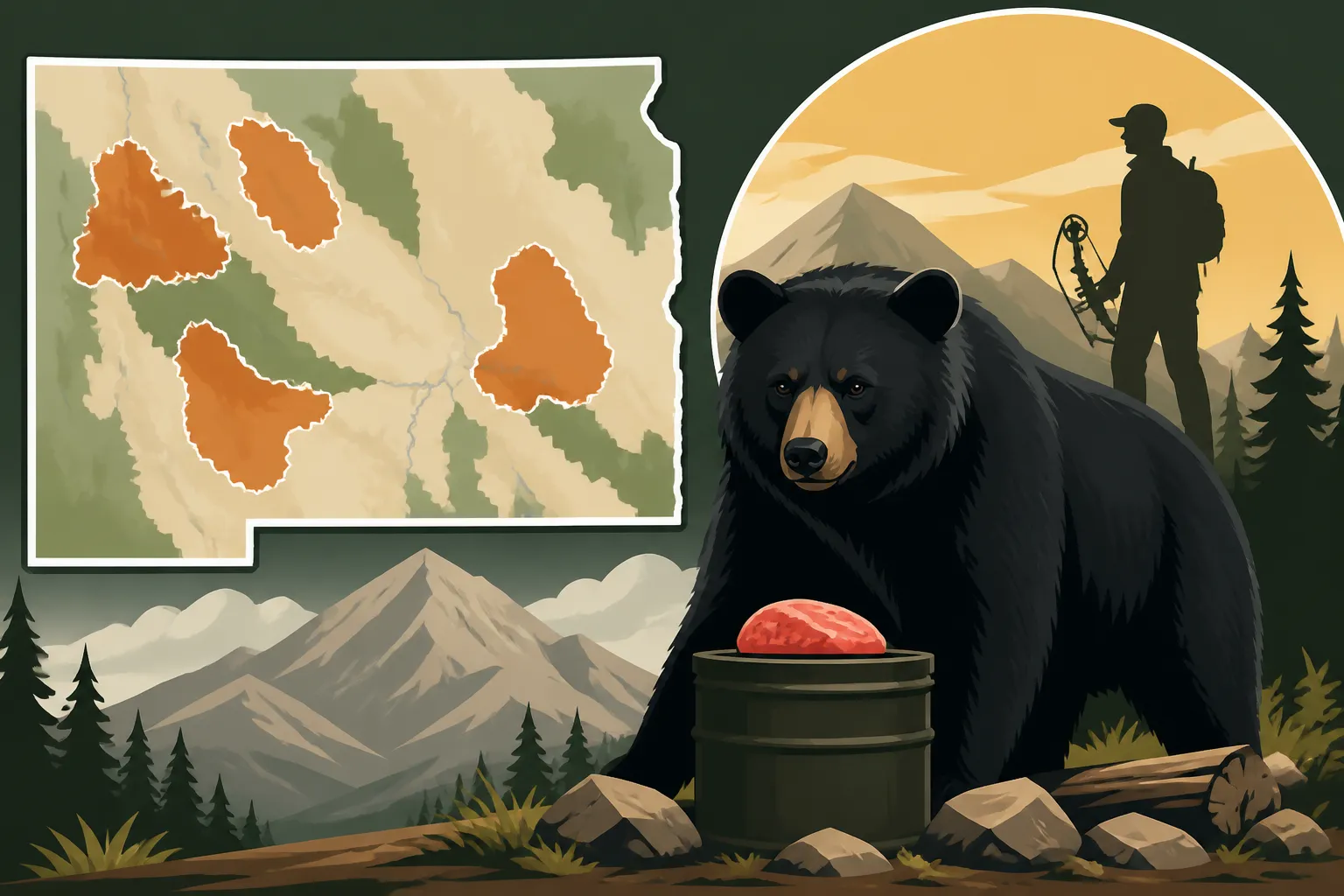
Wyoming Black Bear Baiting Areas
Hunting black bears in Wyoming can be an incredibly rewarding experience, offering a unique challenge in stunning wild landscapes. However, navigating the specific regulations around baiting for black bears can feel like trying to untangle a snarled fishing line – confusing, frustrating, and prone to misinterpretation. Many hunters wonder if baiting is even allowed, and if so, where and how to do it legally and ethically without running afoul of the law or inadvertently attracting the wrong kind of attention. This comprehensive guide is designed to cut through that confusion, providing clear, detailed information on Wyoming's black bear baiting areas and the essential rules you need to follow for a successful and compliant hunt.
Understanding Wyoming's Black Bear Regulations
Wyoming has a rich tradition of bear hunting, but it's also a state committed to managing its wildlife populations responsibly. This commitment means that regulations are often specific, nuanced, and designed to protect both the animals and the hunters. When it comes to black bears, the rules can vary significantly depending on where you are in the state and what season it is. It's not a one-size-fits-all situation, and that's where many of us get tripped up.
Why Regulations Vary So Much
The primary reason for varying regulations across Wyoming is the diverse geography and wildlife management objectives of different regions. From the dense timber of the Bighorn Mountains to the vast sagebrush plains, bear habitat changes dramatically, and with it, the concentration and behavior of black bears. In some areas, black bear populations are robust and thriving, while in others, they might be more sparsely distributed or share habitat with other sensitive species, like grizzly bears.
For instance, areas with higher bear densities or specific population control goals might have more liberal regulations, including baiting allowances, to help achieve management targets. Conversely, areas that are less suitable for baiting due to terrain, proximity to human settlements, or the presence of grizzlies will have strict prohibitions. The Wyoming Game and Fish Department meticulously studies these factors, adjusting hunt area boundaries and regulations annually to maintain healthy bear populations and minimize conflicts with humans and livestock. This ongoing scientific management is why staying updated with the most current regulations is absolutely non-negotiable for any hunter.
Differences Between Bear Hunting Seasons
Wyoming's black bear seasons typically run in both spring and fall, and the rules, including those for baiting, can differ between them. Spring bear season usually opens in April or May and offers a chance to hunt bears emerging from hibernation, often still in higher elevations or timbered country. Fall seasons typically begin in September and extend into October or November, coinciding with bears foraging heavily before winter denning. You can explore the overall framework by looking into Wyoming Black Bear Runs Spring and Fall.
During the spring, when bears are focused on finding food after a long winter, baiting can be a highly effective method. However, this is also when grizzly bears are emerging and can pose a significant identification challenge. The risk of misidentification is a major factor influencing where and if baiting is allowed. You must be absolutely certain of your target, and this is why knowing the subtle differences covered in topics like Telling a Grizzly From a Black Bear is vital.
In the fall, bears are often more focused on natural food sources like berries and acorns, and while baiting can still be effective, it might not be as universally permitted as in certain spring hunt areas. Furthermore, fall seasons often overlap with deer and elk seasons, adding another layer of complexity to public land use and ensuring hunter safety. Always consult the specific bear hunting regulations for the particular hunt area and season you plan to pursue.
Designated Black Bear Baiting Areas Explained
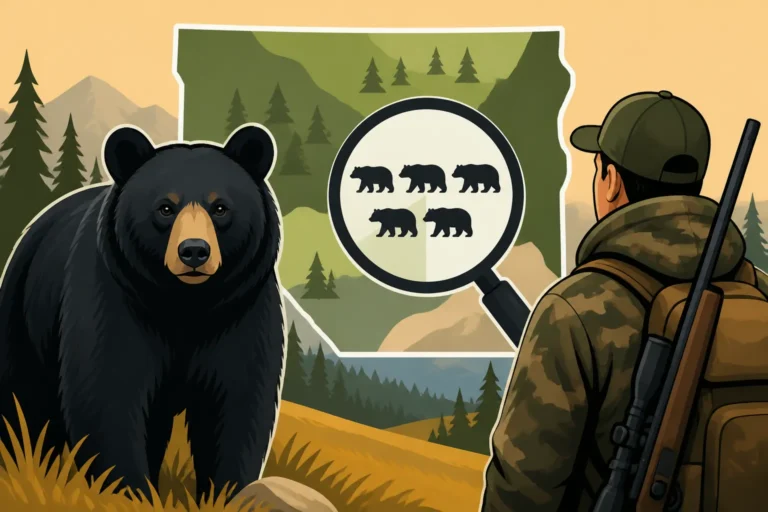
Not all of Wyoming is open to black bear baiting, and understanding precisely where it's permitted is paramount. The state uses a system of Hunt Areas, and only specific ones are designated for baiting. These designations are critical for ensuring public safety, managing bear populations effectively, and preventing unintended interactions, especially with grizzly bears.
Specific Hunt Areas That Allow Baiting
The Wyoming Game and Fish Department (WGFD) clearly outlines which bear hunt areas permit baiting in their annual regulations. These areas are typically located where black bear populations are healthy, habitat is suitable, and grizzly bear populations are absent or minimal, thereby reducing the risk of accidental take or dangerous encounters. It's usually the forested, mountainous regions of the state that offer these opportunities. For example, some units in the Bighorn Mountains or parts of the Bridger-Teton National Forest might be open to baiting, while areas closer to Yellowstone National Park or the Grand Teton National Park, which are known grizzly strongholds, will be strictly off-limits.
Before you even consider setting up a bait site, you must confirm that the specific hunt area you are in allows baiting. This information is found directly in the WGFD's regulations, often in a table or a dedicated section on black bear hunting. Ignoring this step could lead to severe penalties, including fines, license revocation, and equipment confiscation. It’s not just a suggestion; it’s a legal requirement that protects you and the resource.
Interactive Maps and Official Resources
The absolute best way to pinpoint current baiting areas is through the official WGFD website and their interactive mapping tools. While a physical copy of the regulations is a must-have in the field, digital resources can be invaluable for initial planning. Services like GoHunt also integrate WGFD data, making it easier for hunters to visualize hunt area boundaries, public land access, and relevant regulations all in one place. These digital platforms often overlay various land types, helping you ensure your chosen bait site is on public land where baiting is legal.
When using any mapping tool, always cross-reference with the official WGFD regulations document. Technology is great, but the written word from the Game and Fish Department is the final authority. Pay close attention to hunt area numbers, as they are the key to unlocking the correct regulations. For instance, you might be looking at Hunt Area 1 for bears, but the adjacent Hunt Area 2 might have entirely different rules. Double-checking ensures you are fully compliant and ready for the field.
Let's take a look at a simplified example of how hunt areas might delineate baiting availability:
| Hunt Area Number | General Location | Baiting Permitted? | Notes on Baiting | Primary Bear Species |
|---|---|---|---|---|
| BA-1 | Bighorn Mountains (North) | Yes | Spring & Fall Seasons | Black Bear |
| BA-2 | Teton Wilderness Adjacent | No | Grizzly Bear Presence | Black Bear, Grizzly |
| BA-3 | Absaroka Range (East) | Yes | Spring Season Only | Black Bear |
| BA-4 | Southern Wind River Range | No | Roadless, Wilderness | Black Bear, Grizzly |
| BA-5 | Laramie Range | Yes | Public Land Availability | Black Bear |
Disclaimer: This table is illustrative and does not represent current, official Wyoming Game and Fish Department regulations. Always consult the most recent WGFD regulations directly.
Key Rules and Restrictions for Bear Baiting
Just because an area allows baiting doesn't mean it's a free-for-all. Wyoming has strict rules about how you can bait, what you can use, and how you must manage your bait sites. These rules are in place for safety, ethics, and to ensure a fair chase opportunity while minimizing negative impacts on wildlife and other public land users. Understanding them is crucial for avoiding costly mistakes and maintaining the integrity of the hunt.
Bait Site Requirements and Maintenance
Once you've confirmed your hunt area allows baiting, you'll need to know the specific requirements for setting up your site. Typically, Wyoming regulations stipulate a minimum distance a bait site must be from a public road, trail, or even another established bait site. This is to ensure fair distribution of hunting opportunities, prevent congestion, and maintain safety for all recreational users. For instance, a common rule might be that a bait site cannot be within 200 yards of a public road or trail, and often, there's a minimum distance between two bait sites, perhaps a quarter-mile or more. This prevents competition among hunters for prime locations.
All bait sites must be clearly marked with signs visible from all directions of approach, identifying the hunter's name, address, and license number. This transparency is vital for accountability and allows game wardens to verify compliance. The bait itself must be contained in a way that prevents it from scattering widely or creating an unsightly mess. Hunters are responsible for the entire bait site, including its setup, maintenance, and complete removal of all materials (containers, signs, leftover bait) once the season closes or they stop hunting that site. Failing to remove bait materials is a major violation and an environmental blight.
Prohibited Baits and Distances
Wyoming is very specific about what constitutes legal bait. While general food items like pastries, grains, and dog food are often permitted, certain items are strictly prohibited. For example, any part of a cervid (deer, elk, moose) or bovid (bison, domestic livestock) carcass is usually illegal to use as bear bait due to concerns about disease transmission, such as Chronic Wasting Disease (CWD). This is a critical point that many new hunters miss, as using such items could lead to severe penalties.
It's also important to understand distance regulations related to occupied dwellings, developed campgrounds, or other specific zones. Baiting too close to these areas is universally prohibited to ensure public safety and prevent attracting bears into residential or high-use recreational zones. These buffer zones can be quite large, sometimes a half-mile or even a mile, depending on the specifics of the area. Always refer to the current WGFD regulations for a definitive list of prohibited baits and specific distance requirements, as these can be updated annually. Ignoring these can not only lead to legal trouble but also create dangerous situations for others.
Licensing and Reporting Requirements
To hunt black bears in Wyoming, you'll need the appropriate hunting license, which typically includes a black bear license tag. This tag usually specifies whether it's valid for a spring or fall season, and sometimes even for specific hunt areas or bear sex (e.g., male only or any bear). Non-residents will find specific costs and application processes, which are distinct from resident licenses.
Beyond simply having a license, successful bear hunters have specific reporting obligations. For instance, harvested bears must often be reported to the WGFD within a very short timeframe, sometimes as little as 24 or 48 hours. This reporting is crucial for managing quotas, especially in areas with limited tags or where quotas can be met and closed early. For example, if you're hunting in an area with a female bear quota, and that quota is met, the season for female bears might close abruptly. Checking the WGFD website or calling a regional office for quota status is a daily ritual for many bear hunters during the season. Remember that you also have a legal obligation regarding The Bear Meat Salvage Requirement Explained after a harvest.
Ethical Considerations and Best Practices
While legal compliance is foundational, ethical hunting goes beyond simply following the rules. It encompasses respect for the animal, the land, and fellow hunters, ensuring that the act of hunting remains a positive and sustainable endeavor. When it comes to black bear baiting, there are particular ethical considerations that hunters should embrace.
Minimizing Human-Bear Conflicts
One of the most significant ethical responsibilities of a bear baiter is to minimize potential human-bear conflicts. A poorly managed bait site can habituate bears to human-provided food, leading them to associate humans with an easy meal. This can make bears bolder and more likely to approach residential areas, campgrounds, or hiking trails, creating dangerous situations for people and often leading to the bear's eventual demise.
To mitigate this, always choose remote bait sites, far from human activity, and ensure they are maintained regularly. Cleanliness is key; remove all trash and non-food items, and secure your bait so other wildlife (like coyotes or domestic animals) don't scatter it, attracting unintended attention. Also, be acutely aware of your surroundings for other large predators. When baiting, it's not uncommon to encounter other large carnivores. Being able to correctly apply your knowledge from topics such as Color Phase Bears and Grizzly Identification and recognizing the subtle cues of different animals can save lives. By exercising extreme caution and diligence, you contribute to a positive public image of hunting and protect both bears and people.
Responsible Baiting and Fair Chase
The concept of fair chase is central to ethical hunting, ensuring that the animal has a reasonable chance to escape and that the hunter's advantage is not overwhelming. When baiting, this means not simply creating a "shooting gallery" but using bait as a tool to draw bears into a visible, ethical shooting range within legal hunting hours. It’s about creating an opportunity, not guaranteeing a kill.
Responsible baiting also involves choosing appropriate bait types that are appealing to bears but not harmful to them or other wildlife. Avoid any substances that could be toxic or lead to sickness. Consider the environmental impact of your bait choices; biodegradable options are always preferable. After your hunt, or if you decide to abandon a site, ensure all bait and materials are completely removed. Leaving a mess tarnishes the reputation of all hunters and can create lingering problems for wildlife and public lands. Treat the land as if you own it, and leave no trace behind.
Resources for Planning Your Baited Bear Hunt
Planning a bear hunt, especially one involving baiting, requires thorough preparation. Beyond understanding the regulations, you need to leverage available resources to maximize your chances of success and ensure a safe, compliant experience.
Consulting the Game and Fish Department
Your absolute best resource for any Wyoming hunting endeavor is the Wyoming Game and Fish Department (WGFD). Their website is a treasure trove of information, including the most up-to-date regulations, season dates like When Wyoming's Spring Bear Season Falls and When the Fall Bear Season Opens in Wyoming, draw odds, harvest statistics, and contact information for regional offices. Don't hesitate to call your local WGFD office or a game warden if you have specific questions about a hunt area or a particular regulation. They are there to help you hunt legally and ethically.
Many WGFD offices also offer public access to physical maps, often at no cost or a nominal fee, which can be invaluable for identifying land ownership, access points, and potential baiting locations. Attending public meetings or reading WGFD newsletters can also keep you informed about potential regulation changes or specific wildlife management concerns in your target area. Always prioritize official sources over anecdotal information from online forums or social media.
Leveraging Digital Scouting Tools
In this modern age, digital scouting tools have become indispensable for hunters. Platforms like GoHunt, onX Hunt, and other mapping applications provide incredible detail, including public and private land boundaries, topographical features, satellite imagery, and even historical fire data, which can all be crucial for selecting a prime bait site. These tools allow you to "e-scout" from home, identifying potential access routes, natural corridors bears might use, and areas far enough from roads or trails to comply with baiting distance regulations.
When using these tools, look for features that indicate good bear habitat: dense timber, north-facing slopes, areas with water sources, and remote draws. You can pinpoint potential bedding areas and natural travel routes that might lead bears to your bait. While digital tools are powerful, nothing beats boots on the ground for final verification. Once you’ve narrowed down some potential spots digitally, a physical scouting trip will allow you to assess ground conditions, confirm access, and identify any issues that aren't visible from a satellite image. Remember to also be aware of general hunting rules like Legal Shooting Hours and Vehicle Rules in Wyoming regardless of your method.
Disclaimer
The information provided in this guide is for general informational purposes only and is not intended as legal advice. Hunting regulations in Wyoming are complex and subject to change. It is the individual hunter's responsibility to consult the most current Wyoming Game and Fish Department regulations and obtain all necessary licenses and permits before engaging in any hunting activity. Failure to comply with regulations can result in severe penalties.