Why Surviving Bucks Are Older Than Usual
It can be incredibly confusing to look at Wyoming's mule deer numbers sometimes. One year you hear about brutal winters and massive deer loss, especially among the younger animals, and the next you're seeing photos of some genuinely impressive, mature bucks. It leaves many hunters scratching their heads, wondering how both of those things can be true at the same time. This guide is here to unravel that mystery, explaining why, despite population struggles, the surviving bucks you do see out on the sagebrush flats and in the timber are often older and wiser than average.
Understanding the Lifecycle of Wyoming Mule Deer
The life of a mule deer in Wyoming is a constant battle against the elements, predators, and the sheer effort it takes to survive in a high-desert, high-mountain environment. Every year brings its own set of challenges, and not all deer are equipped to handle them equally. This natural selection process plays a huge role in the age structure of the herds we see today.
The Impact of Severe Winters on Younger Deer
When a harsh winter descends on Wyoming, it's not a gentle culling. It's a brutal reality check, and the youngest and oldest deer often bear the brunt of it. Fawns born the previous spring, often called "recruits" by biologists, are particularly vulnerable. They haven't had a full year to build up fat reserves, their small body size means they lose heat faster, and they're still learning the ropes of foraging efficiently and avoiding danger. Deep snow covers vital forage, making it harder to access the bitterbrush, sage, and other plants they need to survive.
Imagine a young buck, just six months old, trying to paw through two feet of crusted snow to find enough to eat. Its energy demands are high because it's still growing, but its access to nutrition is severely limited. This combination is often lethal. Yearling bucks, those 1.5 years old, also struggle. While they've survived one winter, they're often still in a growth phase, pouring energy into antler development and increasing their body size. If the winter hits hard, these deer simply don't have the reserves to make it through, especially if they're also facing increased predation pressure from coyotes, mountain lions, and even wolves looking for easy meals. The article, What the 2022-23 Winter Did to Wyoming Mule Deer, paints a stark picture of just how devastating these events can be.
How Older Bucks Cope with Environmental Stress
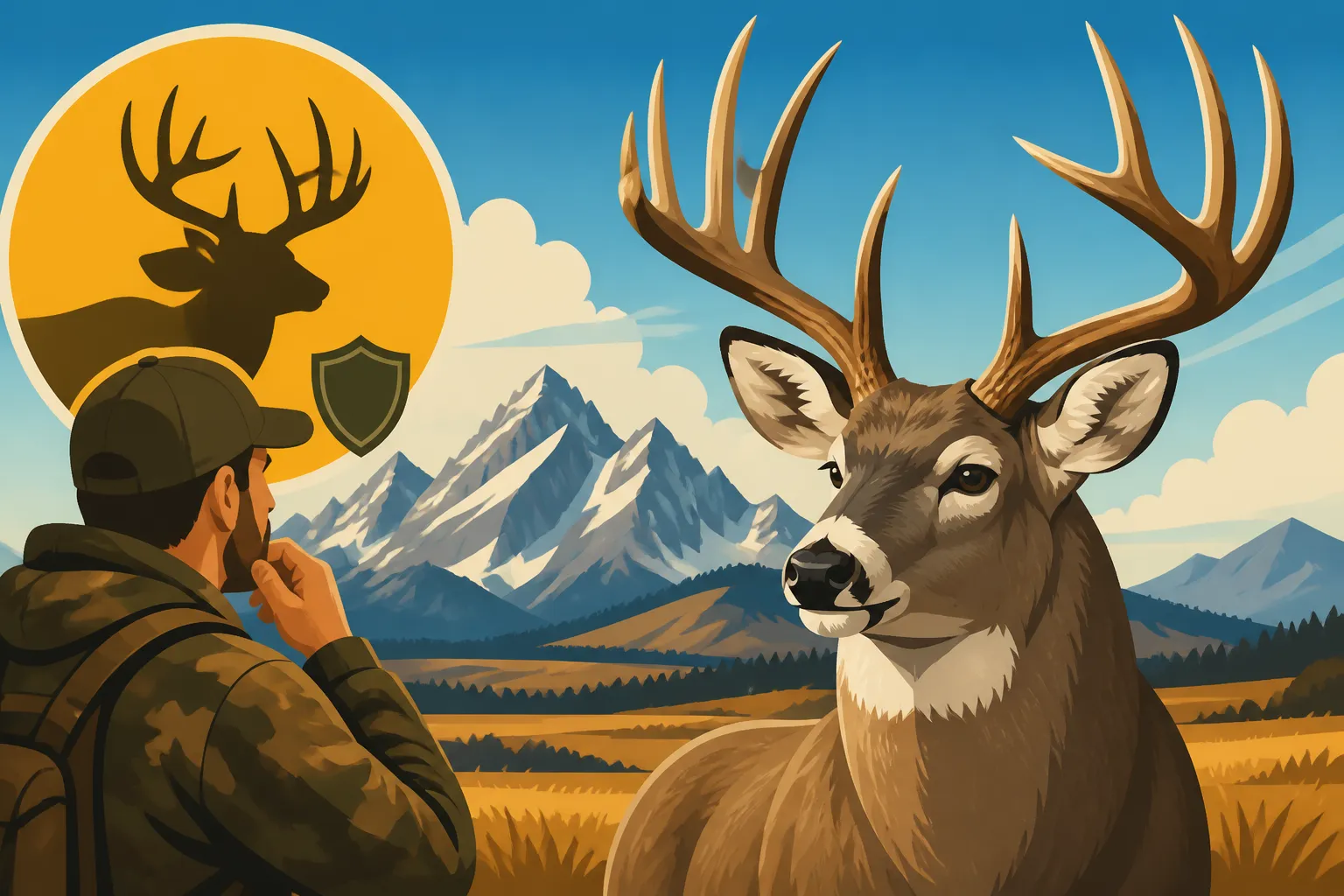
In stark contrast to their younger counterparts, older, more mature bucks are often surprisingly resilient. They've earned their stripes, so to speak, having successfully navigated multiple winters, evaded countless predators, and learned the nuances of their home range. This experience translates directly into survival advantages. A 3.5-year-old buck, or older, has typically built up substantial fat reserves during the milder months, giving it a much-needed buffer when food becomes scarce. Their larger body mass helps them retain heat more effectively, and their more developed musculature allows them to break through deeper snow to reach forage.
Beyond physical advantages, there's the wisdom of age. These bucks know the landscape intimately. They understand where the sunniest slopes are that might melt snow faster, exposing browse. They know the sheltered draws and thick timber where they can find respite from biting winds. They've learned the escape routes from common predator ambush points and are often more cautious and solitary, making them harder targets. In a sense, these older bucks are the survivors of a rigorous natural selection process, genetically and behaviorally predisposed to endure the toughest conditions. When you're looking for Best Units to Draw for a Mature Mule Deer, remember that these areas often have a history of producing resilient animals.
The Numbers Game: Population Dynamics and Herd Health
Understanding why you see older bucks requires a look at the big picture of population dynamics. It's not just about individual deer surviving, but how entire age classes are affected, leading to a noticeable shift in the overall herd structure.
Reduced Recruitment Rates and Their Long-Term Effects
"Recruitment" is a term wildlife biologists use to describe the number of young animals that survive to join the breeding population. When a severe winter drastically reduces fawn and yearling survival, the recruitment rate plummets. This isn't just a problem for one season; it has a long-term ripple effect on the herd. If fewer fawns are making it to their first or second year, then in subsequent years, there will naturally be fewer 1.5-year-old and 2.5-year-old bucks in the population. The gap in these younger age classes becomes noticeable.
Think of it like a chain reaction. If you lose a significant number of first-graders, you'll feel that loss all the way through their school career, with fewer students in each subsequent grade. The same happens with deer. Fewer young bucks mean that the proportion of older bucks in the herd automatically increases, not necessarily because there are more older bucks than before, but because the younger ones that would normally dilute their presence are simply not there. For instance, the ongoing challenges faced by The Wyoming Range Deer Herd Is Half of What It Should Be are a direct consequence of these reduced recruitment rates over time. Management efforts, including careful consideration of Mule Deer Winter Range Closures Explained, are constantly working to bolster these numbers.
The Shifting Age Structure of Wyoming Herds
What this all boils down to is a significant shift in the age structure of mule deer herds in many parts of Wyoming. Instead of a typical population pyramid where there are many young animals at the base and fewer older ones at the top, severe winters can create a "waisted" or even "inverted" pyramid for a few years, particularly in the immediate aftermath. You still have some fawns and adult does, but the cohorts of 1.5-year-old and 2.5-year-old bucks are significantly diminished.
This means that the bucks you do encounter in the field are more likely to be 3.5 years old or older. These are the deer that had enough life experience and physical resilience to survive multiple challenges. Hunters often report seeing "bigger" or "more mature" bucks, and while this is true in terms of age, it's a reflection of the skewed age distribution rather than a booming overall population of big deer. It's an important distinction for setting realistic expectations and understanding the current health of the herd. The goal for wildlife managers is to return these herds to a healthier, more balanced age structure, which is crucial for long-term sustainability and reaching The Population Objective for Wyoming Range Deer.
Hunter Opportunity and Management Strategies
So, what does this shifting age structure mean for you, the hunter? It influences everything from how you scout to what you can realistically expect to see, and it also shapes how wildlife agencies manage these valuable resources.
The Role of Antler Point Restrictions in Protecting Young Bucks
Wildlife managers employ various strategies to help deer populations recover and to promote a healthier age structure, and antler point restrictions (APRs) are one tool in their kit. An APR might dictate that a hunter can only harvest a buck with a certain number of points on one side, or that it must be a "forked horn" or better. The intent behind these rules is often to protect younger, genetically valuable bucks (like 1.5 and 2.5-year-olds) that typically have smaller antlers, giving them a chance to mature and contribute to the herd's breeding success.
When these younger bucks are protected, they are more likely to survive to older age classes. This can, in turn, contribute to an overall increase in the number of older bucks available to hunters in future seasons. While not without debate, as some hunters prefer opportunity over trophy potential, APRs directly influence the demographics of the buck population. You can see examples of this in the regulations, such as Antler Point Restrictions Wyoming Kept for 2026, which detail where and how these rules apply. Understanding these nuances is crucial for any hunter planning a Wyoming mule deer trip.
Navigating a Herd with an Older Age Structure
For hunters, an older age structure in the buck population presents both unique challenges and exciting opportunities. The challenge lies in the fact that there are simply fewer deer overall in some areas, meaning you might have to work harder to find them. However, the opportunity is that the bucks you do find are more likely to be mature animals, carrying impressive antlers. This isn't the same as hunting an unpressured, booming population, so your strategies need to adapt.
Effective scouting becomes paramount. Utilize digital tools like GoHunt to research units, analyze draw odds, and understand habitat features before you even set foot in the field. When you're out there, employ techniques like E-Scouting a Unit Before the Season Opens to pinpoint potential feeding areas, bedding cover, and travel corridors. Be prepared for longer stalks and more patient glassing sessions, because these older bucks are often more wary and elusive. Consider how to effectively use the wind, as detailed in Reading Wind on an Open-Country Stalk, especially when trying to close the distance on an animal that has survived many hunting seasons. Patience, persistence, and a deep understanding of mule deer behavior will serve you well when hunting in areas where the surviving bucks are older and wiser than usual.
Here's a quick look at how winter conditions can dramatically impact mule deer survival across different age classes:
| Age Class | Typical Survival (Mild Winter) | Typical Survival (Severe Winter) | Reason for Impact |
|---|---|---|---|
| Fawns (<1 year old) | 70-85% | 10-30% | Small size, limited fat, high energy needs, inexperience |
| Yearlings (1.5 years) | 80-90% | 30-60% | Still growing, often prioritizing antler growth over fat reserves |
| Mature Bucks (3.5+ years) | 85-95% | 60-80% | Large fat reserves, experience, efficient foraging, better escape routes |
| Older Does | 90-95% | 70-90% | Good fat reserves, experience, but may be impacted by late pregnancy |
Disclaimer
This article is for general informational purposes only and does not constitute professional advice. Laws, prices and regulations vary by location and change over time. Consult a qualified professional for guidance on your specific situation.