Mule Deer Winter Range Closures Explained
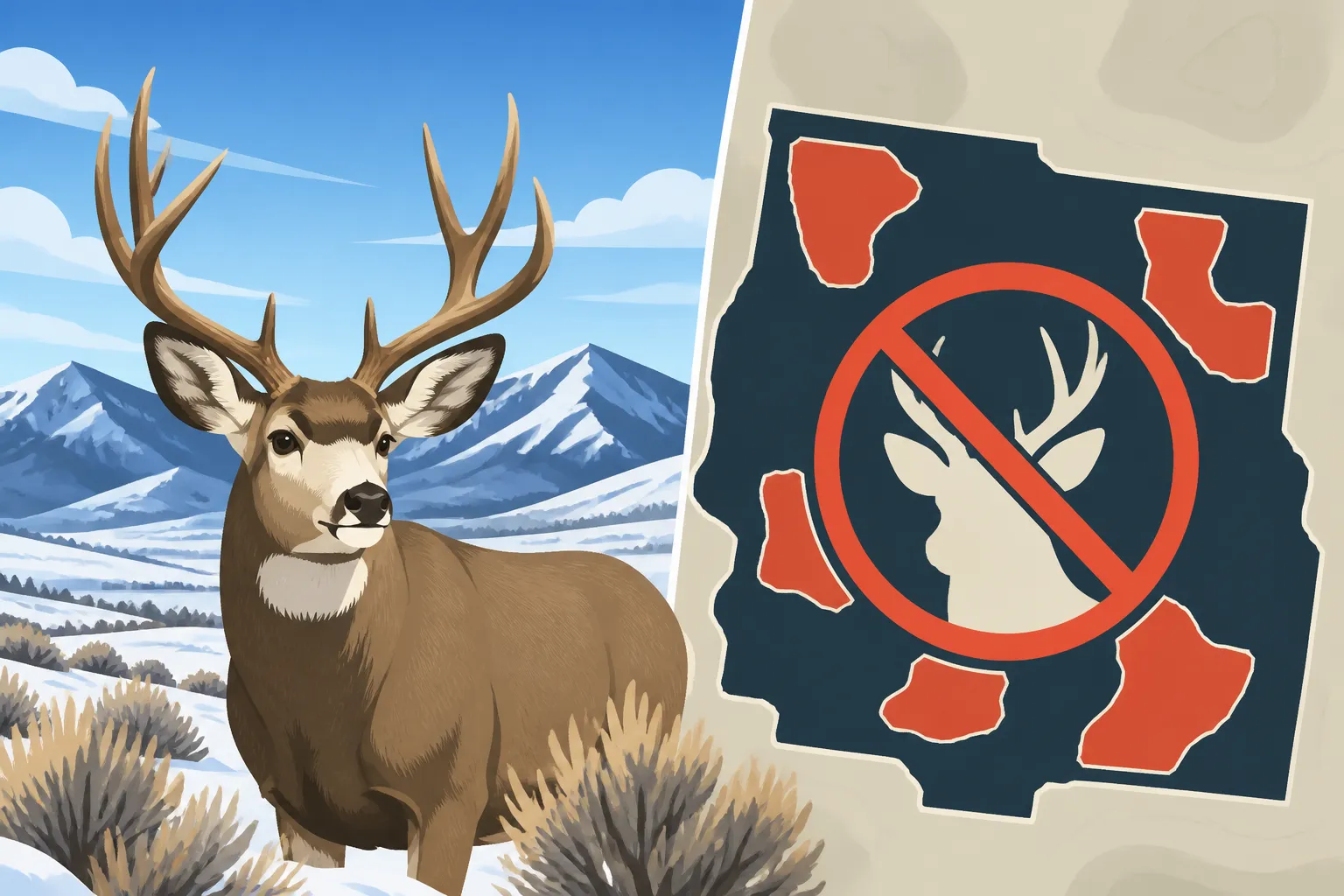
There's nothing quite like the crushing disappointment of spending countless hours e-scouting, only to discover that the prime mule deer winter range you've been eyeing for an early shed hunting trip or late-season scouting mission is completely off-limits. It's a common frustration for hunters in Wyoming, but these winter range closures aren't arbitrary roadblocks; they're vital tools in managing and protecting our cherished mule deer herds. This guide will thoroughly explain why these closures exist, what they entail, and how you can navigate them responsibly while still pursuing your passion for Wyoming's mule deer.
The Crucial Role of Winter Range for Wyoming Mule Deer
Wyoming winters are famously brutal, and for mule deer, surviving the deep snow and relentless cold is a monumental challenge. Their ability to make it through the lean months directly impacts the health of the herd and, consequently, the quality of hunting opportunities for years to come. Understanding their needs during this critical period is the first step in appreciating why closures are so necessary.
Why Mule Deer Need Specific Winter Habitat
Imagine trying to survive months with limited food, freezing temperatures, and snow often chest-deep. That's the reality for a Wyoming mule deer. To cope, they rely on specific winter habitats—typically lower elevation areas, often with south-facing slopes that melt out faster, exposing crucial forage. These areas provide a buffet of vital browse species like sagebrush, bitterbrush, and serviceberry, which are higher in protein and energy than grass, and often remain accessible above the snowpack. These critical spots offer not just food, but also thermal cover, shielding deer from brutal winds and heavy snowfall. Every single calorie a deer consumes in winter is precious, and every calorie expended unnecessarily can be the difference between life and death. Their very survival hinges on finding these specific havens where they can minimize energy output while maximizing intake.
Mule deer are also master migrators, instinctively moving from high summer ranges in the mountains down to these lower, more hospitable wintering grounds. This migration can cover vast distances, sometimes hundreds of miles, showcasing their dependence on an intact and undisturbed migration corridor leading to their essential winter homes. When they arrive, they need to settle in, conserve energy, and begin the slow process of drawing on their fat reserves, hoping to stretch them until spring green-up.
The Impact of Harsh Winters on Mule Deer Populations
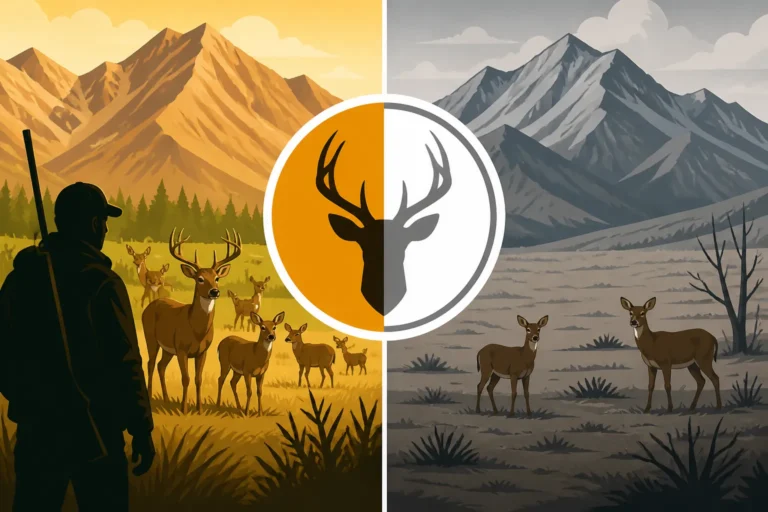
The health of Wyoming's mule deer populations is inextricably linked to the severity of winter. A mild winter might see most deer, including fawns and older bucks, make it through with relatively little stress. But a harsh winter, like the one we experienced in 2022-23, can have absolutely devastating effects. During these prolonged periods of extreme cold and deep snow, mule deer burn through their fat reserves rapidly. Fawns, with their smaller body size and fewer fat stores, are often hit the hardest, as are older, trophy-class bucks that have just gone through the strenuous rut. You can learn more about the significant toll these conditions take by looking into information about What the 2022-23 Winter Killed Off.
When deer are weakened by winter, they become more susceptible to disease and predation. They're simply too exhausted to run from coyotes or mountain lions, and their immune systems are compromised. The quality and availability of winter range, coupled with minimal disturbance, directly correlate to fawn recruitment rates and the overall number of bucks that survive to reach mature age classes. When winter range is disturbed or inadequate, it can lead to a long, slow recovery for entire herds, impacting hunting opportunities for many seasons. We've seen significant discussions around herd numbers in areas like The Wyoming Range Deer Herd Is Half of What It Should Be following tough winters, highlighting just how fragile these populations can be.
Understanding Wyoming's Winter Range Closures
It's one thing to understand why mule deer need winter range, and another to grasp how these areas are protected through closures. These aren't just arbitrary lines on a map; they are carefully considered decisions made by wildlife managers to give deer the best possible chance at survival.
Who Implements the Closures and Why
Winter range closures in Wyoming are primarily implemented by the Wyoming Game and Fish Department (WGFD), often in conjunction with federal land management agencies such as the Bureau of Land Management (BLM) and the U.S. Forest Service (USFS). Their collective mandate is to conserve wildlife, and during winter, this often means minimizing human interference in critical habitats. The core reason for these closures is to reduce disturbance to wintering wildlife, specifically mule deer, but also elk, bighorn sheep, and pronghorn in some areas. When people enter these areas—whether on snowmobiles, ATVs, cross-country skis, or even just hiking—it forces deer to move. Every time a deer moves, especially in deep snow, it expends precious calories it cannot afford to lose. This added stress can weaken them, making them more vulnerable to starvation, disease, and predation.
The WGFD and other agencies don't just guess when or where to close areas. They use a wealth of data: real-time snow depth reports, temperature forecasts, long-term climate predictions, and biological data on herd health, population objectives, and recent fawn recruitment. They are constantly monitoring the conditions to make informed decisions about when to open or close specific parcels of land. It’s a dynamic process, and while general dates are common, the specifics can and do change based on what's happening on the ground, all with the singular goal of preserving the health of our deer herds.
Common Dates and Geographic Scope of Closures
While specific closure dates can vary based on local conditions and the severity of winter, a common timeframe for many designated winter ranges in Wyoming is from December 15th through May 15th. However, it's crucial to remember that this is a guideline, not a hard-and-fast rule for every single area. Some closures might begin earlier with heavy snow, or extend later if spring green-up is delayed. These dates are chosen to encompass the period when mule deer are most vulnerable and concentrated in their wintering grounds.
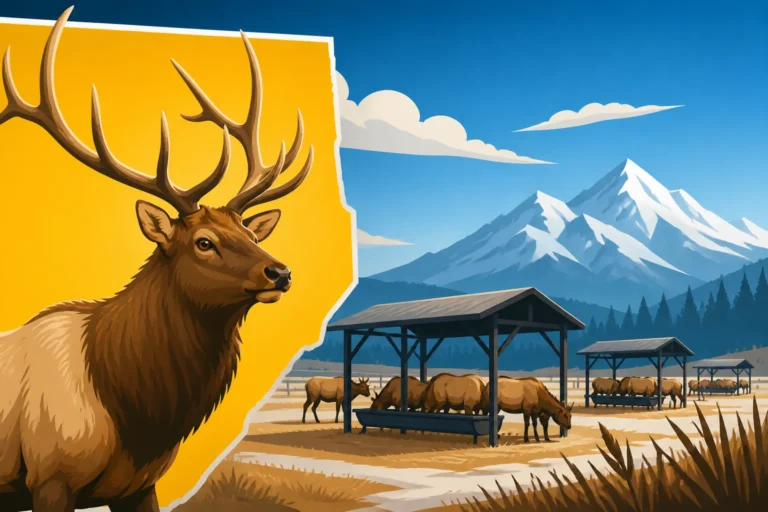
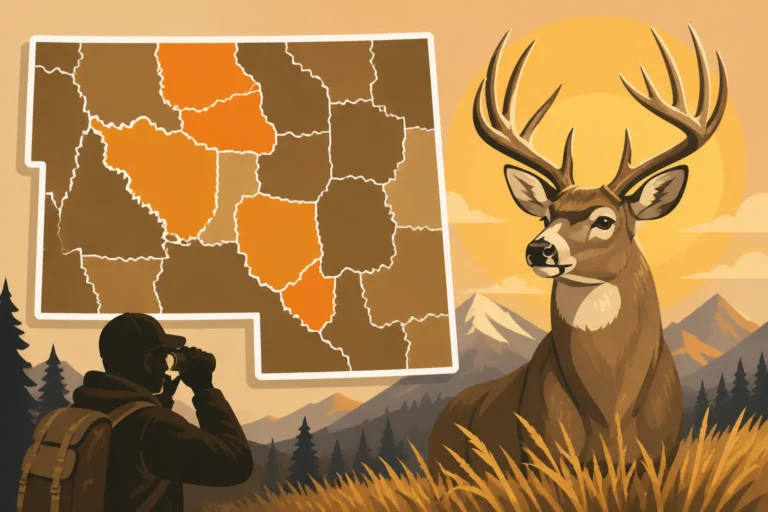
The geographic scope of these closures is equally varied. They typically target specific, well-defined critical winter ranges, crucial migration corridors, and sometimes areas adjacent to wildlife feedgrounds (though feedgrounds are more often associated with elk, the principle of minimizing disturbance still applies to all wintering big game). You'll find these closures across Wyoming's landscape, particularly in areas known for significant mule deer populations and harsh winters. This includes vast expanses in Sublette County, known for its incredible mule deer migrations, as well as parts of the Red Desert and areas surrounding mountain ranges like the Wind Rivers and the Bighorns. These aren't just random patches; they are areas scientifically identified as essential for deer survival. For example, understanding The Red Desert Mule Deer Migration Explained helps illustrate the scale and importance of protecting these pathways and destinations.
Typical Winter Range Closure Details
To give you a clearer picture, here’s a summary of what you might expect regarding winter range closures in Wyoming:
| Aspect | Typical Details |
|---|---|
| Season | Generally December 15th to May 15th, but dates are flexible based on snowpack and conditions. |
| Purpose | To minimize human-caused disturbance to vulnerable wintering mule deer and other big game, preventing unnecessary energy expenditure and promoting survival. |
| Affected Areas | Designated critical winter range, migration corridors, and specific habitat management areas managed by WGFD, BLM, and USFS. Often includes lower elevation, south-facing slopes, and sagebrush-dominated landscapes. |
| Prohibited Activities | Any activity that creates disturbance, including shed antler hunting, snowmobiling, ATV use, cross-country skiing, horseback riding, and often general foot travel, particularly off designated routes. |
| Enforcement | Violations can result in citations, fines, and potential loss of hunting privileges. Enforcement is conducted by Game and Fish wardens, BLM rangers, and Forest Service law enforcement. |
| Information Sources | Official Wyoming Game and Fish Department regulations, specific hunt area maps, BLM and USFS office notices, and online resources like GoHunt, always cross-referenced with official sources. |
Navigating and Respecting Winter Closures as a Hunter
As ethical hunters, our responsibility extends beyond just adhering to the letter of the law; it's about respecting the spirit of conservation behind these regulations. Navigating winter closures effectively means being informed, compliant, and mindful of the wildlife we cherish.
How to Identify Closed Areas Before You Go
The absolute worst feeling is driving hours to a prime hunting spot only to be met with a "CLOSED" sign. To avoid this, proactive research is paramount. Start by consulting the official Wyoming Game and Fish Department (WGFD) regulations, specifically the hunt area maps. These maps are invaluable resources that often delineate winter range boundaries and indicate closure dates. You should also check the local offices of the Bureau of Land Management (BLM) and the U.S. Forest Service (USFS) for the specific areas you plan to visit, as they manage vast tracts of land in Wyoming and often have their own detailed maps and notices regarding seasonal closures.
Many hunters find digital mapping applications to be incredibly helpful. Platforms like GoHunt, for instance, often integrate public land data with known closure information, providing a visual overlay that can save you a lot of guesswork. However, it is critical to use these tools as a starting point and always cross-reference with the official, most up-to-date WGFD, BLM, and USFS publications. Technology is great, but official maps and current regulations are the final word. Pay close attention to signage on the ground too; official signs are always present at entry points to closed areas, serving as a clear warning. Being informed about E-Scouting a Unit Before the Season Opens includes knowing where the deer will likely be and if you're even allowed to go there.
The Importance of Compliance and Ethical Behavior
Ignoring a winter range closure isn't just a minor infraction; it's a serious violation with significant consequences, both legal and ethical. Legally, you could face hefty fines, have your vehicle impounded, and potentially lose your hunting privileges in Wyoming. Game and Fish wardens, BLM rangers, and Forest Service law enforcement officers regularly patrol these areas, and they do not hesitate to enforce these rules. These penalties are designed to deter actions that could jeopardize a deer herd's survival.
Beyond the legal ramifications, there's a profound ethical responsibility at play. As hunters, we are stewards of the land and its wildlife. When we disturb wintering deer, we are directly contributing to their stress and potentially reducing their chances of survival. This isn't just about following rules; it's about upholding the integrity of hunting as a conservation tool. Ignoring closures reflects poorly on all hunters and can fuel anti-hunting sentiments, making it harder for wildlife agencies to continue effective management programs. Every time we choose to walk into a closed area, we undermine the very efforts that ensure future hunting opportunities.
Planning Your Off-Season Activities Around Closures
Just because prime winter ranges are closed doesn't mean your off-season activities have to grind to a halt. You simply need to be creative and flexible with your planning. If you're looking for shed antlers, shift your focus to areas outside of designated winter range. Often, deer will drop antlers in transitional zones between their wintering grounds and higher elevations, or in areas that are accessible but don't hold critical winter habitat. A good strategy is to use mapping apps to identify year-round accessible public lands for scouting or shed hunting that aren't marked as winter range. Again, tools like GoHunt can be invaluable here for identifying these accessible parcels and helping you plan your routes.
Instead of directly entering closed areas, consider using high-powered optics from a distance to observe deer on their winter range. This allows you to learn about their movements, concentrations, and habitat preferences without causing any disturbance. A quality set of binoculars, like those suitable for Binocular Size That Survives an All-Day Glassing Session, paired with a spotting scope, can provide an incredible amount of information. Remember, these closures are temporary, and they are in place for the long-term health of the resource. By respecting them, you're investing in the future of Wyoming's mule deer hunting. Sometimes, the best way to interact with nature is from a respectful distance, allowing the animals to live undisturbed during their most vulnerable time. If you're interested in Camping on National Forest Land While Hunting later in the season, ensure those areas are also open and adhere to any specific rules they may have.
The Broader Context: Mule Deer Conservation in Wyoming
Winter range closures are just one piece of a much larger and more complex puzzle when it comes to mule deer conservation in Wyoming. The challenges facing these iconic animals are multifaceted, and effective management requires a holistic approach that balances human interests with ecological needs.
Balancing Hunter Opportunity with Herd Management
The Wyoming Game and Fish Department faces the monumental task of balancing the desires of hunters for tags and access with the biological imperative to maintain healthy, robust mule deer populations. It's a constant tightrope walk. On one hand, hunting revenue is a primary funding source for wildlife management. On the other, over-harvest or inadequate protection can quickly decimate herds, particularly after severe winters. Factors beyond winter range also play significant roles in herd health, including habitat loss due to development, disease outbreaks like Chronic Wasting Disease (CWD), and natural predation. Agencies use a variety of tools, from setting antler point restrictions (like those in Antler Point Restrictions Wyoming Kept for 2026) to adjusting license quotas and establishing special archery seasons, all in an effort to manage populations sustainably.
Winter range closures are implemented specifically because they directly address one of the most immediate threats to deer survival: human-caused disturbance during the critical months. Without these protected havens, the challenges of surviving winter would be even more insurmountable, potentially leading to even more drastic measures needed to rebuild herds. It's an ongoing, dynamic process, and the decisions made by WGFD reflect a continuous effort to adapt to changing environmental conditions and biological data. This careful balance ensures that future generations can continue to experience the thrill of hunting Wyoming's mule deer, especially considering that many surviving bucks are older now, as detailed in Why Surviving Bucks Are Older Than Usual.
How Hunters Can Contribute to Mule Deer Health
Beyond simply respecting winter range closures, hunters have a profound opportunity—and responsibility—to contribute positively to mule deer health. One of the most impactful ways is through active support of conservation organizations that focus on mule deer habitat, migration corridors, and research. Groups like the Mule Deer Foundation or local conservation chapters do vital work on the ground, restoring habitat, reducing fence mortality, and advocating for wildlife-friendly policies. Financial contributions, volunteering time, or simply spreading awareness about their efforts can make a real difference.
Furthermore, engaging in the public input process for season setting and regulation changes is crucial. The WGFD holds public meetings and solicits comments on proposed changes, offering hunters a voice in how deer are managed. Staying informed through platforms like GoHunt, which often report on proposed season changes and conservation efforts, helps you be a more effective advocate for mule deer. Adhering to ethical hunting practices, such as ensuring clean kills and retrieving all downed game, also contributes to the health and perception of the resource. Understanding mule deer behavior, how to approach them, and how to make a quick decision on whether to shoot, as in Field Judging a Mule Deer Buck Quickly, is part of this ethical commitment. Finally, simply being a conscious outdoor user year-round, minimizing your impact on all public lands—from understanding What Percentage of Wyoming Is Federal Land to checking The Wyoming Public Land Owner Map Explained to see Where Wyoming's Public Land Is Concentrated—helps create a healthier environment for all wildlife.
Disclaimer
This article is for general informational purposes only and does not constitute professional advice. Laws, prices and regulations vary by location and change over time. Consult a qualified professional for guidance on your specific situation.